


French Louis Bed
A french louis bed brings distinct continental character to a bedroom through curved timber frames and classic revival motifs.
French Louis Bed
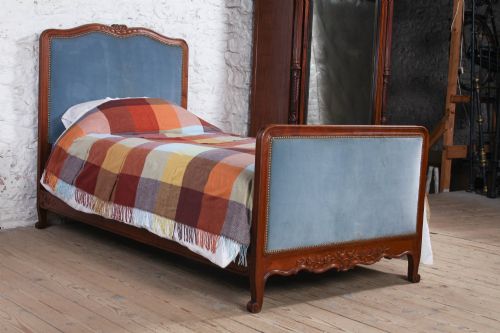
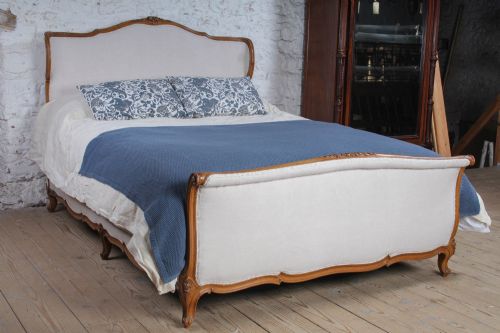
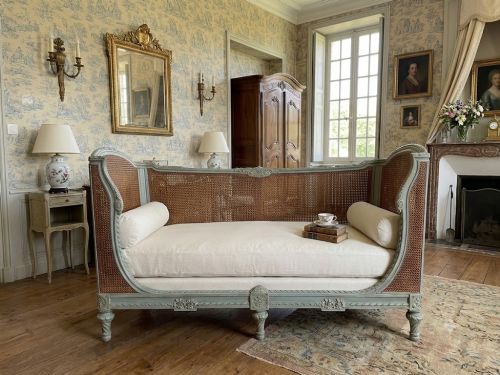
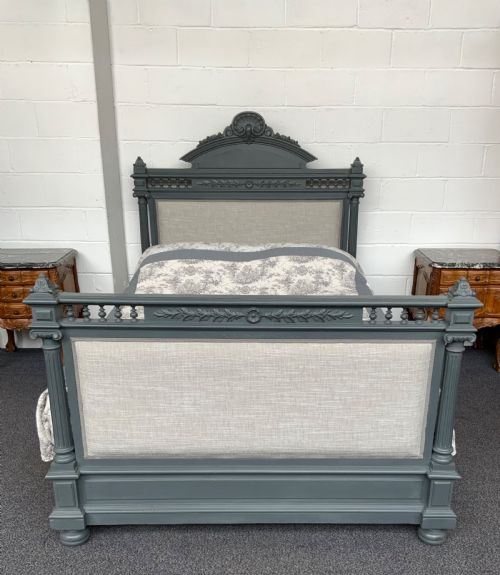
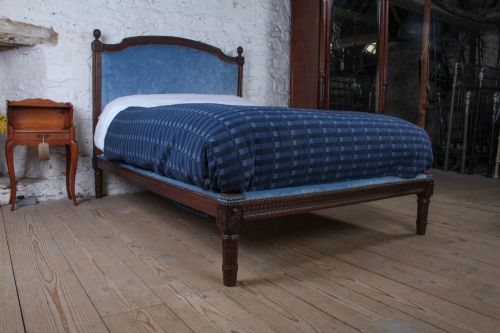
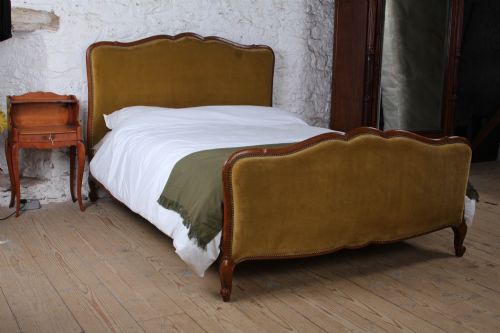
A french louis bed encompasses stately wooden bedframes, daybeds, and complete bedsteads originating from the nineteenth and early twentieth centuries. These pieces draw heavily on historical design vocabularies associated with French chateau interiors and provincial workshops.
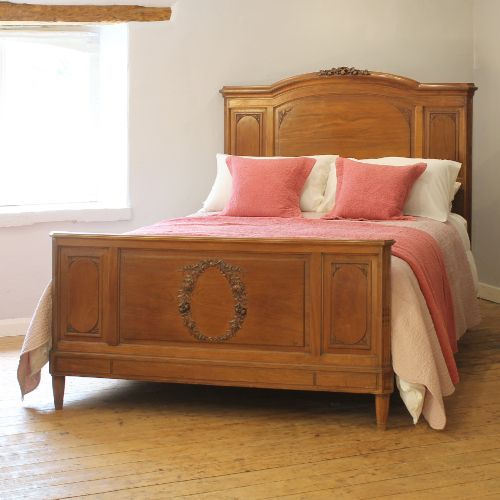
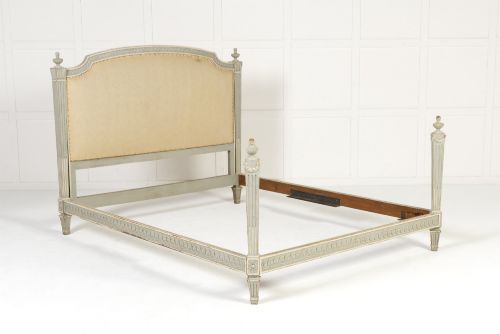
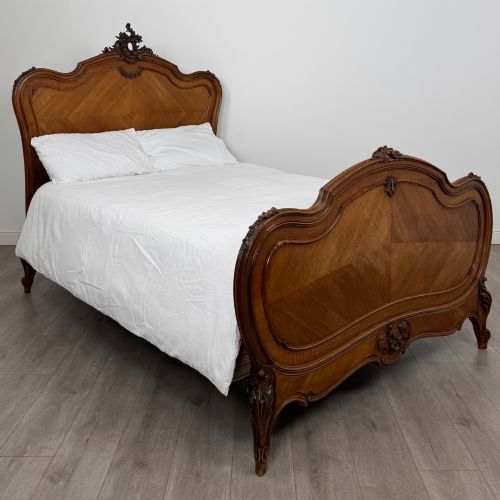
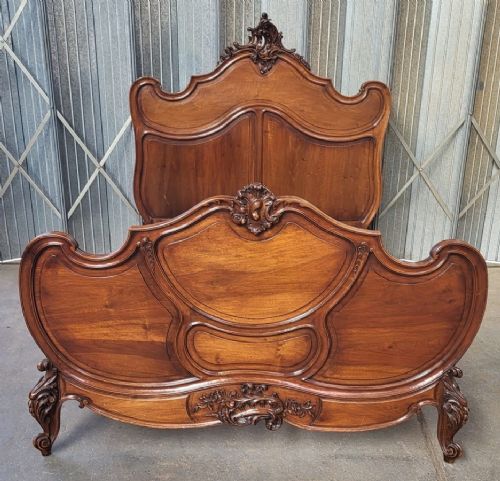
Buyers exploring this category most frequently encounter double and king-size formats executed in styles ranging from Louis XV and Louis XVI revival to broader French provincial interpretations. The selection spans robust nineteenth-century walnut and mahogany constructions alongside lighter painted finishes from the early nineteen-hundreds.
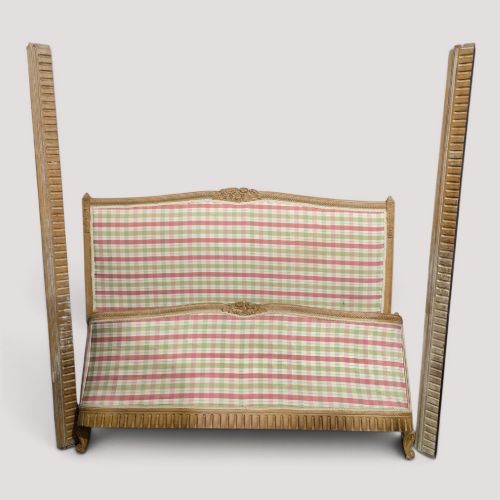
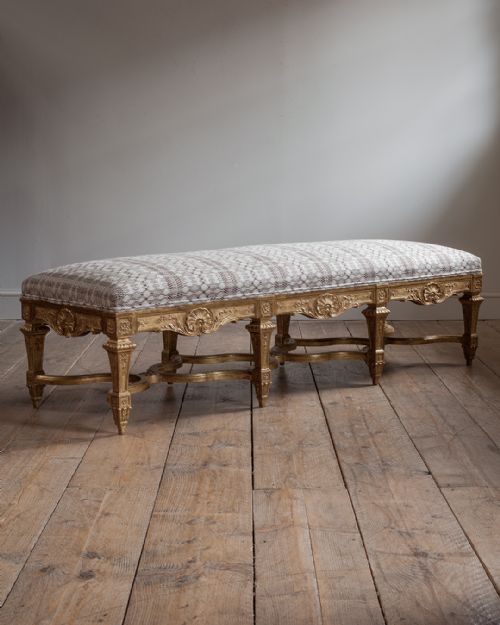
Alongside standard sleeping frames, the selection incorporates daybeds, canapé corbeille designs, and occasional benches designed to complement the main sleeping quarters. These supporting pieces share the characteristic carved woodwork and upholstery details found on the larger bedsteads.
Materials and Construction
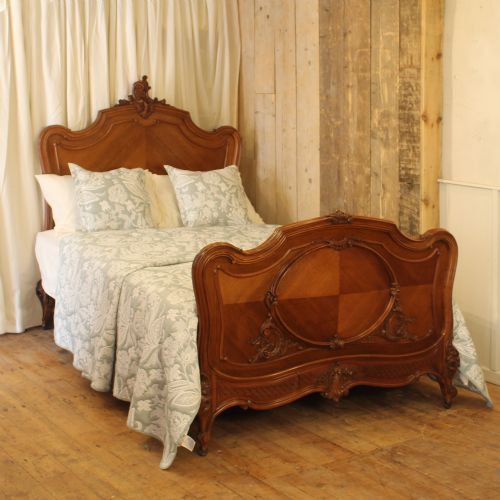
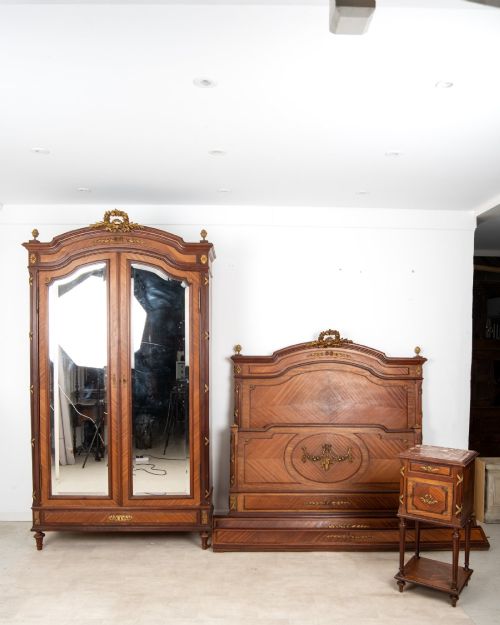
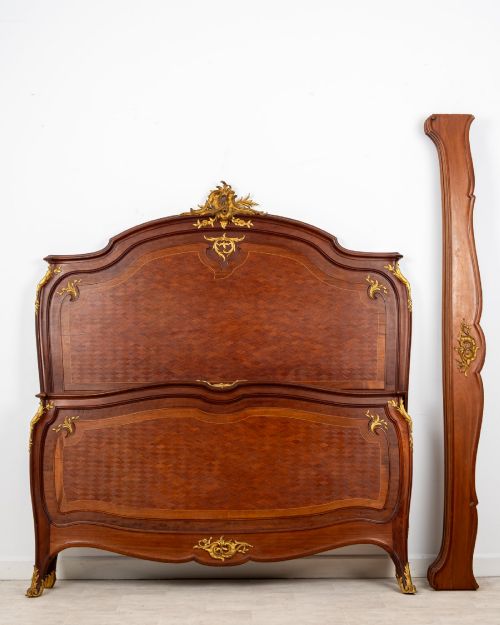
Carpenters utilised dense hardwoods including walnut, mahogany, and oak as the structural foundation for these bedframes. Timber surfaces frequently display quarter-veneered panels, intricate parquetry in kingwood and fruitwood, or smooth painted coats.
Decorative elements rely on traditional hand-carving applied directly to the solid wood framework, supplemented by cast brass and ormolu mounts. Caned panels appear in specific headboards and daybeds, while upholstered components utilise newly applied fabric coverings.
French Louis Bed Retail Price Guide 2026
Typical asking prices for french louis bed among the pieces listed under this phrase on Sellingantiques today, from the lower quarter to the upper quarter. They describe what is for sale here now, not the wider market.
Several pieces feature hand-painted portrait panels, bringing unexpected human faces into the quiet solitude of the bedroom.
Craftsmanship and Proportion
The standard of carving defines the distinction between standard production and superior examples, with crisp floral motifs and deeply moulded rails showing disciplined handwork. Timber selection also dictates grade, where matched quarter-veneers and intricate parquetry display greater cabinetmaking skill than plain painted softwood.
Proportion and structural integrity separate fine examples from simpler pieces. Well-balanced headboards and footboards maintain harmonious curves that respect historical precedent without appearing clumsy or over-ornamented.
The French Louis Bed Glossary
- Ormolu
- Gilt-bronze decorative mounts applied to furniture surfaces. This metalwork adds metallic contrast against dark walnut or mahogany timbers.
- Parquetry
- Geometric wood mosaic patterns assembled from contrasting veneers. Skilled makers utilised this technique on bed panels to create decorative surface geometry.
- Canapé corbeille
- A curved French daybed or sofa form featuring a rounded enclosing back. This design provides an intimate seating or resting structure.
- Quarter-veneered
- Timber boards sliced and arranged so the grain patterns mirror each other across a central seam. This method produces symmetrical visual effects on large headboards.
French Louis Bed: Frequently Asked Questions
How do I choose the right size?
Measure your available bedroom space carefully while accounting for the prominent footboards and headboards typical of these designs.
Consider whether a double, king size, or daybed format best suits your room proportions and mattress requirements.
Are modern mattresses compatible?
Many antique frames accommodate standard modern mattress sizes, though historical dimensions can occasionally vary slightly from contemporary standards.
Check the internal rail measurements of the specific bedstead to confirm proper fit before sourcing a mattress.
How do I care for painted finishes?
Dust painted and gilt surfaces gently with a soft, dry cloth to prevent accumulation without damaging delicate pigments.
Avoid commercial chemical sprays and keep the timber away from direct heat sources to preserve the original paintwork.