

French Lighting Fixture
A french lighting fixture brings sculptural metalwork and refractive crystal into a room, offering the warmth of period illumination.
French Lighting Fixture
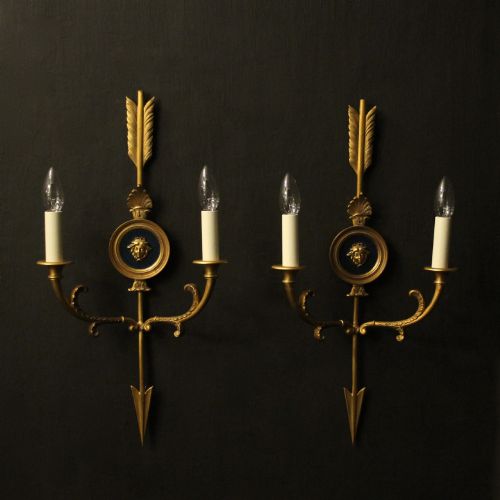
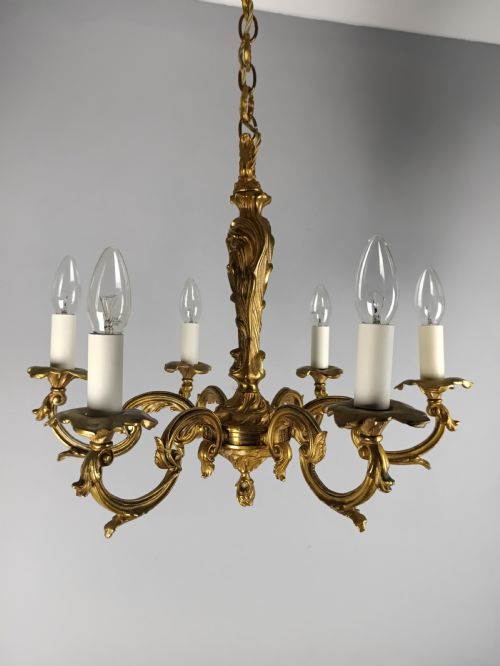
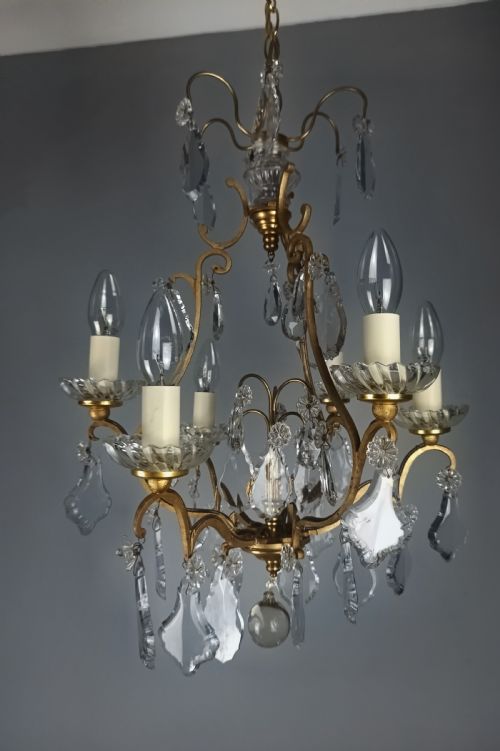
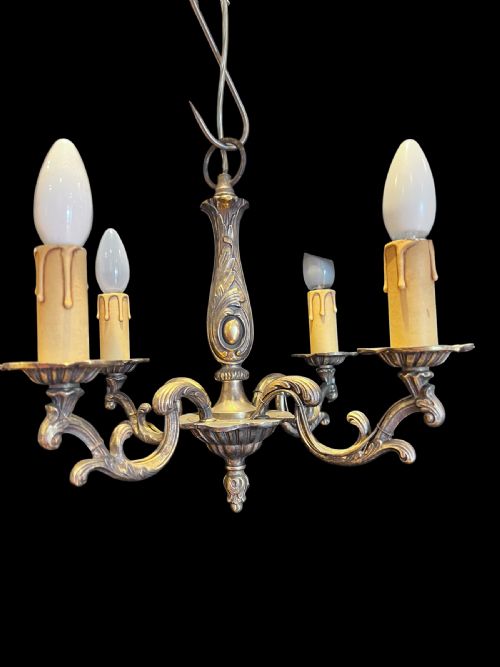
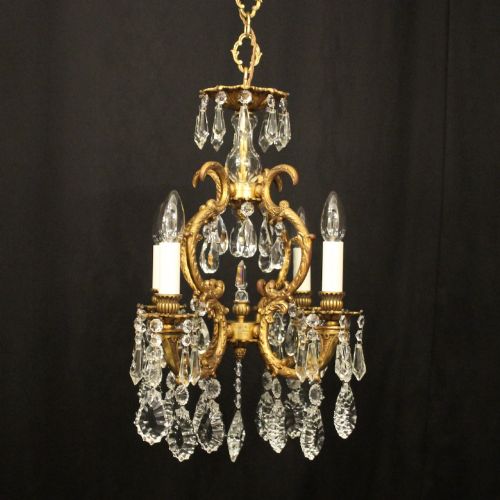
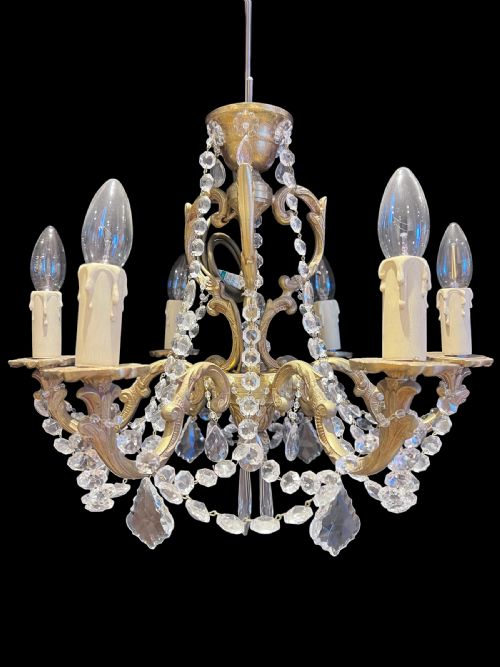
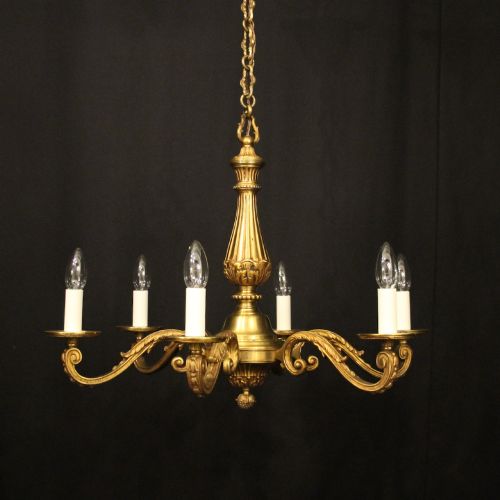
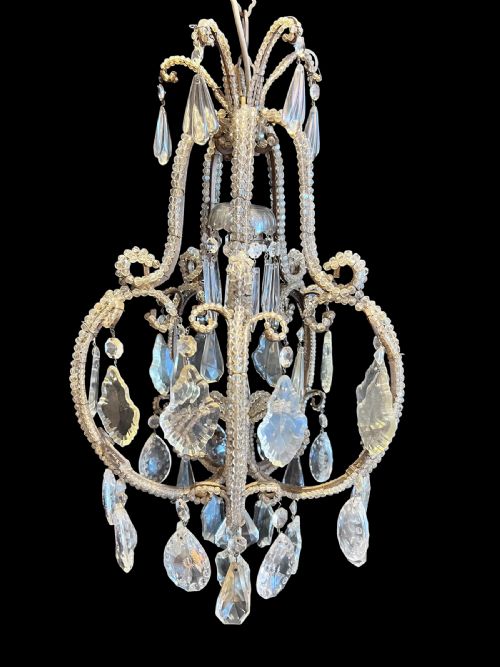
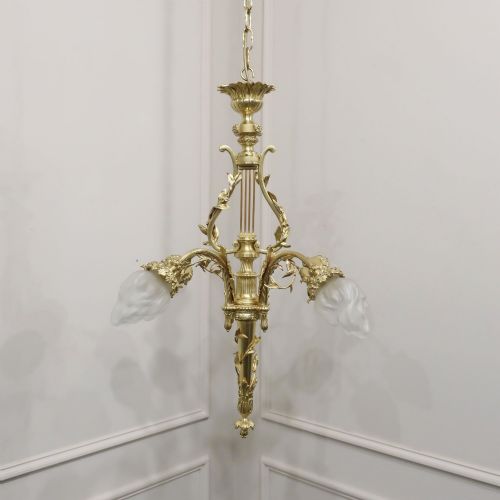
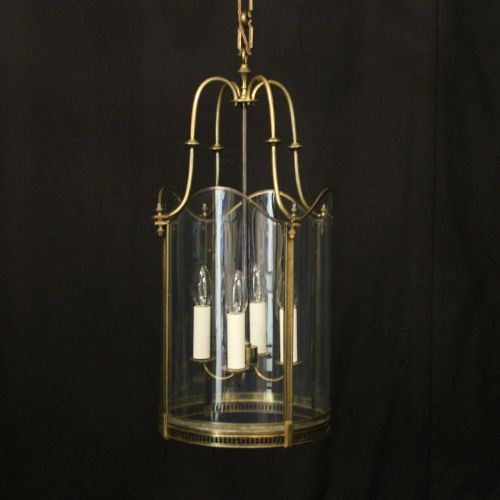
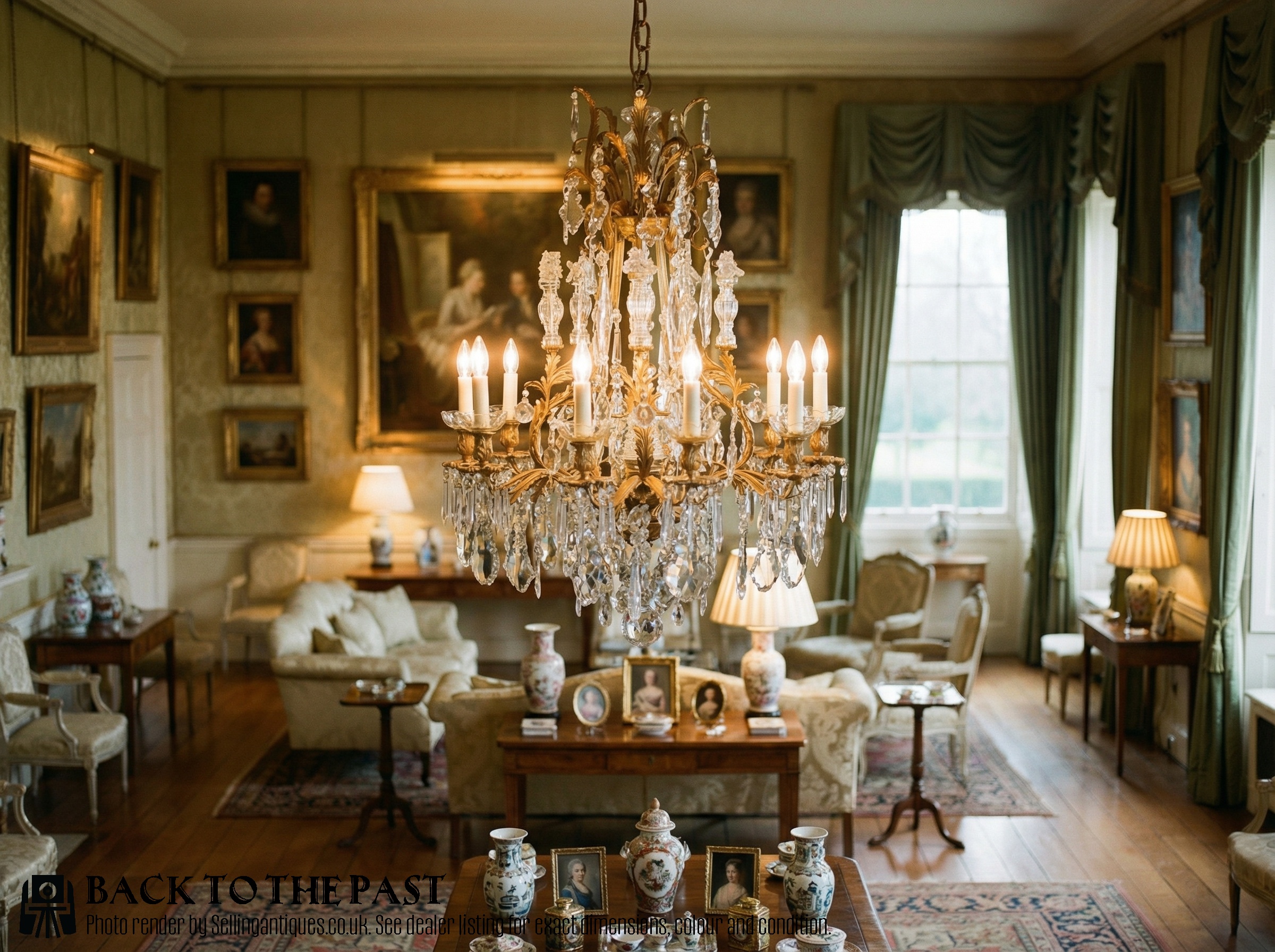
When you search for a french lighting fixture, you encounter a distinct assembly of chandeliers, wall lights, and hall lanterns spanning the nineteenth and early twentieth centuries. The selection leans heavily into designs produced around nineteen-twenty, featuring tiered glass drops and substantial metal frames.
Most examples originate from French workshops adhering to traditional decorative idioms like Rococo, Empire, and Neoclassical styles. Chandeliers dominate the selection, appearing alongside convex hall lanterns and twin-arm wall sconces intended for formal domestic spaces.
Materials and construction
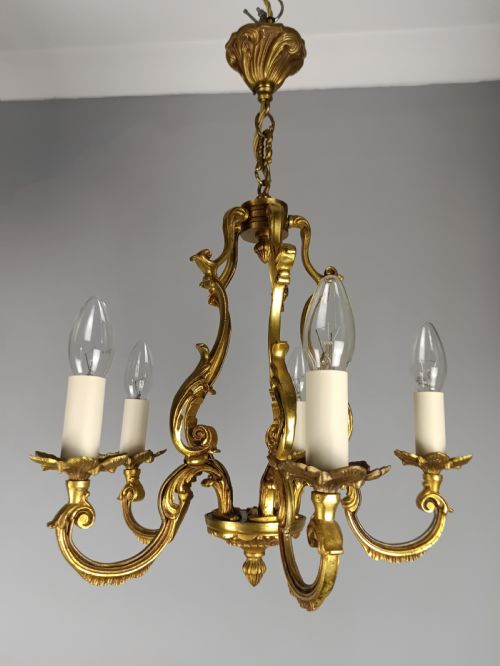
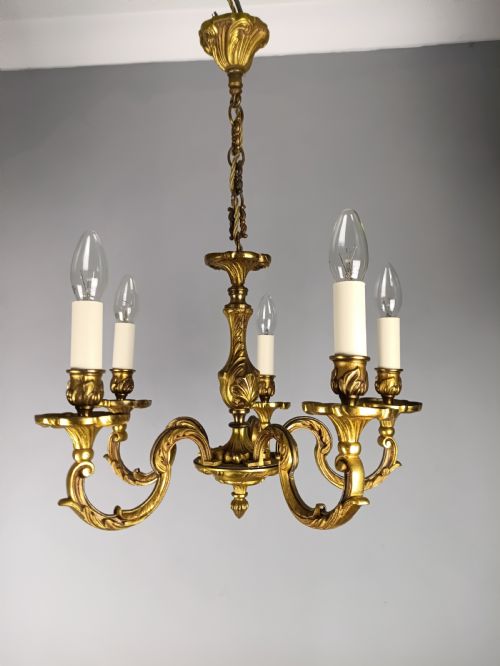
The primary structural elements rely on cast and chased brass, bronze, and gilt metal, often finished with applied gold leaf or surface gilding. These robust skeletons support intricate arrangements of cut glass and crystal drops that refract the light.
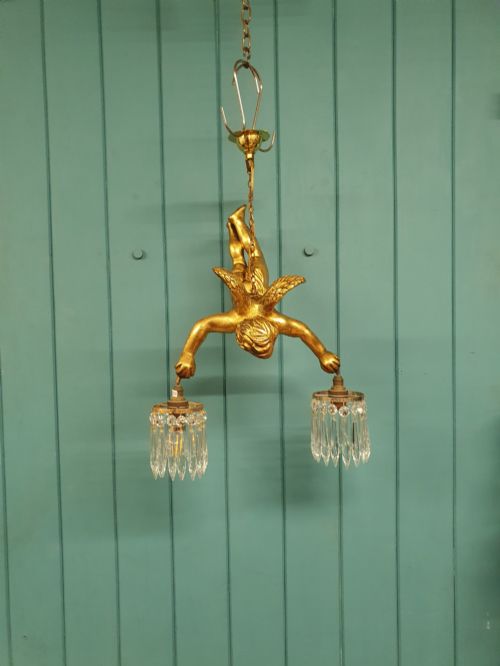
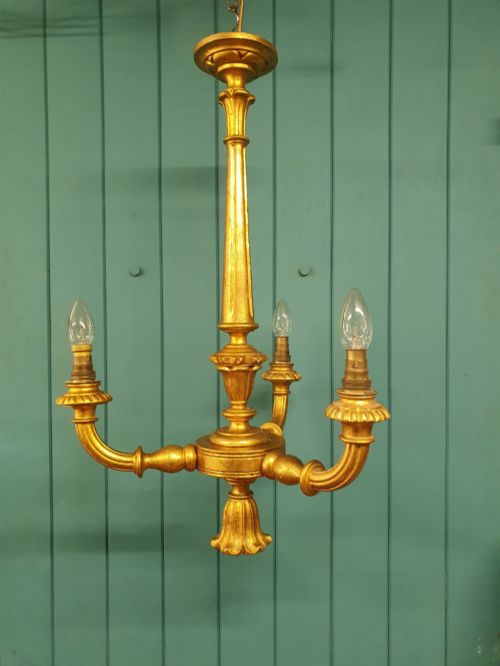
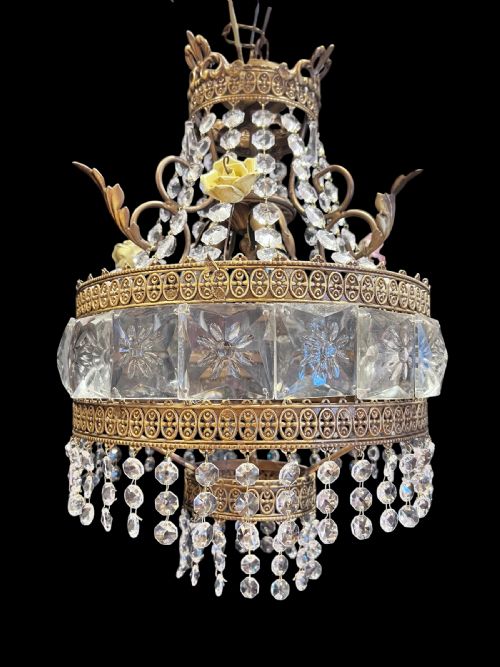
Makers integrated decorative elements such as carved giltwood, porcelain flowers, and tolewear ceramic components into the metal armature. Wiring and bulb holders were subsequently adapted into these historical frames during later periods of use.
Listings span multiple eras from the nineteenth century through the nineteen-thirties, incorporating Edwardian designs alongside French styles.
Judging the standard of execution
Quality rests upon the crispness of the metal casting and the depth of the chasing work on the bronze or brass arms. Superior pieces display intricate detailing in the leaf decoration and structural mounts rather than flat, simplified surfaces.
The nature of the glass elements dictates the calibre of the fixture, with heavy cut crystal spikes and lustres providing superior light refraction compared to plain pressed glass. The integration of balanced proportions across multiple tiers defines the finer examples.
Émile-Jacques Ruhlmann
The French Lighting Fixture Glossary
- Tent and waterfall
- A chandelier style featuring an upper conical section of strung beads above a wider, cascading tier of crystal drops. This arrangement maximises light dispersion across large rooms.
- Gilt bronze
- Metal cast in bronze and treated with a gold wash or mercury gilding to impart a durable metallic lustre. It resists tarnishing better than untreated brass.
- Hall lantern
- An enclosed ceiling-hung light, frequently convex in shape with glazed panels designed to protect the flame or bulb from draughts in corridors.
- Lustre
- A cut crystal pendant or drop suspended from the arms of a chandelier to enhance brilliance. These elements catch and multiply the illumination from the bulbs.
- Plafonier
- A shallow ceiling-mounted lighting fixture sitting close to the surface rather than suspended on a drop chain or stem.
French Lighting Fixture: Frequently Asked Questions
How do I clean an antique crystal chandelier?
Maintenance involves wiping individual crystal drops with a mild soapy solution while the fixture remains suspended from the ceiling.
Harsh chemical cleaners must be avoided to protect the underlying gilt finish on the metal arms.
Can these fixtures be rewired for modern electricity?
Most antique pieces accept modern electrical wiring through their central hollow stems and arms without altering the exterior appearance.
A qualified electrician should handle the installation to ensure the weight of the metal and crystal is safely supported.
What is the difference between a tent chandelier and a standard chandelier?
A tent chandelier incorporates a specific upper canopy of strung crystal beads shaped like a cone above the main arms.
Standard chandeliers rely primarily on curved metal branches extending directly from a central column without the upper beaded tent.
Where should a hall lantern be hung?
Hall lanterns suit entranceways, corridors, and high-ceilinged stairwells where their enclosed glass design directs illumination downward.
Their compact profile makes them practical for spaces where a wide-spreading chandelier would obstruct movement.