
French Lantern Pendant Lights
These French lantern pendant lights bring period character to hallways and high ceilings through historic metalwork and glass.
French Lantern Pendant Lights
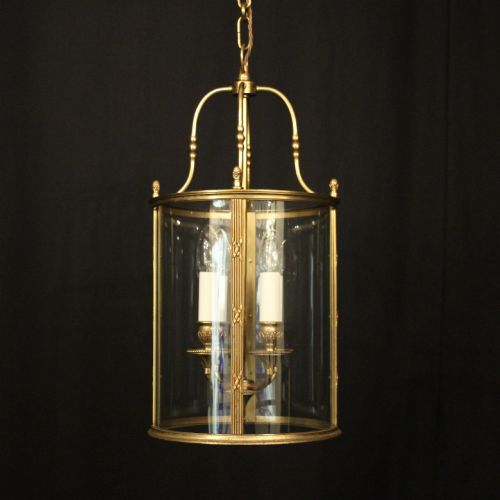
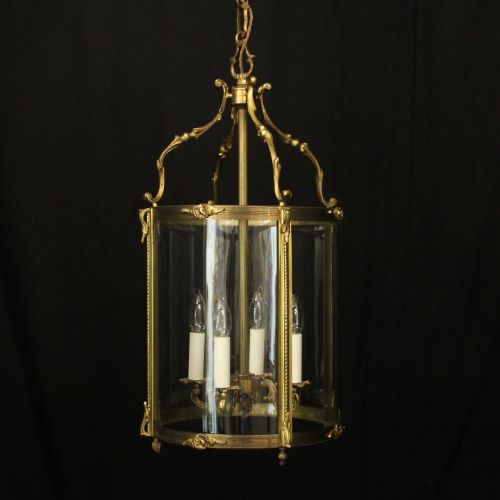
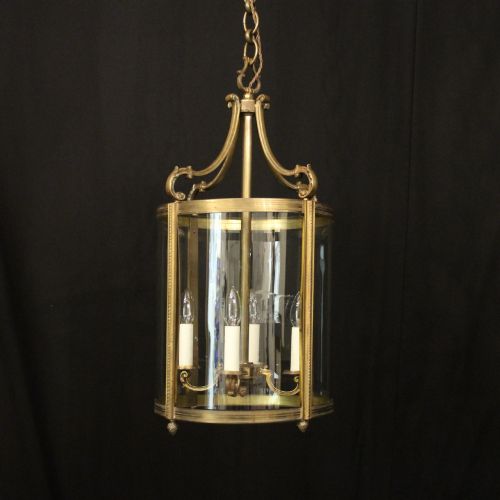
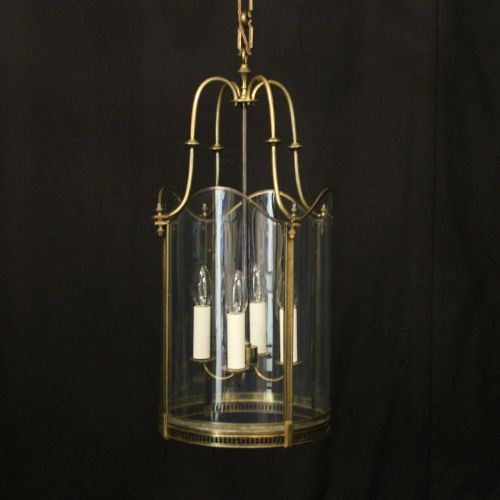
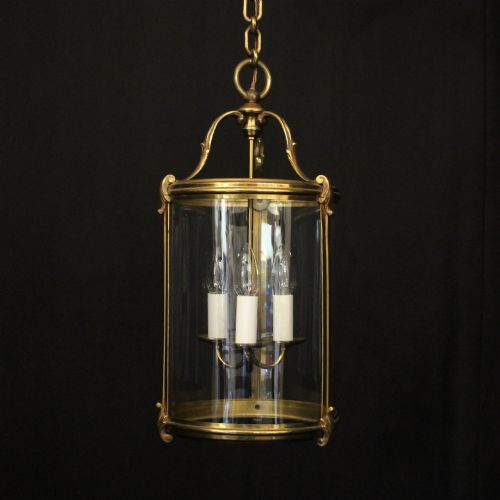
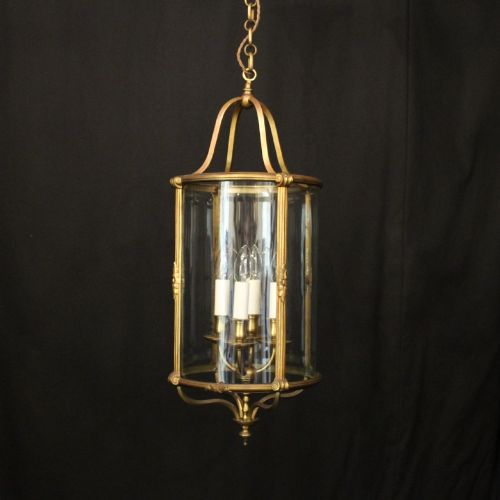
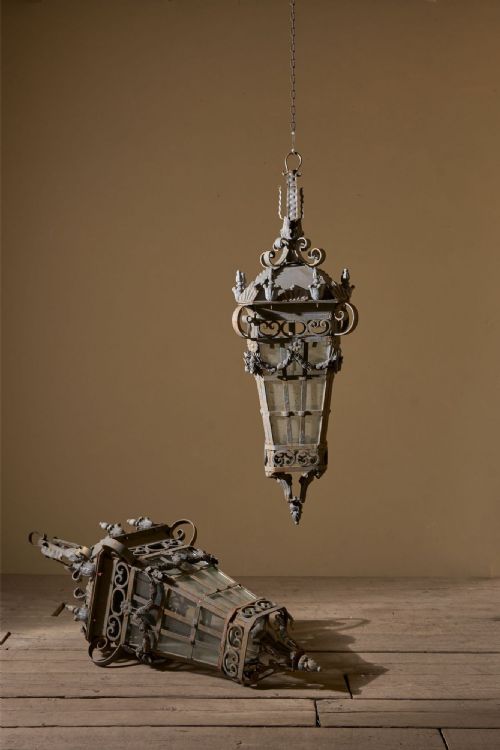
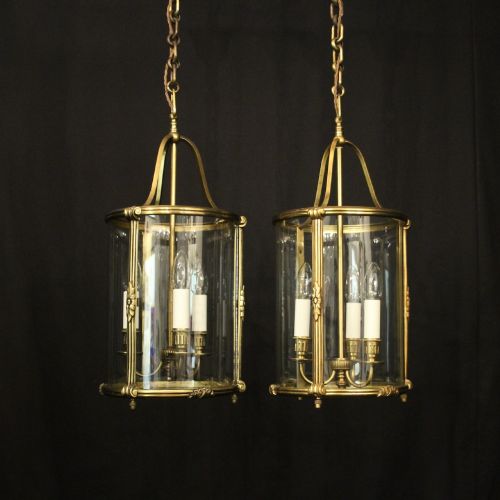
French lantern pendant lights bridge the gap between architectural hardware and interior illumination, taking the form of hall lanterns, ceiling lights, and hanging fixtures. The selection on this page leans heavily into early twentieth-century examples from the 1920s and 1930s, alongside nineteenth-century iterations representing diverse regional aesthetics.
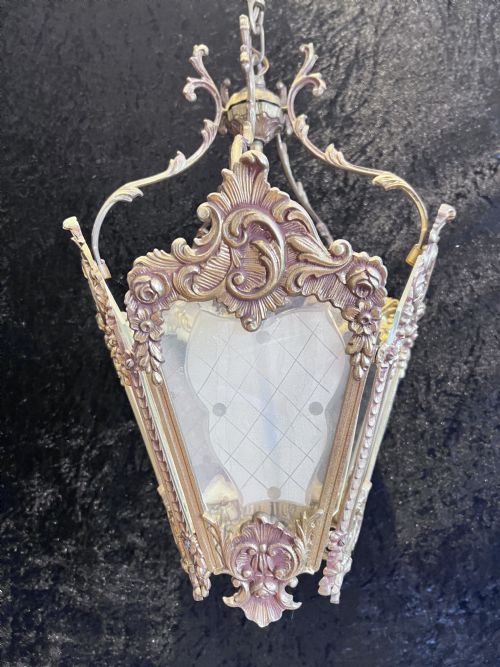
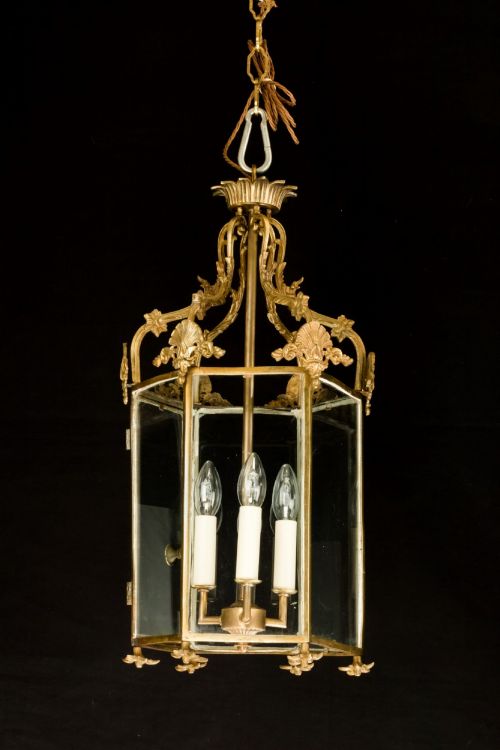
Most pieces draw on traditional French design vocabularies, including Neoclassical, Rococo, and Louis XVI styles, alongside specific vernaculars like the French Chateau or Arts and Crafts movements. Buyers encounter single-light fixtures as well as larger triple and quadruple-light configurations suited to substantial spaces.
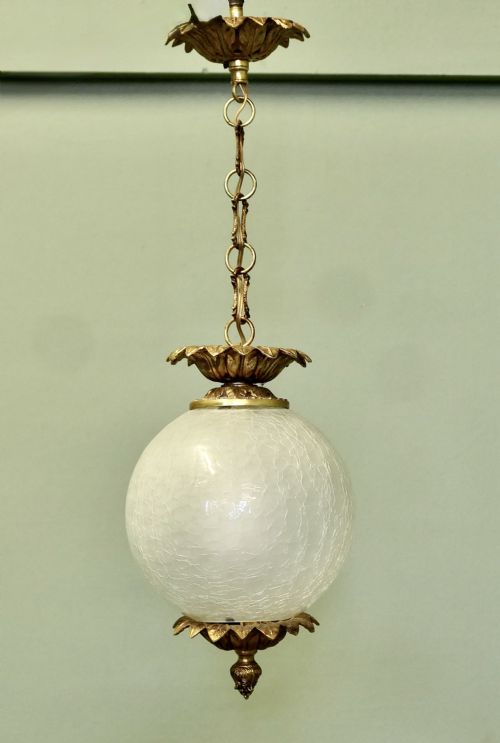
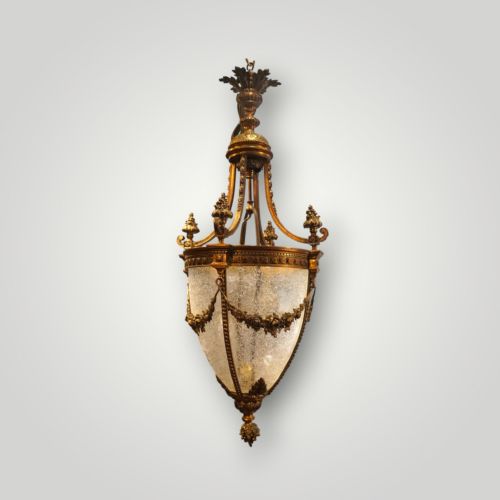
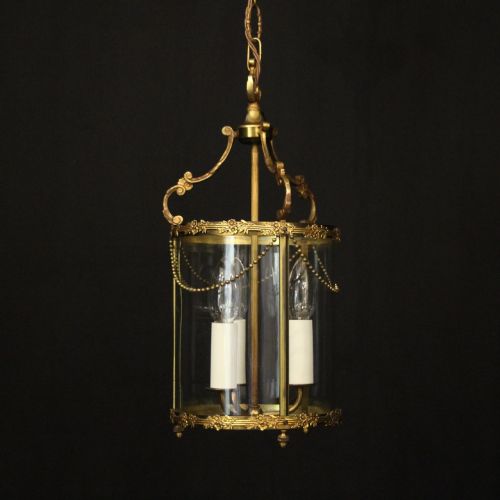
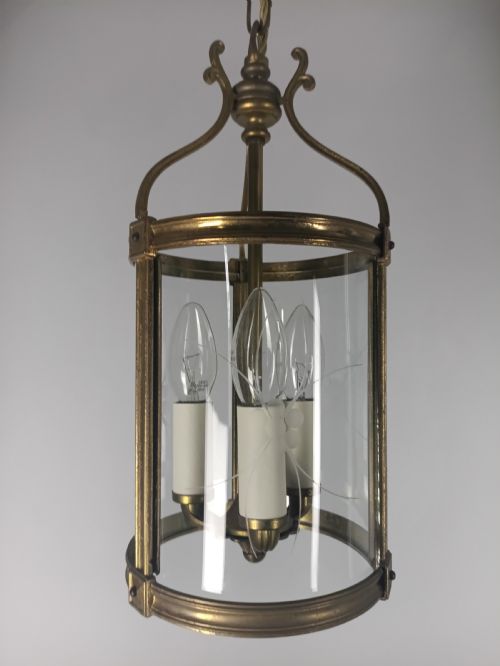
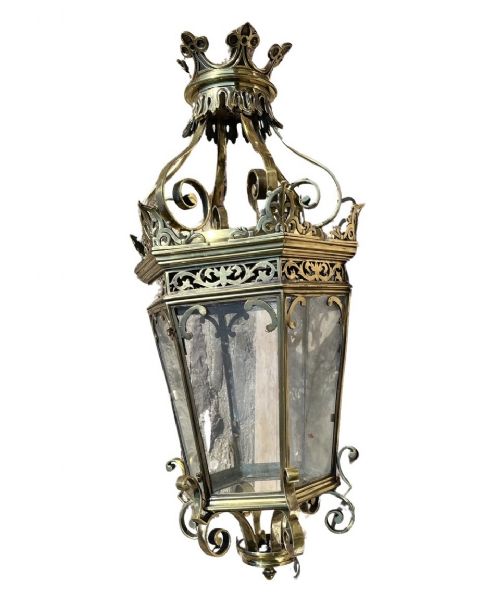
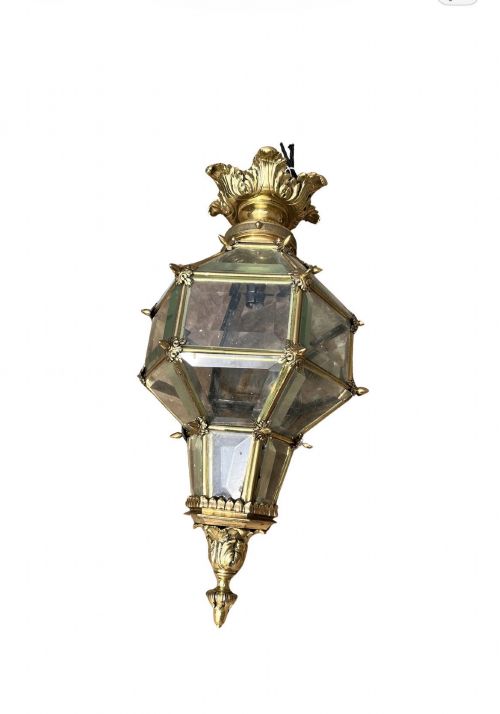
Forms range from simple glass globes and cylindrical prisms to elaborate convex bronze frames fitted with bevelled glass panes. Dating stretches from the mid-nineteenth century through the early decades of the twentieth century, reflecting shifts in domestic lighting from oil and gas to electricity.
Materials and construction
The structural framework relies on cast and forged metals, predominantly brass, bronze, and gilt bronze, alongside occasional uses of wrought iron and zinc. Metal components are frequently gilded to achieve a rich surface finish that complements the interior architecture of period hallways.
Glazing takes multiple forms, utilising plain, etched, moulded, or bevelled glass panes fitted tightly into metal cages, or suspended glass globes. Many examples incorporate crystal prisms or cut glass elements that refract the internal light sources.
Several lanterns include tiny operable side doors designed so servants could reach inside with a taper to light the candles.
Distinctions in quality
Quality rests upon the weight and definition of the metal casting, where crisp foliage, scrolls, and neoclassical motifs separate superior frames from simpler commercial production. The thickness and clarity of the glass, particularly where panels are bevelled or convex, dictate the refinement of the piece.
Proportion and scale govern the visual success of a hanging lantern, with finer examples maintaining balanced dimensions between the metal cage and the glazed panels. The integration of structural hinges, opening doors, and original suspension hardware further distinguishes standard utilitarian fixtures from exceptional decorative works.
The French Lantern Pendant Lights Glossary
- Convex glass
- Curved glass panels that project outward to soften internal light diffusion. This technique requires skilled moulding to fit complex metal frames.
- Gilt bronze
- Bronze metal treated with a thin layer of gold or gold-coloured alloy. It offers durability and a warm reflective lustre.
- Bevelled glass
- Glass panes featuring angled edges cut and polished to a specific slope. This treatment catches ambient light from multiple angles.
- Hall lantern
- A ceiling-hung lighting fixture designed primarily for entrance halls and corridors. These pieces combine secure mounting with decorative metalwork.
- Louis XVI style
- A neoclassical design movement characterised by straight lines, symmetry, and classical motifs such as swags and urns. It informs many French light fixtures.
French Lantern Pendant Lights: Frequently Asked Questions
Where should I hang a French lantern pendant light?
These fixtures suit entrance halls, high-ceilinged landings, and stairwells where their vertical proportions command attention. Their enclosed design directs light downward while casting patterns through the glazed panels.
Ensure adequate ceiling height for multi-light or larger bronze models so the fixture hangs in proportion to the room volume. Smaller globe pendants work well in more compact vestibules or secondary hallways.
How do I determine the period of a lantern?
Dating relies on examining the metal casting techniques, assembly methods, and stylistic cues present in the frame. Nineteenth-century examples often display heavier hand-finished bronze work, while pieces from the 1920s and 1930s may incorporate cleaner lines or simpler geometric brass construction.
Glass types also offer clues, as heavy bevelled panes and moulded decorations correspond to specific manufacturing eras. Reviewing the suspension loop and internal lamp holders helps confirm whether a piece retains its original period wiring or hardware.
Are these lanterns wired for modern electricity?
Most surviving pieces have been electrified during their lifespan to accommodate standard modern domestic power bulbs. The internal lamp holders are typically updated while preserving the historic exterior metal and glass components.
Buyers should inspect the internal wiring setup upon arrival and consult a qualified electrician to ensure compliance with current safety standards. This allows historic fixtures to function safely within contemporary residential spaces.
How do I clean and maintain antique brass and bronze?
Dusting the metal frame and glass panes regularly with a soft, dry cloth prevents the accumulation of grime. Avoid abrasive polishes that can strip original patination or damage delicate gilt surfaces.
Glass panels can be removed carefully for cleaning with mild glass cleaner if the frame permits. Maintaining the stability of the hanging chains and ceiling canopy ensures the fixture remains securely suspended.