



French Kitchen Pot
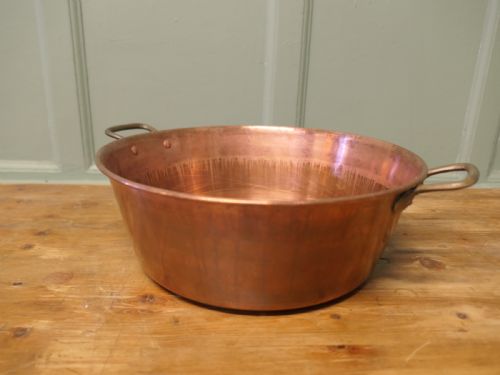
These french kitchen pot examples are heavy copper vessels and utilitarian wares that bring genuine warmth and function to a room.
French Kitchen Pot
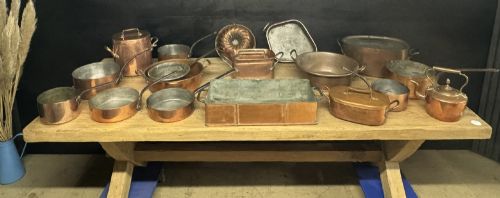
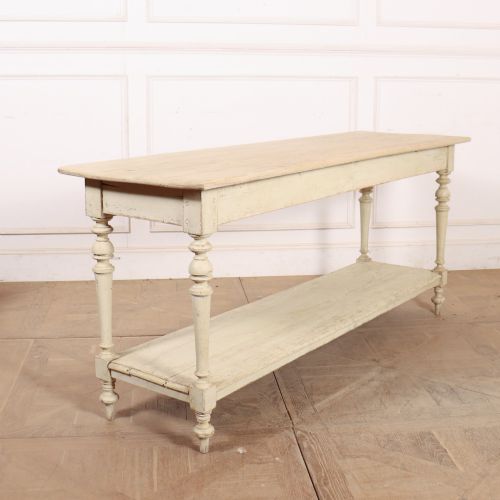
When you search for french kitchen pot, you encounter heavy copper preserve pans, jam pans, and sets of pans alongside related French country furniture like workbenches, drapers tables, and pot-shelf serving tables. These objects originate largely from the nineteenth century, spanning decades such as eighteen eighty, nineteen hundred, eighteen sixty, and nineteen ten.
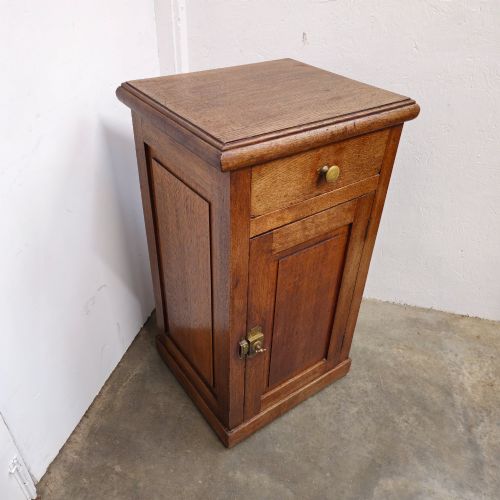
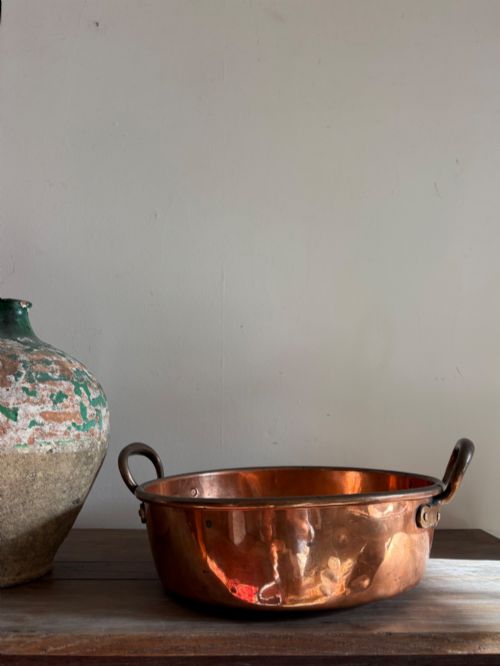
The version you are most likely to meet on this page is the substantial copper preserve pan with brass handles, built for heavy culinary use. Alongside these copper vessels, the listings present painted softwood, pine, and oak furniture including multi-tier saucepan racks and kitchen canisters.
How they were made
The copper cookware is formed from heavy sheet metal, often featuring riveted brass handles designed to endure intense daily kitchen work. Iron and cast iron elements appear in structural components and associated pans, while larger furniture pieces utilise pine, oak, and painted softwood.
Surfaces show the marks of hand construction, from beaten metal bodies to painted finishes on tables and enamel on canisters. These techniques reflect utilitarian nineteenth century workshops where durability dictated every construction choice.
French Kitchen Pot Retail Price Guide 2026
Typical asking prices for french kitchen pot among the pieces listed under this phrase on Sellingantiques today, from the lower quarter to the upper quarter. They describe what is for sale here now, not the wider market.
Every copper preserve pan carries the subtle hammer marks of the artisan who beat the metal into shape over a century ago.
What varies in quality
Quality rests in the thickness of the metal and the integrity of the original handles and rivets. Substantial weight and honest wear separate pieces that survived hard service from lighter later imitations.
For furniture and racks, the quality shows in the depth of the timber grain, the retention of original paint, and the solidity of the joints. Untouched patination carries far more character than overly restored surfaces.
The French Kitchen Pot Glossary
- Preserve pan
- A wide, round-bottomed copper vessel designed for boiling fruit and sugar, featuring sturdy side handles for lifting when full.
- Drapers table
- A long, narrow utilitarian table originally used for measuring and cutting cloth, adapted today for kitchen or serving use.
- Pot-shelf serving table
- A provincial table featuring an integrated lower shelf specifically built to hold heavy cookware and kitchen vessels.
- Saucepan rack
- A tiered hanging or wall-mounted iron and metal frame fitted with hooks to organise and display cookware.
- Enamel canisters
- Metal storage jars coated in fused glass powder, produced in sets for dry goods in early twentieth century kitchens.
French Kitchen Pot: Frequently Asked Questions
What were copper pots used for?
These heavy copper vessels were designed for preserving fruit, boiling jams, and handling large quantities of food over an open fire or stove. Their thick metal walls distributed heat evenly to prevent scorching.
Today, buyers use them as striking decorative centrepieces, flower containers, or functional kitchen storage for utensils and firewood.
How do I date a copper preserve pan?
Nineteenth century pieces typically feature hand-beaten copper construction with heavy brass handles secured by robust hand-hammered rivets. Machine-rolled edges and uniform modern stampings point to much later manufacture.
Look closely at the surface texture, the fastening methods, and the natural oxidation patterns to understand the age of the metal.
Can I use antique copper pans for cooking?
Many nineteenth century copper pans were lined with tin for safe food contact during cooking. Over decades of use and cleaning, this soft tin lining often wears down to the bare copper underneath.
If you plan to cook with them, check the interior condition carefully and consider having the vessel professionally re-tinned by a specialist.
How do I clean old copper?
Allow the natural dark patination and minor surface marks to remain, as excessive polishing strips away the historic character of the metal. Gentle cleaning with mild soap and water removes dust without destroying the aged surface.
Avoid harsh chemical dips that leave the copper looking raw, shiny, and stripped of its centuries-old appearance.