


French Impressionist Canvas Painting
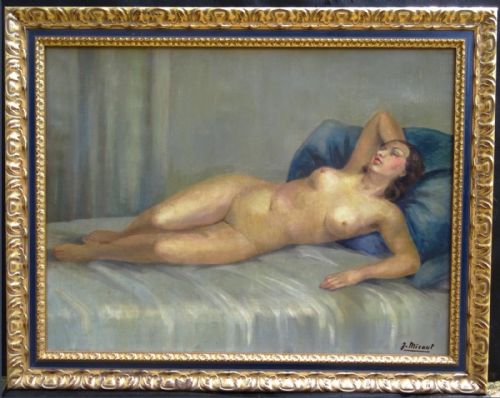
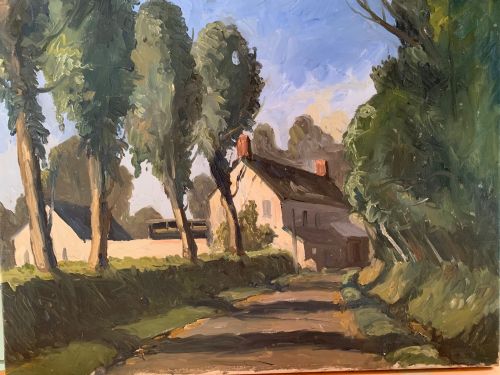
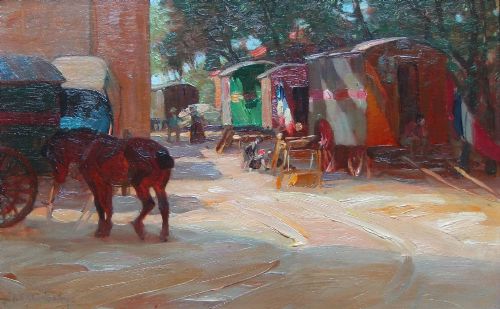
When you search for french impressionist canvas painting, you encounter oil on canvas works spanning the nineteenth and twentieth centuries.
French Impressionist Canvas Painting
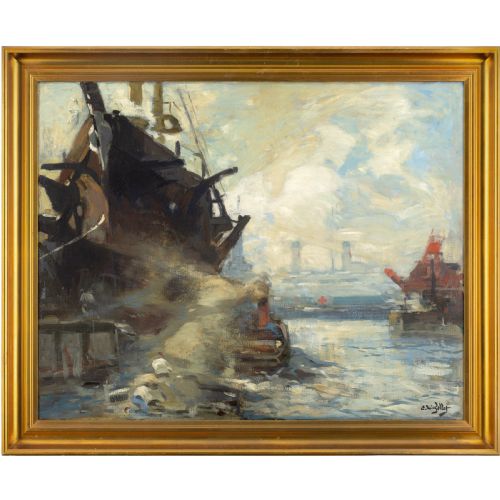
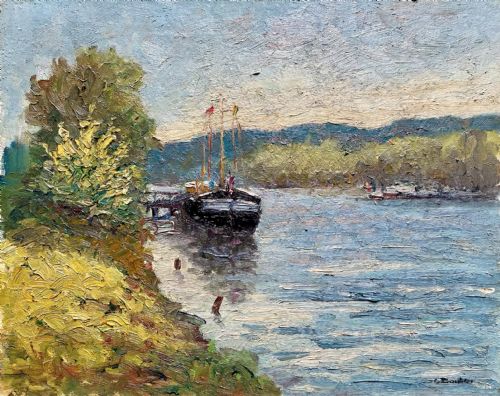
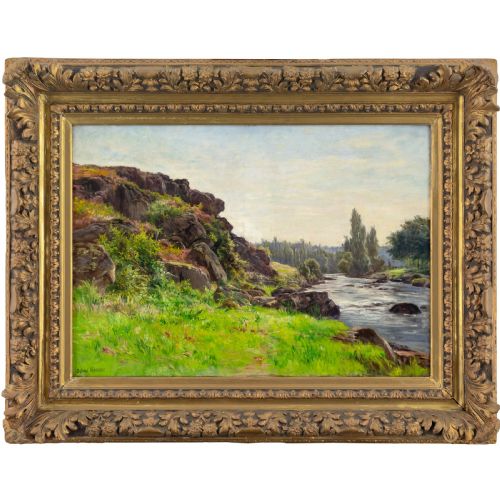
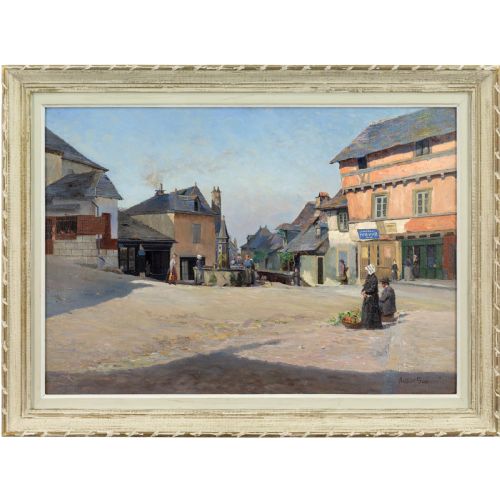
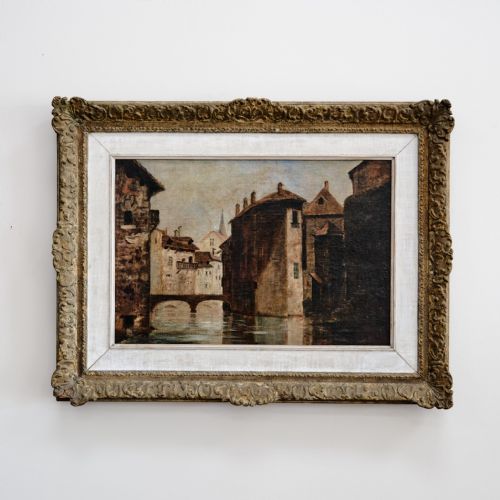
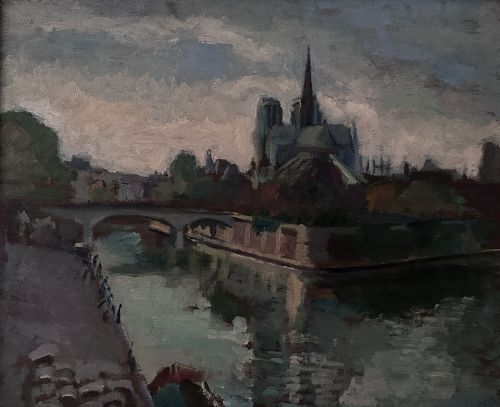
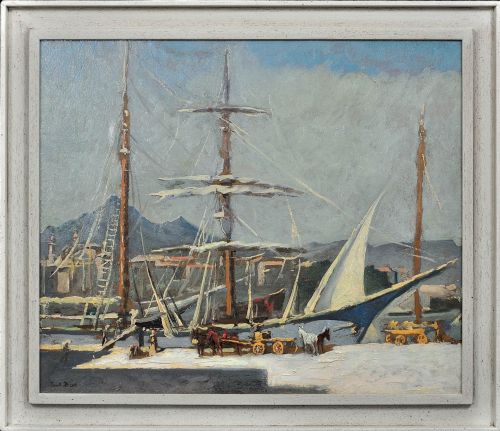
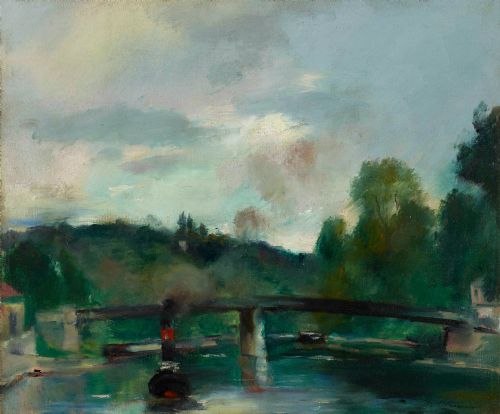
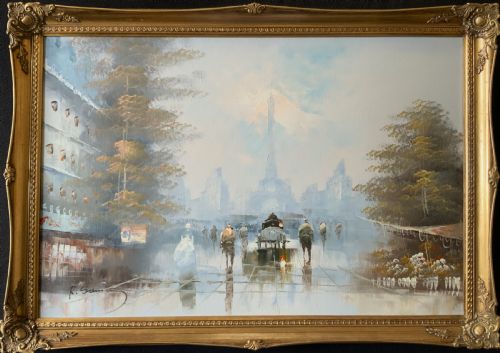
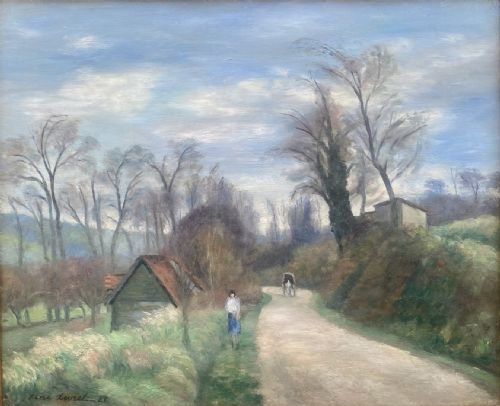
A french impressionist canvas painting captures landscapes, riversides, and cityscapes created across various periods including the nineteenth century and mid-twentieth century. The works on this page frequently originate from French provincial regions, coastal towns, and Paris.
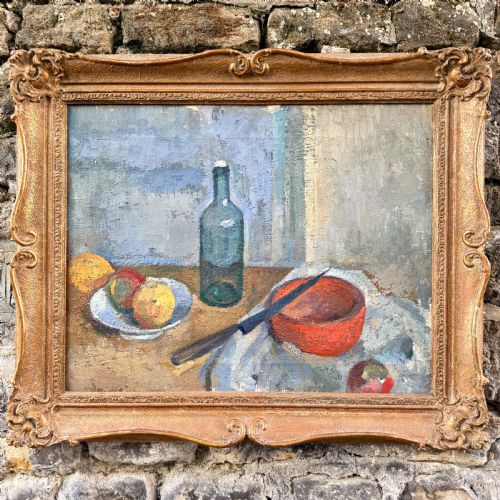
Buyers encounter diverse formats such as large Paris cityscapes, coastal views of Normandy and Brittany, and intimate still life compositions. These oil paintings reflect movements ranging from Barbizon School traditions to post-impressionism.
Many examples are preserved in period surrounds such as gilt wood or gesso frames, maintaining their historical integrity. The subjects range from maritime scenes to pastoral riverbanks.
Materials and Techniques
Artists painted primarily with oil paint on stretched canvas supports, utilising textured impasto strokes to capture light and movement. Gilt wood and gesso frames were frequently constructed to house these oil on canvas works.
The physical application varies from smooth transitional blending seen in earlier Barbizon pieces to energetic, textured brushwork characteristic of mid-century impressionism.
Several canvases quietly record historical weather, wartime harbours, and leisurely sunbathing on French cliffs.
Assessing Quality and Execution
Quality rests in the handling of light, brushwork confidence, and compositional balance rather than surface condition alone. Stronger pieces display assured handling of colour across the canvas, capturing atmosphere effectively.
The relationship between the painting and its original frame indicates the care taken in preservation over the decades. Superior works demonstrate an expressive economy of mark-making that defines the movement.
Eugène-Louis Gillot·Gabriel Mathieu·Arthur Gué·Henri Ottmann·Rene Levrel·Erich Mercker·Paul Désiré Trouillebert·Caroline Burnett·Honore Cavaroc·Charles Clair·Henri Jaques Delpy·Paul-Jean Anderbouhr·Elisabeth Bardon·Raymond Moritz·Henri Vincent-Anglade·Louis Suire·Gustave Vidal·Jean-Baptiste Olive·Raymond Picque·Raimond Louis Lecourt·Fred Pailhes·André Prévot-Valéri·Gabriel Dauchot·Mario Pinetti
The French Impressionist Canvas Painting Glossary
- Impストressionism
- Impresssionism is an art movement characterised by relatively small, thin, yet visible brush strokes and an open composition. It emphasises accurate depiction of light in its changing qualities.
- Impasto
- Impasto is a technique where paint is laid on an area of the surface in very thick layers, usually thicker than the brush stroke. This technique makes brush or painting-knife marks visible.
- Gesso
- Gesso is a chalk-binder mix used as a ground for painting or on wooden frames to create a smooth surface for gilding. It provides a stable base for decorative elements.
- Barbizon School
- The Barbizon School was part of an art movement towards realism in art, in the context of the dominant Romantic movement of the time. It took its name from a village near the Fontainebleau Forest where the artists gathered.
French Impressionist Canvas Painting: Frequently Asked Questions
How do I identify a genuine period frame?
Period frames often feature hand-carved gesso details and traditional gilding methods that show natural age-related wear underneath.
Examining the corner construction and the fit of the canvas helps confirm whether the frame has remained with the artwork long-term.
Where were these landscape scenes typically painted?
Many compositions record specific locations across France, including the banks of the Seine, coastal Normandy, Brittany, and Parisian streets.
Artists frequently worked plein air to capture natural light conditions in these regional settings.
What is the difference between impressionism and post-impressionism?
Impressionism focuses primarily on the instantaneous recording of light and atmospheric effects using visible brush marks.
Post-impressionism extends these techniques with a greater emphasis on geometric forms, expressive colour, and symbolic content.
How should I care for an oil painting on canvas?
Keep the canvas away from direct sunlight, extreme temperature fluctuations, and high humidity to prevent paint cracking or warping.
Dust the surface gently with a soft, dry brush and avoid using liquid cleaners on the paint or gilt frame.