


French Illustration Artwork
French illustration artwork captures the graphic spirit of centuries past, offering buyers original drawings, prints, and paintings to elevate an interior space.
French Illustration Artwork
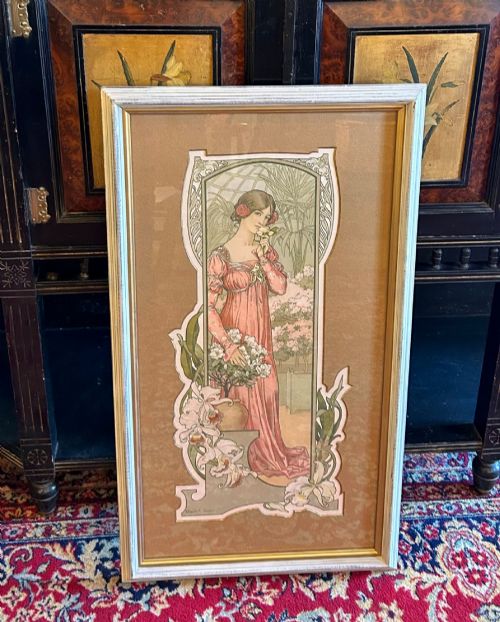
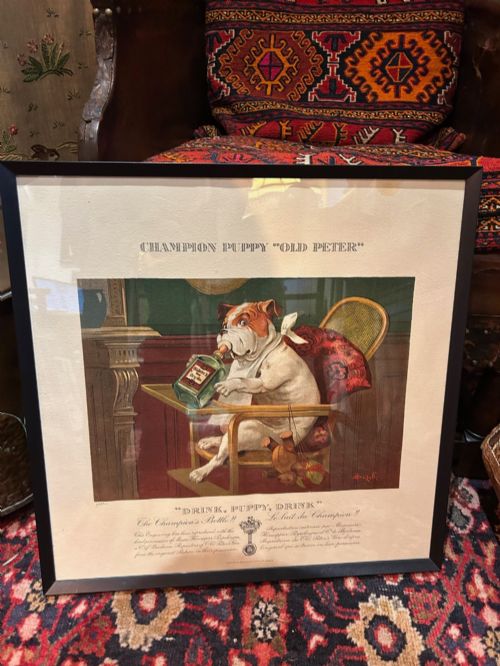
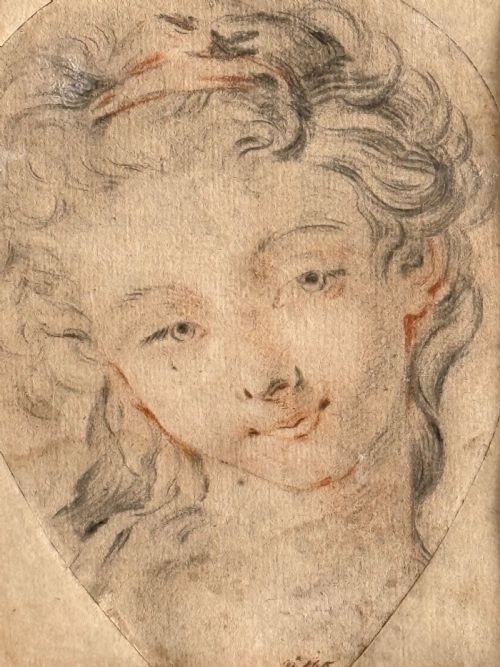
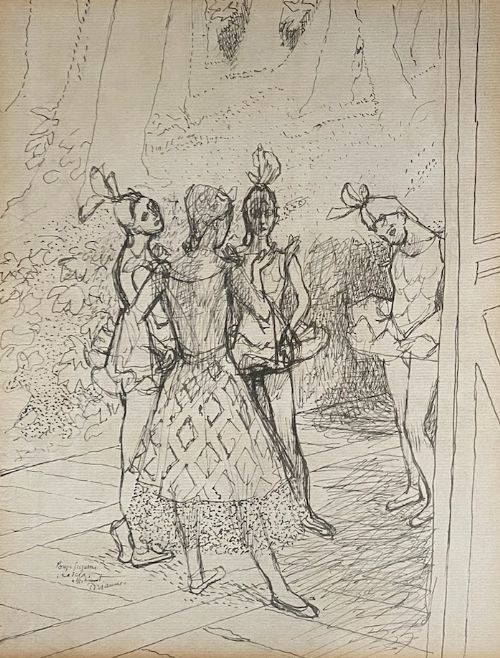
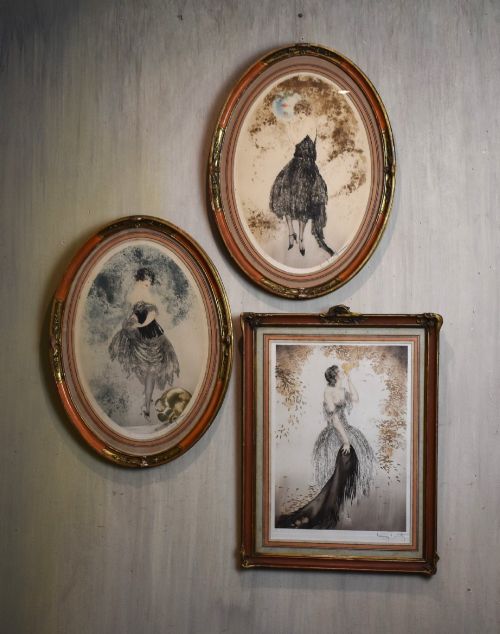
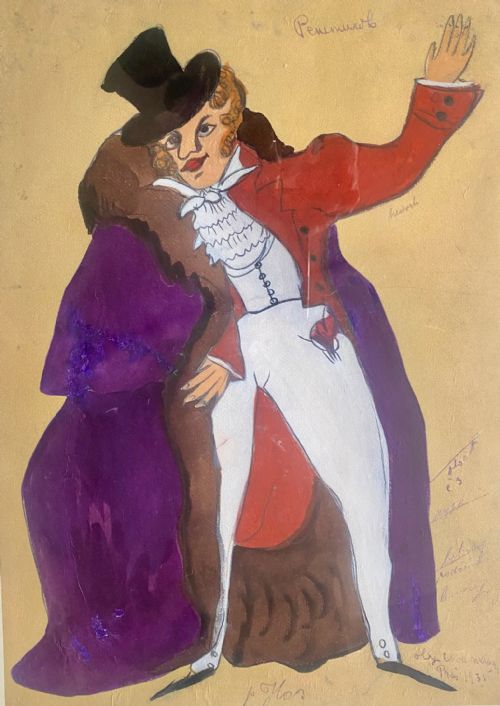
When buyers search for french illustration artwork, they encounter a diverse range of works spanning several centuries, from delicate 18th-century school drawings to dynamic mid-century gouache paintings. The selection includes framed architectural plans, theatrical figure studies, botanical engravings, and advertising prints that reflect shifting aesthetic movements.
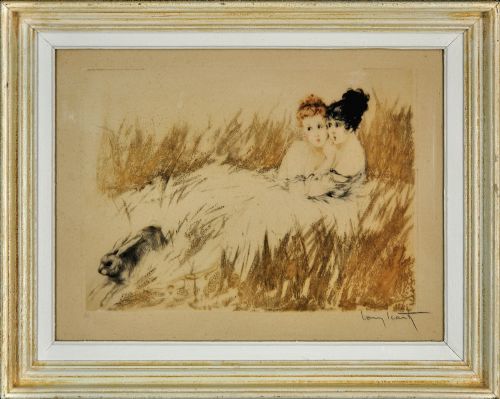
Pieces from the nineteenth and early twentieth centuries dominate the offerings, showcasing everything from precise ink line drawings to hand-coloured etchings. Buyers frequently find framed prints and original mixed-media works depicting portraits, landscapes, and narrative scenes.
Origins stretch across various distinct periods, encompassing Neoclassical, Art Nouveau, Art Deco, and Mid-Century Modern styles. Each piece carries the distinct technical skill of its era, whether executed as a preparatory design for a cabinet or created as a standalone portrait.
Materials and technique
Artists relied primarily on paper supports, applying mediums such as ink, watercolour, gouache, charcoal, and gold leaf to achieve fine detail and colour depth. Many works utilise a combination of these materials, such as ink line drawings heightened with watercolour or charcoal.
Printmakers employed techniques including lithography, engraving, and etching to produce both independent plates and book illustrations. Hand-colouring was frequently added to monochrome prints to enrich the visual impact.
Framed works often incorporate glass to protect delicate paper surfaces from environmental damage, while original paintings utilise canvas or wood as a sturdy base for oils and heavier pigments.
The listings span from the 18th century through to the 1950s, utilising paper, ink, watercolour, gouache, and gold leaf.
Assessing the work
Quality rests upon the sureness of the draftsmanship and the clarity of the medium on the paper. Stronger examples display confident lines and intentional brushwork that reveal the direct hand of the artist or skilled engraver.
The preservation of the paper support and the vibrancy of pigments strongly influence the visual strength of a piece. Works that retain their original hand-colouring without excessive fading or staining command greater visual presence.
Association with documented artists, periods, or publishing houses adds depth to a piece. Original drawings and limited-edition prints naturally carry more singular artistic expression than standard decorative reproductions.
Elisabeth Sonrel·Marcellin Auzolle·Francois Boucher·Maurice Brianchon·Louis Icart·Olga Choumansky·Lucien Gibert·Georges Goursat·Gustave Doré·Adolphe Pannemaker·Buffon·Pancrace Bessa·Jean Hardy·Albert Guillaume·Mariette Lydis·Irene Lagut·Albert Terry·Kees van Dongen·Paul-Louis Barruel
The French Illustration Artwork Glossary
- Lithography
- A planographic printing process based on the repulsion of oil and water, used extensively for colour posters and prints in the nineteenth and twentieth centuries. It allowed artists to draw directly onto a limestone slab or metal plate.
- Gouache
- An opaque watercolour paint consisting of pigment, water, and a binding agent such as gum arabic, often featuring added inert white pigment. It provides a flat, velvety finish with strong covering power.
- Engraving
- A printmaking technique where an artist carves an image into a hard surface, traditionally copper or steel, using a sharp tool called a burin. The resulting incised lines hold the ink for transfer under pressure.
- Etching
- A method where metal plates are coated with an acid-resistant ground, drawn through with a needle to expose the metal, and then submerged in acid. The acid bites the exposed lines to create grooves that hold printing ink.
- Orientalism
- An artistic style and movement characterised by the depiction of Near Eastern and Middle Eastern subjects, popular among European painters and illustrators in the nineteenth century. It often emphasised vibrant textiles, architecture, and dramatic light.
French Illustration Artwork: Frequently Asked Questions
What is french illustration artwork?
These pieces comprise original drawings, watercolours, gouaches, and period prints produced by French artists and workshops over the past three centuries. They range from preliminary architectural designs and botanical plates to finished portraits and avant-garde compositions.
Buyers select these works for their graphic quality, historical context, and ability to introduce authentic period character into domestic interiors.
How were these pieces used originally?
Many works served practical functions as book illustrations, theatrical designs, fashion plates, or preparatory sketches for decorative arts like lacquer cabinets. Others were created as independent artworks for exhibitions or as sentimental tributes among peers.
Prints and engravings often circulated within portfolios, botanical publications, or satirical journals before eventually being framed for display.
How should I frame and display paper art?
Paper works require conservation-grade mounting materials and UV-resistant glass to protect delicate inks, watercolours, and gouaches from fading over time. Keeping them away from direct sunlight and damp environments preserves the integrity of the paper support.
Grouping works by period or theme, such as pairing botanical engravings with architectural prints, creates a cohesive gallery wall in a living space.
How do I identify the period of a drawing?
Clues lie in the paper type, framing style, costume details, and the artistic movement reflected in the draftsmanship, such as the sweeping curves of Art Nouveau or the geometric abstraction of Art Deco. Signatures, inscriptions, and artist stamps often provide direct attribution to a specific decade or active career span.
Examining the printing technique, whether an early hand-coloured lithograph or a mid-century ink drawing, further narrows the timeframe of origin.