





French Glazed Figurine
These French glazed figurine pieces combine delicate modelling with rich surface finishes, offering a distinct slice of continental decorative history for your home.
French Glazed Figurine
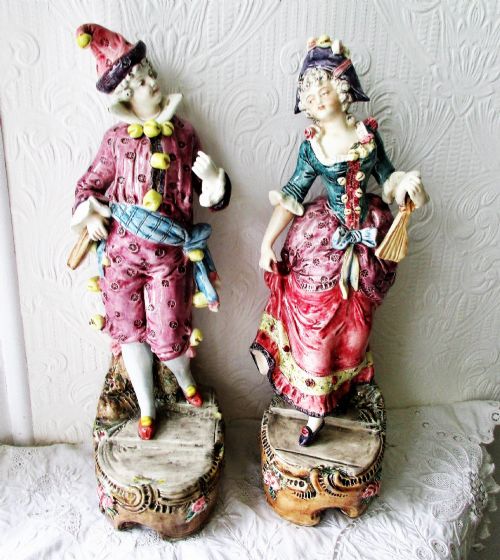
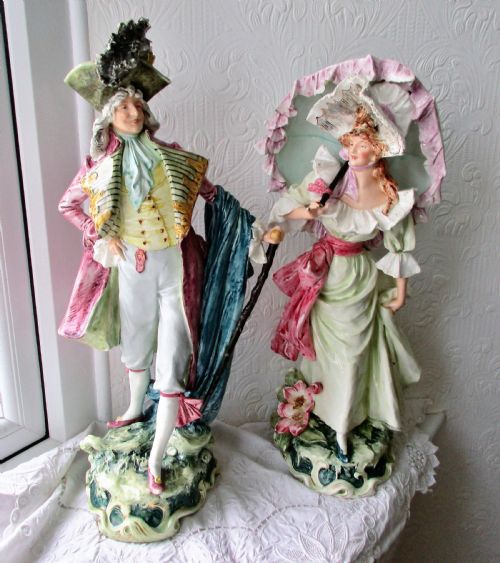
A French glazed figurine encompasses a diverse range of decorative ceramic and porcelain sculptures spanning several distinct historical periods. Buyers seeking these items will encounter everything from eighteenth-century soft-paste groups to twentieth-century Art Deco animals and figures.
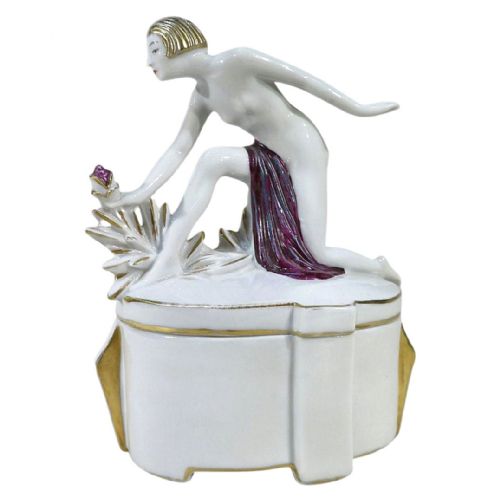
Nineteenth-century and 1930s examples dominate the available offerings, reflecting both traditional Rococo revival tastes and the modernist design shifts of the interwar years. These pieces serve primarily as decorative accents or vanity table accessories.
Materials and production methods
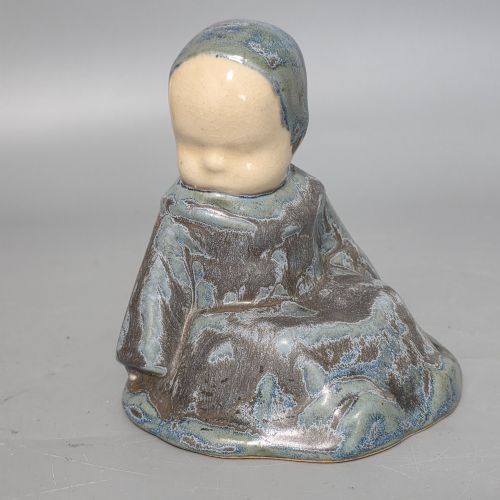
Maker workshops utilised various earthenbases, ranging from traditional soft-paste porcelain and stoneware to earthenware and faience. Artisans shaped these ceramic bodies by hand or in moulds before applying colourful surface treatments.
Glossy and opaque glazes provided both protection and aesthetic depth, often complemented by hand-painted enamel details. Certain twentieth-century pieces incorporate alternative elements such as inset glass eyes to enhance their realism.
French Glazed Figurine Retail Price Guide 2026
Typical asking prices for french glazed figurine among the pieces listed under this phrase on Sellingantiques today, from the lower quarter to the upper quarter. They describe what is for sale here now, not the wider market.
Listings incorporate diverse materials including earthenware, faience, glass, enamel, and porcelain across multiple centuries.
Quality variations across the range
Control over the kiln firing and glaze application also separates fine work from basic production. Even glaze coverage, precise enamel work, and well-preserved surface details indicate higher craftsmanship during manufacture.
Vion & Baury·Berthe Savigny·Le Manceau·Limoges
The French Glazed Figurine Glossary
- Faience
- Tin-glazed earthenware produced in France and other European regions. It provides an opaque white surface suitable for painted enamel decoration.
- Bisque
- Unglazed porcelain that has been fired once, valued for its matte, marble-like texture. This finish is frequently observed on classical portrait busts and nineteenth-century figures.
- Soft-paste
- An artificial porcelain composition fired at lower temperatures than hard-paste porcelain. Eighteenth-century French workshops utilised this material for translucent sculptural groups.
- Bonbonniere
- A small decorative container designed to hold sweets or confectionery. Many examples double as figural table ornaments or powder boxes.
French Glazed Figurine: Frequently Asked Questions
How do I identify a 1930s piece?
Twentieth-century items typically display stylised geometries, simplified animal forms, or distinct powder box lid designs associated with the interwar period. Look for modernist silhouettes that depart entirely from earlier revival aesthetics.
Material finishes and colour palettes from this era also tend to reflect contemporary design trends rather than historical imitation.
What is a veilleuses lamp?
A veilleuses is a type of night light or food warmer popular in France during past centuries. These ceramic or porcelain assemblies often incorporate a figural housing enclosing a small heat source.
They combined practical bedside illumination with decorative sculptural appeal.
Where were faience figurines made?
Faience production centres were distributed across various French regions, including traditional pottery towns like Quimper. Each workshop developed distinct regional styles and painting techniques.
These local methods help historians trace the geographic origin of individual glazed sculptures.
How should I display porcelain figures?
Place these glazed sculptures on stable surfaces away from high-traffic edges where accidental knocks might occur. Stable shelving inside cabinets or on secure mantelpieces protects them from daily wear.
Ensure they avoid prolonged direct sunlight to protect any delicate hand-painted enamel colours.