





French Glass Scent Flacon
A french glass scent flacon brings together delicate glassware and portable luxury from the nineteenth and twentieth centuries.
French Glass Scent Flacon
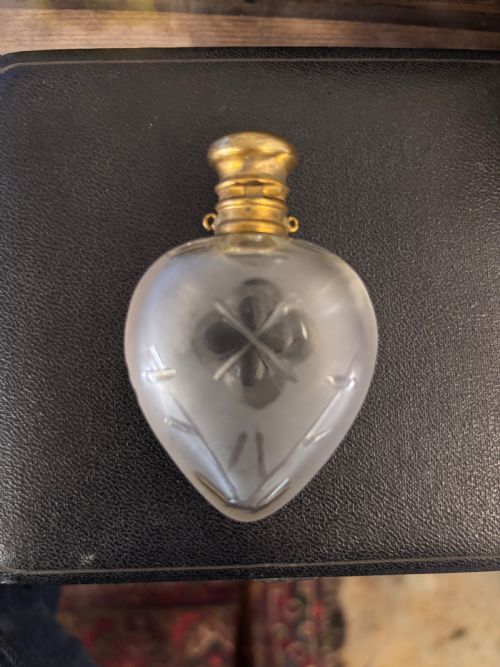
A french glass scent flacon is a small container designed to hold perfume, appearing in forms such as perfume bottles and scent bottles. These pieces span from the 1800s and Victorian eras through the 1930s, encompassing styles like Art Deco, Art Nouveau, and French Second Empire.
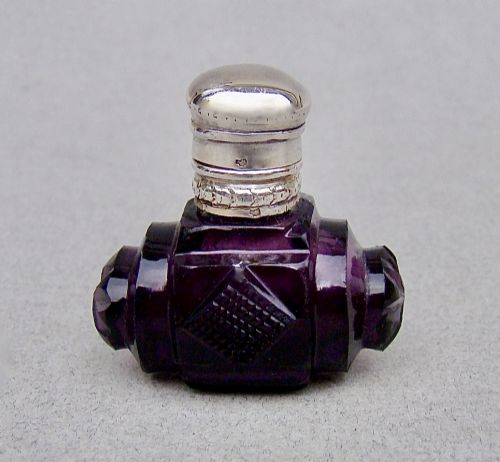
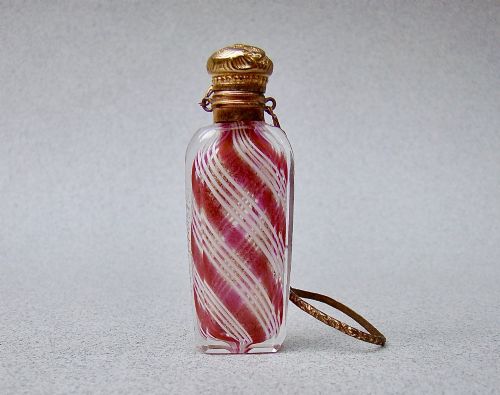
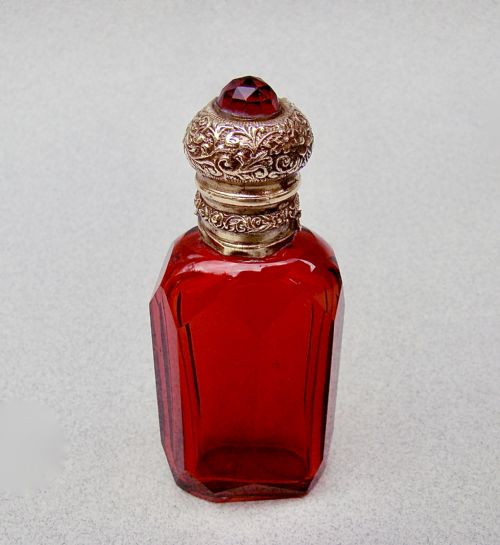
The version most commonly met on this page is the nineteenth century or early twentieth century bottle, often combining glass with silver mounts, ormulu, or detailed stoppers. They range from cranberry and ruby glass to opalescent and frosted finishes.
Materials and construction
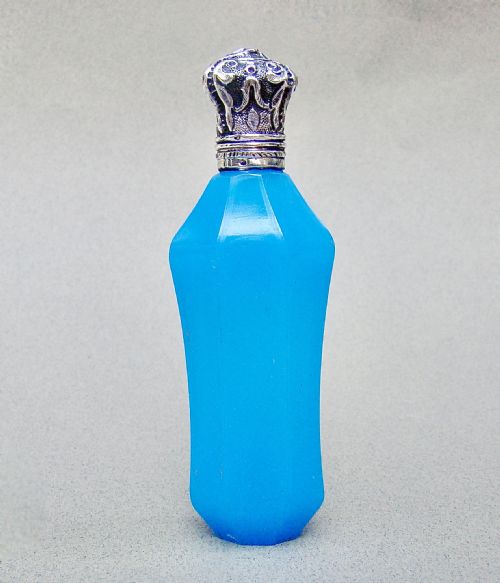
Makers utilised various forms of glass, including opaline glass, blue stained glass, cased glass with blue overlay, lead crystal, pressed glass, and frosted glass. These bodies were frequently paired with metalwork mounts in silver or ormulu, or enhanced with gilding.
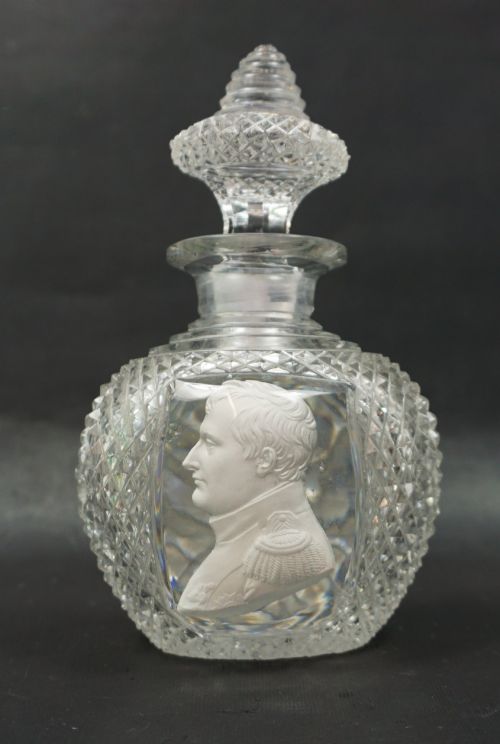
Techniques ranged from sulphide portraits encased in crystal to moulded reliefs seen in Art Deco designs. Pieces might also feature specialised treatments like clichy glass or distinct coloured overlays.
French Glass Scent Flacon Retail Price Guide 2026
Typical asking prices for french glass scent flacon among the pieces listed under this phrase on Sellingantiques today, from the lower quarter to the upper quarter. They describe what is for sale here now, not the wider market.
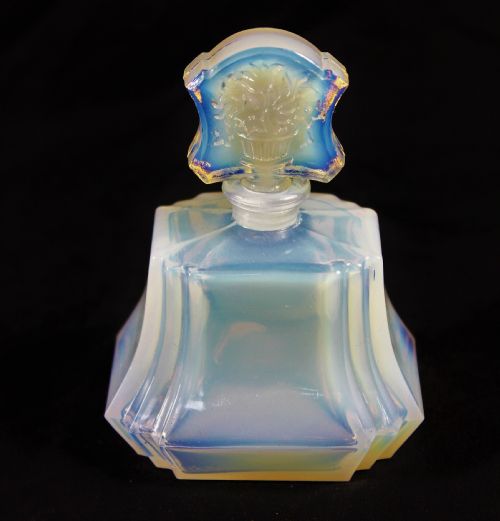
The listings span multiple decades, incorporating Victorian pieces alongside 1930s Art Deco opalescent glass.
Judging quality
Quality rests in the precision of the glasswork and the integration of metal mounts. Finer examples display crisp moulding, sophisticated colour layering, or clear sulphide details rather than simple pressed execution.
The distinction between standard production and superior output also lies in the artistry of the stopper and the weight of the crystal or glass body.
Rene Lalique·Sabino
The French Glass Scent Flacon Glossary
- Opalescent glass
- Glass showing milky, iridescent hues that shift in the light. This effect is typical in Art Deco pieces.
- Ormulu
- Gilt bronze mounted onto decorative objects. It provides a metallic contrast to coloured glass.
- Sulphide
- A small white cameo plaque embedded inside crystal. Portraits of historical figures frequently appear in this medium.
- Clichy glass
- Glasswork associated with nineteenth-century French production methods. It often involves distinctive coloration and layering.
- Cased glass
- Glass formed of multiple distinct layers of different colours. The outer layer is sometimes cut away to reveal the hue beneath.
French Glass Scent Flacon: Frequently Asked Questions
How do I date a french glass scent flacon?
Dating relies on stylistic markers such as the geometric lines of Art Deco or the florid details of the nineteenth century. Material choices, maker signatures, and mount styles also help place the piece in a specific decade.
Examination of the base and the stopper manufacturing technique provides further clues to the period of origin.
What is opalescent glass?
Opalescent glass has a semi-translucent quality that catches light with milky or bluish tones. It became particularly popular during the Art Deco period for decorative vessels.
This optical effect is achieved through the chemical composition of the glass melt during production.
How should I display my scent bottles?
These pieces benefit from placement on mirrored trays or near natural light to highlight the transparency and colour of the glass. Stable surfaces away from edge hazards protect the delicate forms.
Grouping bottles of differing heights and periods creates an effective visual arrangement on a dressing table.