

French Glass Ceiling Pendant
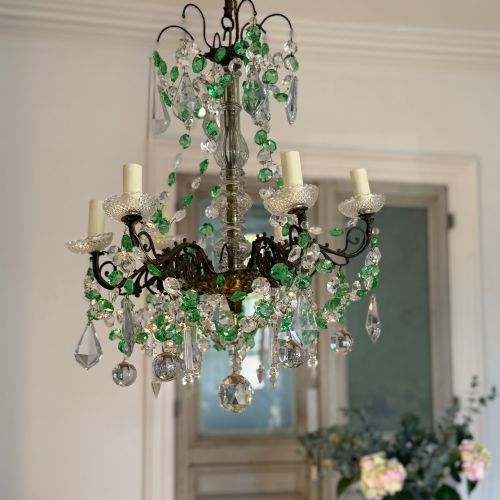
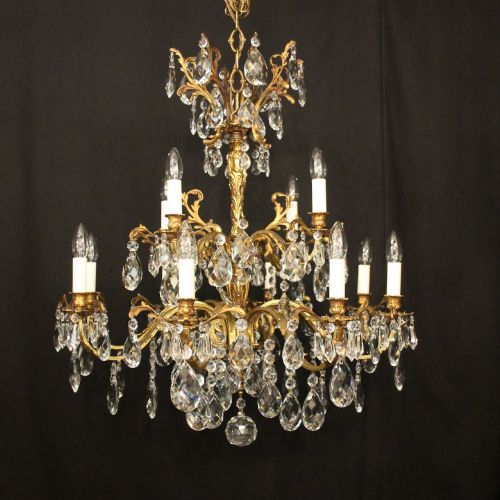
These french glass ceiling pendant fixtures bring a bright, historic presence to a room through cut crystals and gilded metal.
French Glass Ceiling Pendant
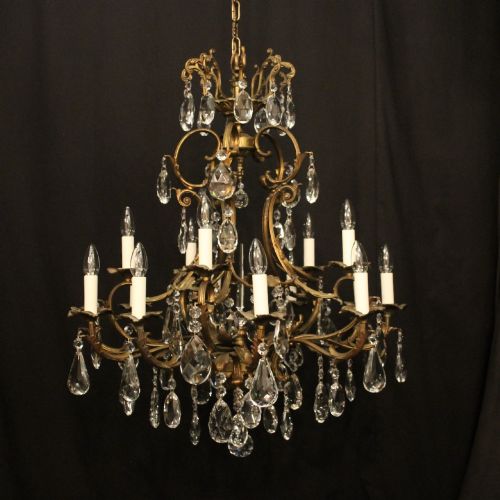
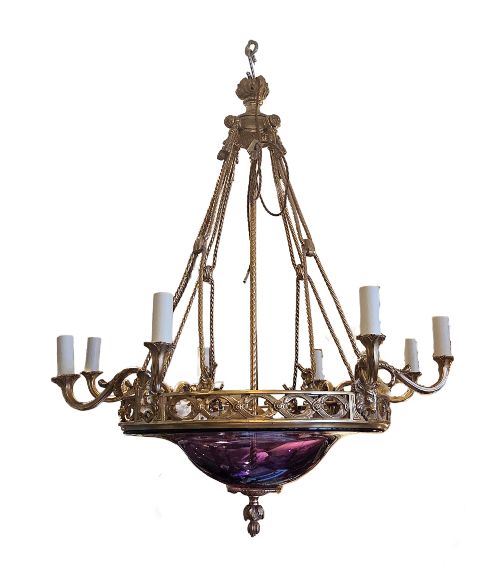
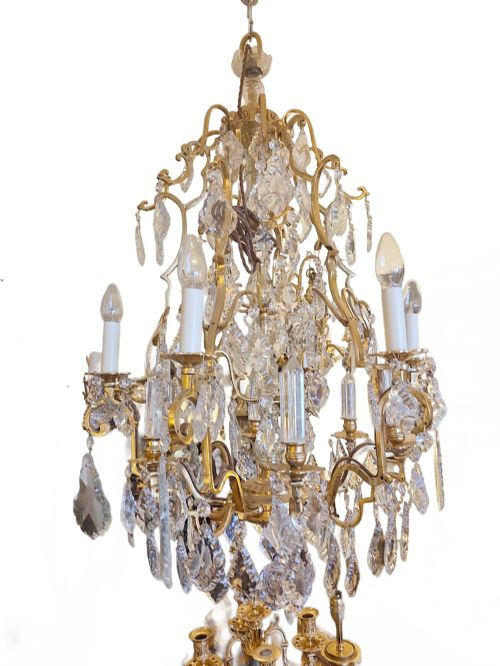
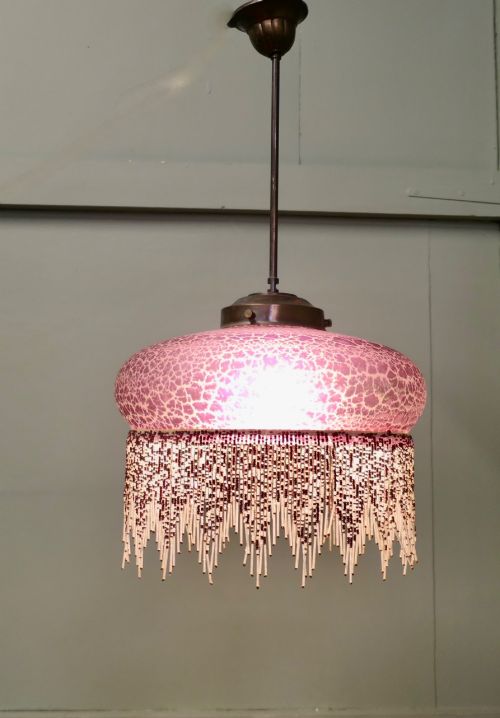
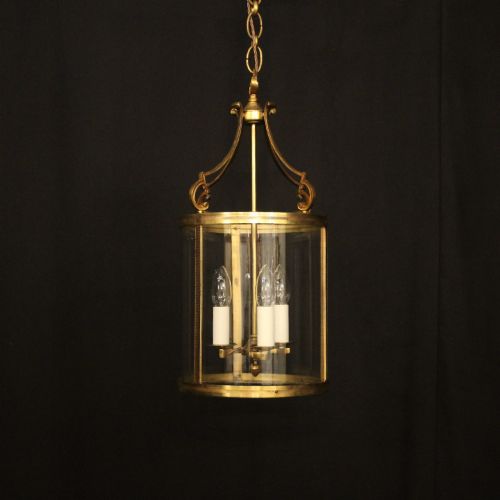
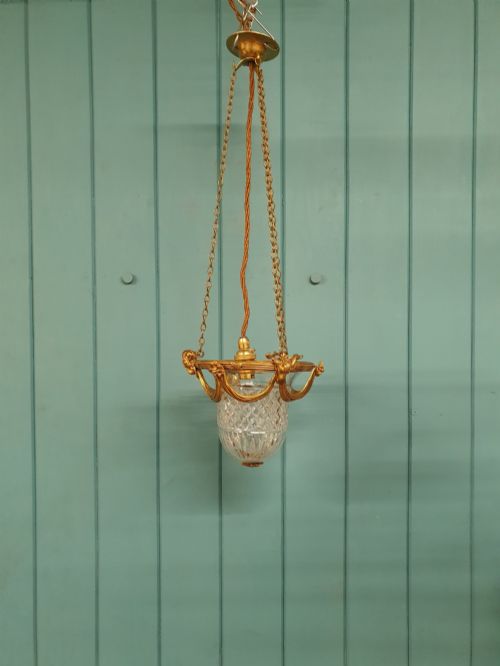
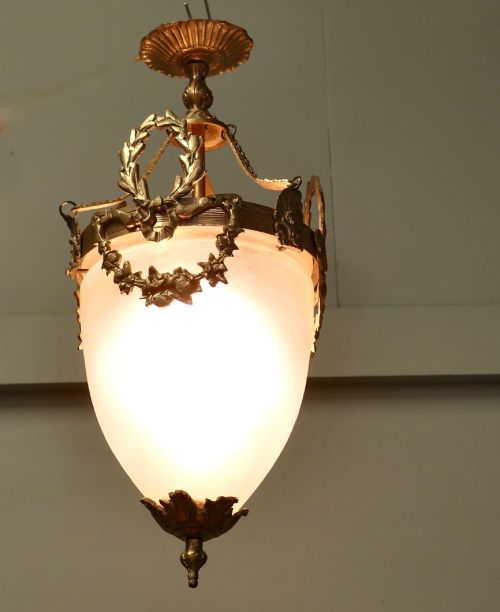
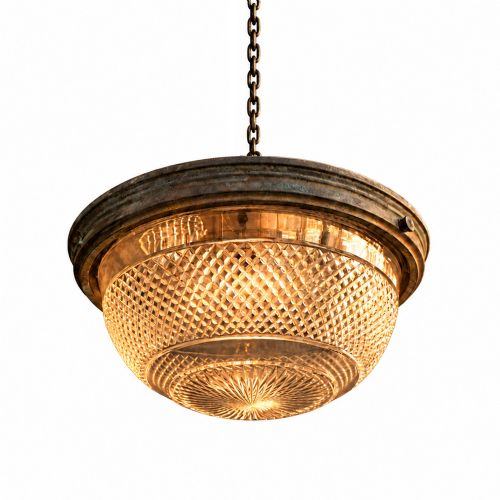
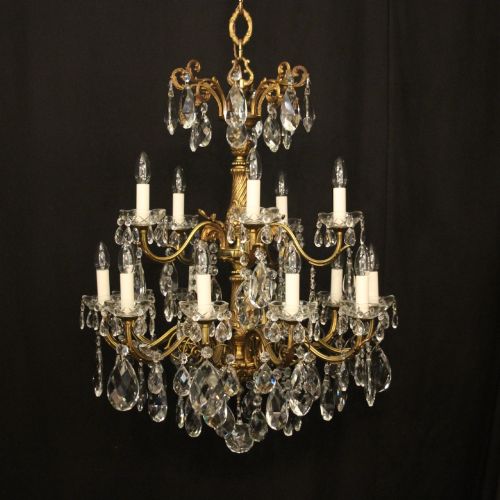
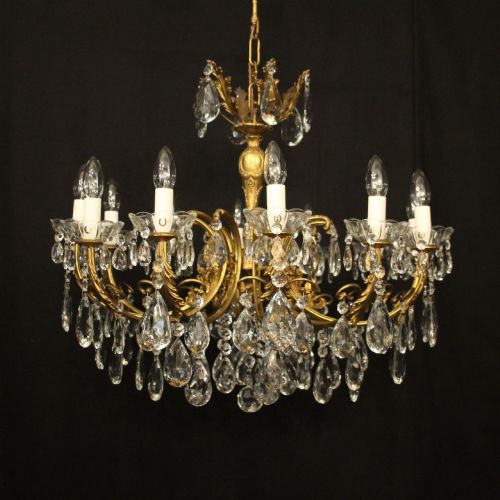
A french glass ceiling pendant incorporates hanging lighting forms such as chandeliers, hall lanterns, and plafonniers designed to mount directly near the ceiling or suspend on short drops. These pieces emerge from periods spanning the nineteenth century through the nineteen-fifties, drawing on styles like Art Deco, French Empire, and French Rococo Revival.
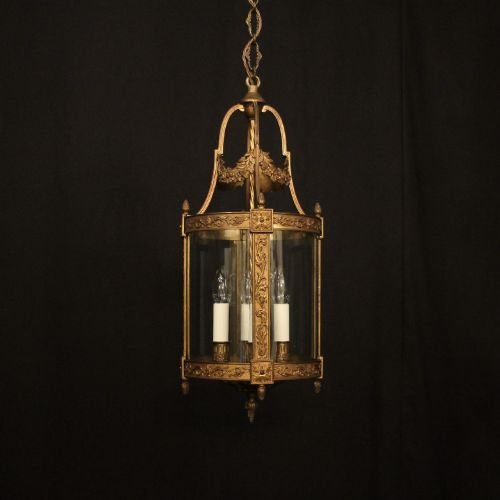
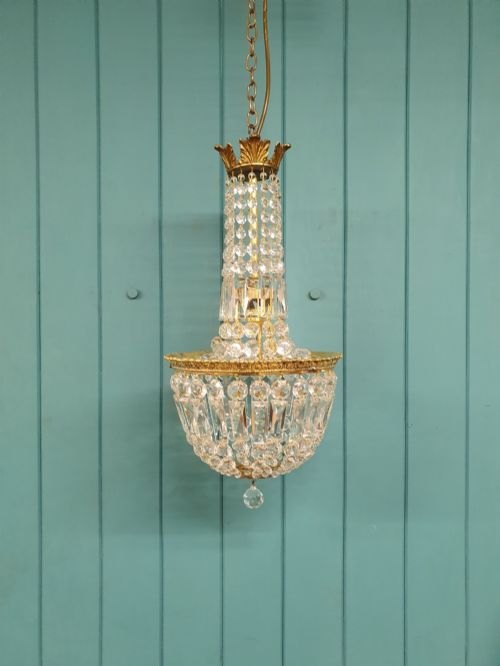
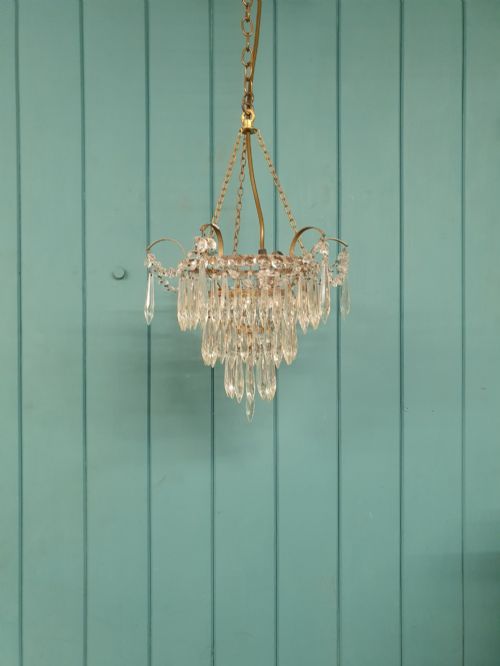
The most common examples on this page date from the nineteen-twenties and nineteen-thirties, typically constructed as multi-light chandeliers or compact bag chandeliers ornamented with glass drops. Buyers encounter smaller hall lanterns and dome-top designs alongside grander multi-arm fixtures featuring extensive crystal cascades.
Materials and Construction
The structural frames rely on brass, gilt bronze, gilt metal, and gilded brass, providing robust skeletons that support heavy arrangements of glass and crystal. Artisans shaped these metals through casting and gilt finishing to create ornate, reflective surfaces.
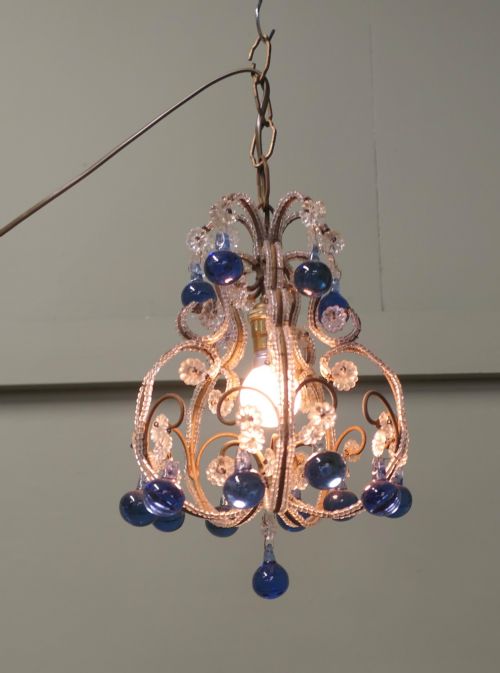
Prisms, drops, beads, and shades are formed from clear, amber, pink, cobalt, and white glass or cut crystal. These glass elements are wired or pinned directly into the metal armature, creating dense tiers of light refraction.
French Glass Ceiling Pendant Retail Price Guide 2026
Typical asking prices for french glass ceiling pendant among the pieces listed under this phrase on Sellingantiques today, from the lower quarter to the upper quarter. They describe what is for sale here now, not the wider market.
Listings span periods from the nineteenth century through the nineteen-fifties, incorporating brass, crystal, cut glass, and gilt bronze materials.
Assessing Quality and Craftsmanship
Quality rests in the precision of the metal casting and the clarity of the glass elements. Finer pieces display crisp chasing on gilt bronze or ormolu mounts, whereas simpler iterations utilise plain brass or gilded metal frames.
The grade of the glass components determines how light disperses across the room. Hand-cut crystal drops with sharp facets create distinct light refraction compared to simpler moulded glass shades or plain pressed drops.
Maison Jansen·Andre Arbus
The French Glass Ceiling Pendant Glossary
- Bag chandelier
- A lighting fixture featuring a flattened or rounded base packed closely with glass drops, tapering toward the ceiling fitting. This compact form gained popularity during the early twentieth century for lower ceiling heights.
- Plafonnier
- A shallow bowl-shaped ceiling light mounted flush or semi-flush against the ceiling surface. These fixtures often utilise large moulded or cut glass panels held in metal frames.
- Hall lantern
- An enclosed hanging light designed for corridors and entranceways, typically framed in brass, bronze, or copper with glass panes. Early twentieth-century examples often feature convex or multi-sided glass panels.
- Tent and waterfall
- A chandelier style characterised by an upper canopy of strung crystal beads forming a tent shape, descending into cascading vertical strands of drops. This configuration maximises the reflective surface area of the glass.
- Ormolu
- Gilded bronze mounts applied to furniture and lighting fixtures, offering a warm golden finish. Nineteenth-century examples demonstrate deep hand-chasing on the bronze substrate.
French Glass Ceiling Pendant: Frequently Asked Questions
How do I hang a heavy crystal pendant safely?
Suspension requires fixing directly into ceiling joists using a rated ceiling hook capable of supporting the combined weight of the metal frame and glass components.
Professional electrical installation ensures the internal wiring matches domestic standards and safely handles the multi-bulb layout typical of these fixtures.
What rooms suit a french glass ceiling pendant?
Compact bag chandeliers and small hall lanterns work well in hallways, cloakrooms, and bedrooms with limited vertical clearance. Larger multi-arm fixtures suit high-ceilinged reception rooms and dining spaces where they serve as a central focal point.
Lower ceilings benefit from flush-mounted plafonniers or short-drop pendants that provide ample illumination without obstructing movement.
How do I clean historic glass chandeliers?
Routine maintenance involves dusting the glass drops and metal frame in situ using a soft feather duster or specialised microfibre wand. For thorough cleaning, individual crystal drops can be removed, washed in warm soapy water, dried, and reattached.
Harsh chemical cleaners should remain away from gilded surfaces and antique brass to protect the patination and metal finishes.
How can I distinguish Edwardian pendants from later pieces?
Edwardian and early twentieth-century examples often feature specific drop cuts, such as spear points and detailed brass or gilt metal cages. Later mid-century iterations lean toward streamlined frames influenced by Art Deco and modernist design principles.
Examining the wiring channels, pin fixings, and metal patination helps confirm the period of manufacture.