





Beaded Fringe Light Shade
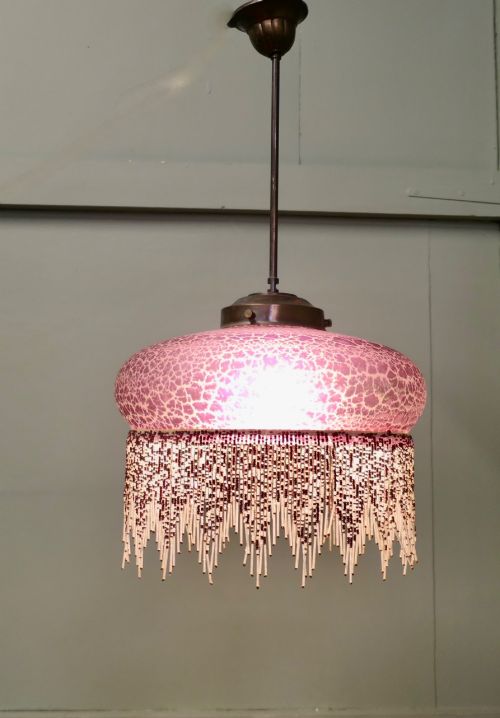
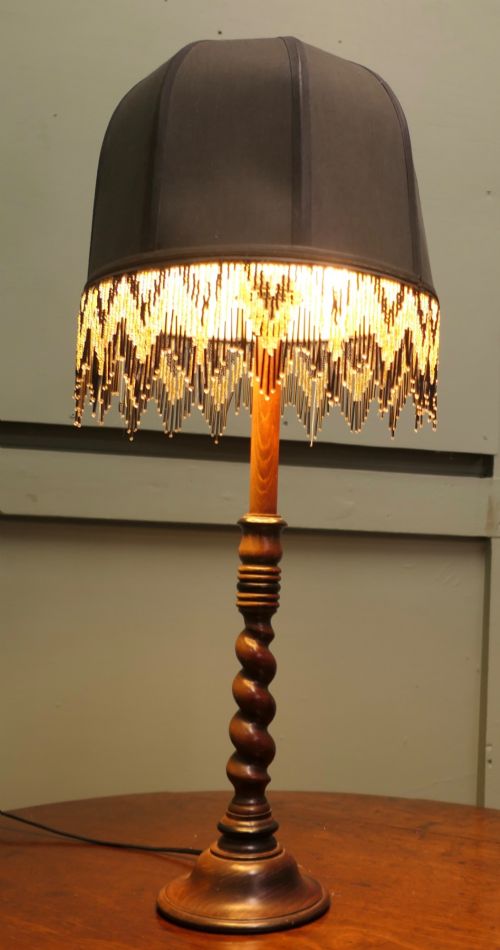
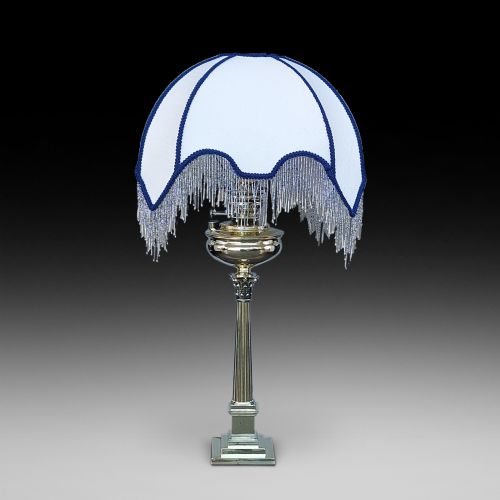
These beaded fringe light shade options offer the distinctive texture and soft illumination characteristic of early lighting designs, bringing historic character into a room.
Beaded Fringe Light Shade
When searching for a beaded fringe light shade, a buyer encounters a selection of lighting accessories and fitted lamps dating from the nineteenth and early twentieth centuries. The pieces on this page combine period illumination forms with textile and glass elements.
The most common formats on this page include table lamps, pendant lights, and converted oil lamps spanning periods from the Victorian era through to the 1920s. These pieces often incorporate styles such as French Art Deco, Arts and Crafts, and neoclassical revivals.
The selection reflects diverse material combinations typical of late nineteenth and early twentieth-century manufacture, uniting metal structures with decorative shades. Buyers find both complete lamp assemblies and specific lighting configurations from these historical decades.
How they were made
Makers constructed these pieces using metals such as brass, bronze, silver plate, and gilded spelter to form durable structural columns and bases. Wood and porcelain also appear within the listed pieces to shape bodies and decorative mounts.
Shades and decorative elements utilise glass, frosted glass, fabric, silk, and glass beads to diffuse light and create ornate visual textures. Craftspeople assembled these components by turning wood, casting metal, and working textiles by hand.
Beaded Fringe Light Shade Retail Price Guide 2026
Typical asking prices for beaded fringe light shade among the pieces listed under this phrase on Sellingantiques today, from the lower quarter to the upper quarter. They describe what is for sale here now, not the wider market.
Listings feature items spanning the 19th Century, Victorian era, 1890, 1900, 1910, and 1920 periods.
What varies in quality
Quality across these items depends on the precision of metal casting and the intricacy of turned wooden components. Finer examples display clean details in neoclassical columns and figural elements like cherubs.
The sophistication of the shade construction, including the uniform suspension of glass beads and the selection of fabric or frosted glass, dictates the visual refinement of the piece. Materials such as heavy bronze or finely finished brass distinguish superior examples from standard production.
The Beaded Fringe Light Shade Glossary
- Corinthian column
- A classical architectural column form featuring ornate acanthus leaves on the capital, frequently utilised for nineteenth-century metal table and oil lamps.
- Spelter
- An alloy of zinc and lead used as a base metal for cast decorative objects and lamp bases, often given a gilt finish.
- Toleware
- Painted or lacquered metalware popular for decorative items and lighting components during the nineteenth and early twentieth centuries.
- Barley twist
- A type of woodworking technique producing a spiral turn resembling barley sugar, seen on period table lamp stands.
- Frosted glass
- Glass treated to impart a translucent surface that diffuses light softly, commonly found on period shades.
Beaded Fringe Light Shade: Frequently Asked Questions
What periods do these lamps come from?
The listings on this page span from the late nineteenth century, including the Victorian era and the 1890s, through to the early decades of the twentieth century up to the 1920s and 1930s.
Buyers will find specific design movements represented within this timeframe, such as French Art Deco and Arts and Crafts.
How were these lamps originally used?
Many of these pieces functioned as domestic lighting in parlours and reading rooms, utilising oil or early electricity.
Converted pieces on this page began as oil lamps or decorative statuettes before being adapted for modern electrical use.
How do I clean a beaded fringe light shade?
Cleaning requires careful dusting with a soft brush to protect fragile glass beads and delicate fabric or silk elements.
Harsh chemical cleaners must be avoided on metal bases such as brass, bronze, and silver plate to preserve their historical finish.
How do I identify a Victorian lamp?
Victorian pieces often display revival styles such as neoclassical columns or ornate brass structures characteristic of the late nineteenth century.
Examining the metal casting quality and the construction methods helps differentiate these nineteenth-century items from later 1920s productions.