



French Gilt Vanity Bottles
French gilt vanity bottles bring dressing table elegance to life, combining precious metals and glass in pieces made to hold scent and cosmetics.
French Gilt Vanity Bottles
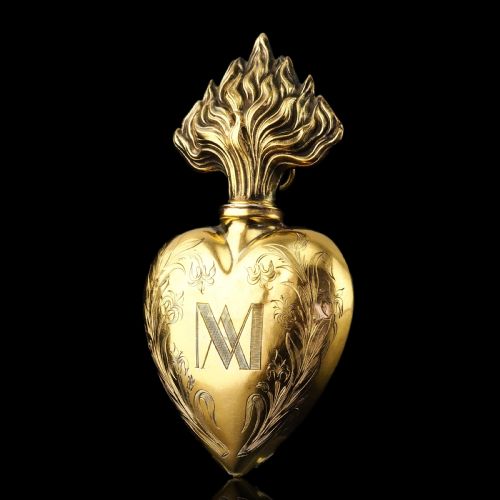
French gilt vanity bottles encompass scent bottles, perfume atomisers, and fitted caskets designed for the dressing room. These items date primarily from the nineteenth century through the early decades of the twentieth century, capturing periods from the Charles X era to Art Deco.
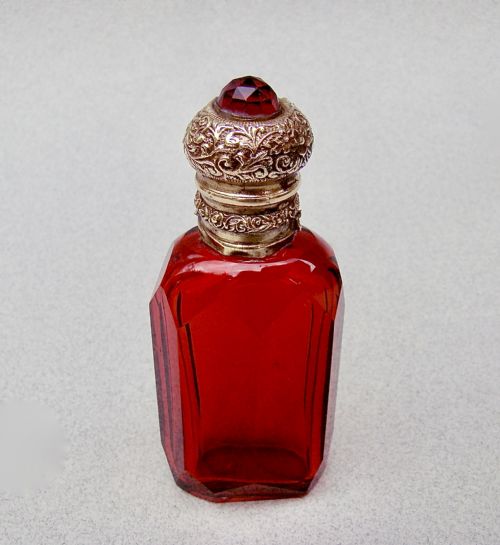
The pieces on this page include ruby glass flasks with ormolu mounts, sterling silver and guilloche enamel bottles, and cylindrical etuis with engine turned designs. Buyers encounter both individual scent bottles and matching pairs alongside leather dome-topped caskets.
How they were made
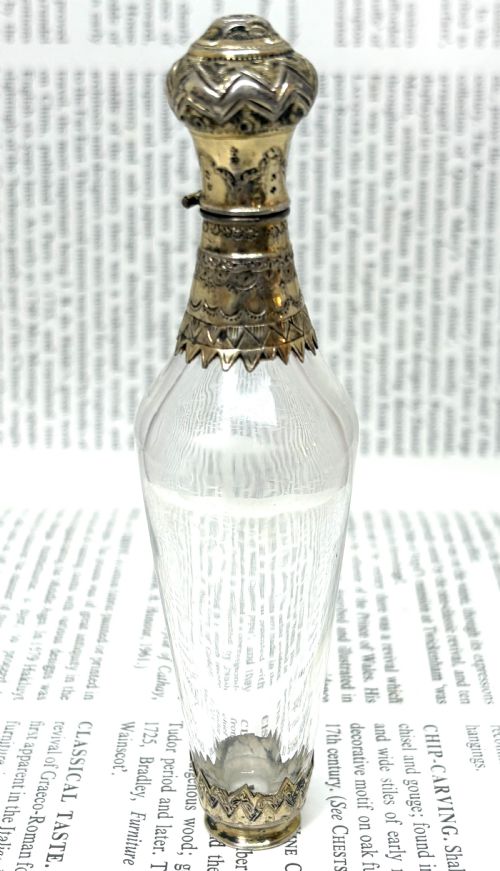
Makers shaped glass through cutting and moulding, often utilising ruby glass or clear crystal as a base for metal mounts. These glass bodies are paired with silver gilt, sterling silver, vermeil, gilt metal, and brass work.
Surface decoration relies on gold leaf, embossing, and guilloche enamel with engine turned patterns. Metal mounts secure stoppers and provide structural frames for glass flasks and caskets.
French Gilt Vanity Bottles Retail Price Guide 2026
Typical asking prices for french gilt vanity bottles among the pieces listed under this phrase on Sellingantiques today, from the lower quarter to the upper quarter. They describe what is for sale here now, not the wider market.
The listings feature pieces spanning the 1800s to the 1920s, incorporating cut glass, sterling silver, vermeil, and brass.
What varies in quality
The distinction between standard examples and exceptional pieces rests upon the crispness of the metal chasing and the precision of the guilloche enamel work. Heavier gauge silver gilt and solid silver mounts indicate superior manufacture compared to lighter gilt metal alternatives.
Design complexity also defines the range, from simple pressed glass flasks to intricate perfume caskets housing multiple bottles with fitted interiors. Maker attribution, such as signed René Lalique pieces, elevates the standing of an individual vanity bottle.
Tonnel Paris·René Lalique
The French Gilt Vanity Bottles Glossary
- Gilt metal
- Metal overlaid with a thin layer of gold or gold-coloured wash. It provides the decorative appearance of solid gold while using a base metal.
- Guilloche
- A decorative technique where a precise, intricate geometric pattern is mechanically engraved into metal. This surface is often covered with translucent enamel.
- Ormolu
- Finely ground high-carat gold applied to a bronze or brass base using mercury amalgamation or electroplating. It creates a rich, warm surface finish on nineteenth century mounts.
- Etui
- A small ornamental case used for holding needles, cosmetics, or small personal items. They appear in cylindrical forms with secure lids on dressing tables.
French Gilt Vanity Bottles: Frequently Asked Questions
What were french gilt vanity bottles used for?
These bottles held personal fragrances, smelling salts, and liquid cosmetics for daily toilette use. They sat upon dressing tables or travelled within fitted leather caskets.
Wealthy owners used them to store precious scents, while matching etuis contained small grooming implements or pills. Their decorative nature made them display pieces as well as practical containers.
How do I date a french gilt vanity bottle?
Dating relies upon stylistic markers, metal hallmarks, and manufacturing techniques characteristic of specific periods. Pieces from the Charles X era display distinct neoclassical influences, while later items embrace Belle Epoque or Art Deco geometry.
Enamelwork and glass colours also indicate the era of production. Ruby glass paired with heavy ormolu points toward the late nineteenth century, whereas guilloche enamel often signals early twentieth century work.
Are perfume atomisers different from scent bottles?
Perfume atomisers feature mechanical spray mechanisms designed to mist liquid fragrance rather than pour it. Scent bottles rely on stoppers fitted directly into the neck.
Atomisers became popular later in the period, often utilising glass bodies paired with metal hardware. Both forms served similar dressing table functions but operated through different dispensing methods.
How should I clean glass and gilt vanity bottles?
Gentle maintenance preserves the delicate gold leaf, enamel, and metal mounts found on these pieces. Water and harsh chemical polishes can damage gilt surfaces and fragile glass.
Dusting with a soft brush is usually sufficient for the exterior. If the interior requires cleaning, mild soap and warm water applied sparingly prevent moisture from compromising old seals and mounts.