

French Gilt Shelf
A french gilt shelf brings together gilded metal, carved wood, and porcelain to create decorative display space on a wall.
French Gilt Shelf
When you search for a french gilt shelf, you are looking at ornate wall brackets, etageres, and mirrors designed for display during the nineteenth century. These items emerge from periods such as the Victorian era, the 1850s, 1860s, and 1880s, reflecting historical revival movements.
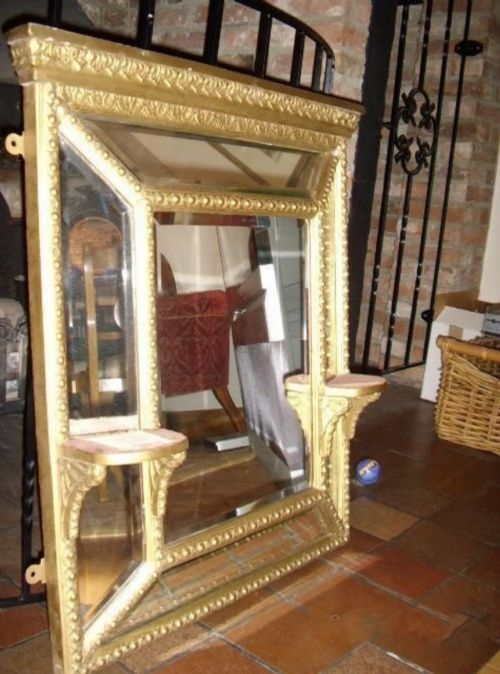
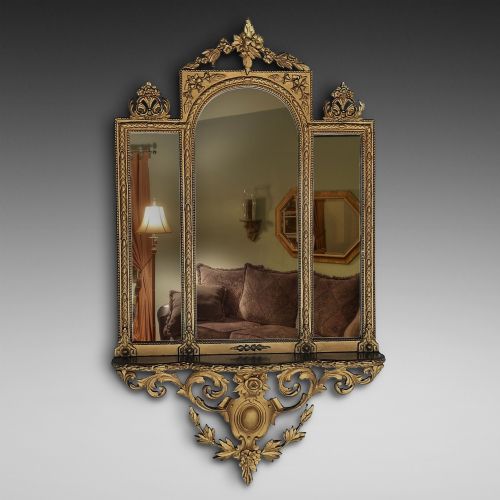
The versions you are most likely to meet on this page include carved giltwood wall brackets and mirrors fitted with display shelves. They draw on Rococo Revival, Louis XVI Style, and French Empire aesthetics, utilising gold-toned finishes to catch the light.
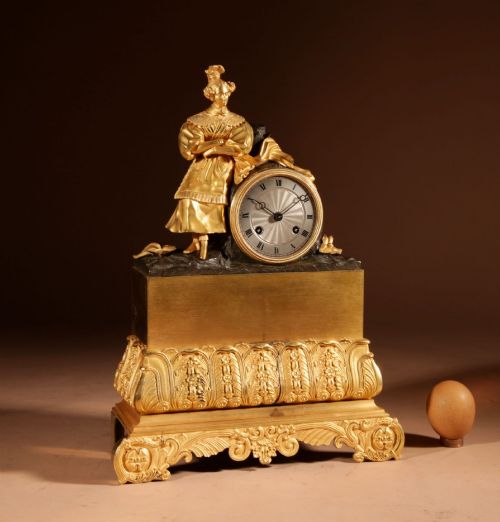
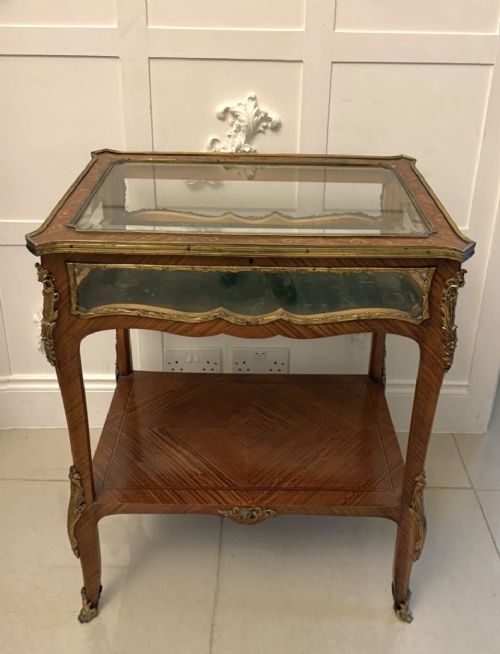
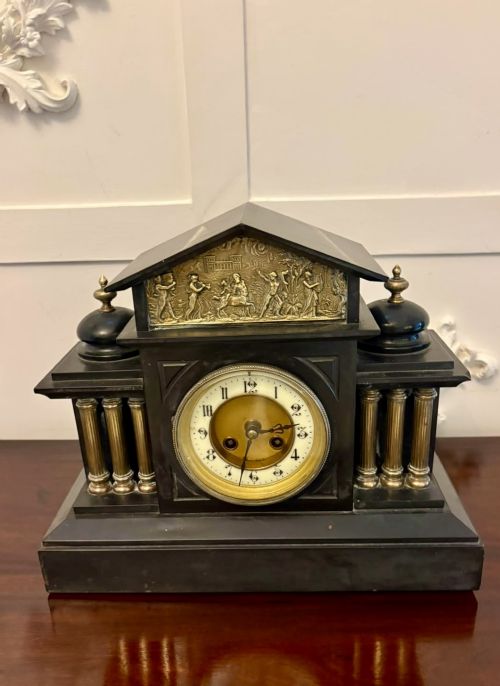
Makers often paired these shelves or brackets with clocks and console tables to unify a room scheme. The selection ranges from architectural wall fixtures to freestanding furniture incorporating gilt metal mounts.
How they were made
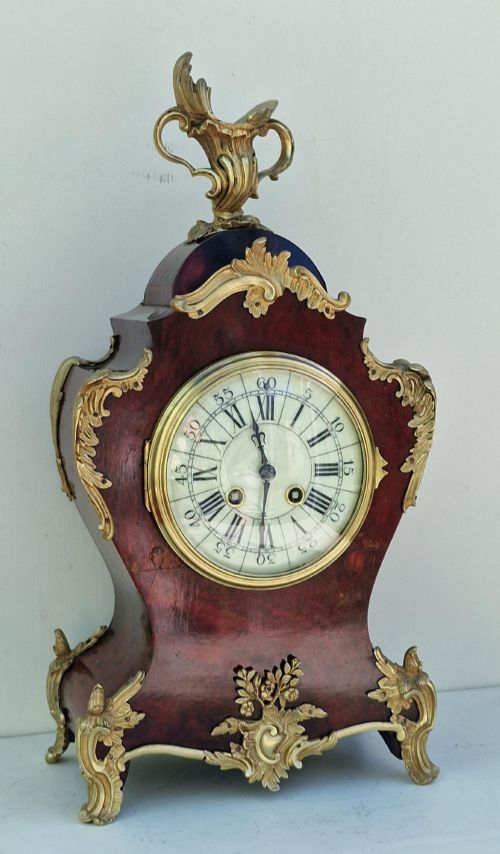
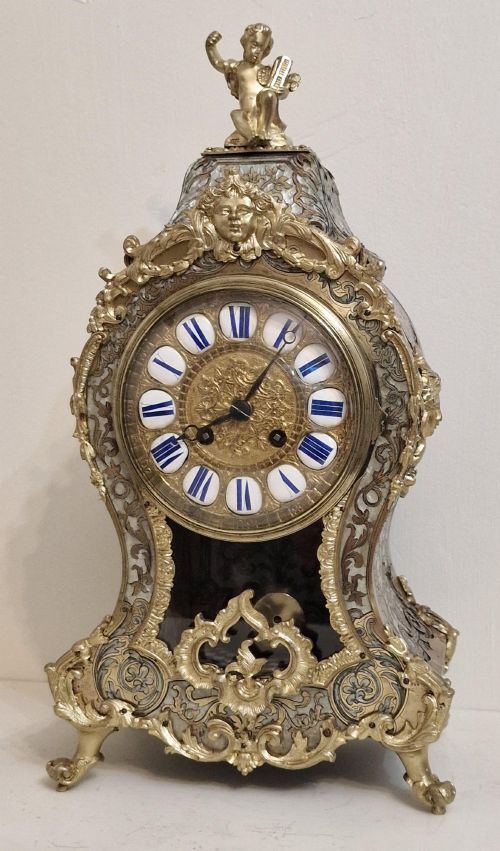
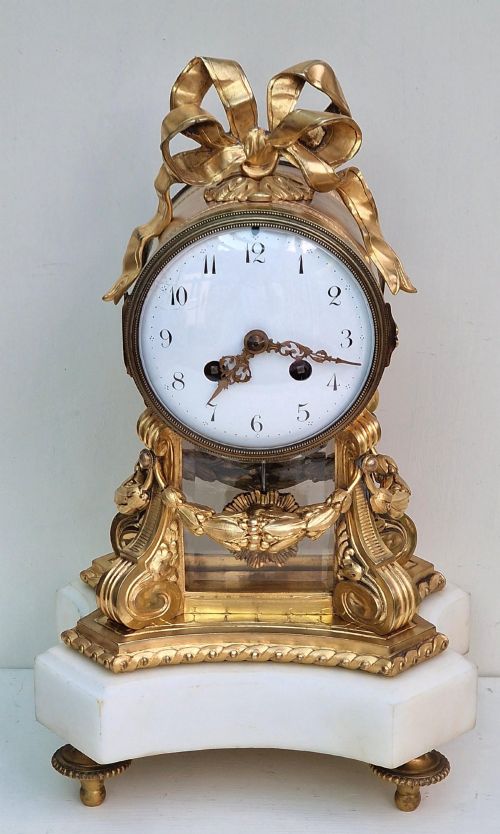
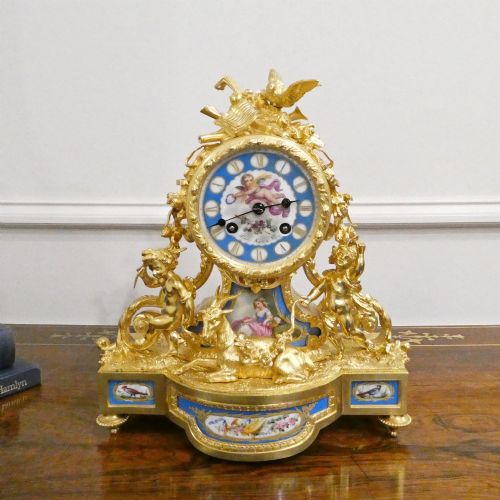
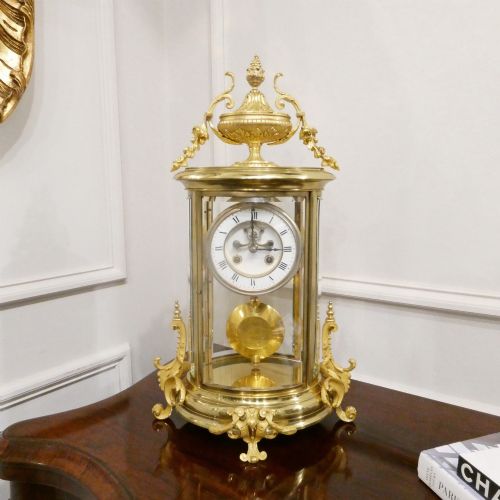
Craftsmen built these pieces using timber frames finished with gesso and carved giltwood to achieve a bright, gilded surface. Ormolu and gilt bronze provided durable, metallic ornamentation for mounts, brackets, and clock surrounds.
Many items incorporate porcelain panels, enamel details, and glass components set within the metal and wood frameworks. Natural materials like marble and green onyx frequently form the structural tops or bases of associated tables and clocks.
French Gilt Shelf Retail Price Guide 2026
Typical asking prices for french gilt shelf among the pieces listed under this phrase on Sellingantiques today, from the lower quarter to the upper quarter. They describe what is for sale here now, not the wider market.
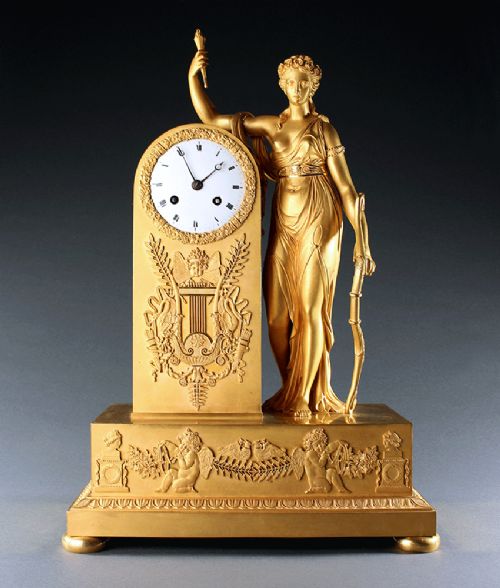
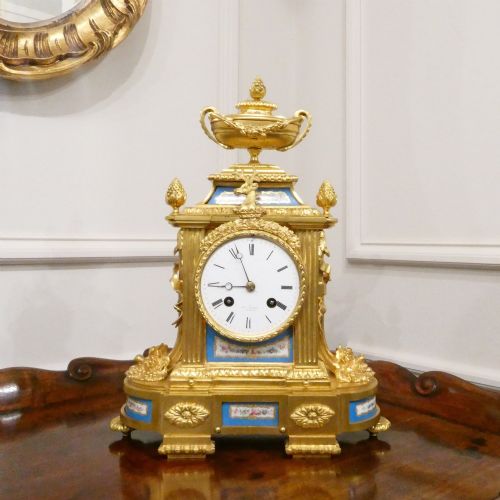
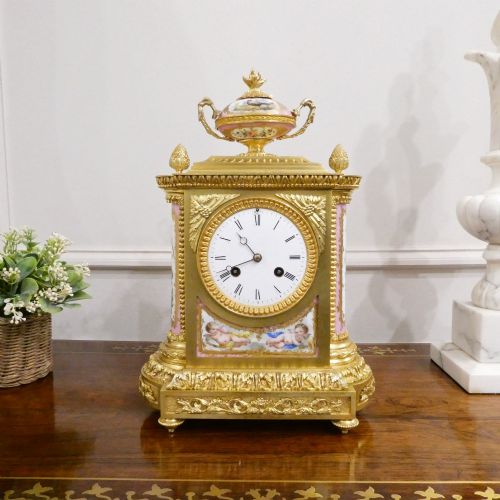
Several clock cases feature decorative putti lingering beside the dial.
What varies in quality
Quality rests in the depth of the carving and the crispness of the gilt bronze or ormolu casting. Finer pieces display intricate detail in the floral and figurative motifs rather than simplified, flat surfaces.
The integrity of the gilt finish and the retention of original porcelain panels or glass elements dictate the standing of an individual piece. Artisanal construction in the underlying wood or metal frame separates standard production from exceptional work.
Japy Freres·Jean-Baptiste Delettrez·Achille Brocot·Henry Marc·Samuel Marti·Howell And James·Etienne Lenoir
The French Gilt Shelf Glossary
- Ormolu
- Gilded bronze. This technique involves applying a finely ground high-carat gold-mercury amalgam to a bronze object.
- Giltwood
- Wood that has been treated with gesso and covered with thin gold leaf. It forms the basis of many decorative wall brackets.
- Bracket
- A supporting architectural member projecting from a wall. In this context, it functions as a small display shelf.
- Etagere
- A piece of furniture consisting of a set of open shelves for displaying small objects. They appear in various nineteenth-century styles.
- Champleve
- An enamelling technique where troughs are sunk into a metal surface and filled with vitreous enamel. It frequently decorates clock cases and mounts.
French Gilt Shelf: Frequently Asked Questions
What is a french gilt shelf?
A french gilt shelf typically refers to ornate wall brackets and display ledges finished in gold leaf or gilt metal. They originate predominantly from nineteenth-century France and Britain.
These pieces were built to showcase small decorative objects, porcelain, or clocks in formal reception rooms.
How were wall brackets used?
Wall brackets served as elevated platforms for decorative items, lifting them into the line of sight. They were mounted securely to walls in pairs or individually.
In Victorian interiors, they often accompanied wall mirrors to create coordinated display areas.
What materials did makers use?
Makers utilised carved wood finished with gesso and gold leaf, alongside cast bronze and brass. Ormolu mounts provided a bright, durable metallic surface.
Porcelain panels, enamel dials, and marble tops frequently complemented the gilded framework.
How do I date these pieces?
Dating relies on stylistic clues, construction methods, and materials associated with specific decades. Pieces reflect nineteenth-century revivals such as Louis XVI Style and Rococo Revival.
Maker signatures on movements or bronze mounts can also narrow down the manufacturing period.