

French Gilt Pendant
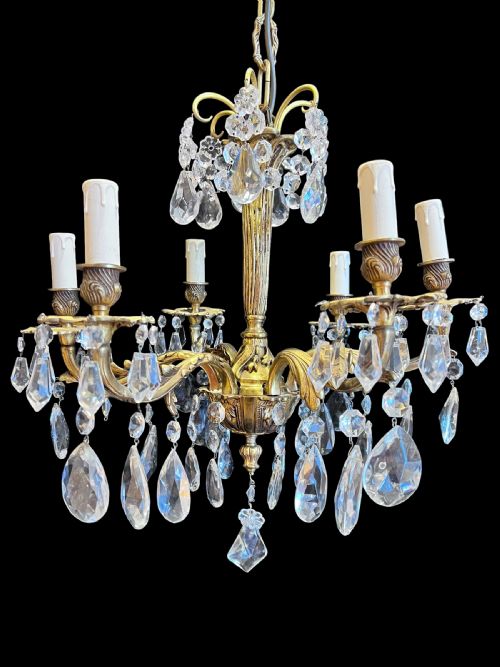
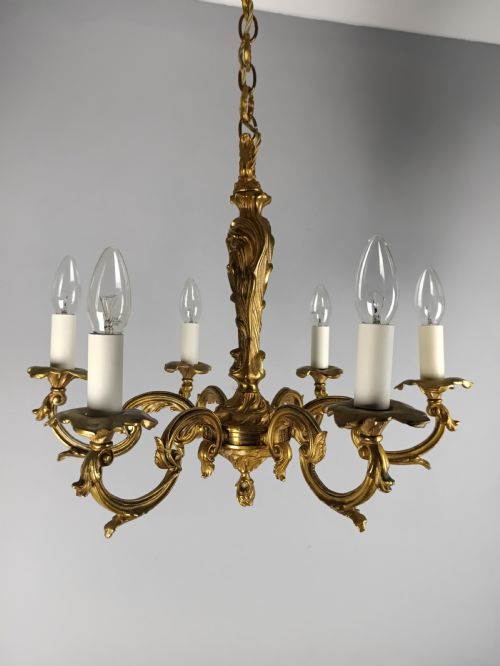
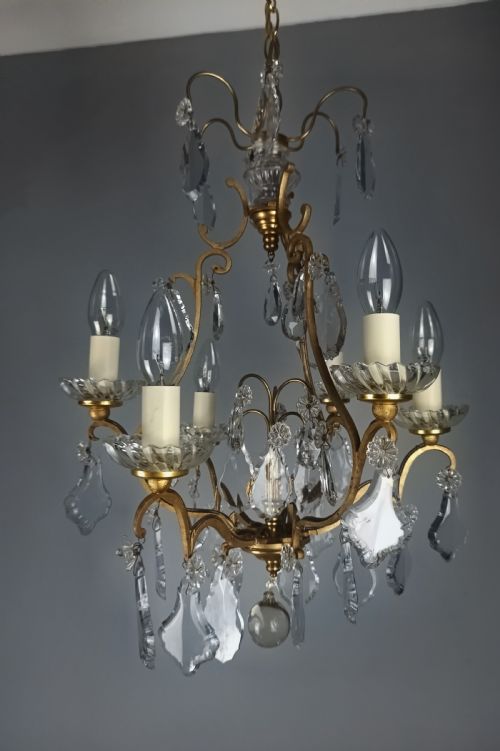
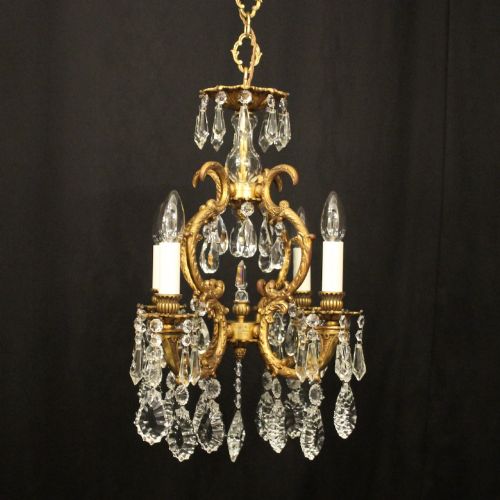
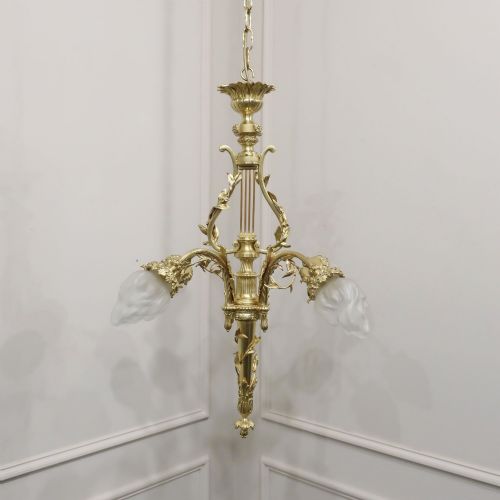
A french gilt pendant brings warm, reflective light and classic European style to a room.
French Gilt Pendant
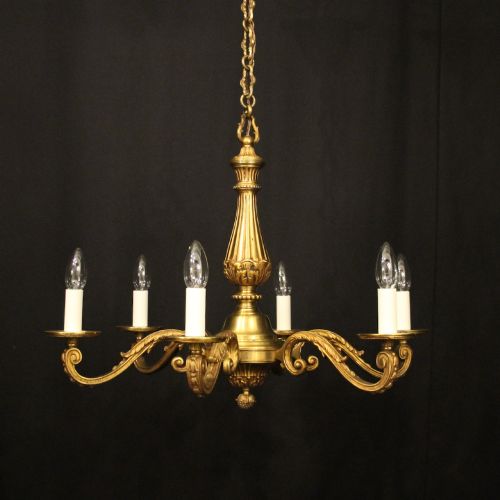
Most examples originate from the early decades of the twentieth century or the nineteenth century, spanning periods such as the Edwardian era. You meet pieces showing styles like French Neoclassical, French Empire, and French Rococo Revival.
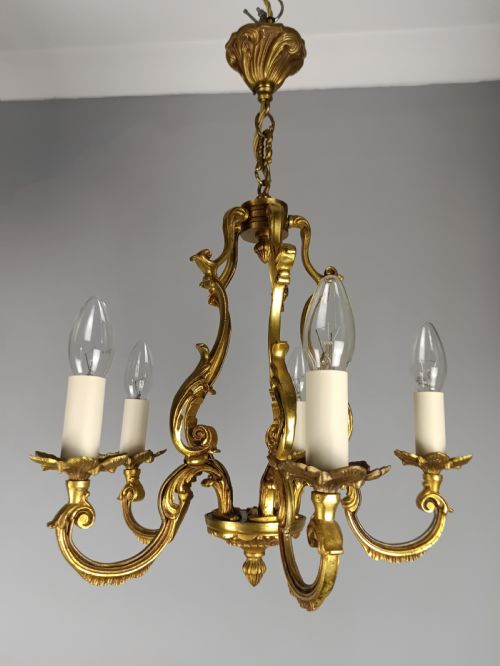
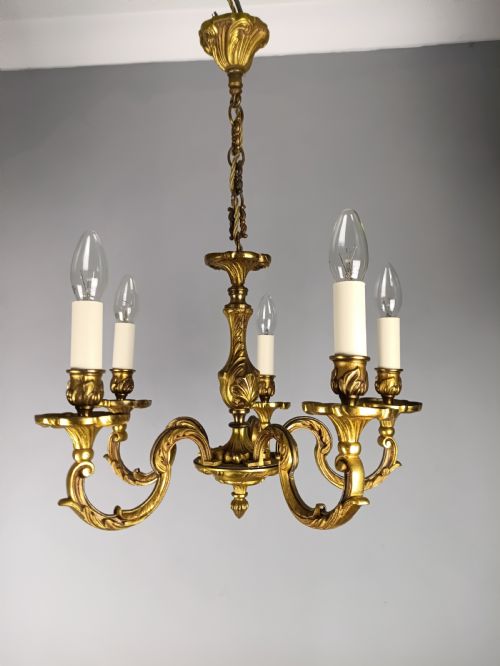
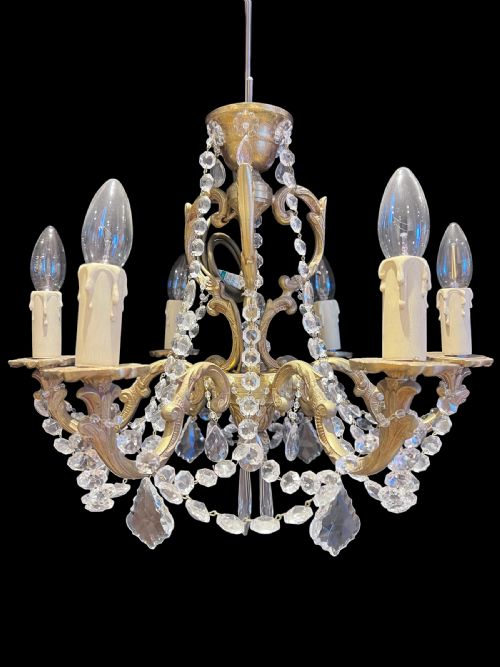
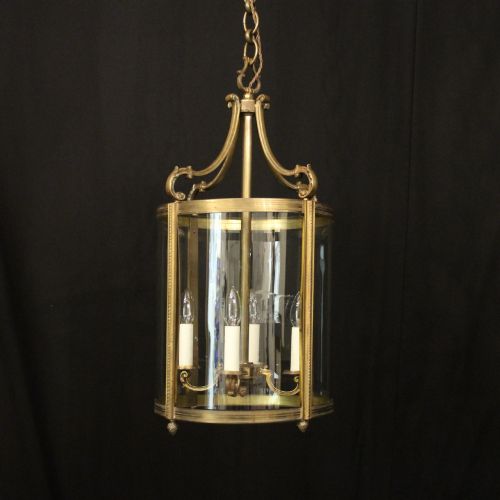
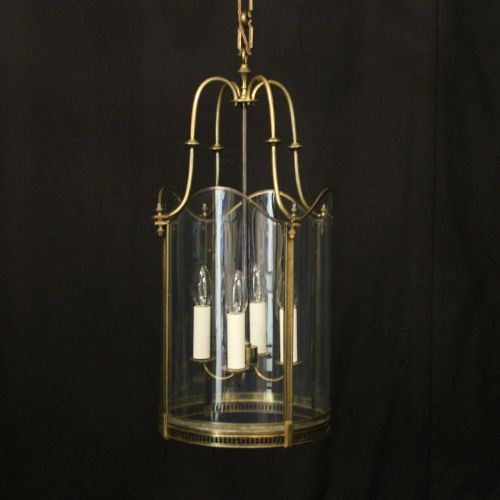
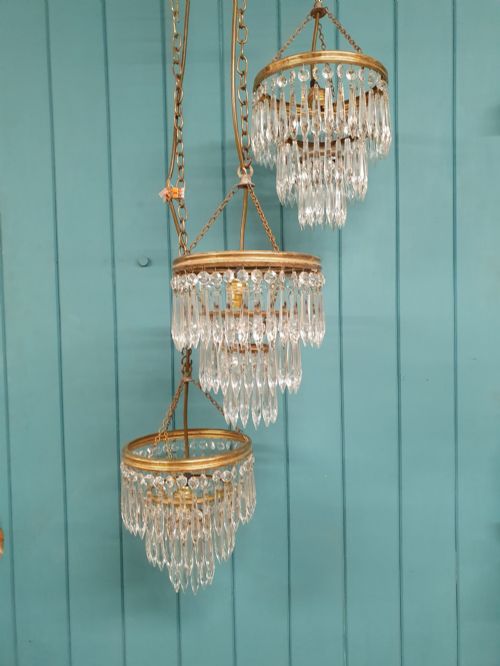
Common configurations range from compact single-bulb hall lanterns to large multi-light chandeliers adorned with crystal drops. These fixtures served to illuminate grand halls and principal rooms in period properties.
Materials and Construction
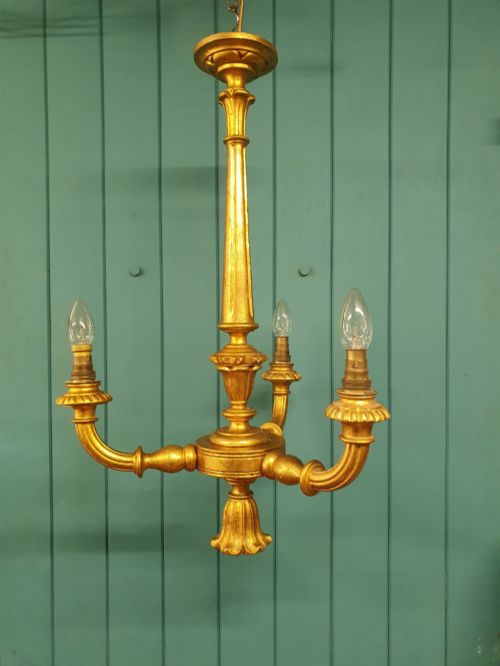
Maker workshops utilised metals such as bronze, brass, spelter, and gilt metal as the primary structural foundations. Artisans applied gilt surfaces to these metal frames through gilding techniques to achieve a rich, gold-toned finish.
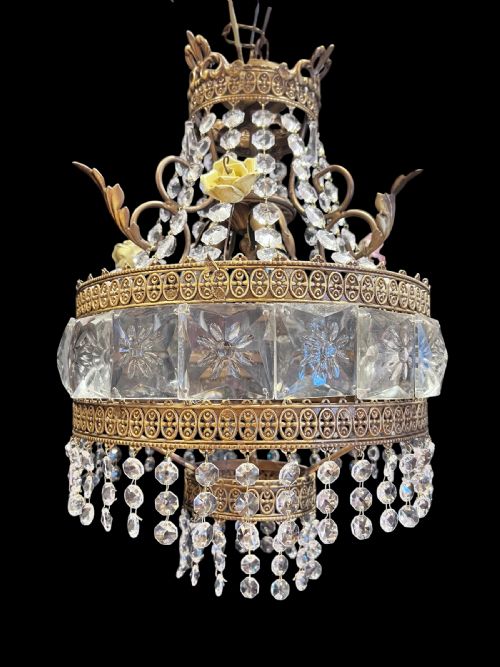
Details were enhanced with cut glass, crystal prisms, and etched glass panels to refract and amplify the illumination from multiple bulbs or candles. Additional decorative elements incorporated porcelain flowers, carved giltwood, and tolewear components.
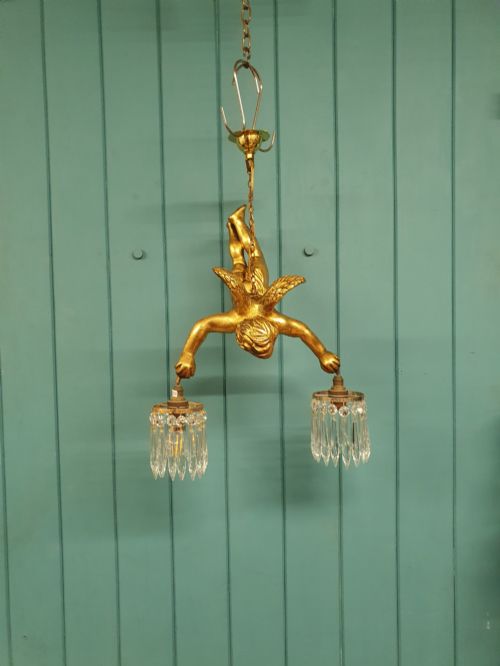
Several examples feature winged cherubs and flying cupids keeping a watchful golden eye over your hallway.
Assessing Quality
The standard of a french gilt pendant rests upon the crispness of the metal casting and the depth of the gilding applied to the bronze or brass. Finer pieces display meticulously chased surface details on cherubs, leaf decoration, and coronets rather than smooth, factory-cast uniformity.
The inclusion of high-grade cut glass or crystal prisms, securely wired and proportioned to the frame, separates superior examples from simpler utilitarian lighting. Original components, matching mounts, and intact glass elements indicate careful preservation.
The French Gilt Pendant Glossary
- Gilt bronze
- Metal alloy coated with a layer of gold, providing a durable and lustrous finish common in fine nineteenth-century lighting. It resists tarnishing better than standard brass.
- Hall lantern
- An enclosed hanging light fixture designed primarily for entrance halls and corridors, often featuring glass panels and a protective metal frame. They direct illumination downwards and outwards.
- Tent and waterfall
- A specific chandelier design where strings of crystal beads form an upper tent shape above a cascade of prisms resembling a waterfall. This arrangement maximises light refraction.
- Spelter
- An alloy based on zinc, frequently utilised as a cost-effective alternative to bronze for sculptural figures like cherubs on antique light fittings. It takes a gilt finish effectively.
- Chased
- Metal surfaces decorated by hammering or chiselling tools to create intricate low-relief designs and textures. This hand-finishing marks higher-tier craftsmanship.
French Gilt Pendant: Frequently Asked Questions
How do I hang a heavy antique chandelier safely?
These heavy metal and crystal fixtures require attachment to a structural ceiling joist using an appropriate steel hook and electrical box rated for the total weight. Consult a qualified electrician to ensure the wiring and support can bear the load securely.
Older wiring must be modernised to meet current safety standards before installation. Professional assistance prevents damage to fragile gilt surfaces and delicate crystal drops during mounting.
What rooms suit a french gilt pendant best?
Hanging lanterns and smaller pendants suit entrance hallways, stairwells, and cloakrooms where directional light and compact proportions work effectively. Larger multi-arm chandeliers provide a central focal point in drawing rooms and dining spaces.
Ceiling height dictates the choice between a flush-mounted lantern and a suspended chandelier on a chain. Ensure adequate clearance for movement beneath the lowest point of the fixture.
How do I date a french gilt lighting fixture?
Examine the construction methods, fixing screws, and metal composition to establish an approximate period. Nineteenth-century examples often display heavier cast bronze and hand-chased details, whereas twentieth-century pieces may incorporate standardised fixings and different alloy blends. Nomenclature in listings often references specific historical revivals like Louis XVI or Empire styles, which reflect the design inspiration rather than the exact decade of manufacture.