
French Gilt Lighting
French gilt lighting brings warmth and decorative brilliance to a room through the gleam of gilded bronze, brass, and crystal.
French Gilt Lighting
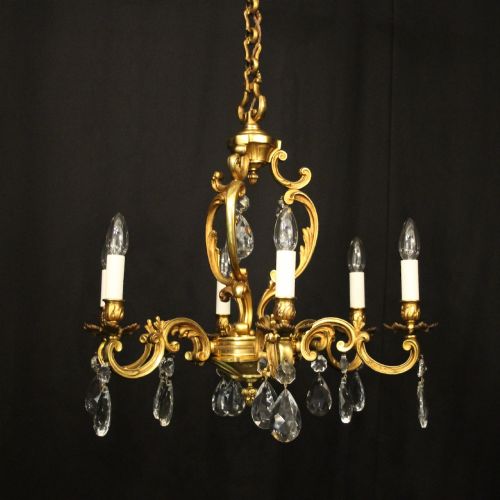
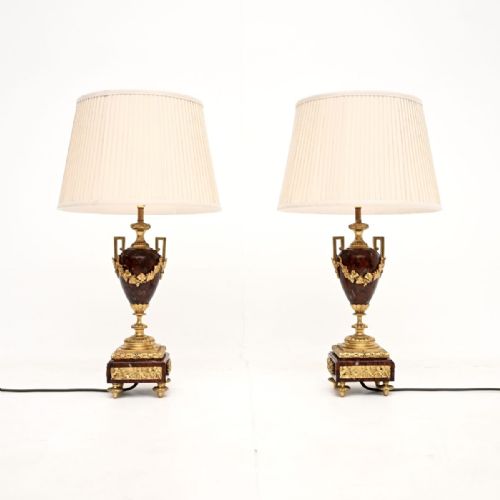
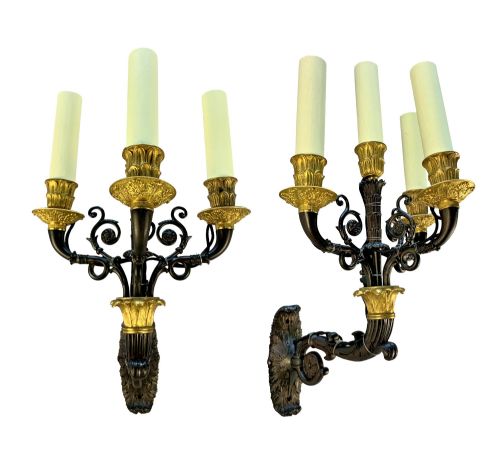
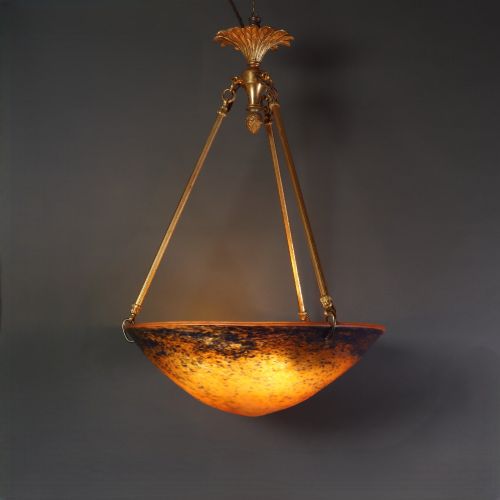
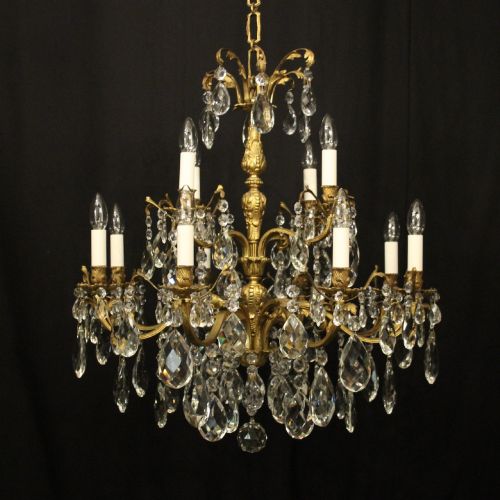
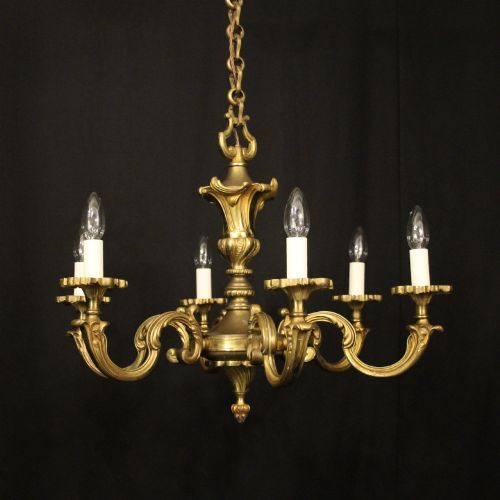
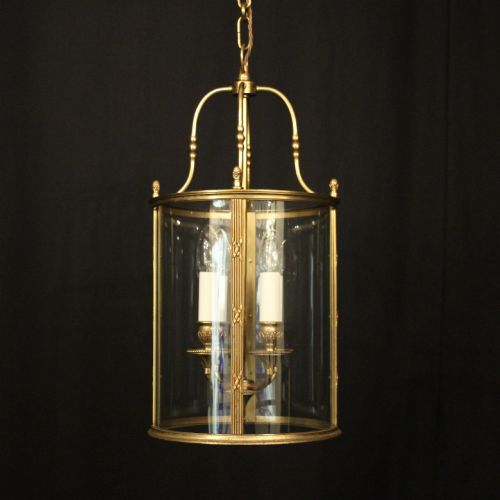
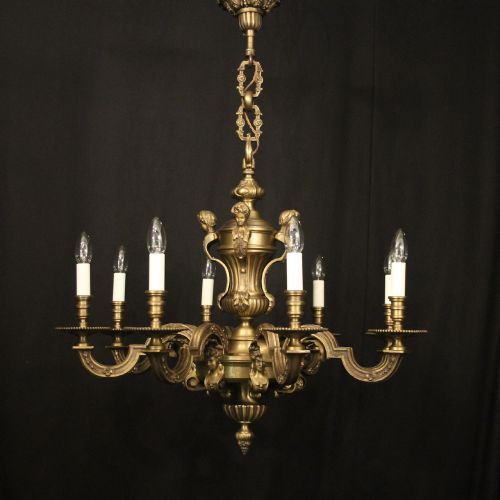
French gilt lighting encompasses a grand variety of decorative fixtures designed to illuminate interiors with traditional continental elegance. When searching for french gilt lighting, buyers typically encounter magnificent multi-light chandeliers, decorative wall lights, and stately table lamps originating from the nineteenth and early twentieth centuries.
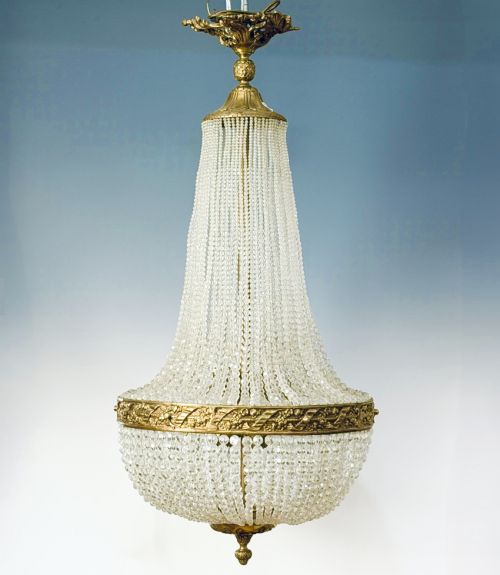
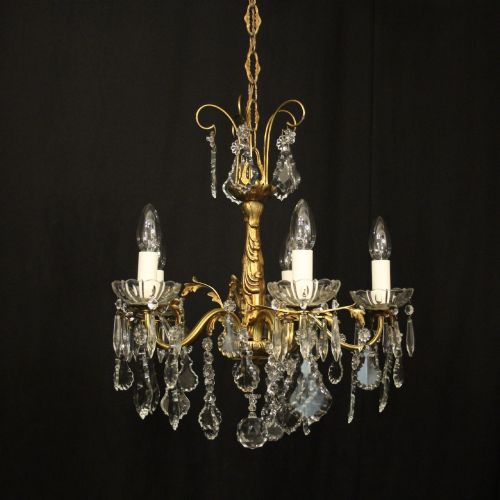
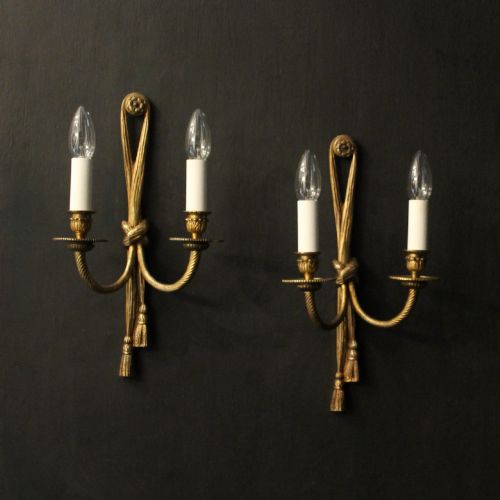
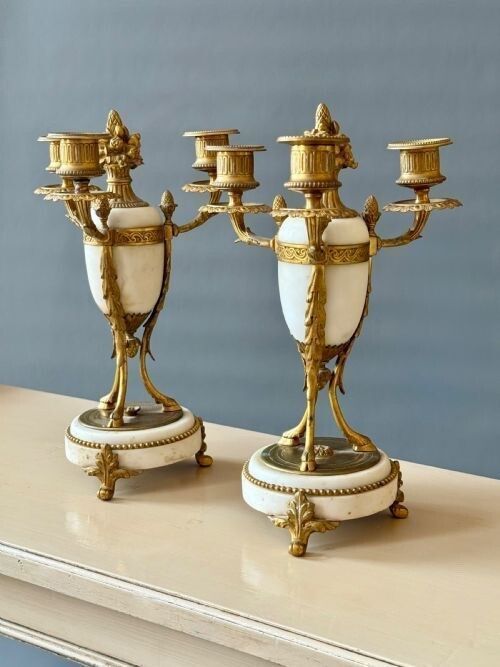
The selection ranges from elaborate birdcage chandeliers and convex hall lanterns to matched pairs of candelabra and wall sconces. Pieces often reflect distinct stylistic influences such as Louis XVI, French Empire, and French Rococo Revival, spanning periods from the eighteenth century through the Edwardian era and the 1930s.
Materials and Techniques
The construction of these pieces relies heavily upon metals such as gilt bronze, ormolu, brass, and gilt metal, frequently paired with natural elements like marble, onyx, crystal, and carved giltwood. Founders and metalworkers utilised casting, chasing, and gilding techniques to achieve rich surface textures and deep metallic lustre.
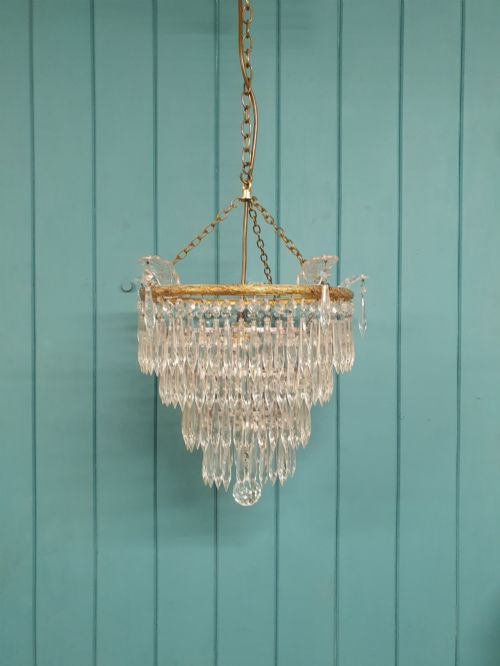
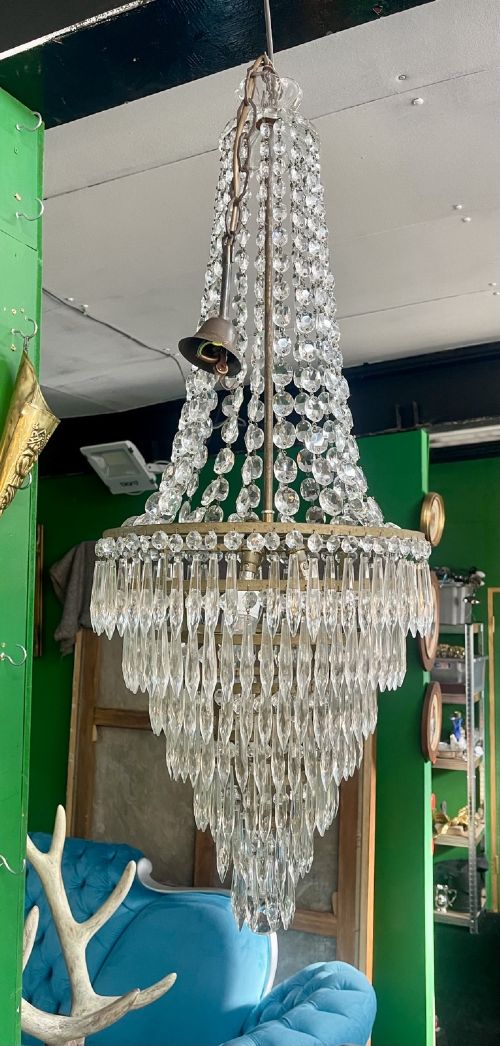
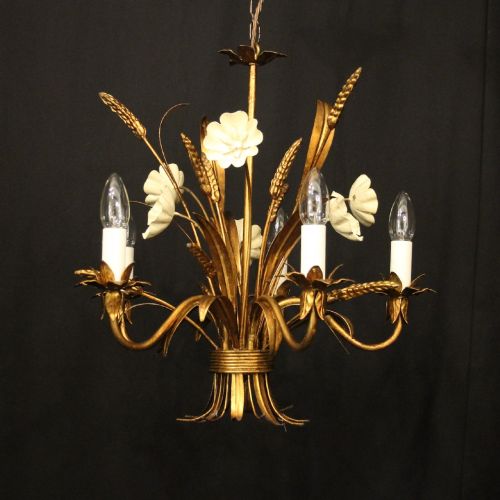
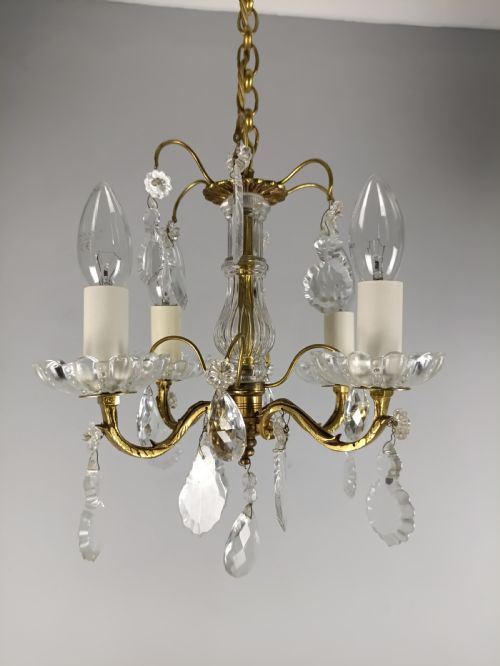
Many fixtures incorporate delicate glass drops, crystal prisms, and hand-carved wooden components that complement the primary metal framework. Secondary elements such as porcelain flowers, tole peinte, and patinated bronze figures add intricate detail and colour variation to the finished objects.
Object forms span large multi-light chandeliers, wall sconces, candelabra, and carved wooden urn lamps.
Design and Execution
Quality in these lighting fixtures is determined by the crispness of the metal chasing and the depth of the gilding. Finer examples display sharply rendered motifs, secure joinery, and heavy, substantial casting rather than light, hollow construction.
The choice of supplementary materials also defines the tier of a piece, with genuine rock crystal, high-grade marble bases, and hand-carved wooden elements separating superior works from standard production.
Maison Bagues·Francois Redmond·Barbedienne
The French Gilt Lighting Glossary
- Ormolu
- Gilded bronze produced by applying a mercury-gilding paste to cast bronze before firing. This historic technique creates a warm, satin-like golden finish.
- Champlevé
- An enamelling technique where troughs are dug into a metal surface and filled with vitreous enamel before firing. It frequently decorates the bases of nineteenth-century table lamps.
- Candelabra
- A branched candlestick designed to hold multiple candles simultaneously. These pieces often form symmetrical pairs and feature elaborate figural or neoclassical motifs.
- Tole Peinte
- Painted sheet metal used historically for decorative lanterns and shades. It introduces durable colour and contrasting surface patterns to lighting fixtures.
- Lyre Chandelier
- A chandelier shaped in the form of a classical stringed musical instrument. This symmetrical outline draws directly from French Neoclassical design principles.
French Gilt Lighting: Frequently Asked Questions
What periods do these pieces come from?
The listings span several centuries, with items originating from the eighteenth century, the nineteenth century, and early twentieth-century decades including the 1920s and 1930s. Edwardian examples also appear regularly among the selection.
Design influences stretch even further back through revivals of Louis XIV, Louis XVI, and Empire styles, reflecting enduring French aesthetic traditions.
How should I clean gilded bronze and crystal?
Dust metal surfaces gently with a soft, dry cloth and avoid harsh chemical cleaners that can strip the delicate gilt layer. Crystal drops and prisms can be wiped carefully with a damp cloth.
Taking down removable glass elements makes detailed cleaning easier without risking damage to the main metal armature.
How do I identify French Neoclassical lighting?
Neoclassical pieces feature clean architectural lines, symmetry, and classical motifs such as urns, ribbons, and lyres. They contrast with the more asymmetrical and fluid curves of Rococo designs.
Materials in these fixtures often include disciplined combinations of gilt bronze, marble, and formal crystal arrangements.