
Antique Ormolu Lighting
Antique ormolu lighting combines the golden warmth of gilded bronze with French decorative styling to illuminate rooms with genuine period character.
Antique Ormolu Lighting
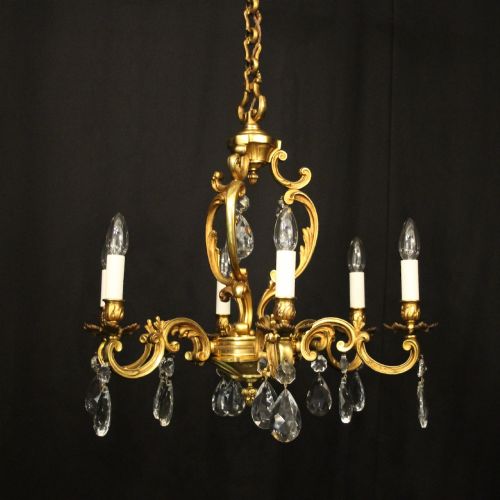
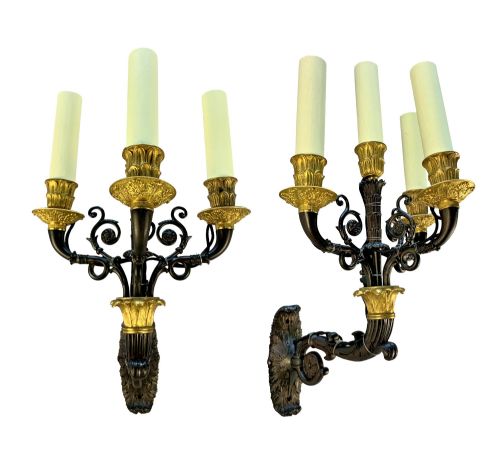
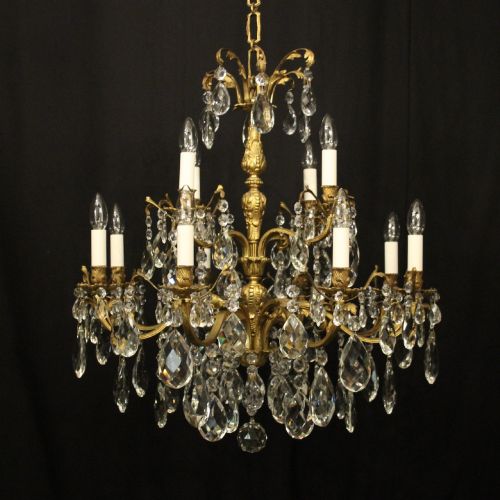
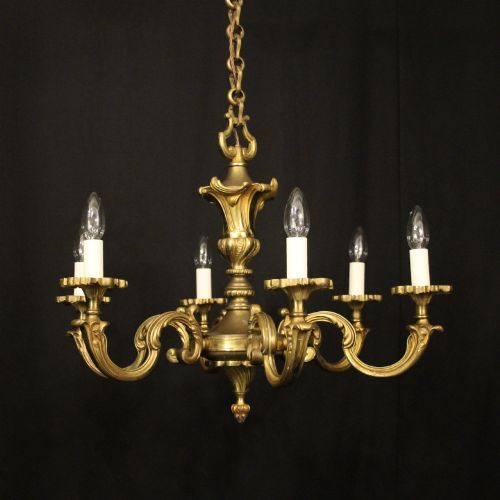
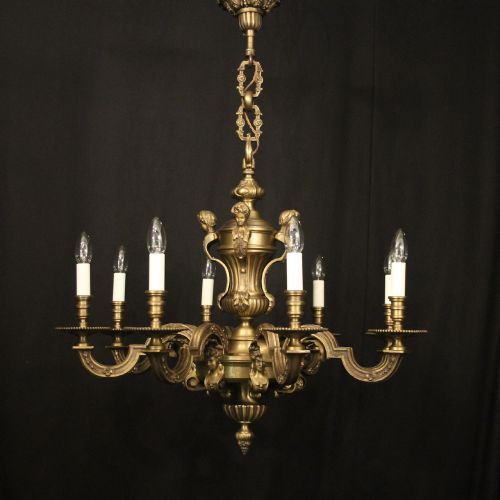
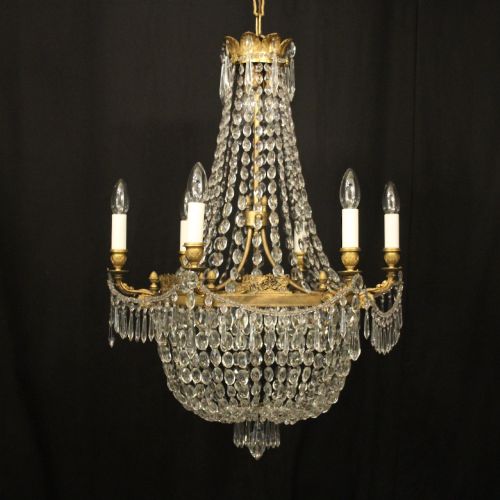
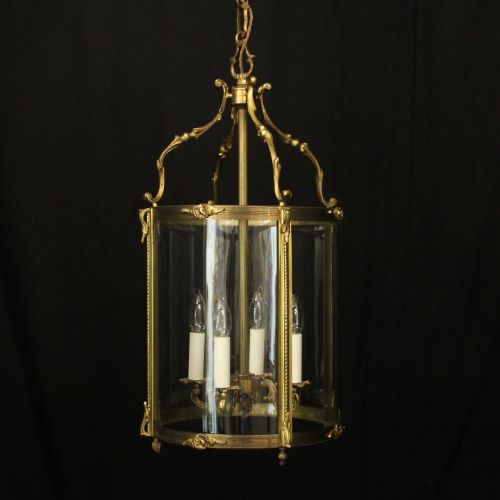
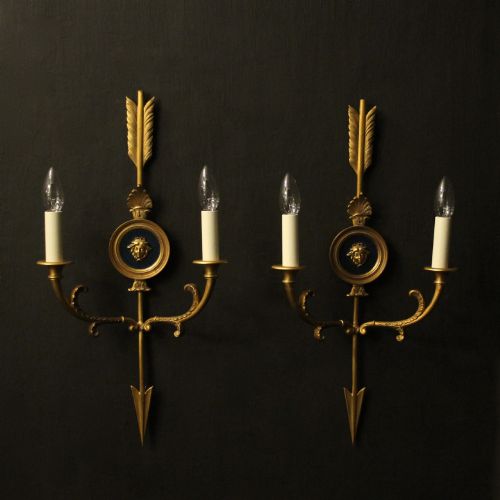
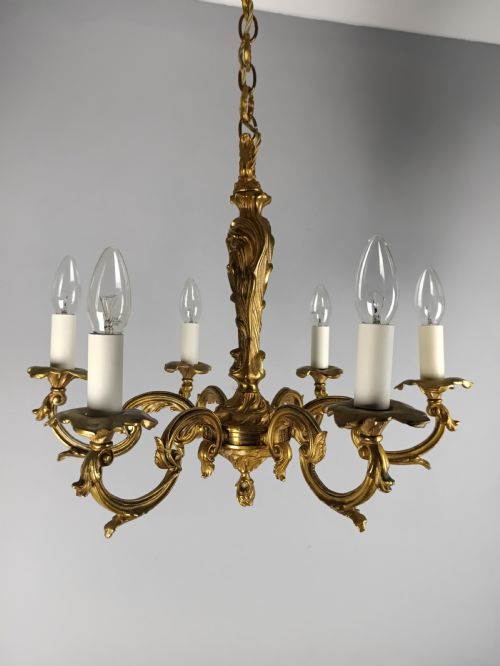
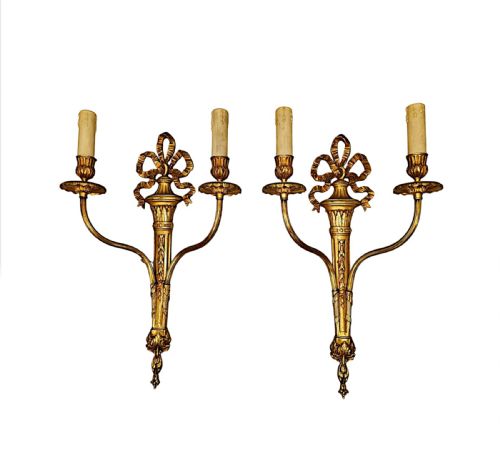
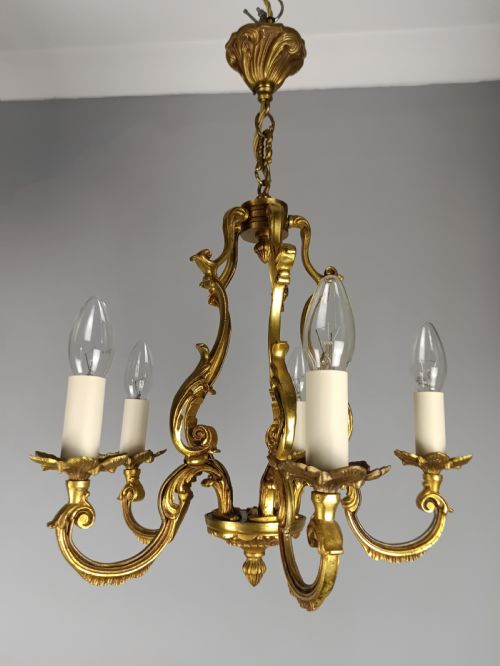
When you search for antique ormolu lighting, you encounter French chandeliers, wall lights, candelabra, and table lamps originating from the eighteenth to the twentieth centuries. The selection leans heavily towards French Rococo Revival, Louis XVI, and Empire styles, reflecting historical design tastes.
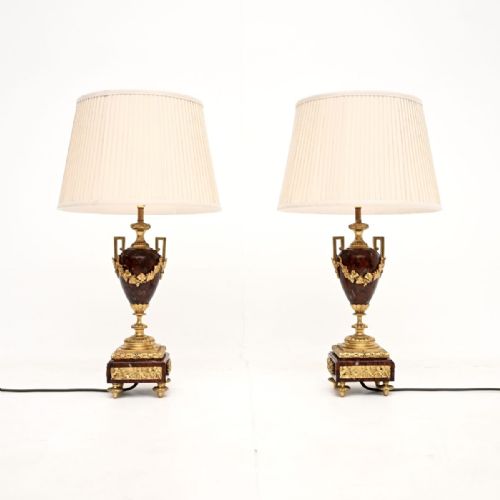
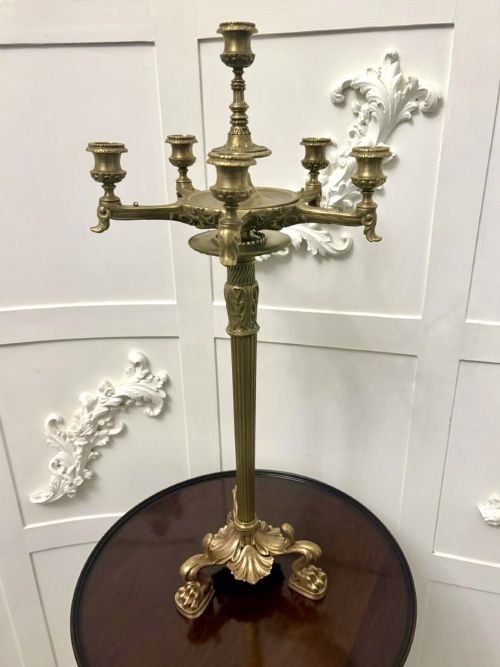
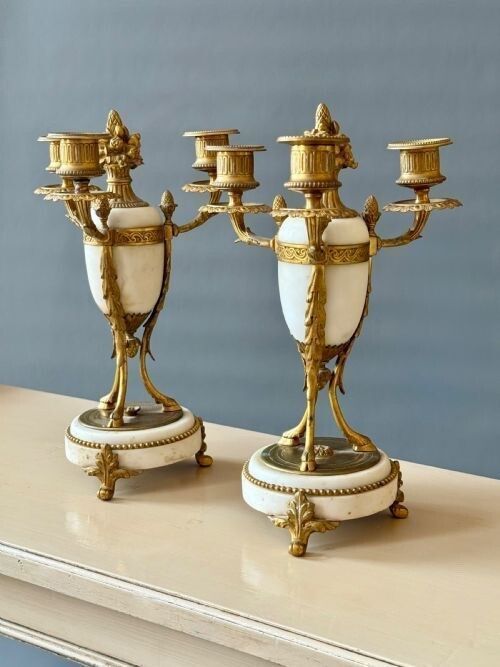
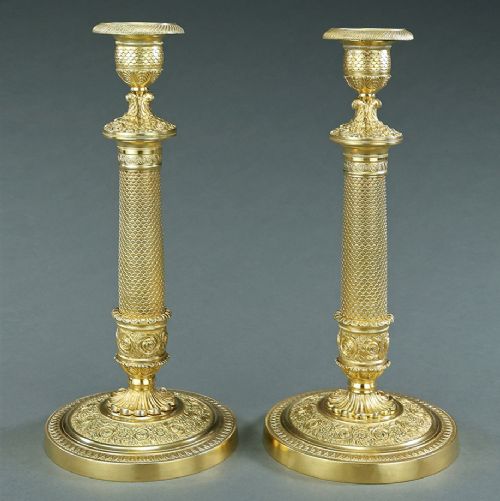
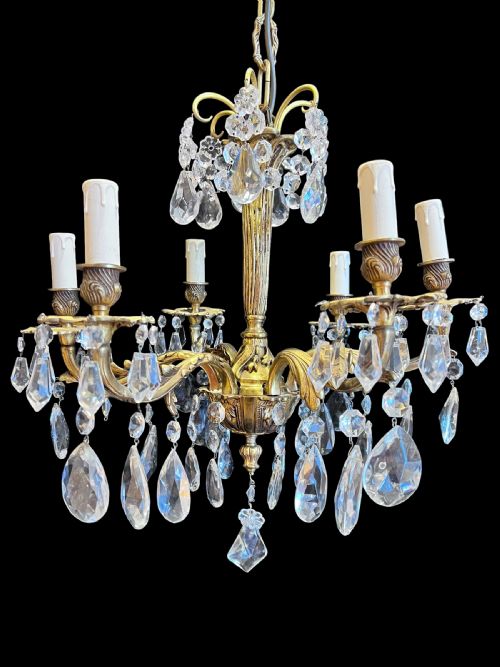
The objects take many functional forms, including multi-light chandeliers with crystal drops, paired wall sconces, and sturdy candelabra designed for tabletops or mantels. Table lamps and floor-standing oil lamps also appear, often incorporating marble, onyx, or porcelain alongside the metalwork.
The periods span from the 1700s through the nineteenth century and into the early nineteen-hundreds. You meet pieces marked by distinct revival movements, such as Louis XIV and Louis XV interpretations produced generations after the original monarchies.
Materials and Techniques
The primary metals deployed in these pieces include ormolu, gilt bronze, patinated bronze, and brass, often paired with contrasting elements like crystal, cut glass, marble, onyx, and turquoise porcelain. Artisans cast the bronze components before applying fine gilding to create the characteristic golden surface sheen.
Many fixtures integrate structural glass or crystal drops to refract light from candles or early electric bulbs. Stone bases in rouge marble or white marble provide substantial weight and visual contrast to the polished metal frameworks.
Some nineteenth-century candle sticks incorporate charming flamingo and cherub motifs into the cast bronze stems.
Craftsmanship and Detail
The distinction between standard production and exceptional work rests in the crispness of the casting and the depth of the chasing. Superior examples exhibit sharply defined foliage, cherubs, or animal motifs that retain their tactile definition beneath the gilding.
Integration of secondary materials also dictates the grade of a piece, with high-tier items utilising unblemished marble, carefully matched crystals, and hand-finished mounts that fit flush against the primary bronze structure.
Barbedienne·Francois Redmond·Dugourc·Villeroy and Boch
The Antique Ormolu Lighting Glossary
- Ormolu
- Finely ground high-carat gold applied to a bronze base using a mercury amalgamation technique or modern electroplating. This finish produces the bright golden surface characteristic of fine French decorative metalwork.
- Champleve
- An enamelling technique where troughs are carved into the metal surface and filled with vitreous enamel powder before firing. It appears on decorative accents alongside onyx and bronze.
- Candelabra
- Branched lighting fixtures designed to hold multiple candles simultaneously. They often feature removable arms or elaborate figural stems.
- Applique
- A French term for a wall-mounted light fixture or sconce that directs illumination outward into the room. These pieces typically secure directly to wooden panelling or plaster walls.
- Patinated bronze
- Bronze that has been chemically treated to darken the surface tone. This contrasts sharply with the bright reflective quality of nearby gilt sections.
Antique Ormolu Lighting: Frequently Asked Questions
How do I wire antique wall lights?
Most antique wall lights require professional rewiring by a qualified electrician to meet modern safety standards. Internal channels often accommodate contemporary wiring without altering the exterior metalwork.
Ask your electrician to use heat-resistant wiring that matches the small scale of nineteenth-century arms and backplates.
What is the difference between ormolu and gilt brass?
Ormolu specifically denotes mercury-gilded or finely gold-finished bronze, displaying a deep, warm golden lustre. Gilt brass uses a brass base metal which typically exhibits a slightly harder, paler yellow tone.
Examining the underside or unpolished recesses often reveals the darker bronze substrate beneath worn gold layers.
How do I clean antique gilt bronze?
Dust these surfaces gently using a soft, dry artist brush or microfiber cloth. Avoid commercial metal cleaners, harsh abrasives, or liquid polishes which strip away the thin historic gold layer.
Professional conservation is recommended if oxidation or heavy grime obscures the fine details of the chasing.
How do I date a Louis XVI style piece?
Pieces described in the Louis XVI style often date from the nineteenth-century revival periods rather than the eighteenth-century reign itself. Look closely at construction marks, screw threads, and casting seams to determine the actual manufacturing era.
True eighteenth-century examples display hand-cut threads and irregular casting characteristics distinct from later industrial production.