
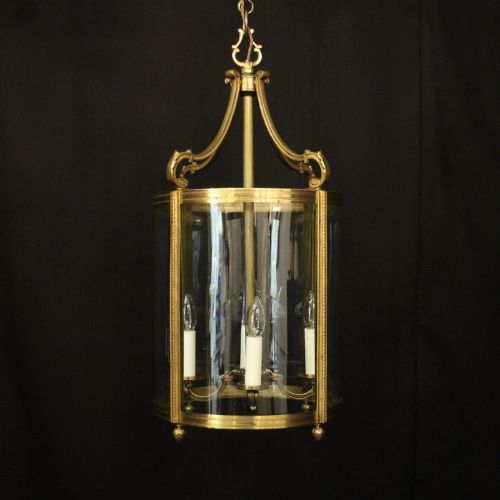


French Gilt Hall Lantern
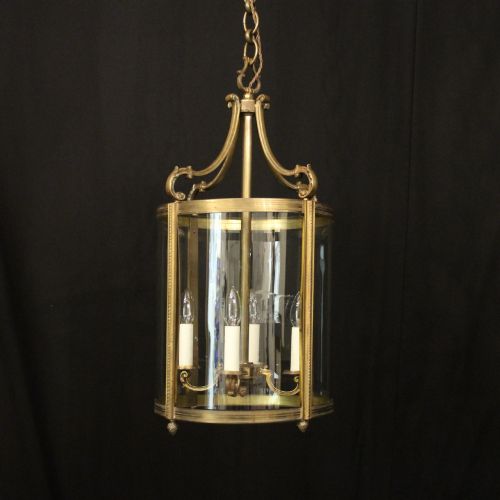
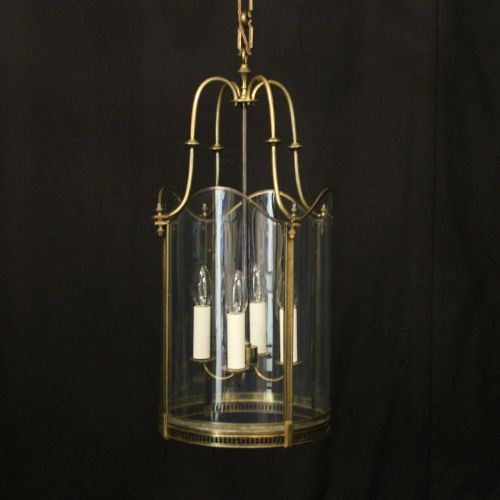
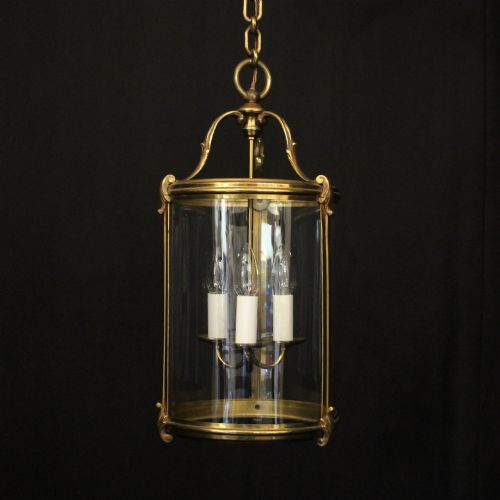
A French gilt hall lantern commands an entryway with metallic warmth and formal illumination.
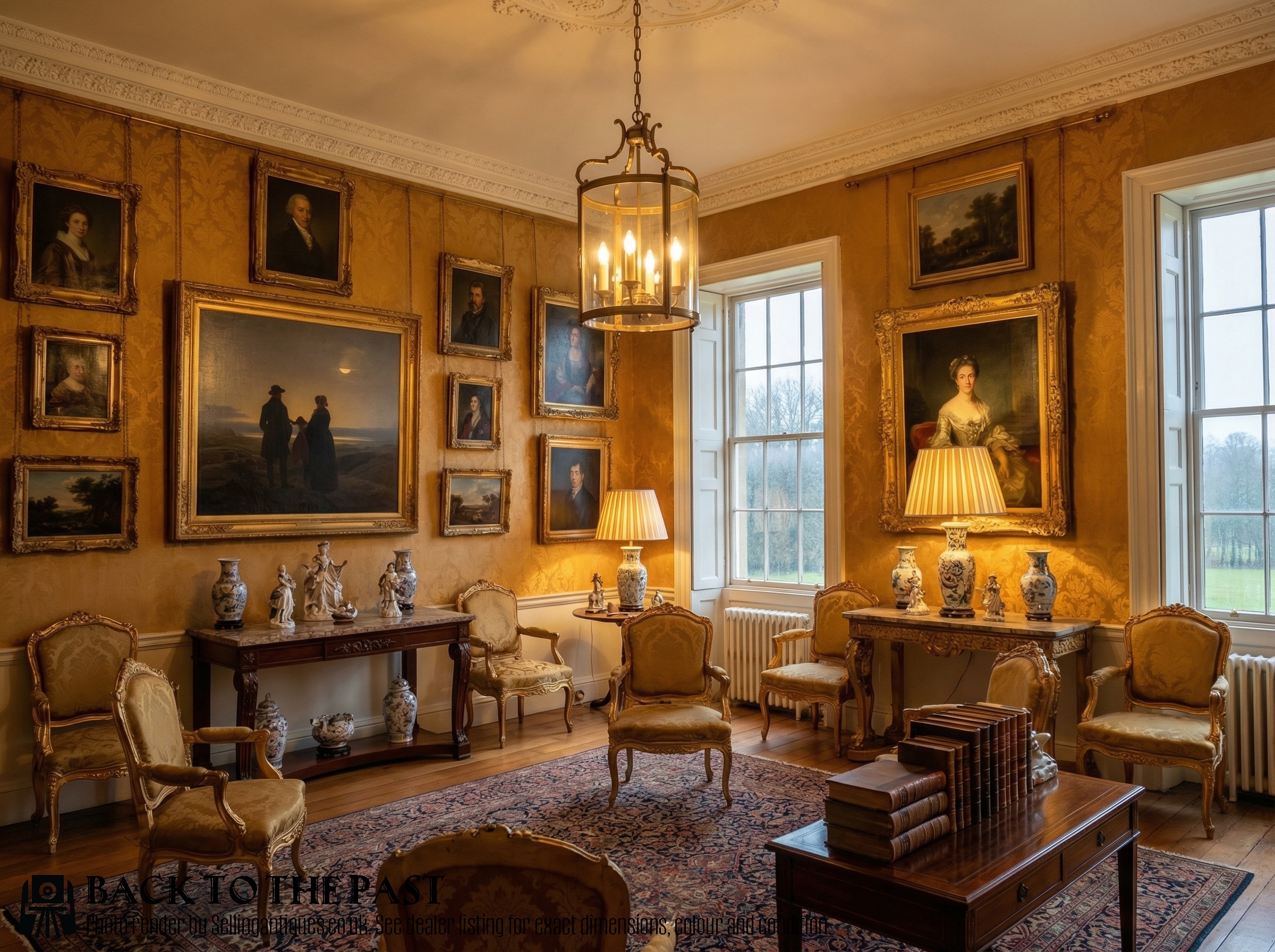
French Gilt Hall Lantern
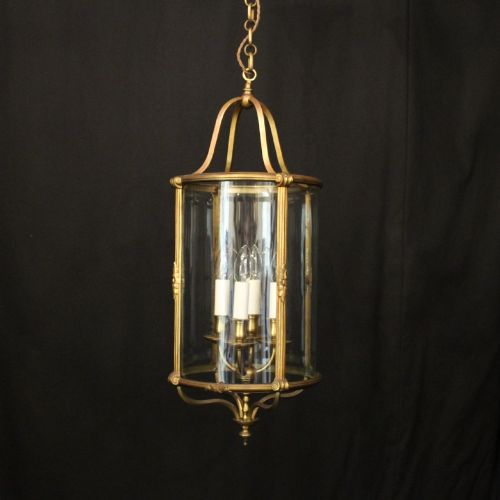
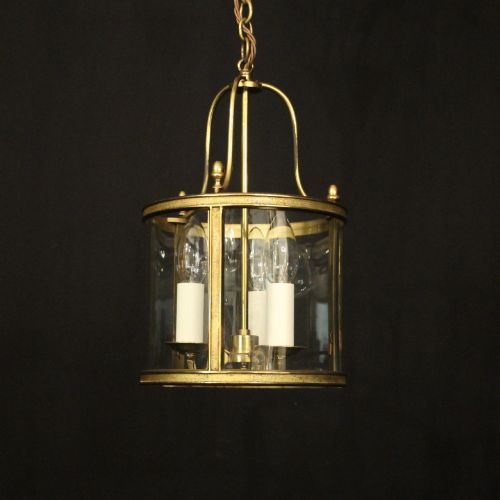
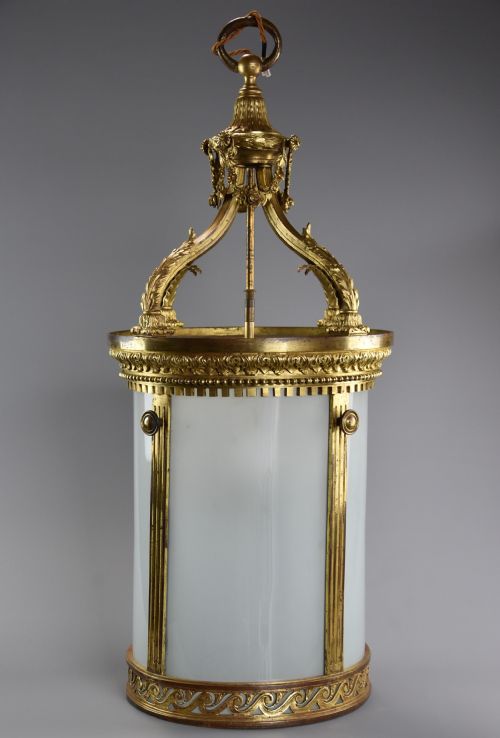
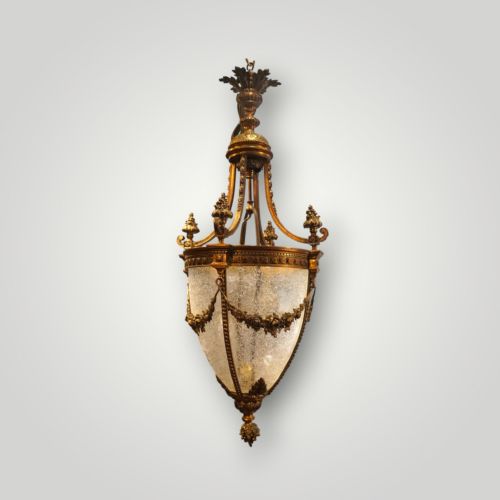
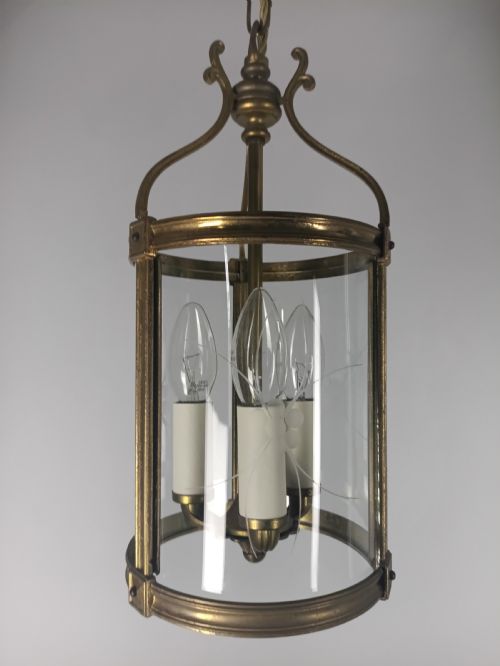
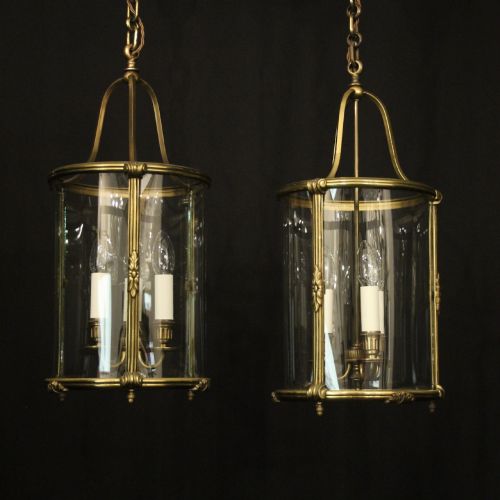
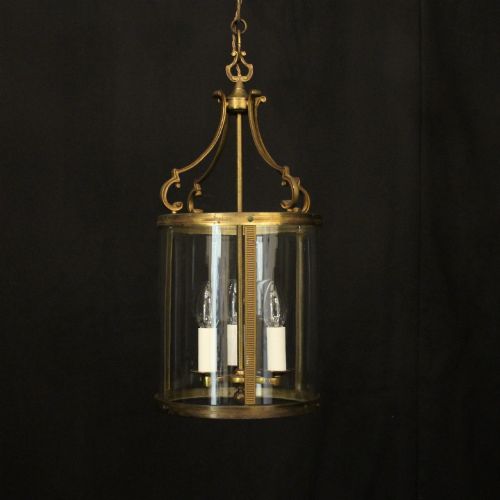
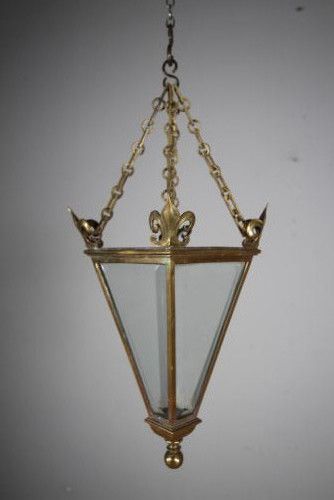
When you search for a french gilt hall lantern, you encounter overhead hanging fixtures designed for entrance halls and vestibules. Most examples on this page date from the nineteenth and early twentieth centuries, spanning periods from the Victorian era through the nineteen thirties. These pieces draw upon French Neoclassical, Louis XVI, and Rococo styles to bring decorative presence into a domestic corridor.
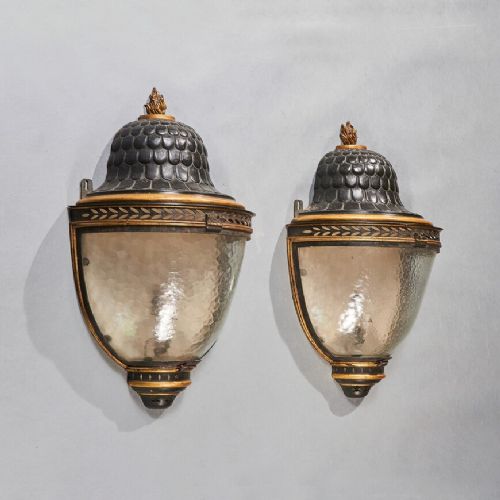
The forms vary between circular, hexagonal, and multi-light configurations holding several candle-style sockets inside glass panels. You will find single fixtures alongside matched pairs, ranging in scale from small compact pendants to large proportional centrepieces. The metalwork predominantly displays gilt bronze, gilded brass, or painted tole peinte framing clear, bevelled, or etched glass.
Gradations in quality
The standard of a lantern rests upon the crispness of the bronze or brass casting and the depth of the original gilding. Finer pieces display hand-chased enrichment across the metal mounts rather than simple flat surfaces, showing sharper relief in floral or architectural motifs. Heavier gauge metal frames and thicker bevelled glass panes distinguish superior production from lighter commercial alternatives.
Proportion and scale dictate the visual success of the fixture, with better examples maintaining balanced symmetry and integrated hardware from canopy to finial. The presence of makers' stamps, complex multi-light internal clusters, and original glass panes further separate standard utility lighting from exceptional decorative works.
Listings feature items spanning the Victorian era through the nineteen thirties, predominantly constructed from gilt bronze and brass.
Perry & Co
The French Gilt Hall Lantern Glossary
- Gilt bronze
- Metal alloy coated with a thin layer of gold, often providing a durable and rich golden surface finish on period light fixtures.
- Convex glass
- Curved glass panels that project outward, designed to catch and refract light from internal bulbs across a wider angle.
- Tole peinte
- Painted sheet metal, commonly used in decorative lanterns to introduce coloured accents alongside gilt or bronze frameworks.
- Bevelled glass
- Glass panes featuring angled edges ground down around the perimeter, creating prismatic light effects when illuminated.
French Gilt Hall Lantern: Frequently Asked Questions
How high should I hang a hall lantern?
Hang the lantern so the bottom clears the floor by at least seven feet to allow clear passage underneath. In spaces with double-height ceilings, positioning the fixture to align visually with the landing or transom window creates correct proportions.
Ensure the hanging chain length accommodates the specific drop required for your entrance volume without dominating the narrowest part of the hallway.
Can these lanterns be wired for modern electric bulbs?
Most surviving lanterns have already received updated internal wiring to accommodate standard lamp fittings safely. Electric candle tubes sit within the central cluster to mimic the original wax light source.
Qualified electricians can adapt older brass and bronze frames without altering the external historic appearance of the metalwork.
How do I clean a gilt bronze lantern?
Dust the metal surfaces gently using a soft, dry brush or microfibre cloth to remove surface particles. Avoid chemical polishes or abrasive cleaners that strip the delicate gold leaf or fire gilding from the bronze substrate.
Glass panels can be removed carefully for washing with mild soap and water before being dried thoroughly and re-secured in their frames.
How do I identify a Louis XVI style lantern?
Louis XVI style lanterns rely on strict symmetry, neoclassical urn motifs, ribbon twists, and crisp geometric lines rather than the asymmetrical curves of earlier Rococo designs. Look for architectural elements like fluting and laurel wreaths cast into the bronze frame.
These pieces typically date from the nineteenth-century revival periods when French palace aesthetics were actively reproduced for grand townhouses.