


French Gilt Bronze Figures
French gilt bronze figures bring together metal casting and classical design, offering sculptural detail and decorative presence for collector interiors.
French Gilt Bronze Figures
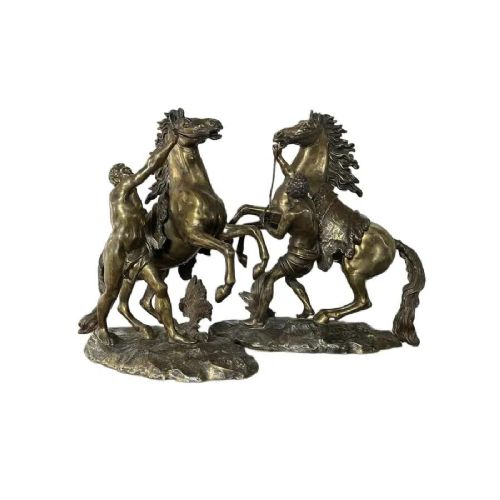
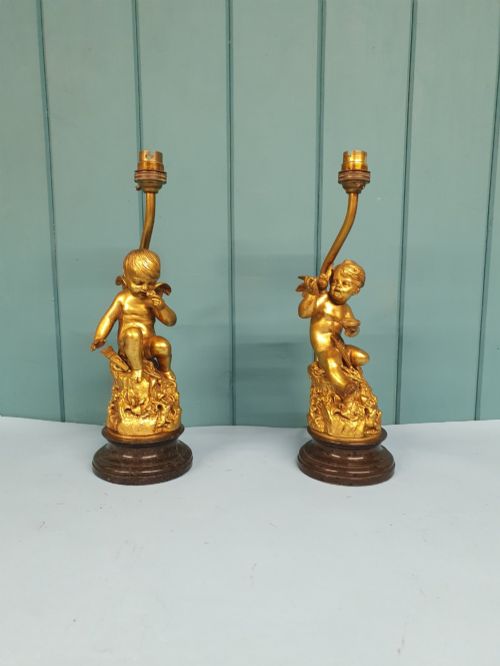
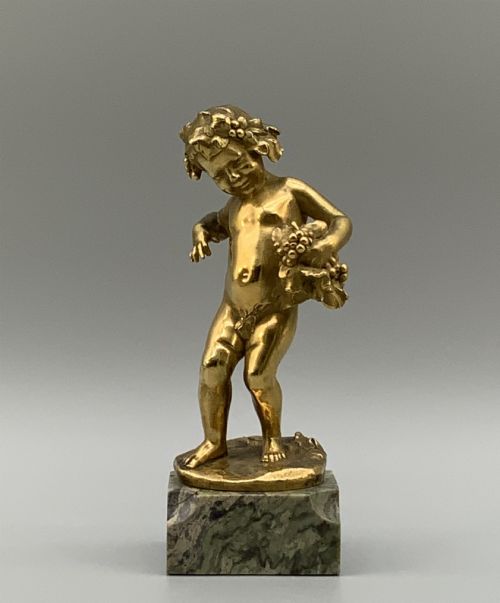
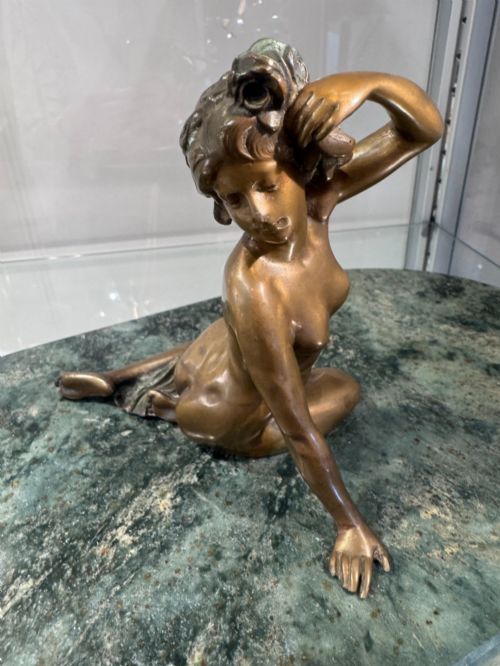
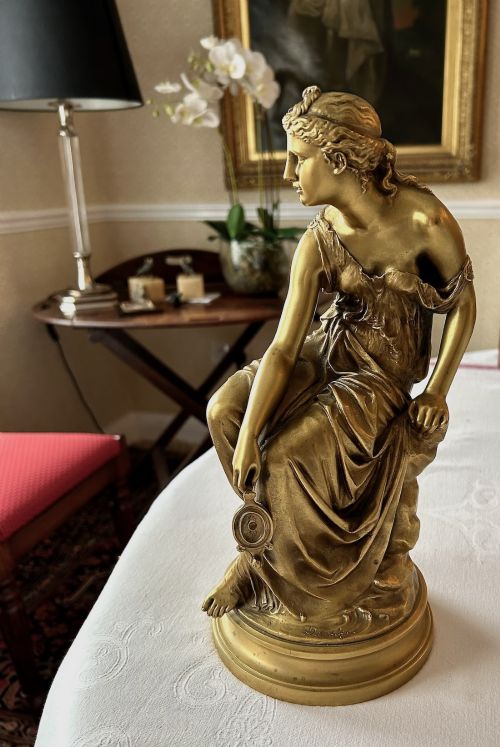
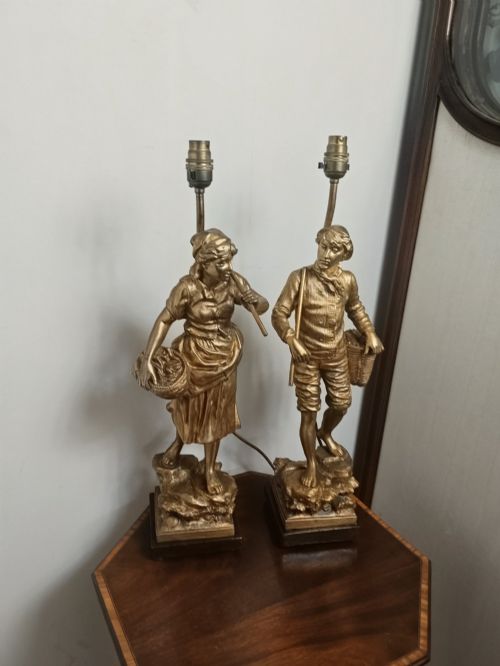
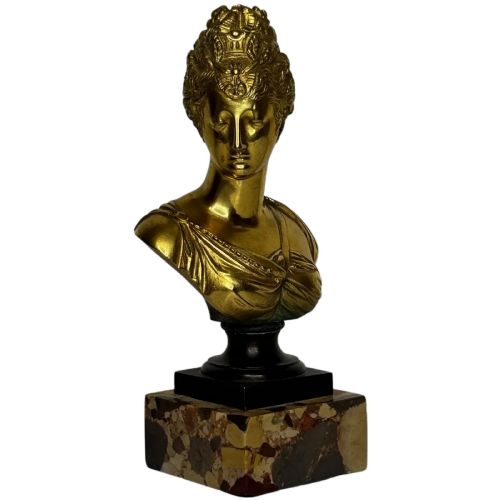
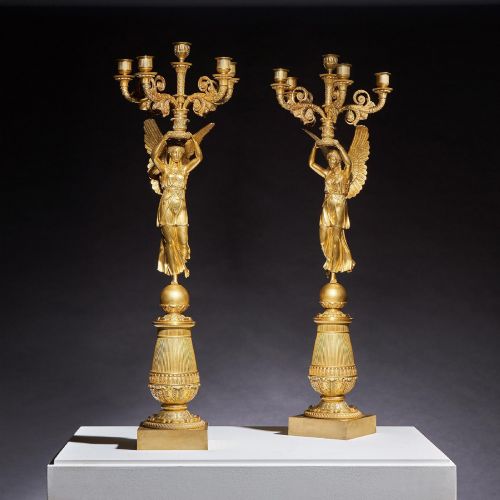
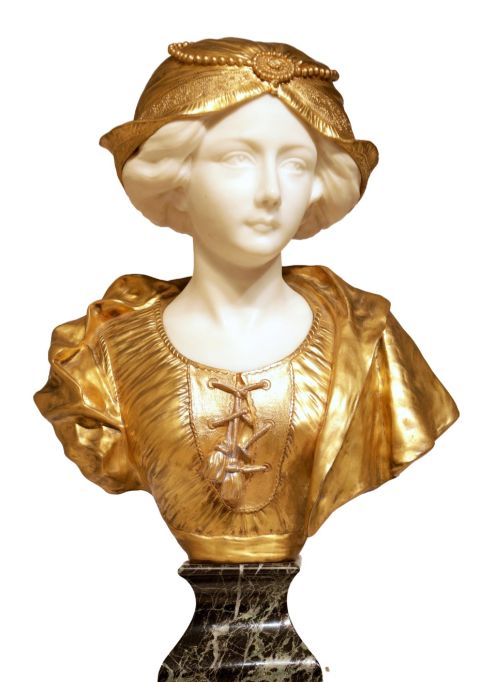
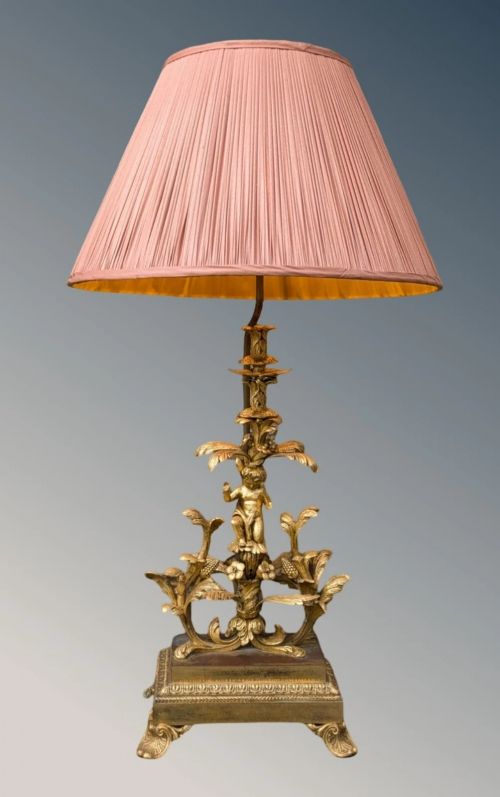
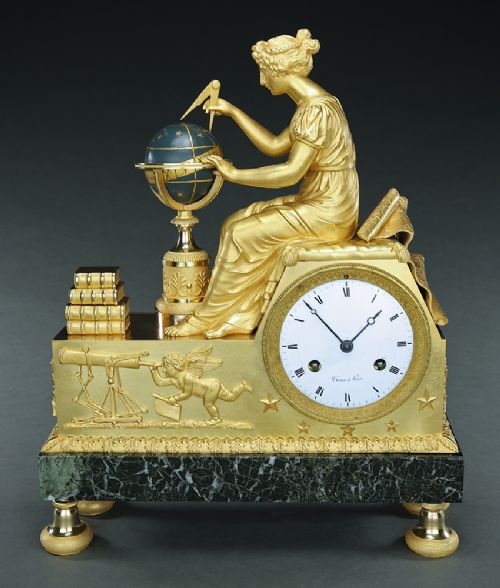
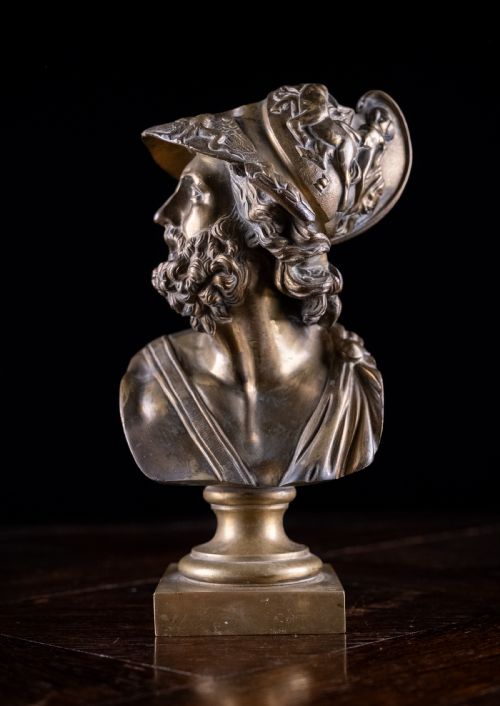
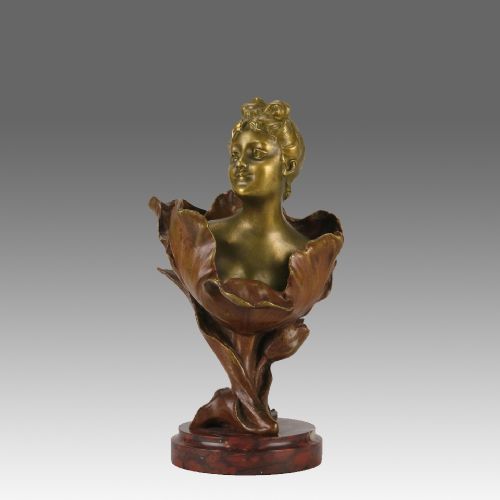
French gilt bronze figures encompass standalone sculptures, clock ornaments, lamp bases, and candelabra components produced across the nineteenth and early twentieth centuries. When searching this phrase, a buyer encounters classical maidens, cherubs, dancers, and historical busts cast in metal and finished with gold gilding. The pieces span French Empire, Rococo Revival, Art Nouveau, and Art Deco styles, reflecting changing aesthetic tastes over decades of European craftsmanship.
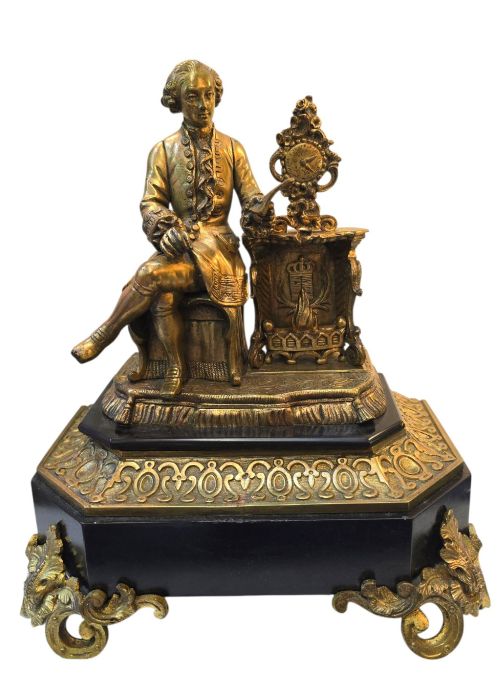
Most examples on this page date from the nineteenth century, including Napoleon III productions and late nineteenth-century foundry casts. Forms vary from small inkwells and desk statuettes to large mantel clock garnitures and pair candelabra. Many pieces combine gilt bronze with contrasting materials such as marble, onyx, or porcelain bases.
How they were made
Maker workshops utilised the lost-wax casting method or sand casting to shape molten bronze into intricate figures before applying mercury gilding or electroplating. Artisans then chased the metal surfaces by hand with chisels and punches to sharpen feather details, hair strands, and drapery folds.
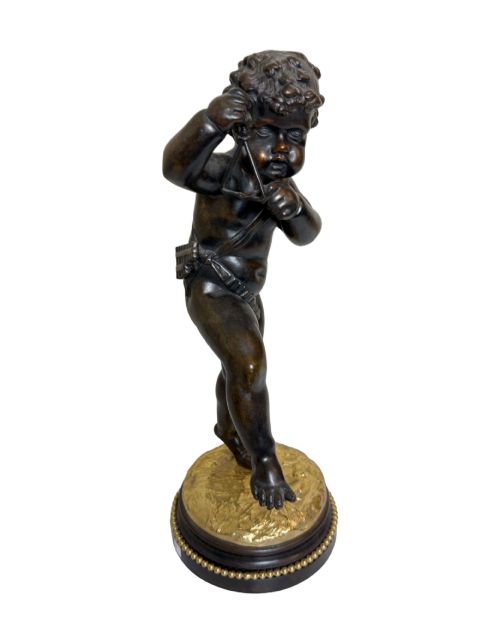
Many sculptures incorporate patinated bronze alongside gilt portions to create tonal contrast on garments and skin. Elements like marbleplinths, onyx bases, and Sevres porcelain inserts were secured with threaded pins and nuts to complete the decorative objects.
French Gilt Bronze Figures Retail Price Guide 2026
Typical asking prices for french gilt bronze figures among the pieces listed under this phrase on Sellingantiques today, from the lower quarter to the upper quarter. They describe what is for sale here now, not the wider market.
Listings feature works spanning the 1850s to the 1930s, incorporating Art Nouveau, Art Deco, and Neoclassical styles.
What varies in quality
Quality rests primarily in the crispness of the hand-chasing after casting, where superior examples retain sharp facial expressions and deep relief in ornamentation. Softer contours and blurred textures indicate secondary casts or excessive wear to the metal surface.
The depth and uniformity of the gold gilt finish also separate standard production from exceptional foundry work. Heavy, stable mounting to genuine marble or onyx bases without wobbling indicates careful workshop assembly.
Etienne-Henri Dumaige·Susse Frères·E Rousseau·Pierre-Augustin Caron de Beaumarchais·Pierre Philippe Thomire·Affortunato Gory·Demetre Chiparus·Henri Godet·Reiche·Etienne Lenoir·Berger Paris·Barbedienne·Emile-Coriolan Guillemin·Paul Philippe
The French Gilt Bronze Figures Glossary
- Gilt bronze
- Metal alloy coated with a layer of gold, providing a bright golden finish resistant to tarnishing. It serves as the primary medium for decorative French figures and clock mounts.
- Ormolu
- A historical term for gilding techniques utilising finely ground gold mercury amalgam applied to bronze. It creates the characteristic yellow-gold brilliance seen on antique French candelabra and mounts.
- Garniture clock set
- A decorative grouping consisting of a central mantel clock accompanied by matching side pieces such as candelabra or vases. These sets formed symmetrical mantelpiece displays in nineteenth-century drawing rooms.
- Patinated bronze
- Metal treated with chemical solutions to produce a darkened brown, green, or black surface coloration. It creates contrast against bright gilt bronze elements within figural compositions.
French Gilt Bronze Figures: Frequently Asked Questions
How do I identify French gilt bronze?
French gilt bronze exhibits a rich golden surface over a heavy copper-alloy metal base, often showing hand-chased details under magnification.
Examining the underside or unexposed mounting areas reveals the underlying bronze metal beneath the gold finish.
Where were these figures displayed historically?
These decorative objects adorned nineteenth-century mantelpieces, drawing room tables, and executive desks as symbols of refinement and wealth.
Clocks and candelabra sets were arranged centrally on salon fireplaces to anchor interior decorative schemes.
How do I clean antique gilt bronze?
Dust surfaces gently with a soft dry brush and avoid chemical metal polishes that strip away historical gilding.
Professional conservation cleaning protects the delicate mercury or electroplated gold layer from permanent abrasion.
What is the difference between bronze and ormolu?
Bronze is the foundational copper alloy used for casting sculptural forms, whereas ormolu specifically denotes the gold surface gilding applied to that metal.
Many antique pieces combine dark patinated bronze figures with bright ormolu bases and mounts.