


French Gilt Bronze Carriage
French gilt bronze carriage clocks and novelty pieces combine precision timing and decorative metalwork, offering substantial weight and ornate detailing for collectors.
French Gilt Bronze Carriage
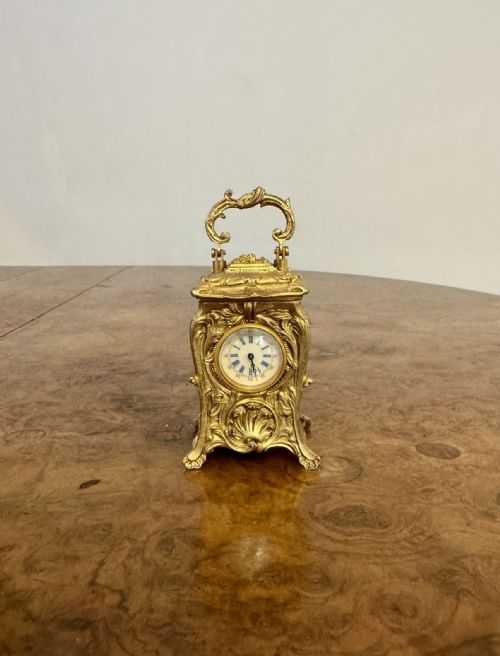
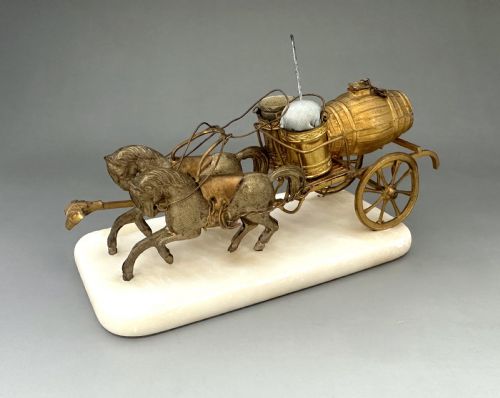
When you search for french gilt bronze carriage pieces, you encounter items spanning the nineteenth century, including Victorian and Edwardian examples. These objects range from standard carriage clocks housed in cast gilt cases to novelty sewing companions and trinket boxes designed to resemble horse-drawn carts.
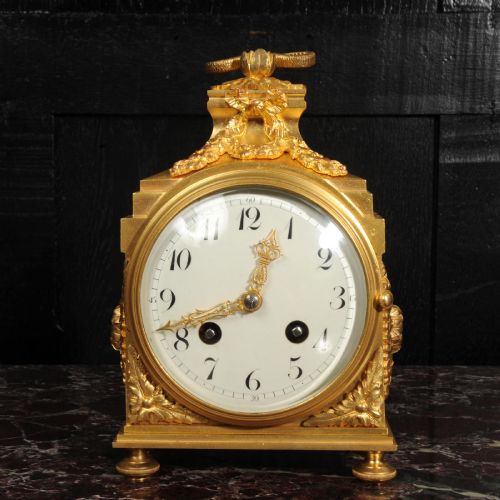
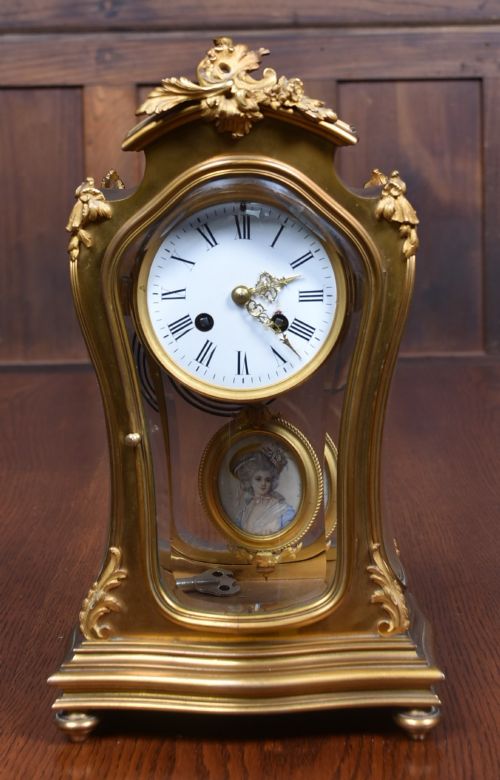
The most common items on this page are carriage clocks featuring four glass sides, enamel dials, and corniche or gorge cases. Alongside these timepieces, you find architectural mantel clocks and signed miniature works originating from French workshops.
Makers and retailers such as Drocourt, E. White, James Moore, and John Walker appear among the items, reflecting the collaborative nature of nineteenth-century horology and luxury retail. These pieces utilise styles including French Empire, Rococo Revival, and Neoclassical designs.
Materials and construction
The construction of these objects relies heavily on metals such as gilt bronze, ormolu, gilt brass, and standard brass. Artisans cast these metals to form architectural cases, corniche frames, and novelty horse carriages, frequently applying profuse engravings to all sides.
Glass panels enclose the movements of carriage clocks, allowing light to reach the enamel dials and internal mechanisms. Additional materials like opaline glass, alabaster, and enamel appear in specific pieces, such as egg trinket boxes and miniature bedside clocks.
Some nineteenth-century makers turned travel timepieces into horse-drawn novelty carts carrying opaline egg trinket boxes.
Distinctions in craftsmanship
The standard of a piece depends on the crispness of the cast gilt case and the depth of the engraving across the metal surfaces. Finer examples display deeply etched decorative patterns and heavy, well-proportioned architectural frames rather than shallow surface stampings.
Complications within the movement further differentiate the range, as pieces featuring strike-repeat mechanisms, alarms, or petite-sonnerie quarter-striking demand greater technical skill. Signed dials and miniature paintings by named artists add further distinction to individual items.
Drocourt·E. White·James Moore·John Walker·Rodier
The French Gilt Bronze Carriage Glossary
- Gilt bronze
- Metal alloy treated with a gold coating, providing a durable and decorative surface finish that resists tarnish. It forms the primary structural case for many nineteenth-century French clocks.
- Ormolu
- Finely ground high-carat gold mercury-gilded to a bronze object, creating a bright metallic lustre. This technique characterises high-status French decorative arts.
- Corniche case
- A specific classical housing style for carriage clocks featuring stepped mouldings at the top and base. It represents a standard Victorian and Edwardian framing choice.
- Gorge case
- A stepped rectangular metal case style commonly utilised for French repeating carriage clocks. The design accommodates mechanical complications while maintaining clean architectural lines.
- Petite-sonnerie
- A clock complication that automatically strikes the hours and quarters as they pass. This advanced mechanism indicates a high tier of horological production.
French Gilt Bronze Carriage: Frequently Asked Questions
What is a pendule d'officier?
A pendule d'officier is a portable military-style mantel clock invented during the Napoleonic era. These clocks often feature distinctive carrying handles and robust gilt bronze cases designed for travel.
They bridge the gap between domestic mantel clocks and later carriage clocks, offering reliable timekeeping in a compact format.
How do repeating mechanisms work?
A repeating mechanism allows the clock to strike the last hour or quarter-hour upon demand when a button or pendant is pressed. This function was essential during the nineteenth century before reliable artificial lighting.
Clocks with strike-repeat functions generally require more intricate internal gearing and represent higher manufacturing costs.
What distinguishes Palais Royal pieces?
Palais Royal items originate from the famous Parisian shopping complex known for luxury novelty goods. These objects often take playful forms, such as horse-drawn carriages fitted as sewing companions or trinket boxes.
They combine practical utility with decorative gilt brass and opaline glass elements suited for display.