

French Gilt Brass Pendant
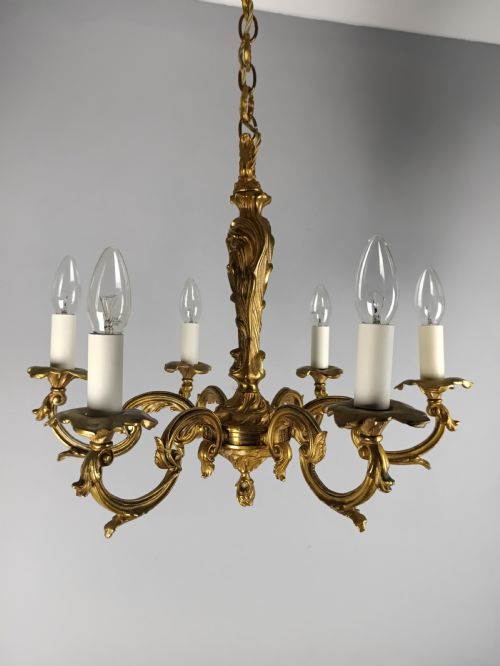
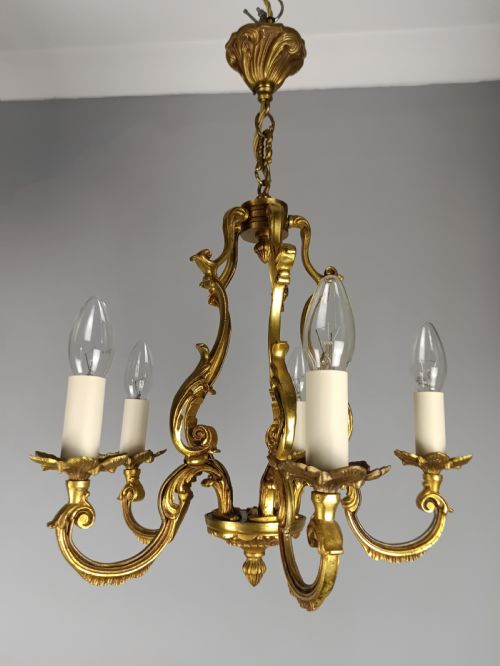
These French gilt brass pendant pieces bring warm metalwork and hanging illumination into a room, drawing the eye upwards with period detail.
French Gilt Brass Pendant
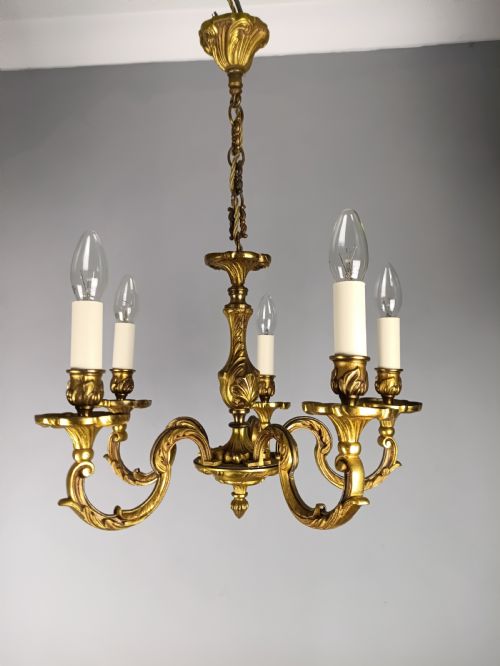
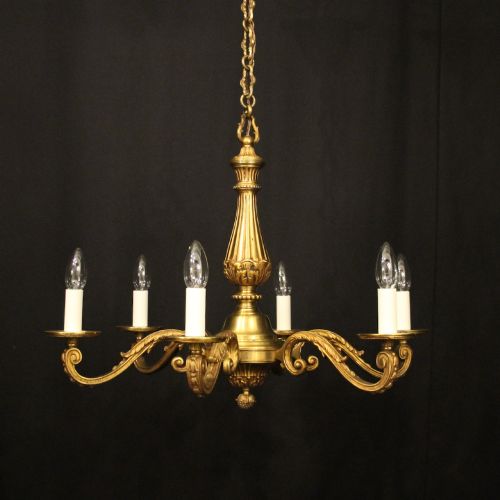
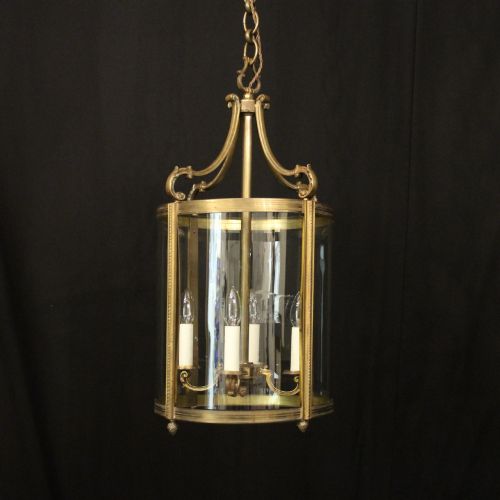
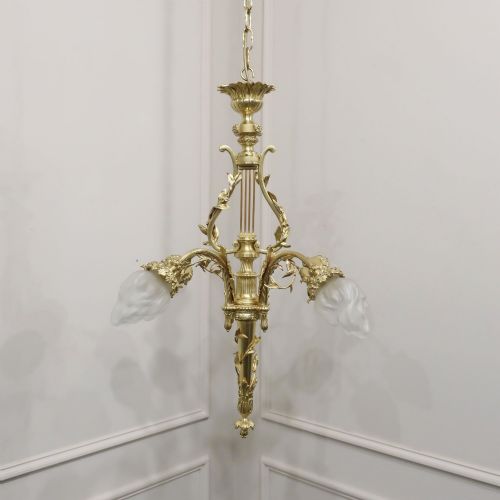
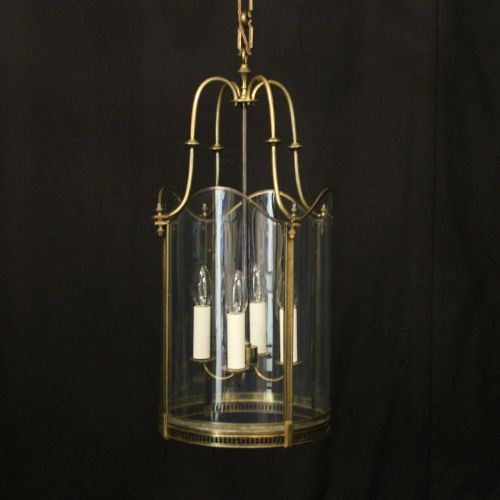
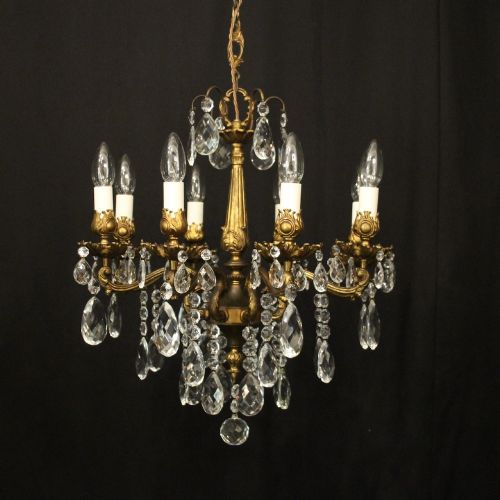
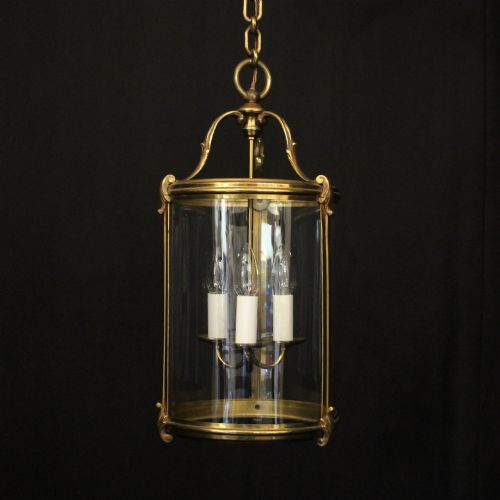
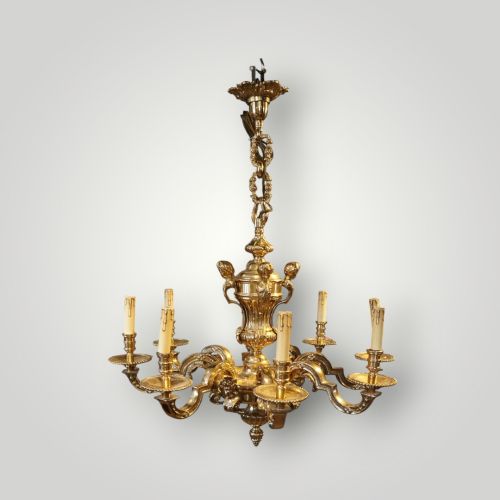
When you search for a French gilt brass pendant, you find hanging ceiling lights spanning the nineteenth century through the nineteen-thirties. The selection includes multi-arm chandeliers, hall lanterns with glass panels, and single bulb pendants.
Most examples originate from French workshops adhering to classical, empire, rococo, or art deco styles. Makers utilised cast metals and decorative glass to create functional illumination for high ceilings and entrance halls.
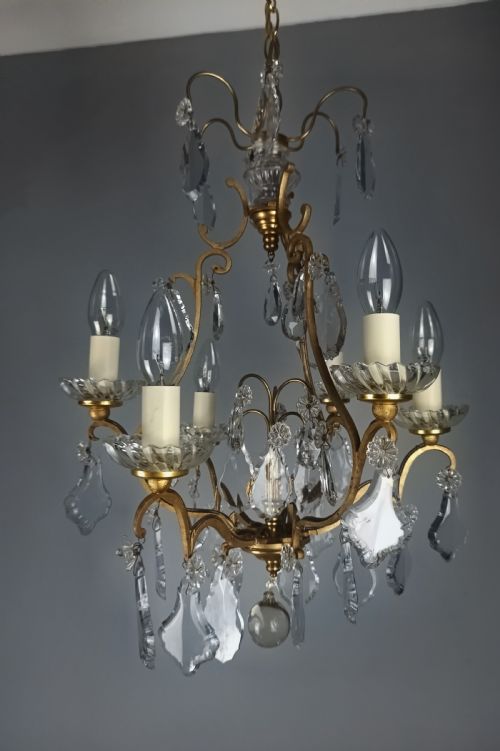
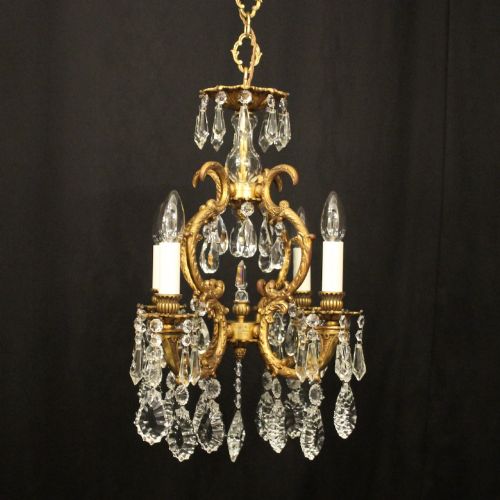
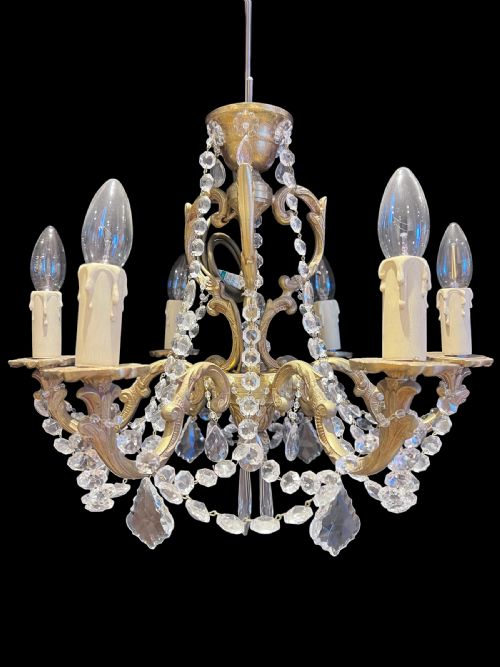
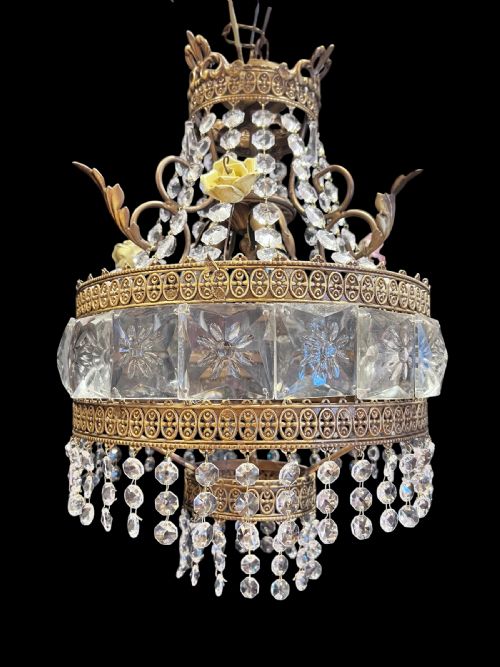
The objects vary from simple glazed brass lanterns to elaborate multi-light chandeliers hung with crystal prisms and porcelain flowers. Buyers select these fittings to anchor a room with continental decorative character.
Construction and Materials
Foundry workers cast brass, bronze, and gilt metals into structural frames, arms, and decorative mounts. Artisans then applied gold leaf or chemical gilding to the metal surfaces to achieve a rich metallic sheen.
Glassmakers produced etched globes, convex panes, and cut crystal prisms that attached to the metal frames with pins or wire. Workers incorporated porcelain flowers, ceramic elements, and tolewear components into specific floral and whimsical designs.
At least one winged cherub keeps watch from the ceiling.
Assessing Quality
The crispness of the metal casting dictates the refinement of the piece, separating sharp, hand-chased foliage from softer, commercial moulds. Heavier gauge brass and bronze provide structural integrity to larger multi-arm chandeliers and glazed lanterns.
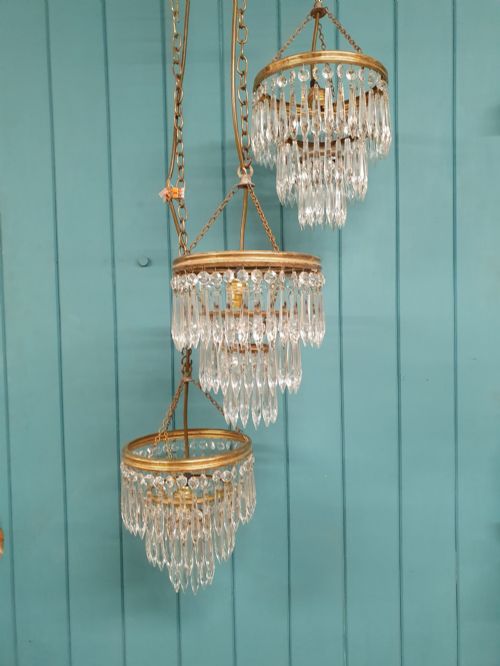
The completeness and quality of the hanging elements determine the overall coherence of the design. Original cut crystal prisms, undamaged etched glass panels, and intact fire-gilt surfaces elevate an object above standard replacements.
The French Gilt Brass Pendant Glossary
- Gilt brass
- A brass base metal treated with a gold-coloured finish or gold leaf layer. This technique gives the metal the appearance of solid gold while maintaining structural strength.
- Crystal
- High-clarity lead glass cut into geometric facets to refract light. Prisms and pendants are hung from chandelier arms to multiply illumination.
- Hall lantern
- An enclosed hanging light fixture designed specifically for vestibules and corridors. Panels of glass protect the internal light source from drafts.
- Empire style
- A neoclassical design movement originating in nineteenth-century France. It draws inspiration from ancient Roman and Greek motifs, favouring symmetry and military emblems.
- Rococo revival
- A nineteenth-century design style mimicking the asymmetrical scrolls and naturalistic shell motifs of the eighteenth century. It employs exuberant curves and flowing vegetal forms.
French Gilt Brass Pendant: Frequently Asked Questions
How do I hang a heavy antique lantern?
Suspension requires securing the ceiling rose directly to a ceiling joist or using a designated structural hook. The weight of cast bronze and glass demands appropriate fixings rather than standard plasterboard plugs.
Professional electricians should check the internal wiring and ensure the hanging chain supports the total mass safely.
Can I clean gilt brass safely?
Dusting with a dry, soft microfibre cloth removes surface particles without disturbing the underlying metal finish. Avoid abrasive metal polishes that strip away gold leaf or chemical gilding.
Mild soapy water on a damp cloth handles heavier grime, provided you dry the metal immediately afterwards.
What rooms suit a hall lantern?
Entrance hallways, stairwells, and landings provide ideal proportions for hanging lanterns with glass panels. Their enclosed design protects candles or electric bulbs in areas with foot traffic and drafts.
Smaller versions also function effectively in bathrooms and small alcoves when scaled correctly.
How do I date an antique chandelier?
Examining the construction of the metal arms, screw threads, and electrical wiring components reveals the manufacturing era. Nineteenth-century pieces often feature hand-cut threading and heavy sand-cast bronze components.
Later twentieth-century examples display standardised machine screws and distinct stylistic nods to art deco or revival periods.