


French Gilded Bronze Light
French gilded bronze light fixtures bring elaborate metalwork and warm illumination into interiors through chandeliers, wall sconces, and lanterns.
French Gilded Bronze Light
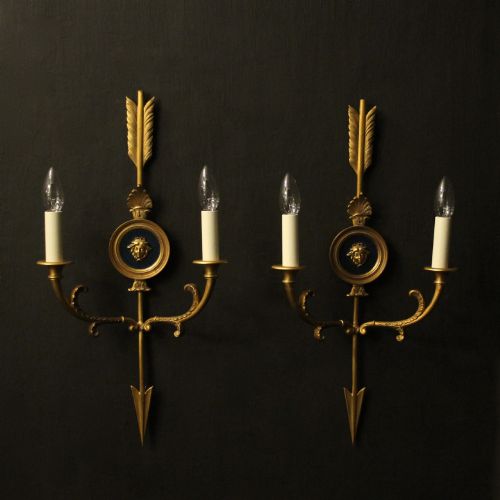
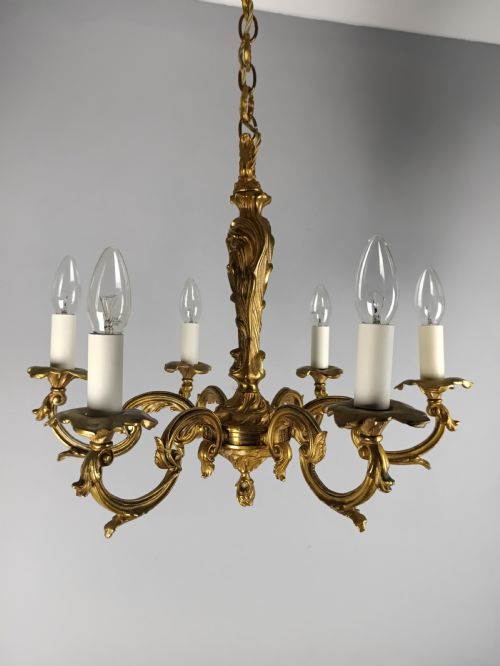
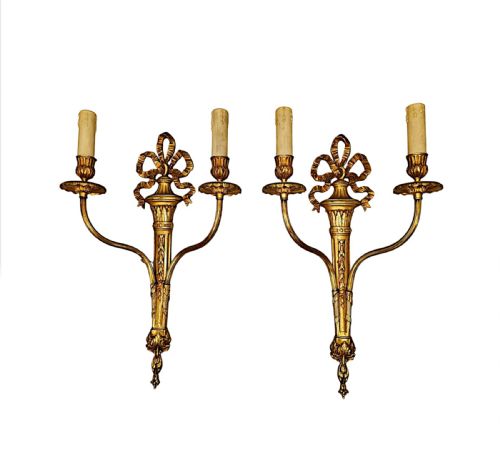
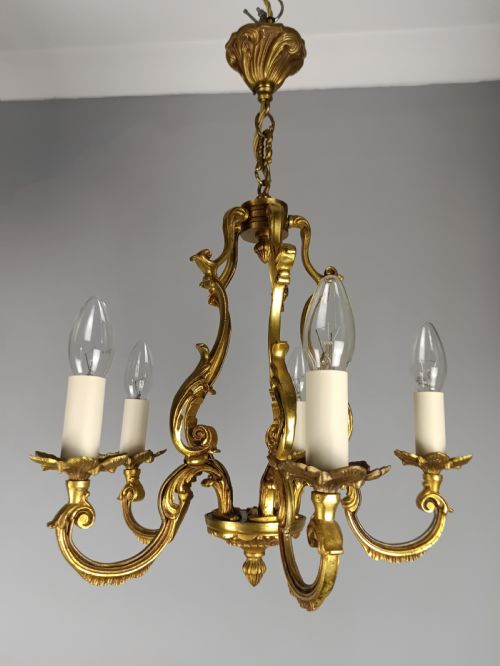
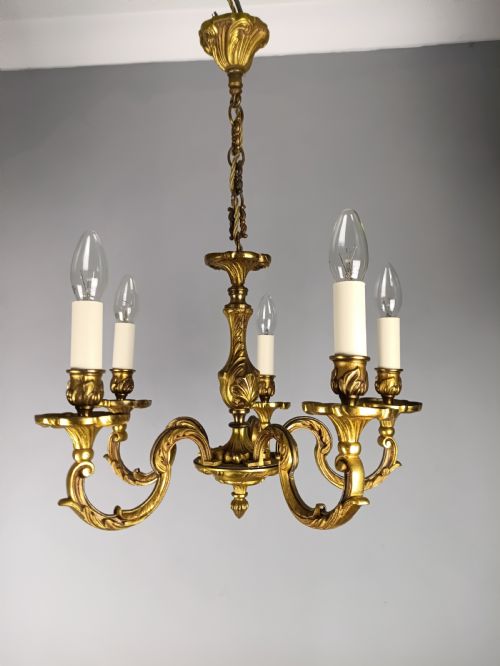
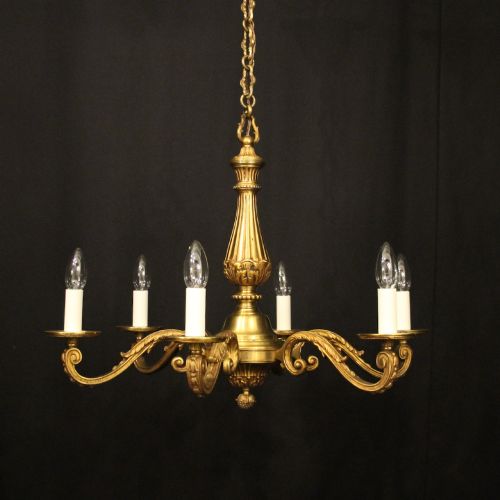
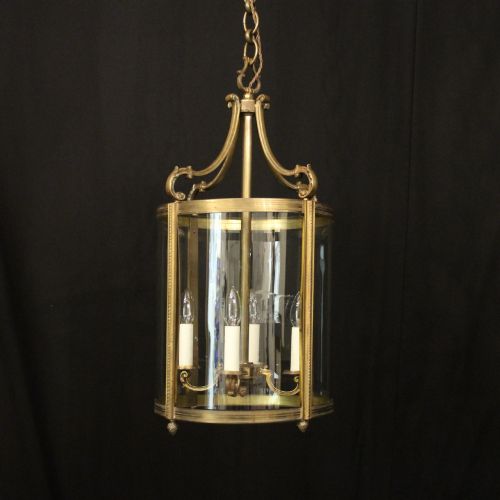
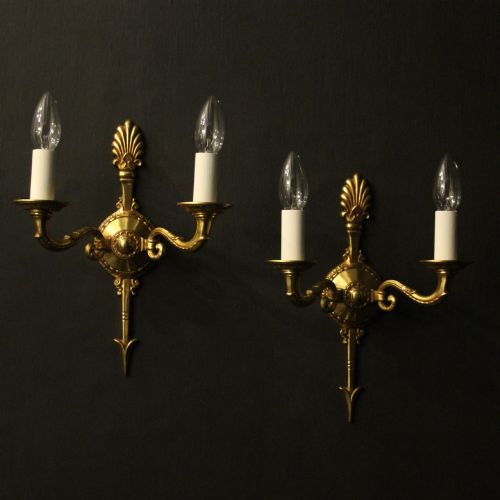
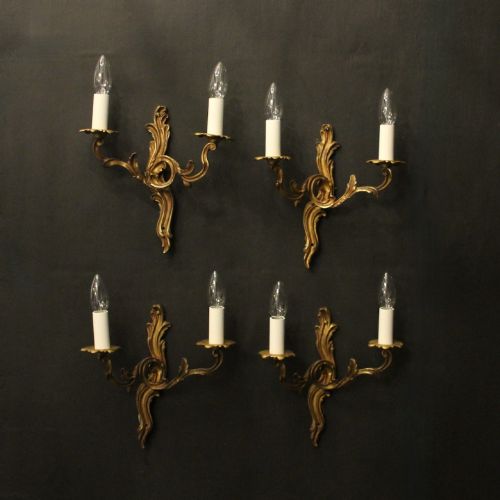
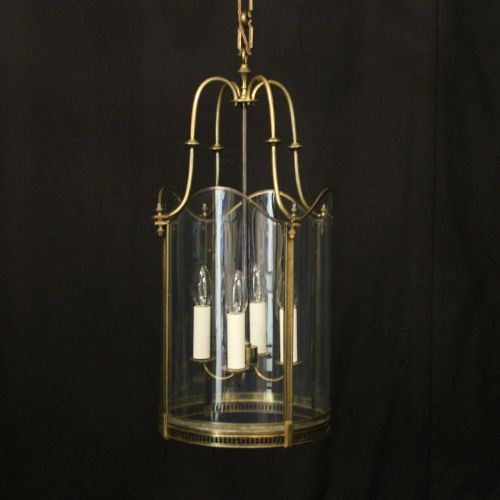
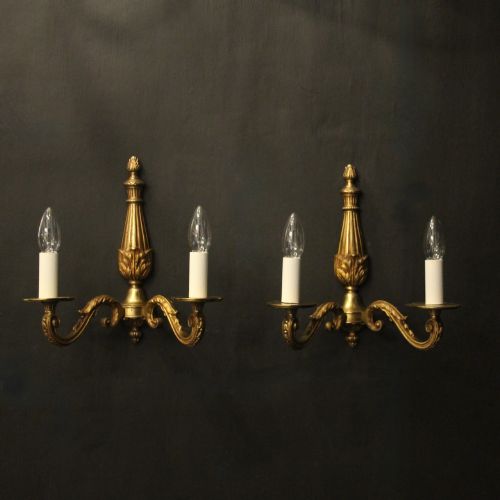
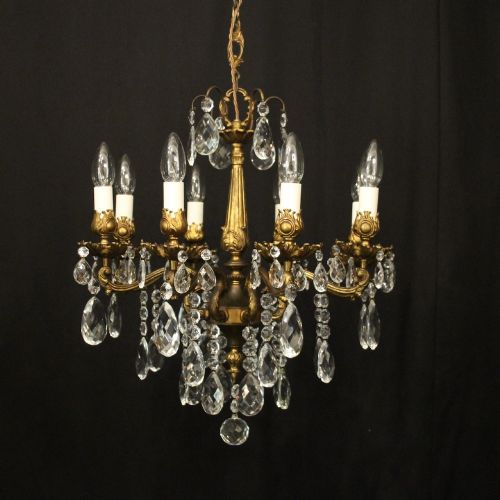
French gilded bronze light fixtures encompass chandeliers, wall lights, candelabra, and hall lanterns spanning the eighteenth, nineteenth, and early twentieth centuries. These pieces reflect historical design movements including Rococo, Neoclassical, Louis XVI, and Empire styles through cast metal forms.
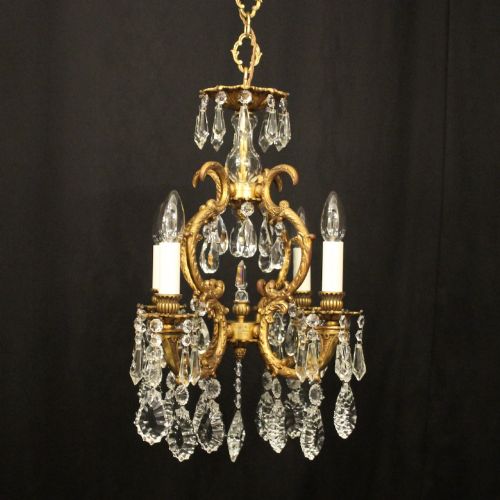
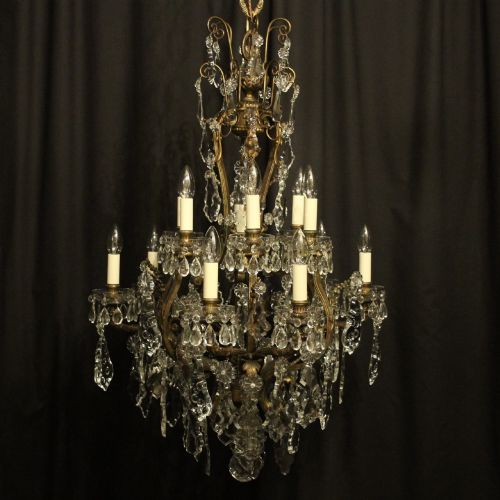
Buyers frequently encounter multi-arm wall sconces and chandeliers dating from the nineteen-twenties alongside nineteenth-century examples and eighteenth-century origins. These fixtures often incorporate cut crystal drops or glass elements suspended from gilded metal frames.
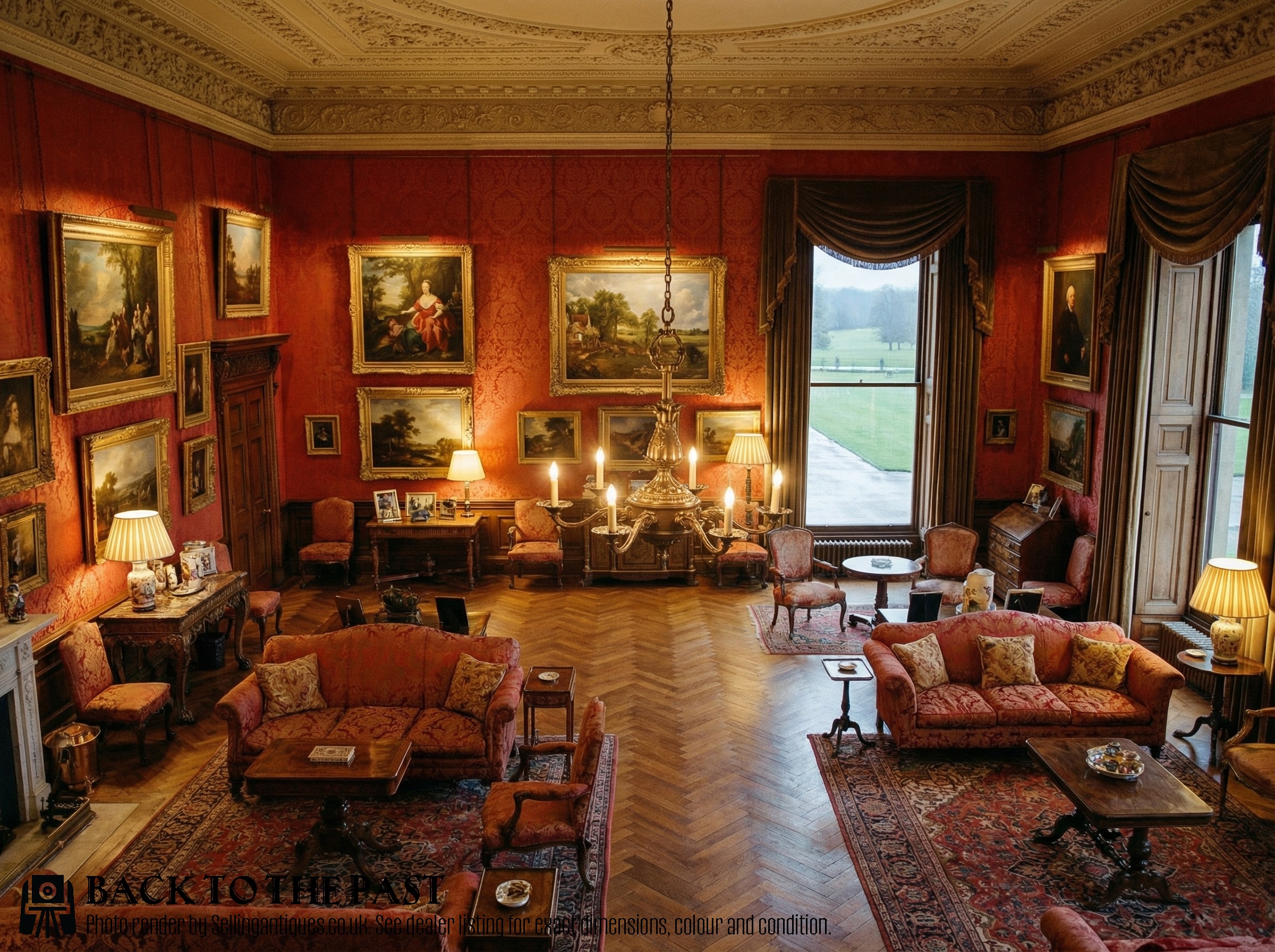
The objects serve functional illumination while acting as decorative focal points within a room. Common configurations range from single-arm wall lights to large multi-light chandeliers holding upwards of twenty bulbs.
Materials and technique
Craftsmen utilised bronze, brass, and metal alloys cast into complex ornamental shapes depicting foliage, ribbons, and classical motifs. The application of gold leaf or mercury gilding, also known as ormolu, provided the distinctive golden surface finish across the metal components.
Crystal drops and glass panels were integrated into chandeliers and lanterns to refract the light produced by candles or early electric bulbs. Structural elements were assembled using pins and screws to secure arms, bobeches, and central stems together.
Several lanterns incorporate convex glass panels designed to magnify the candlelight within narrow hallways.
Evaluating the pieces
The crispness of the chased detail on the bronze surface distinguishes finer examples from simpler production. Sharp definition in the casting of leaves, scrolls, and figural elements indicates skilled workshop execution.
The proportion and weight of the metal components, along with the clarity and cut of integrated crystal drops, separate standard fixtures from exceptionally grand pieces. Comprehensive retention of the original gilding enhances the integrity of the object.
The French Gilded Bronze Light Glossary
- Ormolu
- Gilded bronze produced by applying a mercury and gold amalgam to a bronze base and heating it until the mercury vaporised. This technique creates a durable, matte golden surface seen on eighteenth and nineteenth-century pieces.
- Chandelier
- A branched, suspended lighting fixture designed to hold multiple candles or bulbs. These objects often feature central stems decorated with crystal, glass, or cast bronze ornamentation.
- Bobeche
- A small collar or drip pan positioned beneath the candle nozzle to catch melting wax. It prevents wax from spilling onto the lower arms and decorative body of the light.
- Empire
- A Neoclassical design style popular during the early nineteenth century characterised by military motifs, classical urns, and severe geometric symmetry. Pieces from this period utilise heavy cast bronze and distinct patination.
French Gilded Bronze Light: Frequently Asked Questions
How do I clean a gilded bronze light?
Dust the metal gently using a soft brush to avoid disturbing the gilded surface or fragile crystal elements. Avoid harsh chemical cleaners that can strip the historic finish from the bronze.
For glass and crystal components, detach them if possible and wash in warm soapy water before drying thoroughly. Reattach the drops carefully to their original suspension points.
Are these lights wired for modern electricity?
Many surviving fixtures have been adapted for electrical use over time to suit contemporary domestic requirements. Rewired examples incorporate internal cabling routed discreetly through the central stems and arms.
Buyers should consult a qualified electrician to inspect the internal wiring of any vintage lighting purchase prior to domestic installation. This ensures compliance with current safety standards.
What is the difference between ormolu and gilt bronze?
Ormolu specifically denotes the historic French process of mercury gilding applied to bronze during the eighteenth and nineteenth centuries. The term is often used interchangeably with gilt bronze in modern descriptions.
Both finishes provide a golden metallic surface, though mercury gilding yields a distinct depth and texture not replicated by later electroplating methods.
How are wall lights typically mounted?
Wall sconces feature a backplate with designated screw holes designed to attach directly to wall studs or secure mounting blocks. The electrical connections are housed behind this backplate within the wall cavity.
Due to the substantial weight of cast bronze fixtures, professional installation using appropriate wall anchors is recommended to support the load securely.