





French Flower Trough
A french flower trough brings botanical display indoors with classic elegance, offering a practical vessel for indoor flora.
French Flower Trough
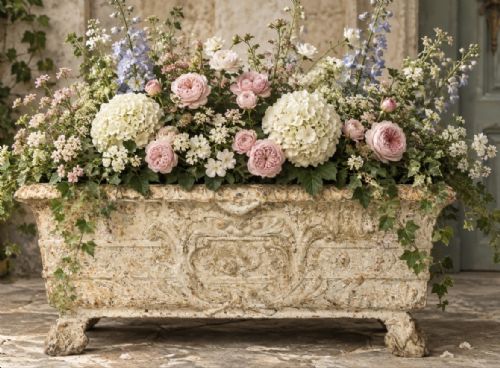
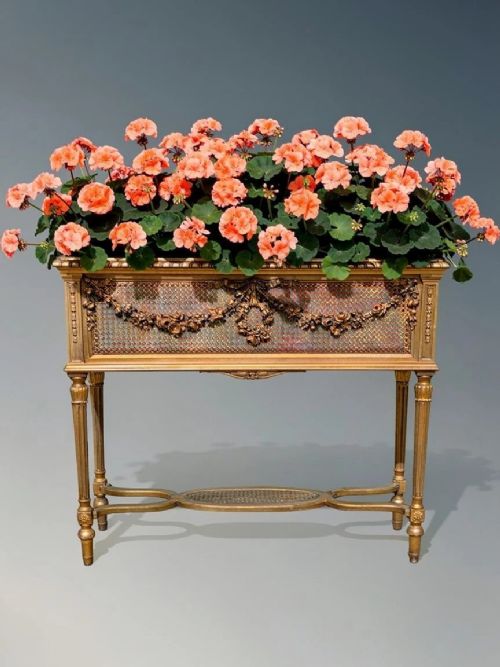
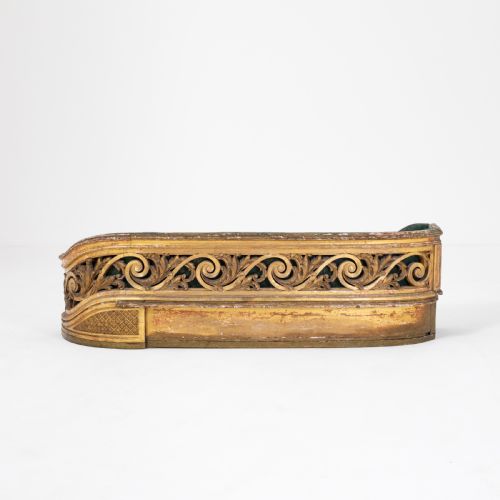
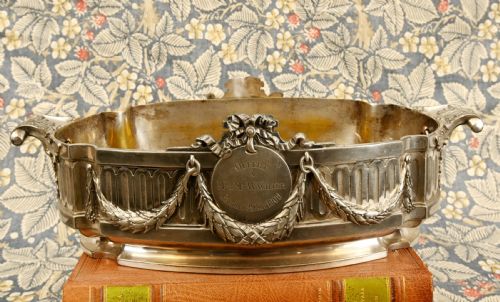
A french flower trough serves as a decorative receptacle for plants and floral arrangements, often taking the form of a low rectangular planter or jardiniere. Buyers searching this phrase encounter items primarily from the nineteenth century, alongside eighteenth-century examples and turn-of-the-century designs.
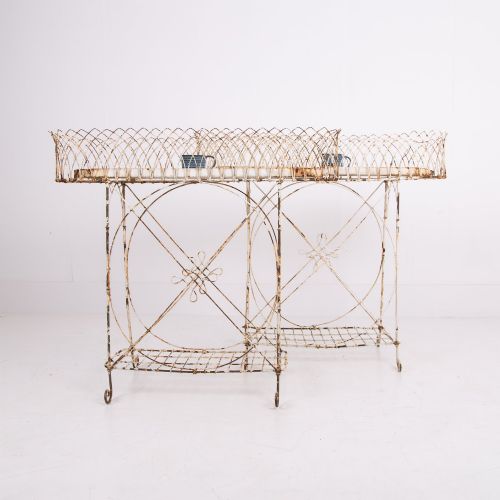
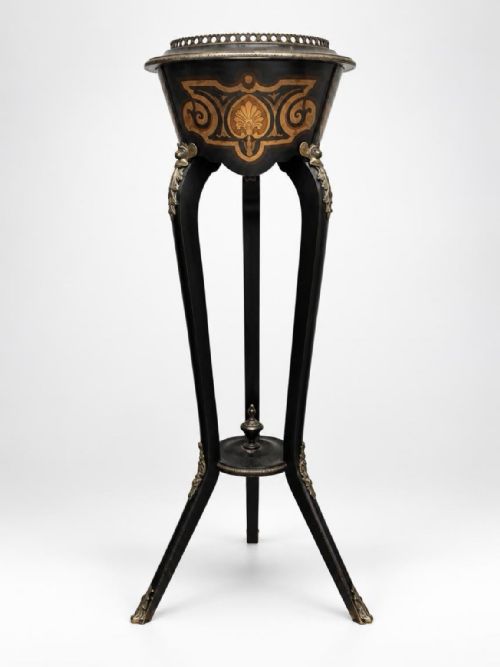
The objects listed on this page span several distinct regional aesthetics, including French chateau, country, and classical revival styles. Forms range from traditional urns and jardinieres to woven cane vessels and carved wooden troughs.
Materials and construction
Woodworking traditions appear through carved giltwood, satinwood, walnut, and mahogany, frequently complemented by natural cane work. Artisans shaped these organic materials using classical joinery and decorative carving techniques typical of Louis styles and the Art Nouveau period.
French Flower Trough Retail Price Guide 2026
Typical asking prices for french flower trough among the pieces listed under this phrase on Sellingantiques today, from the lower quarter to the upper quarter. They describe what is for sale here now, not the wider market.
Listings feature items from the eighteenth, nineteenth, and early twentieth centuries, spanning styles from Louis XVI to Art Nouveau.
Judging quality and execution
The distinction between ordinary and exceptional pieces lies in the crispness of the hand-carved detail on wooden frames and the refinement of cast metal ornamentation. Finer examples display harmonious proportions and sophisticated surface finishes such as genuine gilding rather than simple paint.
Material integrity and the preservation of original elements dictate the standing of a piece within its period. High-tier items retain their original metal liners, untampered patination, and structurally sound joinery across walnut, satinwood, or giltwood bodies.
The French Flower Trough Glossary
- Jardiniere
- An ornamental pot or stand for plants and flowers. These vessels often sit upon tables or floor pedestals to elevate greenery.
- Giltwood
- Wood that has been covered with a thin layer of gold leaf or gesso and gold paint. This finish creates a luminous, reflective surface popular in classical European interior design.
- Neo-Classical
- A style of art and architecture inspired by the classical art and culture of ancient Greece and Rome. It emphasises symmetry, straight lines, and restrained ornamentation.
- Satinwood
- A hard, durable wood with a golden lustre, native to Ceylon and India. Cabinetmakers prized it for fine veneer work and decorative furniture during the eighteenth and nineteenth centuries.
French Flower Trough: Frequently Asked Questions
What is a french flower trough?
A french flower trough is an ornamental container designed to hold plants, flowers, or floral arrangements within domestic interiors or sheltered garden spaces. These vessels combine functional waterproof qualities with decorative exterior styling.
They appear in various forms, including classical urns, low wooden boxes, and metal jardinieres. Collectors use them to introduce botanical elements into period rooms.
How were these planters used?
Historically, these troughs placed living plants or cut flowers directly into reception rooms, dining areas, and entrance halls. They allowed homeowners to display indoor flora without damaging delicate indoor surfaces.
Many featured metal or zinc liners to contain water and soil safely. This practical design protected surrounding wooden furniture and flooring from dampness.
Are metal planters original?
Original metal planters utilise period-appropriate materials like cast iron, wrought iron, zinc, or silver-plated brass. Evaluating the natural oxidation and wear helps determine the age of the metal components.
Manufactured finishes and structural joins should align with nineteenth-century metalworking standards. Genuine pieces often display honest patination acquired through decades of use.