

French Floral Table
A french floral table brings together intricate marquetry and graceful curves from the nineteenth and early twentieth centuries.
French Floral Table
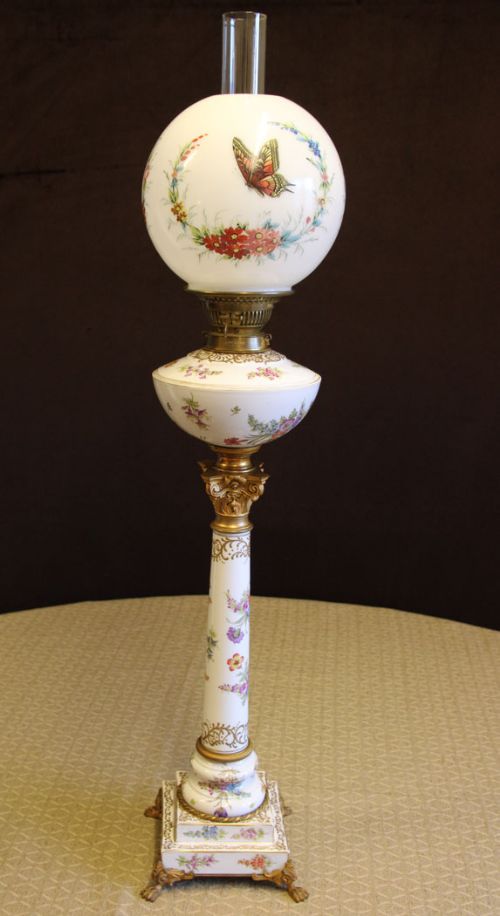
A french floral table encompasses a variety of practical furniture forms designed for display, writing, and bedside use across the nineteenth and early twentieth centuries. Pieces matching this search phrase frequently appear as centre tables, writing desks, side tables, and bedside cabinets.
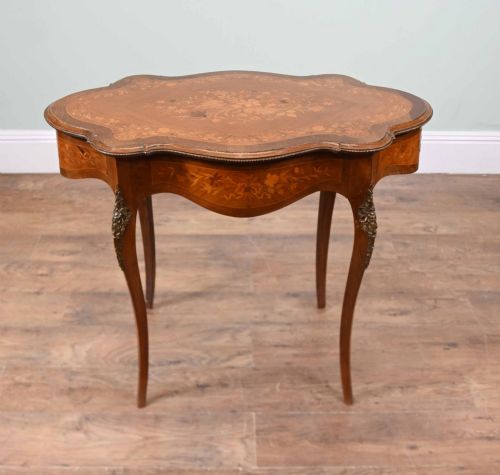
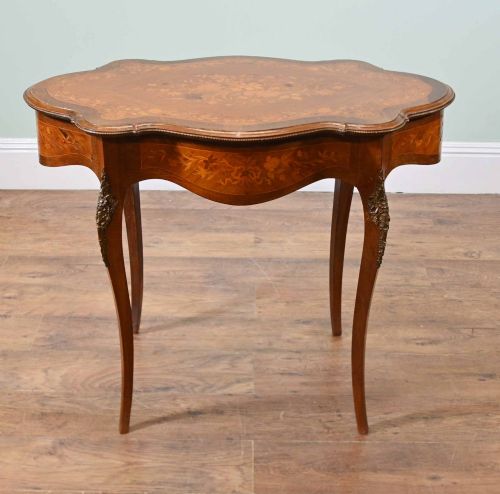
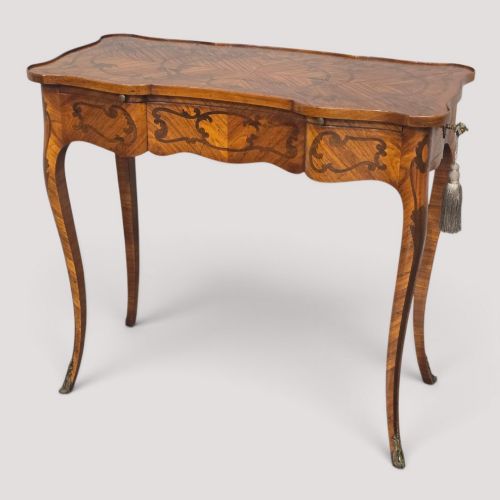
The aesthetic draws heavily from the Louis XV style and French Rococo Revival, incorporating flowing serpentine lines and organic motifs. Surviving examples demonstrate how cabinet makers translated classical continental forms into functional items for British and European interiors.
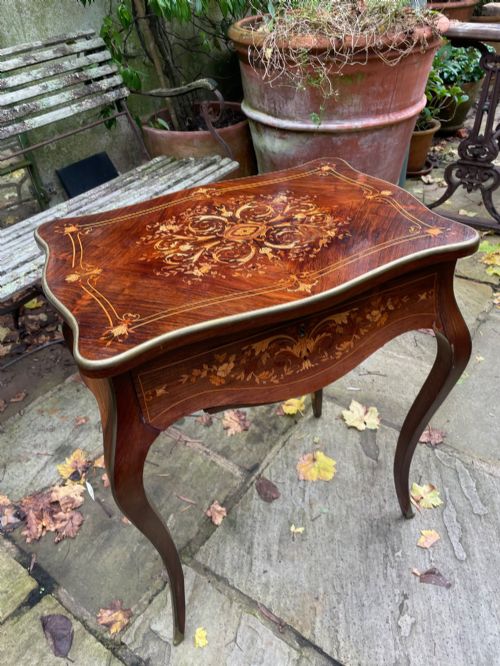
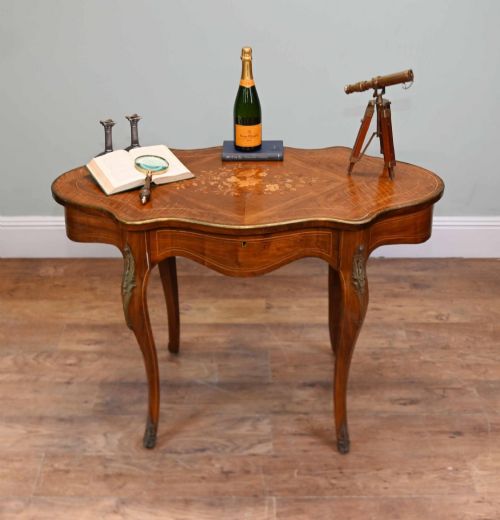
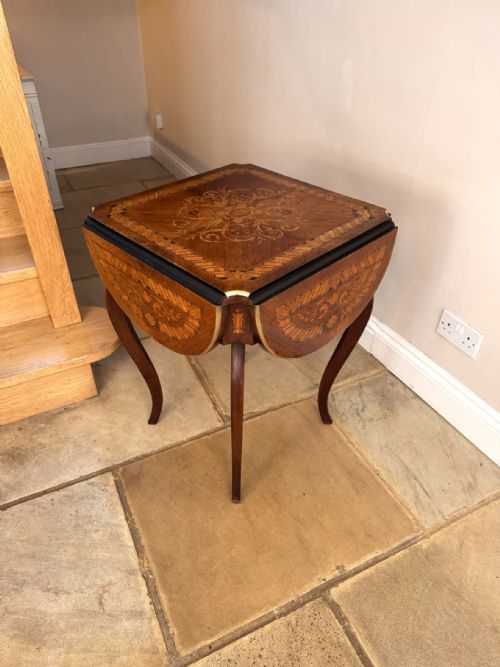
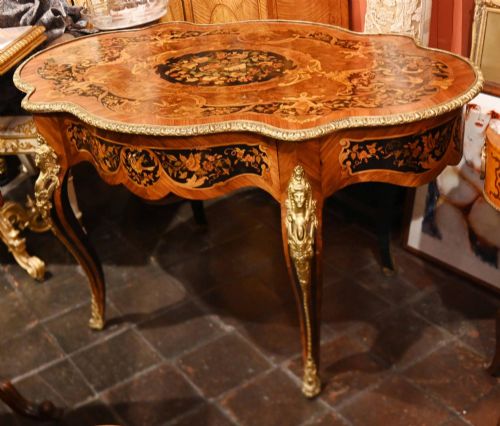
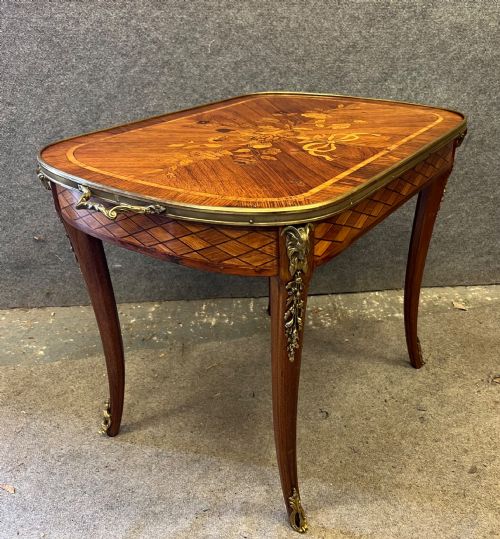
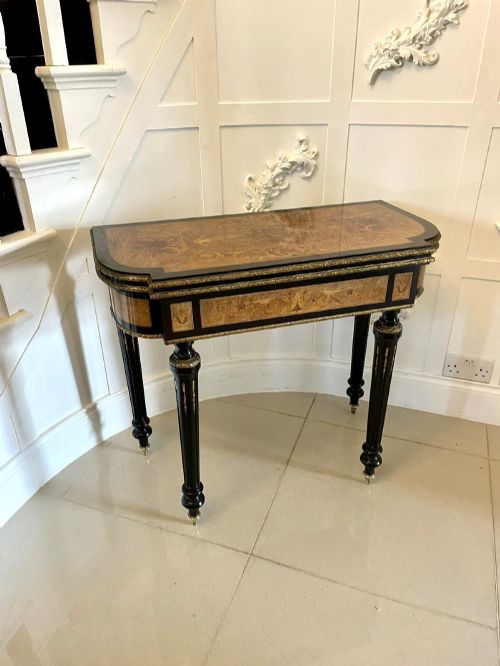
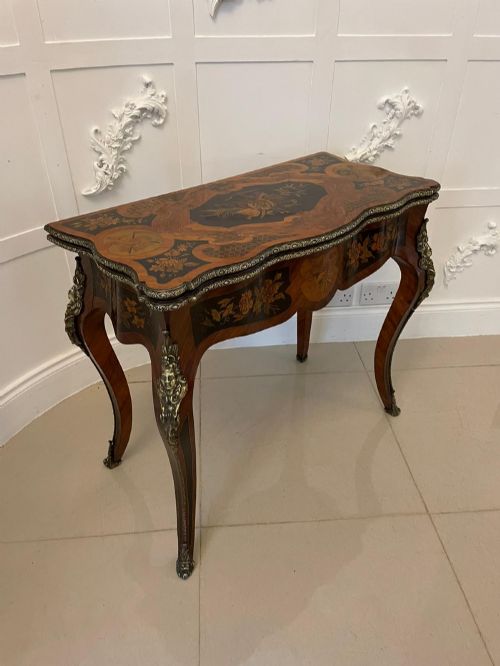
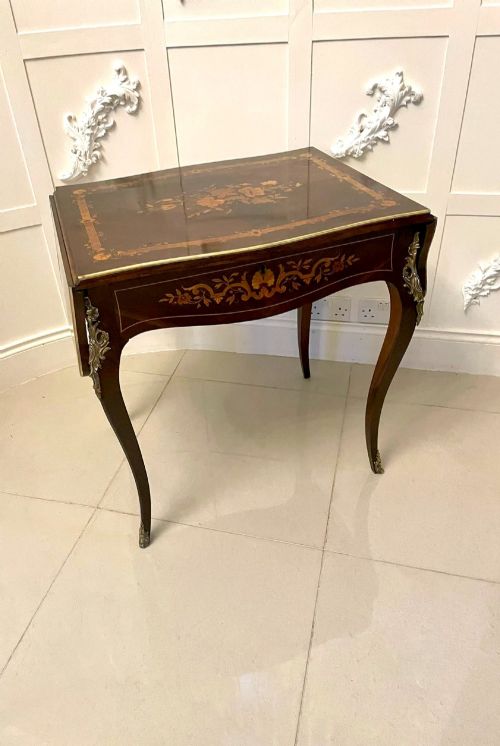
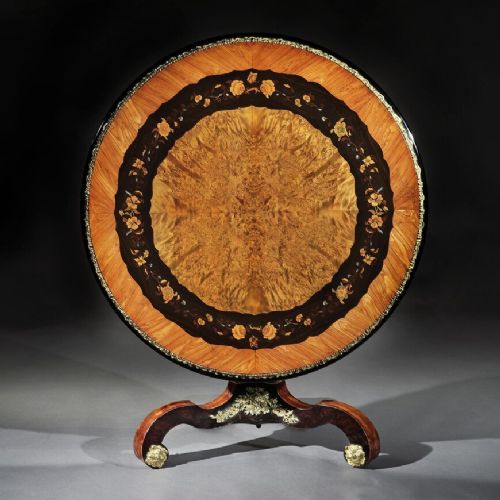
Makers utilised rich timber veneers to create detailed floral patterns across the surface of each table. These designs range from simple geometric floral inlays on smaller bedside chests to elaborate pictorial marquetry scenes on large freestanding centre tables.
How they were made
Craftsmen built these tables using a sturdy foundational carcass of walnut or oak, overlaid with expensive decorative veneers such as kingwood, rosewood, and satinwood. Cabinet makers cut contrasting tinted woods by hand to form intricate floral marquetry panels set directly into the tabletops.
Gilt bronze and ormolu mounts were cast and chased to protect and decorate vulnerable edges, corners, and cabriole legs. Brass fittings and glass components also appear on specific forms like etagères and bureau plats to complete the structural detailing.
French Floral Table Retail Price Guide 2026
Typical asking prices for french floral table among the pieces listed under this phrase on Sellingantiques today, from the lower quarter to the upper quarter. They describe what is for sale here now, not the wider market.
Listings feature periods spanning from the mid-nineteenth century through the Edwardian era, predominantly showcasing walnut, kingwood, and rosewood veneers.
What varies in quality
The distinction between standard commercial items and exceptional pieces rests primarily on the depth and precision of the marquetry work. Finer examples employ a wider palette of naturally coloured woods to create shading within the floral petals and leaves, rather than relying on inked or burned lines.
Quality shows in the weight and crispness of the cast ormolu mounts fixed to the corners and legs. Superior tables maintain harmony between the timber veneers, the patination of the bronze fittings, and the structural integrity of the curved framework.
Edward Holmes Baldock·Edwards and Roberts
The French Floral Table Glossary
- Marquetry
- A technique where pieces of different coloured wood veneer are fitted together to form decorative pictorial designs on a furniture surface. This method creates the floral motifs seen across nineteenth-century tabletops.
- Ormolu
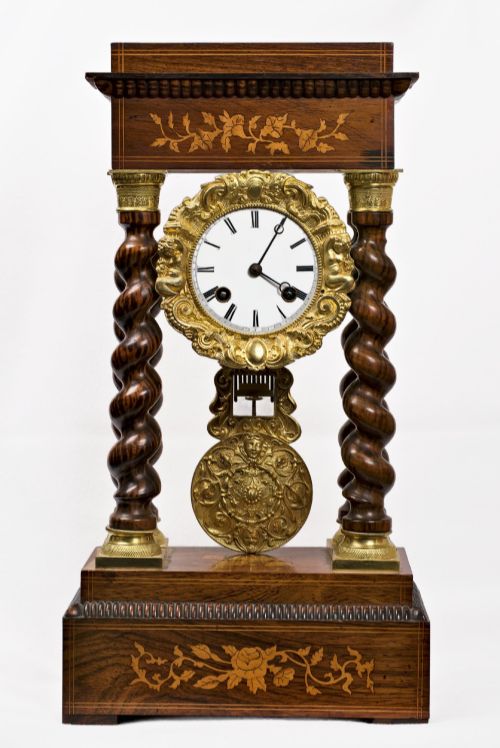
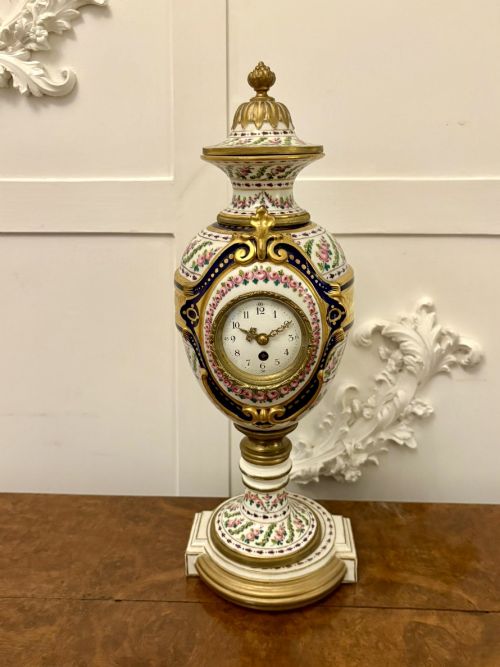
- Gilded bronze applied as decorative mounts to furniture frames and clock cases. The finish provides metallic contrast against dark exotic wood veneers.
- Kingwood
- A dense, heavily figured timber with dark violet-brown streaks used extensively for fine veneer work. Cabinet makers favoured this material for its rich colour and polished sheen.
- Bureau Plat
- A formal freestanding writing table fitted with drawers across the frieze. These pieces typically display elaborate floral inlay on the top and sides.
- Étagère
- An open tiered stand designed for displaying small decorative objects or books. Examples from this period often incorporate marquetry shelves and brass supports.
French Floral Table: Frequently Asked Questions
How do I date a french floral table?
Dating relies on identifying the underlying timber construction, veneer choices, and stylistic cues from the nineteenth or early twentieth centuries. Victorian and Edwardian interpretations often adapt Louis XV revival motifs using kingwood and walnut.
Examining the underside, drawer construction, and the ageing of the brass or ormolu mounts helps confirm the period of manufacture. Makers' stamps or signatures, when present, provide a direct link to specific workshops.
Where should I place a centre table?
A freestanding centre table is designed to be viewed from all sides, making it suitable for the middle of a principal room or a large hallway. Because the floral marquetry covers the tabletop, placement away from walls allows the decorative surface to remain fully visible.
Keep these tables away from direct sunlight and strong heat sources to protect the delicate wood veneers and natural glues from drying out over time.
How do I care for antique wood veneer?
Maintenance requires gentle cleaning with a soft, dry cloth to remove dust without disturbing the surface polish. Avoid using modern silicone sprays, abrasive household cleaners, or excessive water on marquetry panels.
Applying a traditional beeswax polish occasionally helps nourish the rosewood, kingwood, or walnut timbers and maintains a soft protective sheen across the floral decoration.
What is the difference between a side table and an etagere?
A side table provides a single surface intended to stand against a wall or beside seating furniture. These frequently feature inlaid drawers or shaped aprons in the French style.
An etagere consists of multiple open tiers supported by slender columns or brass mounts, specifically built for vertical display rather than writing or storage.