



French Floral Plate
These french floral plate examples bring botanical charm into your home through delicate hand-painted motifs and refined ceramic traditions.
French Floral Plate
A french floral plate represents a diverse category of antique ceramics and decorative objects spanning multiple centuries of craftsmanship. When browsing this selection, you encounter items ranging from delicate 18th-century soft-paste porcelain to later Victorian and Edwardian iterations.
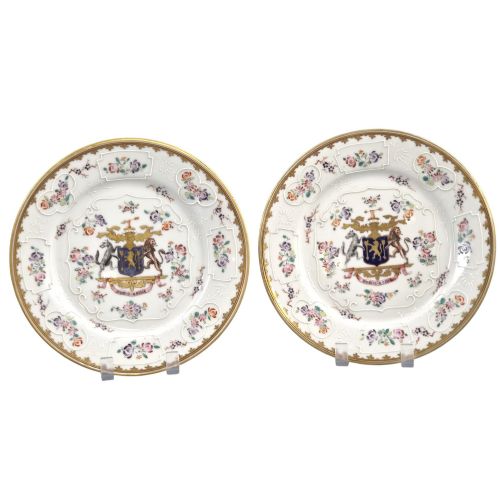
The objects take various forms beyond simple tableware, including cabinet plates, dinner service components, and even architectural hardware like door push plates. Their primary unifying characteristic is the presence of painted or moulded floral decoration originating from French makers and workshops.
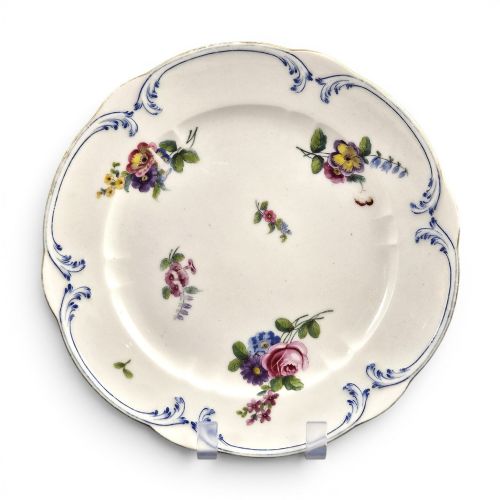
You are most likely to meet pieces produced during the 18th century, particularly soft-paste porcelain examples featuring traditional floral arrangements and ozier borders. Later 19th-century interpretations in the manner of established manufactories also frequently appear in this selection.
Materials and Manufacturing Techniques
Makers utilised soft-paste porcelain as a primary substrate for these plates, particularly during the eighteenth century in establishments such as Chantilly and Sèvres. This composition required precise firing techniques and resulted in a warm, absorbent body ideal for holding coloured enamel pigments.
Decoration relied heavily on hand-painted enamel colours applied over or under the glaze to create botanical scenes. Artisans frequently enhanced these floral compositions with gold leaf and gilt accents, highlighting moulded borders and rims.
French Floral Plate Retail Price Guide 2026
Typical asking prices for french floral plate among the pieces listed under this phrase on Sellingantiques today, from the lower quarter to the upper quarter. They describe what is for sale here now, not the wider market.
Even door push plates received the botanical treatment, proving that Victorians wanted flowers under their fingertips everywhere they walked.
Assessing Quality and Execution
The refinement of the painted botanical detail separates standard production from exceptional examples. Superior pieces display meticulous brushwork in the floral motifs, with subtle tonal gradations and precise botanical accuracy that reflect the skill of the painter.
The purity and integrity of the porcelain body also dictate quality, alongside the crispness of any moulded relief work such as ozier borders. Furthermore, the preservation of original gilding and enamel vibrancy without excessive rubbing indicates superior preservation and original execution.
Ambroise Michel·Edmé Samson And Cie·Pucher Deroche·Rene Lalique
The French Floral Plate Glossary
- Soft-paste porcelain
- A type of ceramic body composed of clay and glass frit, fired at lower temperatures than hard-paste porcelain. It was widely used in eighteenth-century French manufactories.
- Ozier border
- A moulded wickerwork pattern used on the rims of ceramic plates. This basketweave texture became popular in eighteenth-century European porcelain design.
- Enamel
- Opaque glass-based pigment applied to ceramic or metal surfaces and fired to achieve permanent colour. It provides the vibrant hues seen in floral plate decorations.
- Cabinet plate
- A decorative ceramic plate intended for display in a cabinet or on a wall rather than for dining use. These pieces often feature elaborate painted scenes or gilt borders.
French Floral Plate: Frequently Asked Questions
How do I date an antique french floral plate?
Dating relies on examining the characteristics of the ceramic body, glaze, and painting style. Eighteenth-century examples often utilise soft-paste porcelain with hand-painted botanical sprays.
Maker's marks on the reverse provide further chronological context, though many early pieces relied solely on stylistic cues rather than stamps.
What is the difference between soft-paste and hard-paste?
Soft-paste porcelain contains glass frit and is fired at lower temperatures, producing a softer texture and a slightly creamy glaze. It was favoured by early French workshops for its receptive surface.
Hard-paste porcelain includes kaolin and petuntse, requiring higher firing temperatures to create a denser, wheter, and more vitrified ceramic body.
How should I display my floral plates?
Wall mounting requires specialised plate hangers with rubber-coated grips to prevent scratching the edges or chipping the soft-paste body. Ensure the hardware supports the weight securely.
Alternatively, sturdy plate stands inside enclosed cabinets protect the items from accidental knocks while keeping the painted floral details clearly visible.