


French Fireplace Guard
A french fireplace guard protects a room from stray embers while adding sculptural metalwork to the hearth.
French Fireplace Guard
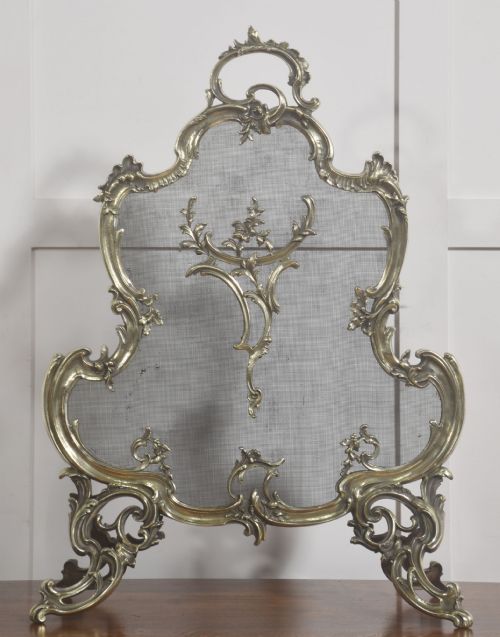
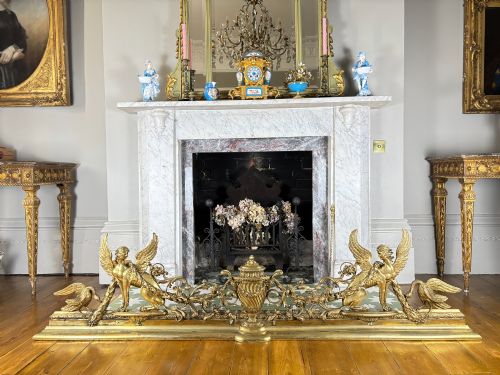
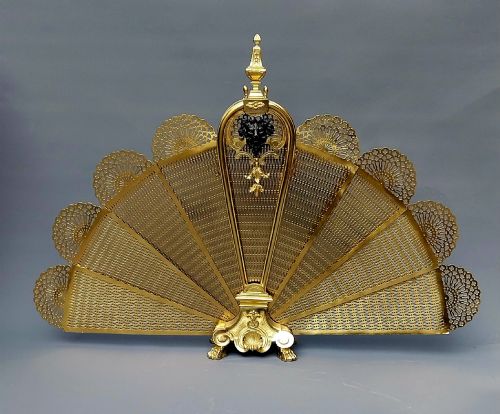
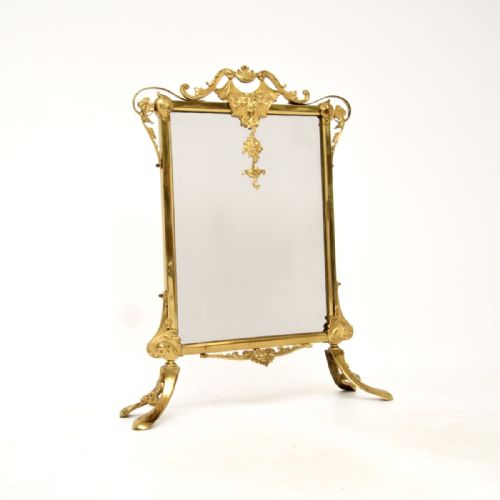
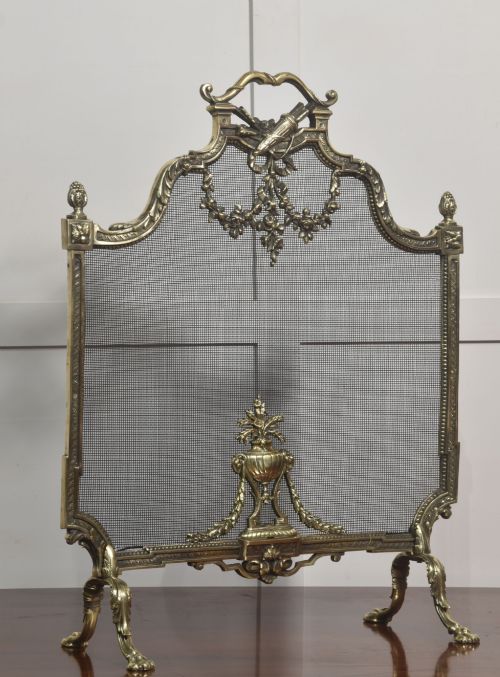
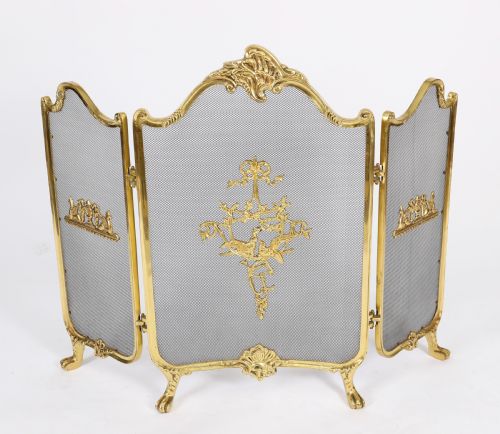
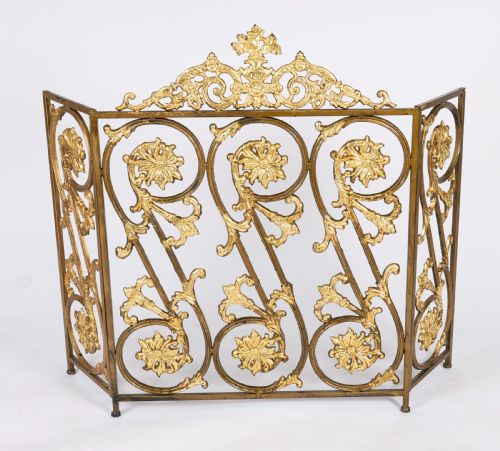
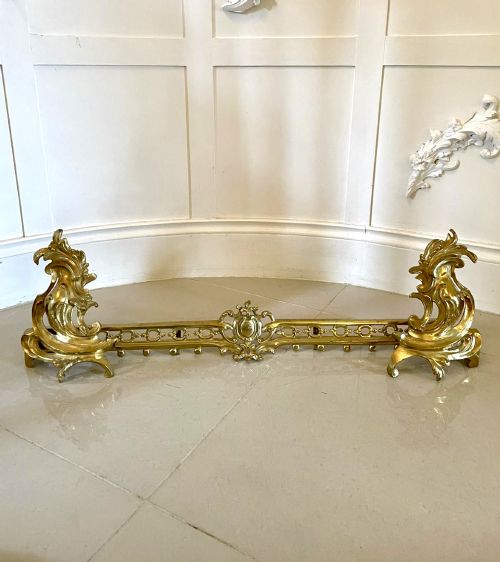
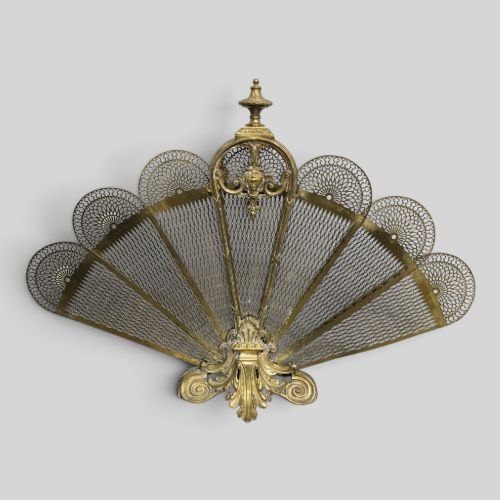
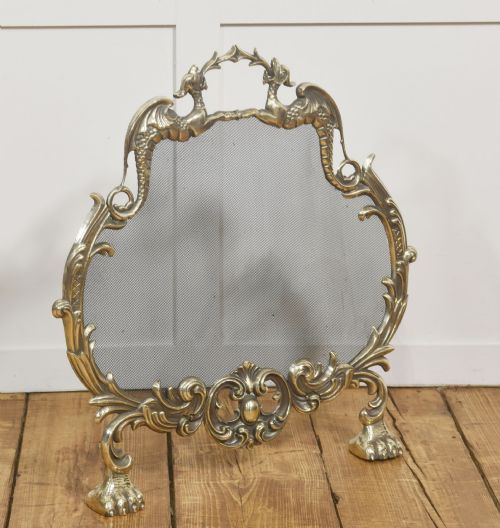
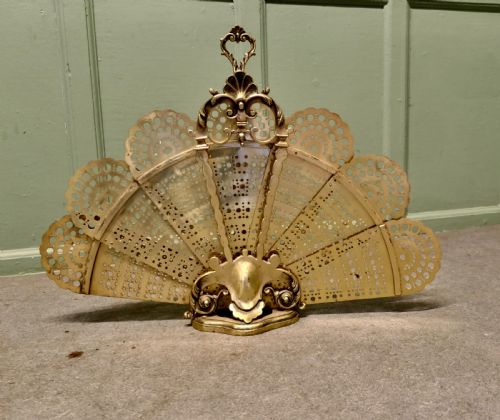
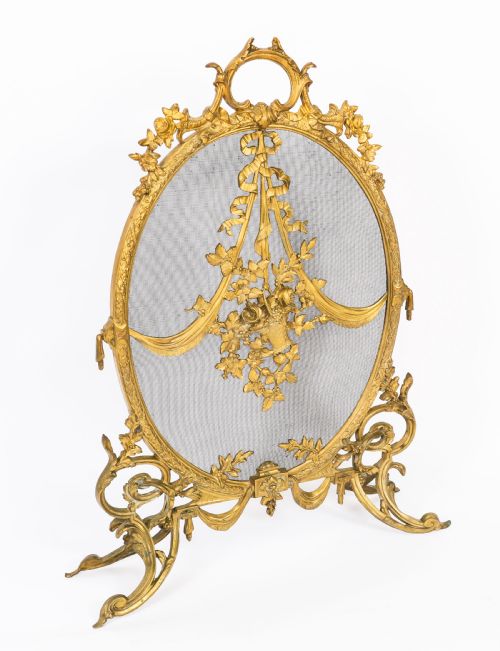
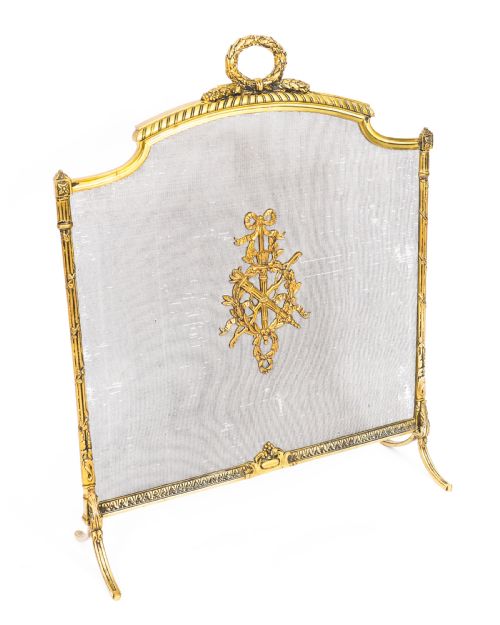
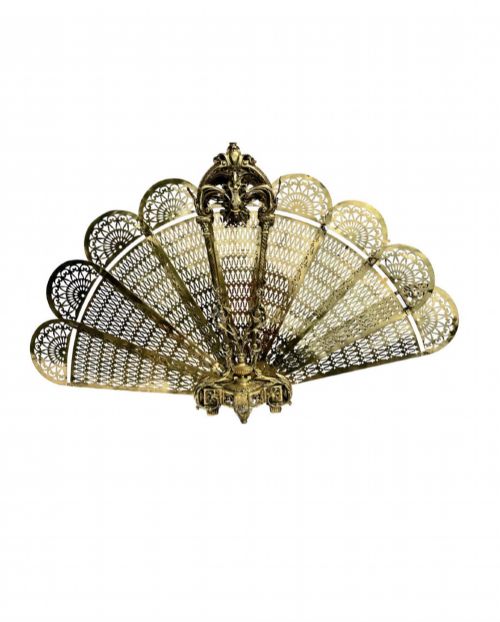
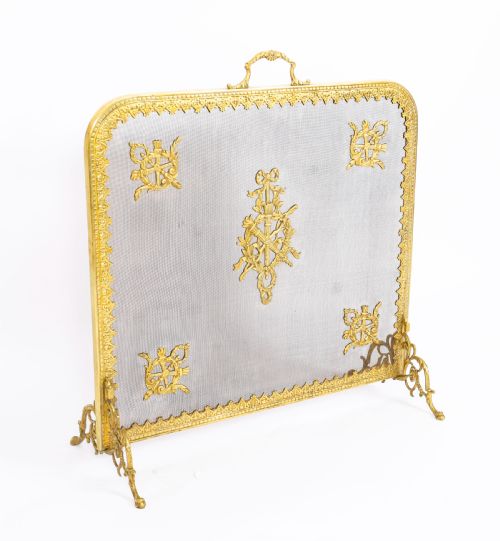
A french fireplace guard takes several distinct physical forms on this page, primarily standing fire screens, folding spark screens, and extending hearth fenders. Screens range from single rigid panels to triple-folding configurations and expanding peacock tail designs.
The objects stem predominantly from the nineteenth century, including periods such as 1860, 1870, 1880, 1900, and 1910, alongside Victorian interpretations. Buyers will frequently encounter examples displaying French Rococo Revival, Louis XV style, Louis XIV revival, Neoclassical, and French Empire Revival aesthetics.
Materials and Construction
Metalwork forms the core of these pieces, utilising brass, gilt brass, gilt bronze, bronze, cast iron, copper, and steel. Artisans combined cast metal frames with fine wire mesh or perforated brass panels designed to catch sparks while maintaining transparency before the fire.
Decorative elements involve intricate surface treatments, including fire gilding and ormolu mounts. Frames feature cast ornamentation such as flaming torches, floral motifs, musical trophies, dolphins, and classical urns assembled with structural iron or steel components.
French Fireplace Guard Retail Price Guide 2026
Typical asking prices for french fireplace guard among the pieces listed under this phrase on Sellingantiques today, from the lower quarter to the upper quarter. They describe what is for sale here now, not the wider market.
Listings feature items dated across the nineteenth and early twentieth centuries, spanning from 1800 to 1920.
Judging Quality in Hearth Guards
Quality rests heavily on the crispness of the metal casting and the depth of the chased detail. Superior examples display sharply rendered motifs, clean piercing in brass panels, and substantial weight in the bronze or brass framework rather than thin, light stampings.
The integrity of the hinged joints on folding screens and the original quality of the gilding or patination dictate the grade of the piece. Fine objects retain substantial gilt layers and robust mesh panels securely integrated into the main frame.
E F Caldwell New York·Bouhon Frères
The French Fireplace Guard Glossary
- Fire screen
- A protective barrier placed in front of an active fireplace to shield the room from radiant heat and stray embers. These objects often double as decorative furnishings during warmer months when the hearth is unlit.
- Gilt bronze
- Metalwork coated with a thin layer of gold, frequently referred to as ormolu on nineteenth-century decorative pieces. This technique imparts a durable, rich metallic lustre to cast bronze ornaments.
- Fender
- A low metal guard placed on the hearth around the perimeter of a fireplace to contain logs, ash, and rolling embers. Some versions feature adjustable lengths to fit varying hearth dimensions.
- Chenets
- Andirons or firedogs placed inside the hearth to support logs for burning. They often match the stylistic vocabulary of nearby fire screens and fenders.
French Fireplace Guard: Frequently Asked Questions
How do I choose the right size guard?
Measure the width and height of your fireplace opening to ensure the screen adequately covers the hearth space without overwhelming the surrounding mantel.
Consider whether you require a static single panel or a folding design that adapts to different seasonal requirements.
What is the difference between a screen and a fender?
A screen stands vertically to block heat and sparks from entering the room, whereas a fender sits horizontally on the floor around the hearth perimeter.
Many period arrangements utilise both accessories together to frame the fireplace completely.
How should I clean antique brass and bronze?
Dust the metal surfaces regularly with a soft, dry cloth to prevent the accumulation of soot and grime.
Avoid abrasive polishes that can strip away original patination or delicate gilt layers.
How do I identify a Rococo Revival piece?
Look for asymmetrical C-scrolls, shell motifs, floral garlands, and naturalistic leaf carving cast into the brass or bronze frame.
These stylistic markers reflect the nineteenth-century revival of Louis XV design aesthetics.