


French Figurative Portrait
When you explore french figurative portrait pieces, you encounter canvases and sculptures capturing human presence through academic, impressionist and modern lenses.
French Figurative Portrait
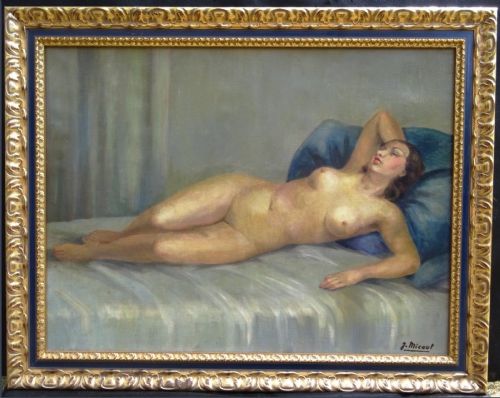
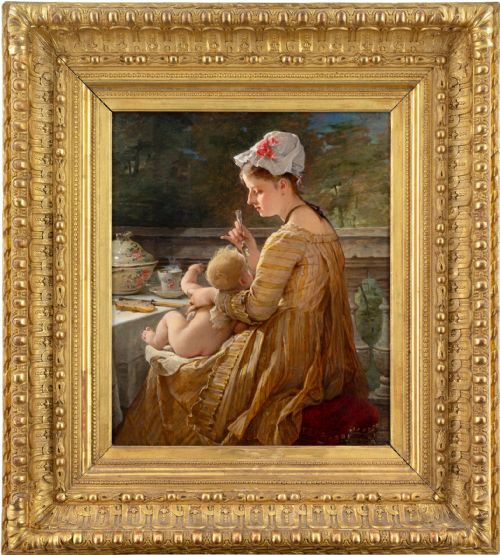
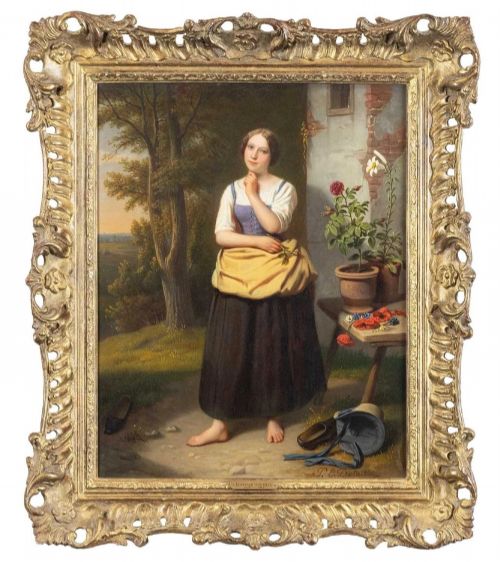
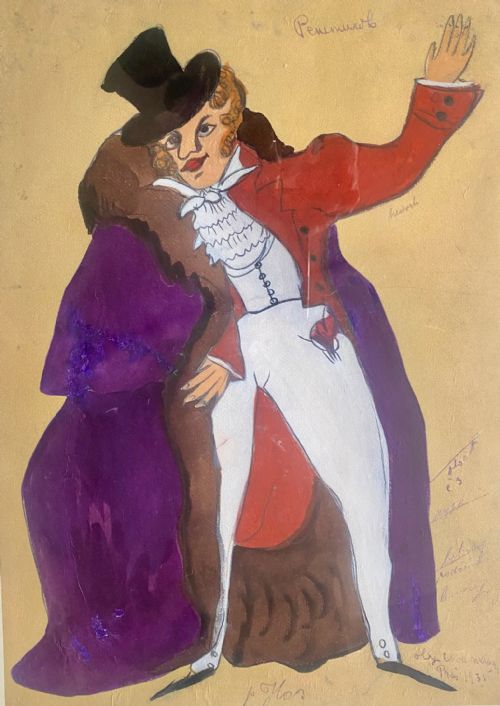
A french figurative portrait represents human subjects through paintings and sculptures originating across the eighteenth, nineteenth and twentieth centuries. These works range from formal academic oils and interior genre scenes to modernist nudes and avant-garde character studies.
The selections on this page lean heavily towards oil paintings on canvas and panel alongside bronze and terracotta busts. Buyers find historical depictions of courtiers, children and female nudes spanning periods from Rococo Revival to Art Deco.
How They Were Made
Painters utilised oil paint applied to canvas, wood, copper and paper, building depth through layered brushwork and tonal variation. Sculptors shaped bronze and terracotta into detailed busts, capturing texture in hair, fabric and skin.
Draftsmanship underpinned both mediums, whether through precise academic sketching in nineteenth-century portraits or the liberated strokes seen in later modernist and fauve compositions.
A child goofing around in fancy dress shares space with stern courtiers playing chess.
What Varies in Quality
Quality rests upon the artist's ability to render anatomical structure and psychological engagement within the subject. Works by documented nineteenth-century academicians and known modernists display superior draughtsmanship and nuance compared to anonymous studio output.
Condition and medium integrity also define the piece, from the preservation of original oil pigment on canvas to the crispness of cast detail in bronze and terracotta sculptures.
Adelaïde Salles Wagner·Charles Zacharie Landelle·Raymond Moritz·Henri Vincent Anglade·George Van Der Straeten·Fernand Jean Barbier·Paul Leon Jazet·Jean Hippolyte Marchand·Pinchus Kremegne·Yo Mayer·J Camus·Emmanuel Villanis·Adolphe Alexandre Lesrel·Theobald Chartran·Gaston Bouy·Michel Katzaroff
The French Figurative Portrait Glossary
- Figurative
- Art that derives from real-world subject matter, particularly human representation. It forms the core category for these painted and sculpted portraits.
- Oil on Canvas
- Pigment mixed with drying oil applied to stretched fabric support. This traditional medium allows rich colour blending and lasting durability.
- Terracotta
- Fired clay used for sculptural busts and figures. The warm reddish earthenware material records fine hand-modelling details.
- Giltwood
- Wood carved and covered with thin gold leaf. It frequently frames nineteenth-century paintings to provide an ornate metallic border.
- Avant-Garde
- Innovative or experimental work rejecting traditional conventions. These pieces push stylistic boundaries in portraiture and composition.
French Figurative Portrait: Frequently Asked Questions
What periods do these portraits cover?
The selection spans from the eighteenth century through the nineteenth century and into the mid twentieth century. Pieces reflect shifting movements including academic realism, impressionism, art nouveau and art deco.
Earlier works often depict formal interior scenes and courtiers, while later twentieth-century pieces lean towards modernist and surrealist interpretations of the human form.
Are these works signed by artists?
Many pieces feature signatures or inscriptions from known painters and sculptors, while others remain anonymous studio creations. Signed works often link directly to established nineteenth-century salons or twentieth-century avant-garde groups.
Documentation on the reverse or framing sometimes provides additional provenance regarding the creator or exhibition history.
What materials were used for the sculptures?
Sculptural pieces primarily utilise bronze and terracotta. Bronze casts offer durability and fine metallic detail, frequently associated with nineteenth-century foundry production.
Terracotta works provide an intimate, hand-modelled finish that captures the tactile impressions of the sculptor working in clay.
How should I display these artworks?
Oil paintings on canvas suit interior walls with controlled lighting away from direct sunlight to protect the pigments. Framed works often benefit from original giltwood borders that complement their historical period.
Bronze and terracotta busts require stable plinths or surfaces where their three-dimensional forms can be viewed from multiple angles.