

French Empire Style Light
French empire style light fittings bring classical grandeur to interiors through formal symmetry and rich metalwork.
French Empire Style Light
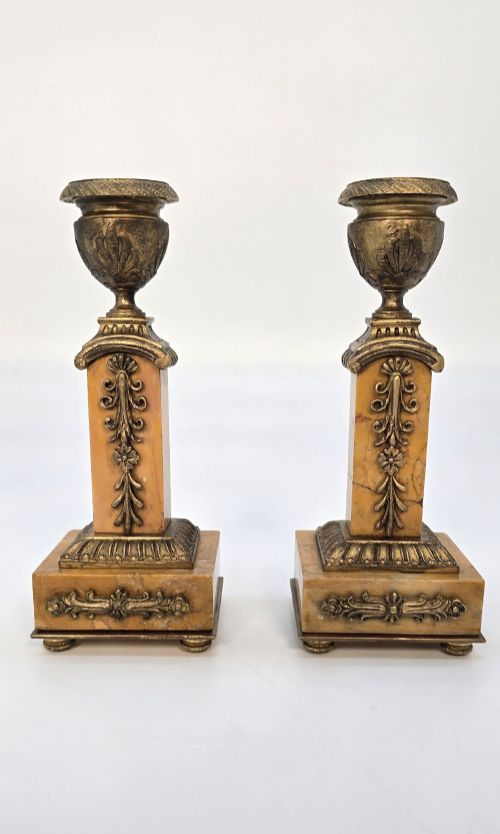
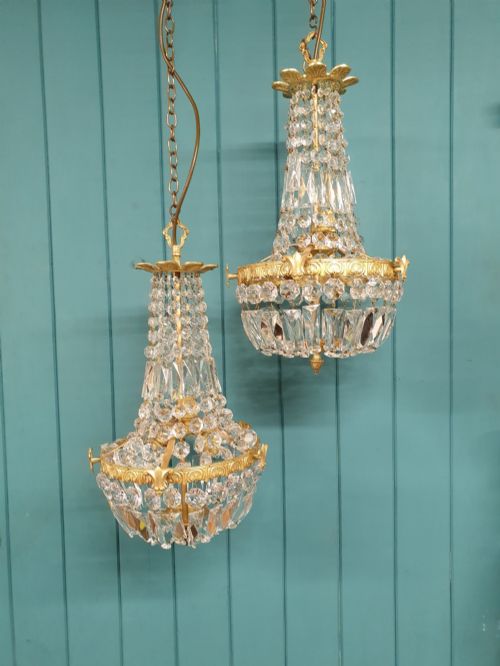
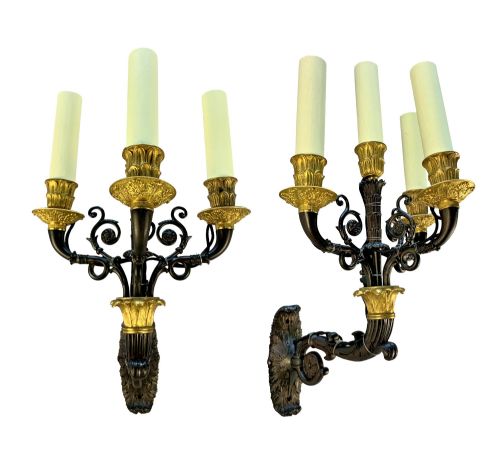
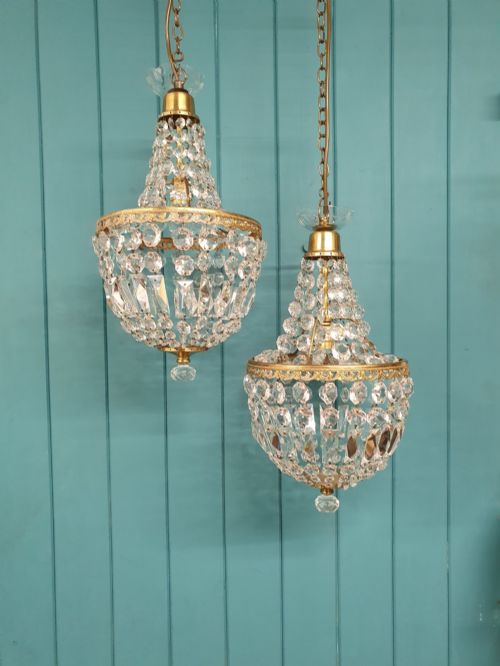
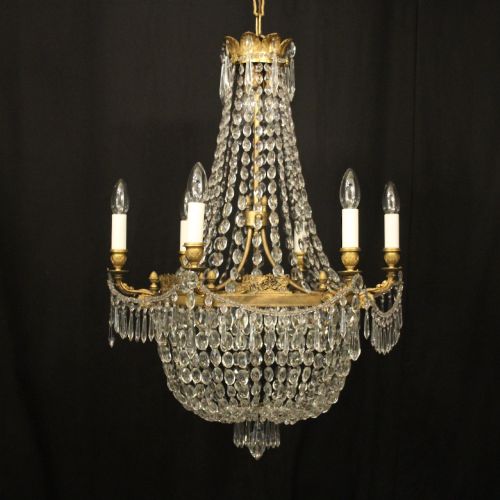
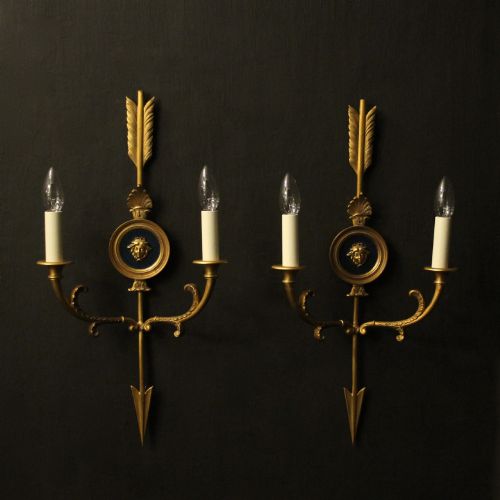
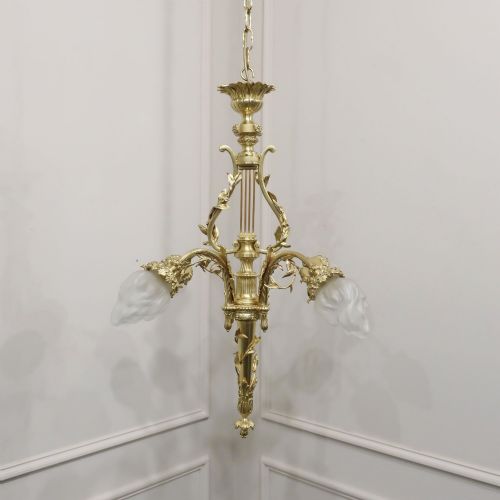
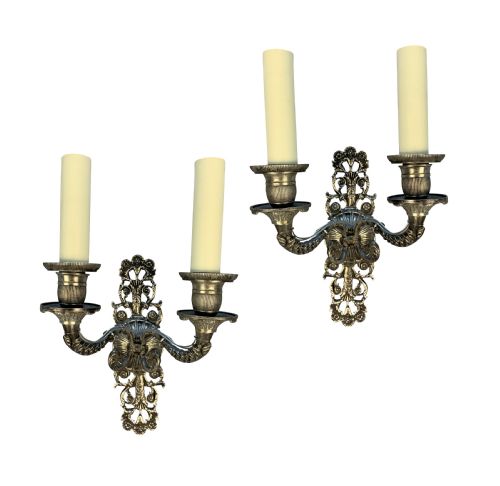
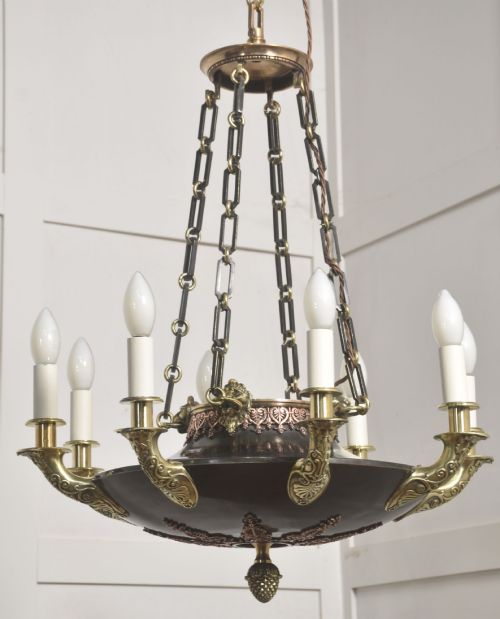
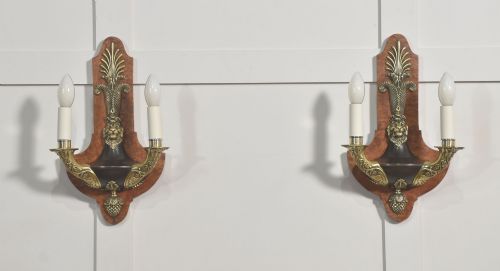
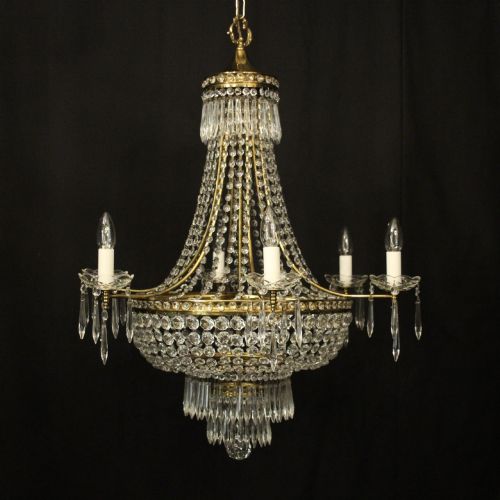
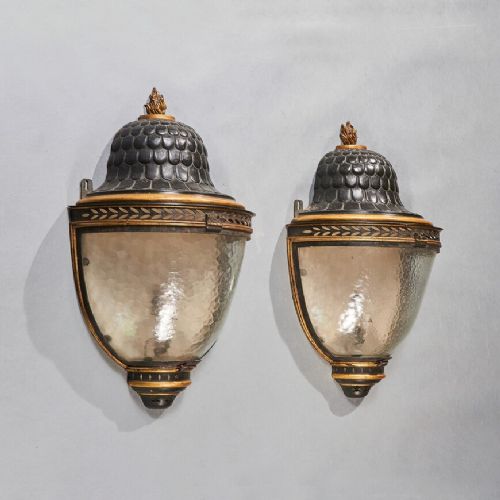
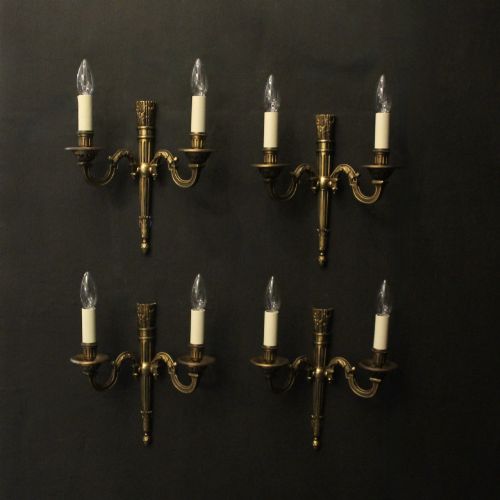
A french empire style light typically draws upon classical antiquity, Roman motifs, and formal neoclassical design principles. Buyers encounter these pieces across multiple forms, including multi-armed chandeliers, wall sconces, candelabra, and table lamps.
Many examples pair patinated or gilded metals with contrasting elements like white marble bases, green toleware, or burr walnut. The aesthetic remains grounded in symmetry, proportion, and historical ornament derived from French chateaux and Regency design vocabularies.
Assessing Quality and Execution
Quality rests primarily on the crispness of the metal casting and the depth of the gilding or ormolu finish. Finer pieces display sharply chiselled details in the bronze work, smooth joints, and substantial weight in the primary metals rather than hollow stamped components.
The integration of secondary materials like cut crystal, marble, and hand-painted tole indicates the tier of the piece. Superior examples maintain intact, high-grade crystal drops and heavy stone bases that anchor the architectural silhouette securely.
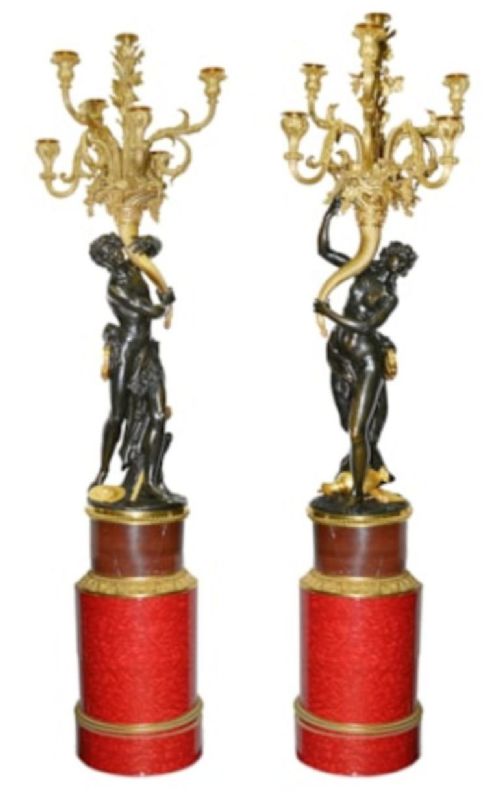
Hercules and Hesione occasionally bronze-cast their mythological struggles into the base of a nineteenth-century candelabrum.
Pierre Philippe Thomire
The French Empire Style Light Glossary
- Ormolu
- A gilded bronze technique utilising finely ground high-carat gold applied to a cast bronze base. This process creates a rich, matte yellow lustre typical of fine nineteenth-century lighting mounts.
- Tole Peinte
- Painted sheet metal used for lamp bodies and shades, often finished in deep green or dark tones with parcel gilt accents. It provides a contrasting utilitarian material against polished brass and bronze.
- Tent and Waterfall
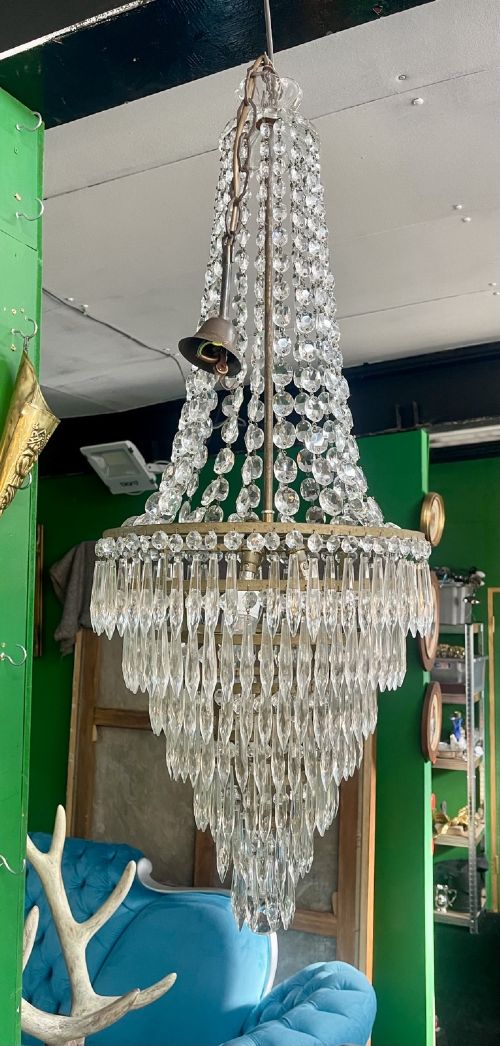
- A chandelier configuration where upper strings of crystal beads form a conical tent shape above a descending cascade of crystal drops. This arrangement maximises light refraction across the room.
- Applique
- A wall-mounted light fitting designed to direct illumination outward using branches or backplates. The term is frequently used interchangeably with wall sconce.
- Retour d'Egypte
- A design motif inspired by Napoleon's Egyptian campaign, incorporating classical pharaonic symbols, sphinxes, and palm leaves into metalwork. It forms a distinct sub-genre within the broader neoclassical aesthetic.
French Empire Style Light: Frequently Asked Questions
How do I clean crystal chandeliers?
Dust the glass elements regularly with a soft cloth while the fitting is unpowered. For deeper cleaning, apply a mild soapy solution with a damp cloth to individual drops.
Avoid harsh chemical sprays that can strip the metal gilding or damage the surrounding bronze and ormolu framework.
Are these lights wired for modern electricity?
Many antique fixtures arrive with modern wiring updates or standard fittings suited for contemporary bulbs. It remains prudent to have a qualified electrician inspect older internal wiring before installation.
Rewiring preserves the original structural integrity while ensuring the piece meets current safety standards for daily domestic use.
How do I date an empire style light?
Dating relies on examining the casting methods, screw threads, material composition, and patination of the metalwork. Pieces produced during the nineteenth century typically show heavier bronze casting and hand-cut components.
Later revival periods from the early twentieth century often incorporate machine-tooled elements and distinct wiring channels not found on original pieces.