






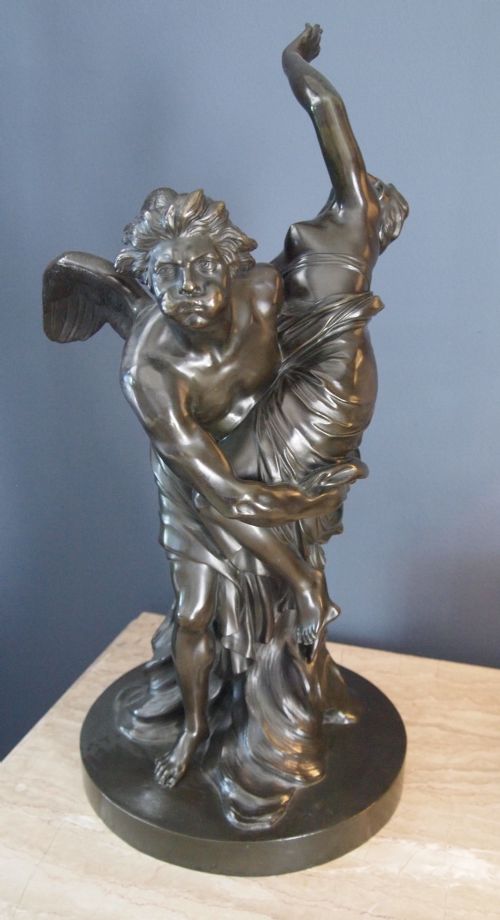


French Empire Sculpture
French empire sculpture brings classical gravity and rich gilding into a room, offering bronze figures, busts, and clocks shaped by nineteenth-century workshops.
French Empire Sculpture
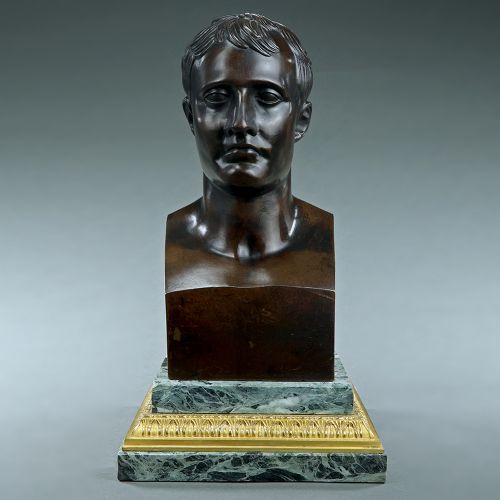
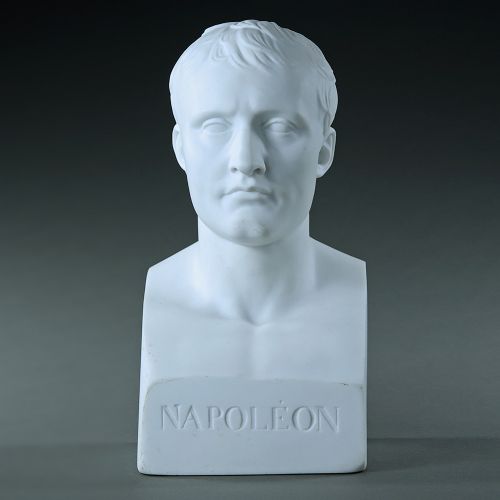
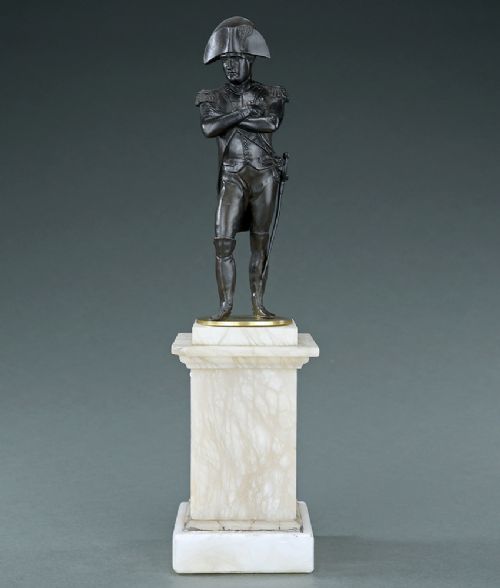
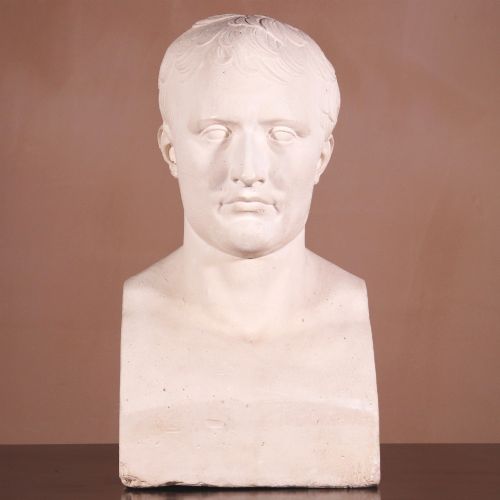
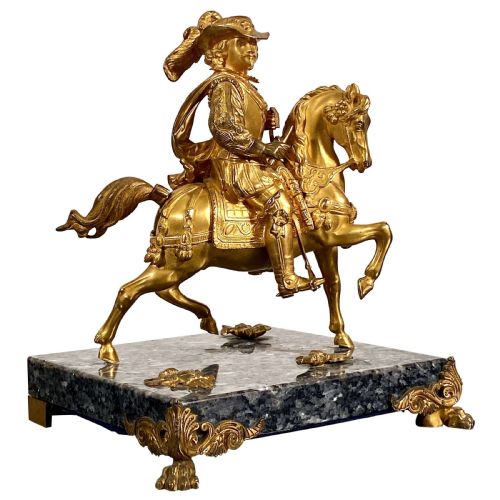
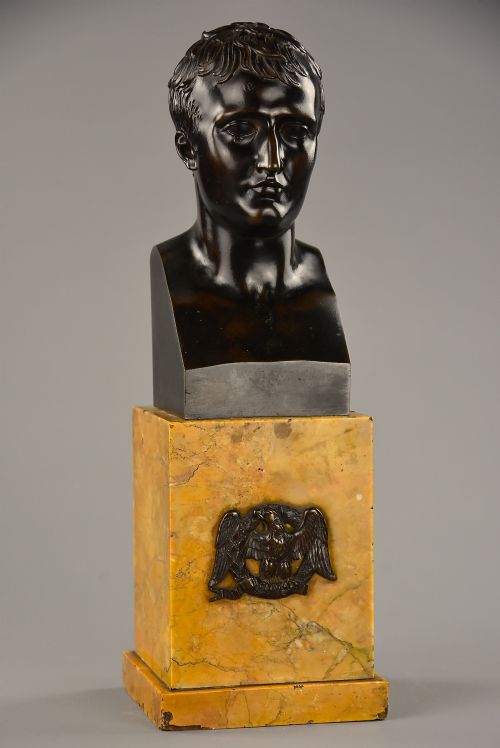
French empire sculpture encompasses figural bronzes, mantel clocks, and marble busts that reflect nineteenth-century neoclassical and revival tastes. Buyers encounter pieces depicting historical figures like Napoleon alongside classical deities mounted upon stone plinths.
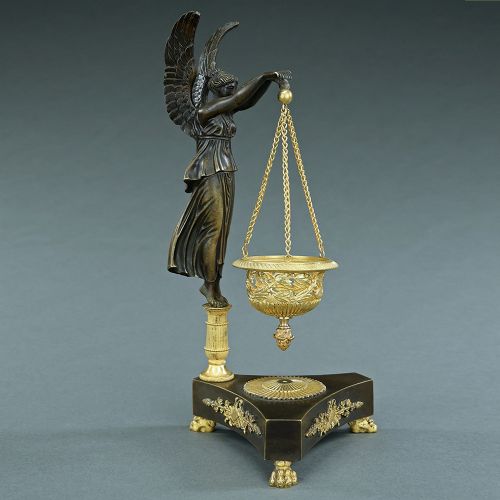
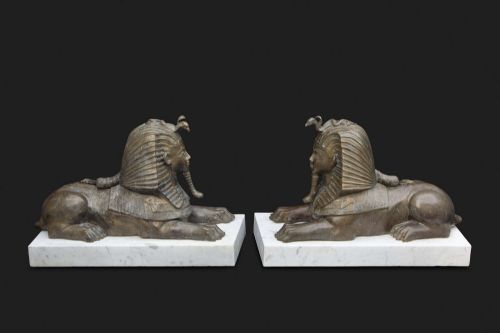
The selection ranges from cabinet-size Grand Tour models to monumental sphinxes and figural torchères. Many combine patinated bronze with gilt metal and white marble bases.
How They Were Made
Sculptures and clocks frequently incorporate carved white marble or Carrara bases, sometimes mounted with cast iron or brass fittings. Enamel dials and silver plating appear on select horological and figural works.
French Empire Sculpture Retail Price Guide 2026
Typical asking prices for french empire sculpture among the pieces listed under this phrase on Sellingantiques today, from the lower quarter to the upper quarter. They describe what is for sale here now, not the wider market.
Listings feature nineteenth-century French empire sculpture executed in bronze, marble, ormolu, and brass, spanning mantel clocks, busts, and architectural models.
What Varies in Quality
The choice and execution of the mounting materials, such as finely fitted marble plinths or signed foundry marks, separate standard decorative objects from works originating in prominent Paris workshops.
Charpentier Paris·James Pradier·Jean Jacques Pradier·Victor Paillard·Pierre Hebert·Albert Carrier- Belleuse·Deniere and Cailleaux·Japy Freres
The French Empire Sculpture Glossary
- Ormolu
- Gilt bronze produced by applying a mercury and gold amalgam to metal and firing it. This finish creates a rich, enduring golden lustre on nineteenth-century decorative bronzes and clock mounts.
- Patinated bronze
- Metal treated with chemical solutions to produce a dark, uniform surface colour. It contrasts effectively with polished gilt highlights on figural sculptures.
- Grand Tour
- A traditional trip through continental Europe undertaken by nineteenth-century travellers who acquired small bronzes and architectural models as souvenirs. These pieces often depicted famous columns or classical figures.
- Clock garniture
- A set comprising a central mantel clock accompanied by matching side pieces such as candelabras or urns. They formed coordinated decorative centrepieces for nineteenth-century interiors.
- Brûle-parfum
- A decorative incense burner designed to scent domestic interiors. Examples from this period employ cast bronze and classical ornamentation.
French Empire Sculpture: Frequently Asked Questions
What materials make up these sculptures?
These works primarily employ bronze, patinated bronze, and gilt ormolu, frequently paired with white marble or Carrara plinths. Brass, cast iron, and enamel also appear on clocks and architectural models.
Foundries combined these substances to achieve strong contrasts between dark metal figures and bright gilded mounts.
How do I identify a nineteenth-century piece?
Examine the casting quality, the composition of the marble base, and any foundry signatures stamped into the metal. Stylistic markers include neoclassical drapery, Egyptian revival motifs, and subjects relating to Napoleon or classical mythology.
Many objects bear foundry stamps or dates pointing to Parisian workshops of the 1800s.
Where were these sculptures displayed originally?
Wealthy patrons placed them on mantelpieces, library desks, and dedicated pedestals within formal reception rooms. Large figural works and torchères stood in hallways or flanked salon entryways.
Clock garnitures occupied prominent positions atop fireplace mantels as both timekeepers and decorative centrepieces.
How should I care for bronze and ormolu?
Dust the surfaces gently with a soft, dry cloth to prevent grime accumulation on the metal and marble. Avoid chemical cleaners and abrasive cloths that can strip the delicate mercury gilding or alter the bronze patination.
Keep pieces away from direct heat sources and damp environments to protect both the metal and the stone plinths.