
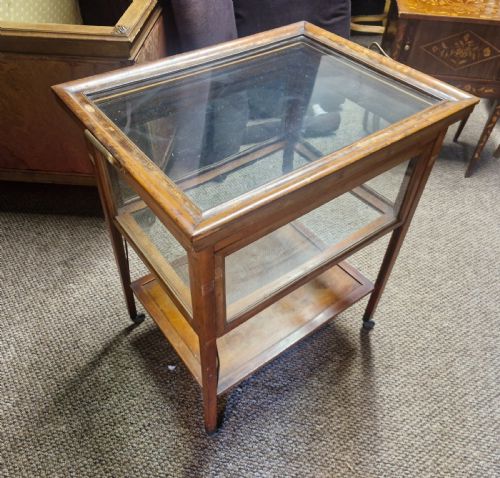


French Drinks Table
A French drinks table brings effortless hospitality to a room, combining practical glass, marble or brass surfaces with elegant periodic design.
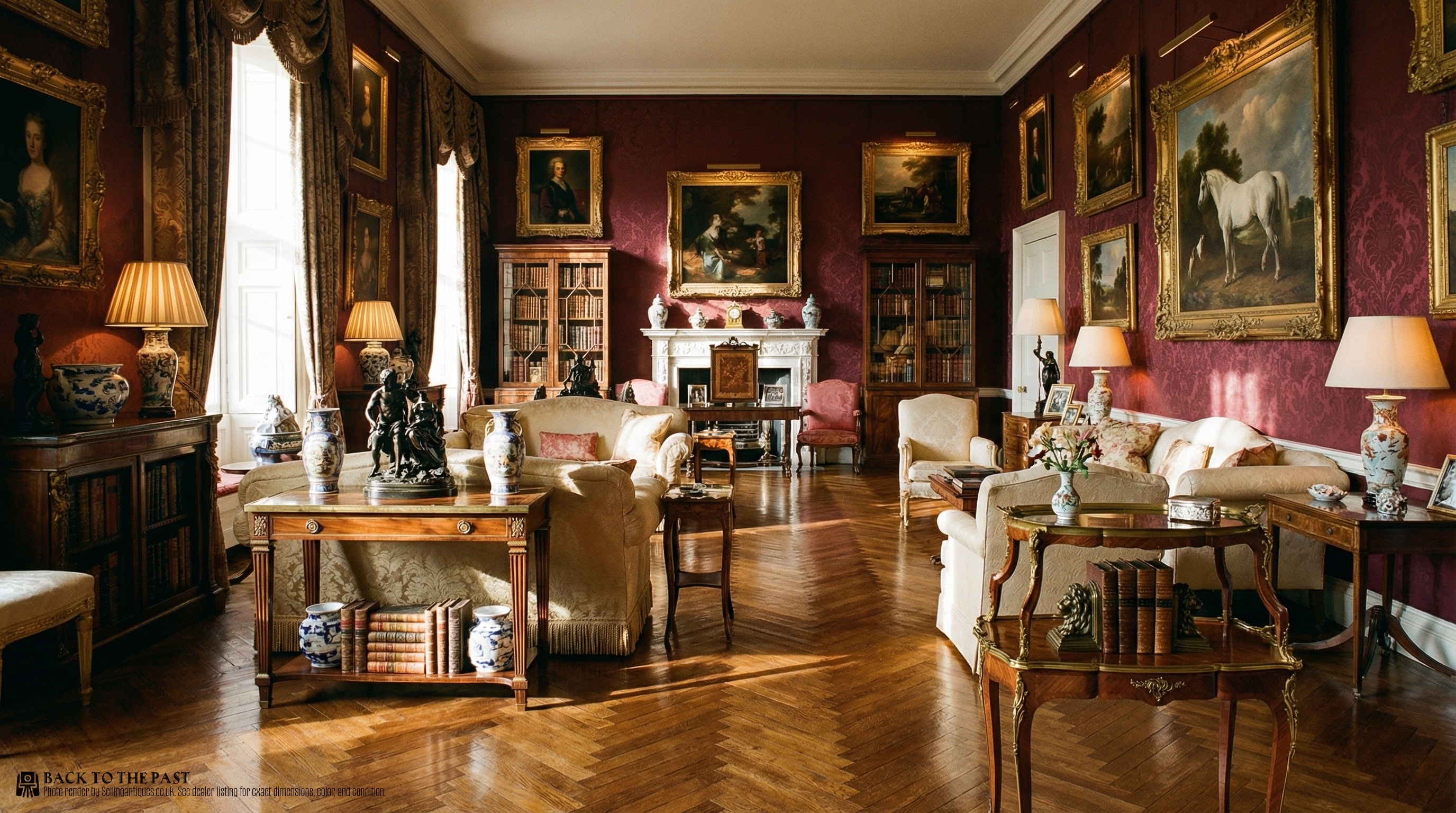
French Drinks Table
A french drinks table serves as a functional and decorative surface for entertaining, encompassing forms such as wine tables, tea trolleys, home bars, and etageres. These pieces bridge the gap between utility and display, designed to hold glassware, bottles, and refreshments close at hand during social gatherings.
The selections available range from refined 19th-century marquetry pieces and Louis XV style occasional tables to striking Art Deco chrome and brass designs from the 1920s, 1930s, and 1940s. Buyers frequently encounter versatile side tables, drop-side trolleys, and tiered étagères that reflect the changing tastes of French interior design over the decades.
Origins span formal revival styles influenced by historic chateaux to sleek modernist creations featuring glass, marble, and exotic timbers like kingwood and walnut. Whether seeking a petite tôleware wine table or a comprehensive wine bar and high stool set, each variant offers a distinct glimpse into French domestic life and entertaining customs.
Materials and construction
Construction relies heavily on traditional cabinet-making timbers including mahogany, walnut, fruitwood, and kingwood, often enhanced by intricate marquetry inlay. Artisans shaped these woods into robust side tables, serving trays on stands, and nest of tables designed for both mobility and display.
Metalwork and stone integration define the decorative character, utilising brass, ormolu, chrome, and gilt brass alongside fitted marble and glass tops. These durable materials provided sturdy surfaces for serving wine and tea while introducing reflective surfaces and contrasting textures into the interior.
Specialised forms incorporate specialised elements such as drop sides, removable serving trays, and toleware accents to maximise convenience. The pairing of polished timber frames with cool stone or glass demonstrates a deliberate balance between structural integrity and refined aesthetics.
Listings feature periods from the 19th century through the 1940s, showcasing materials such as mahogany, chrome, marble, and kingwood.
Distinctions in quality
Quality rests in the precision of the joinery and the selection of materials, such as figured fruitwoods, rich kingwood veneers, and genuine marble or heavy plate glass inserts. Superior examples show meticulous attention to detail in marquetry patterns and the crispness of brass or ormolu mounts.
Artistic attribution and adherence to recognised design idioms, including Linke style pieces or Maison Baguès brass work, elevate the standing of a table. The harmony between the metal fittings, stone tops, and wooden chassis reveals the original maker's commitment to durability and visual balance.
Maison Baguès·Linke
The French Drinks Table Glossary
- Ormolu
- A gilt-bronze decorative finish applied to mounts and hardware. It imparts a rich, metallic lustre to the edges and feet of tables.
- Marquetry
- The art of applying decorative pieces of veneer to a structure to form intricate designs. This technique frequently graces the tabletops and cabinet doors of period pieces.
- Étagère
- A piece of furniture consisting of open shelves for displaying small objects. These tiered tables provide multiple levels for glassware and accessories.
- Tôleware
- Enamelled or lacquered sheet metal items often painted with decorative motifs. It appears on lighter, portable wine tables and serving accessories.
- Kingwood
- A dense, heavily figured timber prized for its rich colouring and decorative grain patterns. Cabinet-makers utilised it extensively in fine 19th-century French furniture.
French Drinks Table: Frequently Asked Questions
What is a French drinks table used for?
These tables were originally designed to hold wine, spirits, glasses, and tea service equipment during social occasions and family gatherings. Their compact surfaces and mobile designs made them ideal for serving refreshments in various rooms of the house.
Today, they continue to function as practical drinks stations or elegant side tables in living spaces and dining rooms. Their surfaces accommodate bottles and glassware while adding a decorative focal point to the interior.
How do I identify an Art Deco french drinks table?
Art Deco pieces typically date from the 1920s and 1930s, featuring streamlined geometric forms, polished chrome, mirrored glass, and exotic woods like macassar ebony. They move away from floral marquetry toward bold, symmetrical lines.
These tables often incorporate industrial materials alongside traditional timber frames, reflecting the modern aesthetic of the era. Their clean silhouettes and metallic accents distinguish them immediately from 19th-century revival styles.
How do I distinguish Louis XV style from Art Deco?
Louis XV style tables feature characteristic cabriole legs, flowing serpentine curves, and ornate floral marquetry or gilt-bronze ormolu mounts. They reflect an 18th-century aesthetic revived during the 19th and early 20th centuries for formal interiors.
In contrast, Art Deco pieces embrace straight lines, circular motifs, and industrial metals like chrome. The decorative vocabulary shifts from naturalistic carvings to sleek, architectural geometry.