




French Drawer Unit
These french drawer unit pieces bring authentic utility and character to an interior.
French Drawer Unit
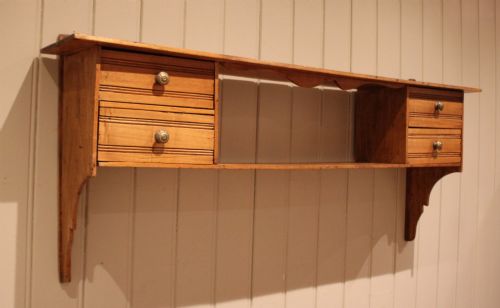
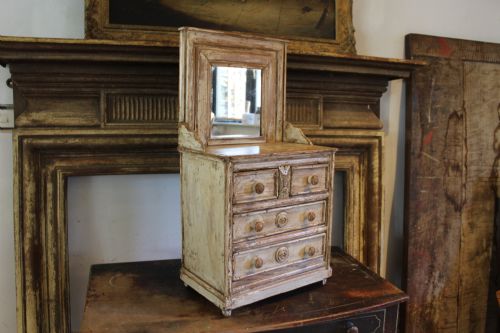
A french drawer unit encompasses diverse storage forms ranging from miniature apprentice chests and commodes to industrial filing shelves, drapers' banks, and ironmongers' drawers. These pieces reflect regional European traditions alongside functional commercial applications from the nineteenth century onwards.
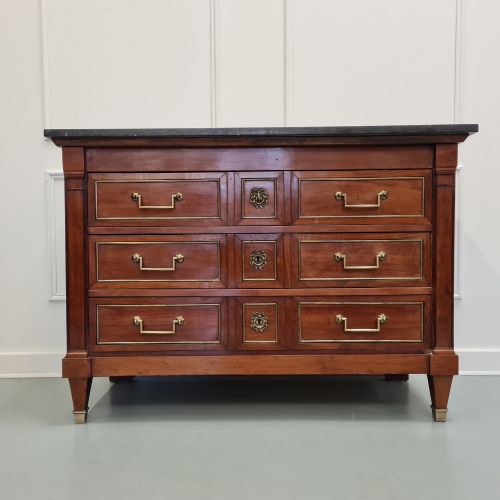
The versions most commonly met on this page include mahogany commodes with marble or faux marble tops, oak washstands, and multi-drawer filing cabinets or postal shelves. Such pieces suit both traditional domestic interiors and workspace settings requiring tactile storage solutions.
How they were made
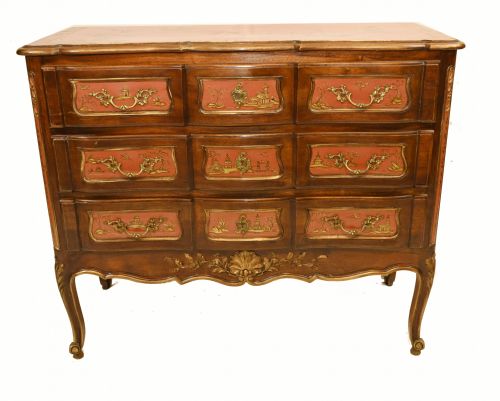
Construction relies heavily on traditional timber framing using oak, mahogany, pine, and palisander, often paired with structural ironwork, brass embellishments, and inset leather surfaces. Painted wood finishes and lacquerwork also appear across specific regional styles.
Surfaces frequently incorporate functional stone elements, including real and faux marble tops on commodes and washstands, alongside durable brass handles and label holders fitted to drapers' banks and filing cabinets.
French Drawer Unit Retail Price Guide 2026
Typical asking prices for french drawer unit among the pieces listed under this phrase on Sellingantiques today, from the lower quarter to the upper quarter. They describe what is for sale here now, not the wider market.
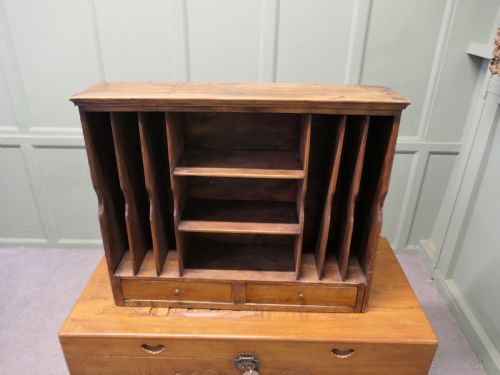
Post office sorting shelves once managed mountains of daily correspondence before finding new life in modern studies.
What varies in quality
Quality differentiates through the integrity of timber selection and the refinement of surface treatments, such as fine mahogany veneer work, detailed brass mounts, and authentic painted finishes. The presence of specialised operational hardware, like original postal filing mechanisms or ironmongers' pulls, elevates the piece.
Proportion and structural coherence separate standard utilitarian workshop furniture from finer decorative commodes and neoclassical case pieces. Cabinetry that retains its original marble tops, leather inserts, and maker stamps demonstrates superior provenance.
Trussant & Cie
The French Drawer Unit Glossary
- Commode
- A low chest of drawers, particularly French examples from the nineteenth century often featuring marble tops.
- Cartonnier
- A desktop or freestanding cabinet designed to hold papers, files, and documents, frequently incorporating leather and brass details.
- Drapers' drawers
- Multi-drawer cabinetry originally utilised in textile shops to organise ribbons, fabrics, and small goods.
- Palisander
- A dense, dark exotic hardwood prized for rich grain patterns used in fine cabinet making.
French Drawer Unit: Frequently Asked Questions
How do I date a french drawer unit?
Dating relies on examining construction methods, timber types, and hardware styles. Nineteenth-century pieces typically show hand-cut joinery and period-specific brass or iron fixings.
Changes in stylistic influences, from Empire neoclassical lines to industrial commercial formats, help narrow down the decade of production.
Are marble tops original to these pieces?
Many nineteenth-century commodes and washstands were designed specifically with marble or faux marble surfaces to provide durable, water-resistant work areas. Inspecting the seating of the stone within the wooden frame helps determine originality.
Replacement tops do occur, though period replacements often utilise matching marble types consistent with French workshop practices.
How should I clean a painted finish?
Painted and lacquered surfaces require gentle dusting with a soft, dry cloth to prevent abrasion. Avoid harsh chemical cleaners that can degrade historic painted layers or nineteenth-century varnishes.
Applying microcrystalline wax periodically helps protect wooden and painted surfaces without causing moisture damage.
Where can I place a drapers bank?
Drapers' banks and multi-drawer filing units work well in studies, kitchens, or hallways as statement storage furniture. Their numerous small compartments suit the organisation of modern stationery, collections, or accessories.
Ensuring adequate floor clearance and stable placement protects heavier timber and iron frames from structural strain.