



French Dog Painting
A french dog painting brings domestic warmth and fine brushwork into a room, capturing canine character through nineteenth-century and twentieth-century French artistry.
French Dog Painting
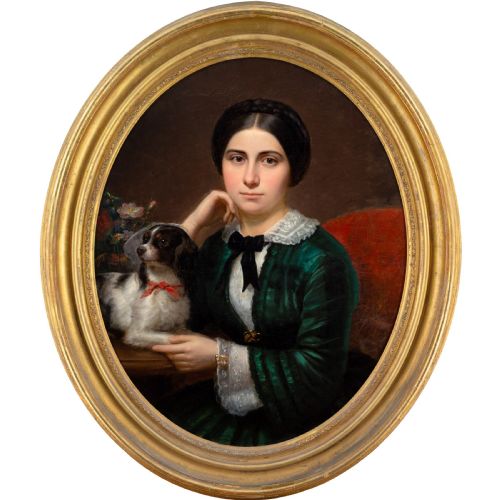
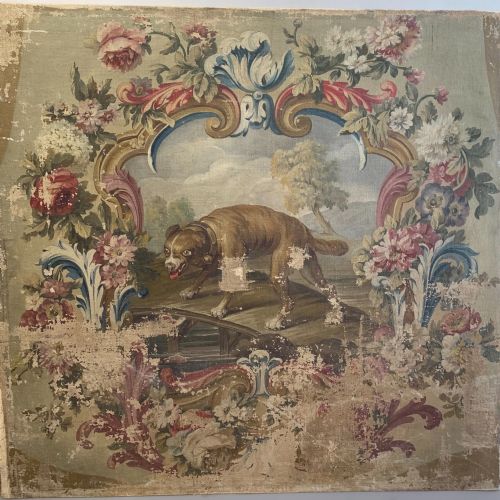
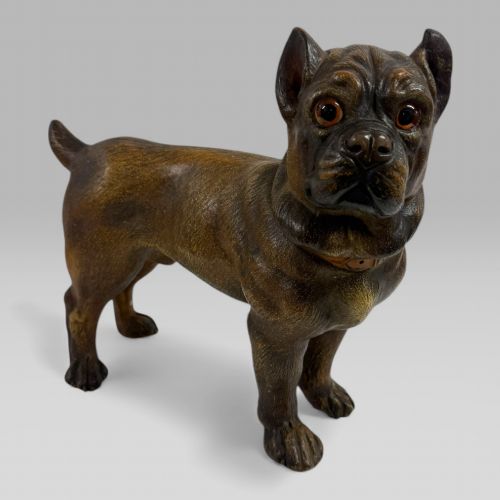
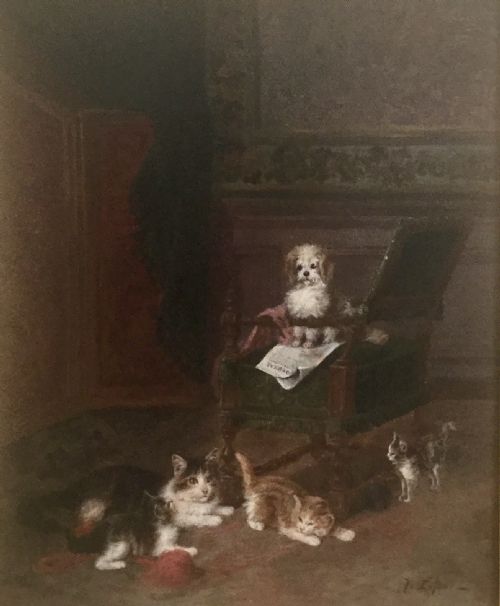
A french dog painting encompasses oil paintings on canvas and panel, alongside watercolours, depicting hounds, gundogs, and pet portraits from the nineteenth and early twentieth centuries.
The selections span from intimate courtyard scenes and landscapes by the French School and French Barbizon tradition to formal portraits of hunting dogs and children with pets.
Dated examples stretch from the early eighteen-hundreds through the Art Deco period of nineteen-thirty, reflecting shifting academic and romantic approaches to animalier subjects.
How they were made
Artists built these works primarily using oil paint applied to woven canvas panels, occasionally employing board or paper supports for watercolours.
Pigments were layered to render the texture of fur and the light of courtyards, stables, or open landscapes, often housed within gilt wood frames.
Listings feature oil on canvas, watercolours on paper, and oil on board across the nineteenth and twentieth centuries.
What varies in quality
The standard of a french dog painting rests on the anatomical precision of the animal and the expressiveness captured in its stance and expression.
Works attributed to named artists or established French schools display superior handling of background light, spatial depth, and brushwork control compared to anonymous studio pieces.
Jules Chardigny·Delacroix·Jules Moigniez·Jules Le Roy·Tristan Lacroix
The French Dog Painting Glossary
- French School
- A term denoting artists trained or working within the academic and stylistic traditions of France. It groups together diverse hands sharing national aesthetic roots.
- Barbizon tradition
- A nineteenth-century French landscape movement focusing on direct observation of nature. Paintings in this style place subjects within atmospheric, unidealised rural settings.
- Oil on canvas
- Pigments bound in drying oils applied to stretched woven fabric. This combination provides durability and allows for subtle blending of tones.
- Animalier
- Art focusing specifically on animals, particularly popular in nineteenth-century France. Practitioners mastered both flat visual representations and three-dimensional bronze sculptures.
French Dog Painting: Frequently Asked Questions
What subjects appear in these works?
The subjects range from individual pet portraits and hunting dogs such as greyhounds, basset hounds, and gundogs to animals depicted alongside children in courtyards or stables.
Landscapes and architectural settings often provide the backdrop, reflecting nineteenth-century Barbizon traditions or romantic genre scenes.
How do I identify the period?
Dating relies on stretcher construction, canvas types, framing styles, and the specific painting techniques employed by the French School across the nineteenth and early twentieth centuries.
Signatures, artist attribution, and subject matter conventions from periods like Art Deco or French Romanticism also offer chronological markers.
Were these painted outdoors?
Many nineteenth-century works drew inspiration from direct observation in rural landscapes, stables, and enclosed courtyards favoured by the Barbizon painters.
Studio finishing remained standard practice for larger canvases, translating initial plein-air sketches and watercolours into fully realised oil paintings.
How should I hang an oil painting?
Oil paintings on canvas require stable interior environments away from direct sunlight and excessive humidity to protect the pigments and wooden stretchers.
Securing the frame with appropriate wall fixings ensures the weight of the canvas and gilt wood is properly supported.