

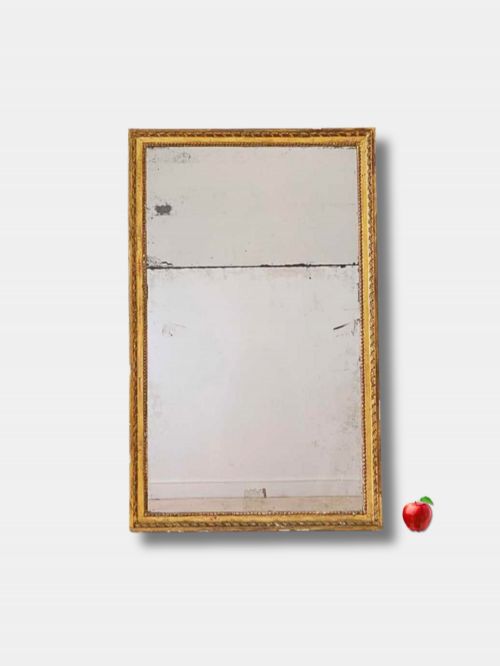
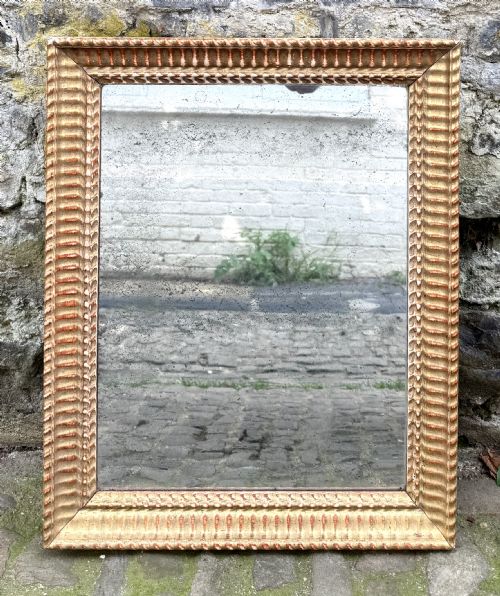


French Distressed Gilt Mirror
Choosing a french distressed gilt mirror brings centuries of Continental craftsmanship and softened reflectivity into a room.
French Distressed Gilt Mirror
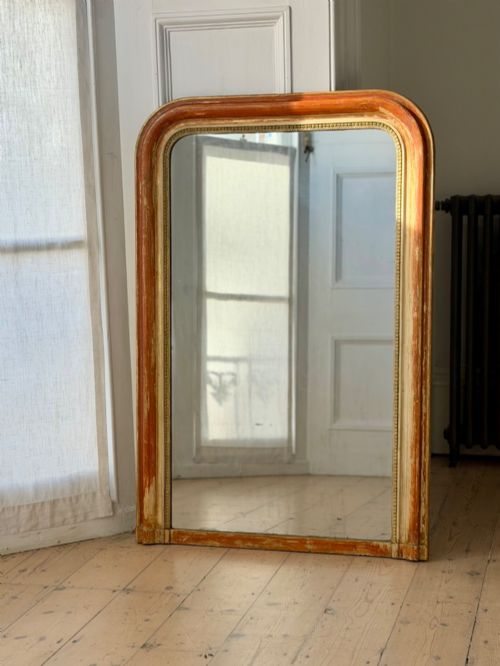
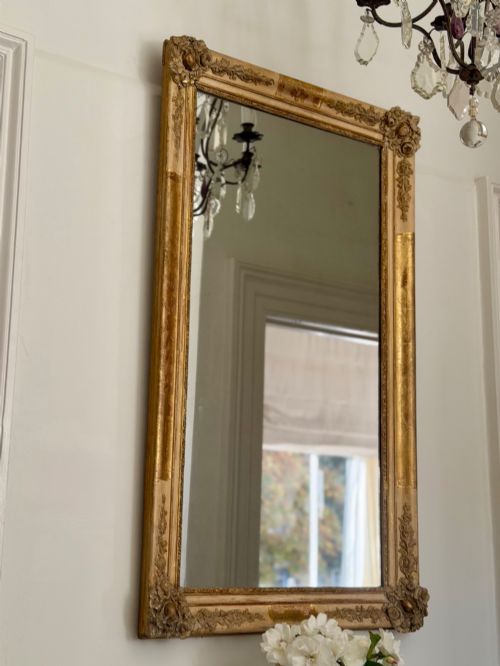
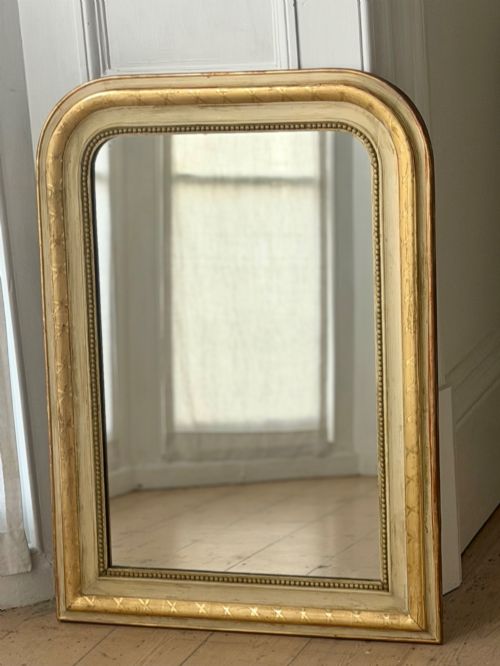
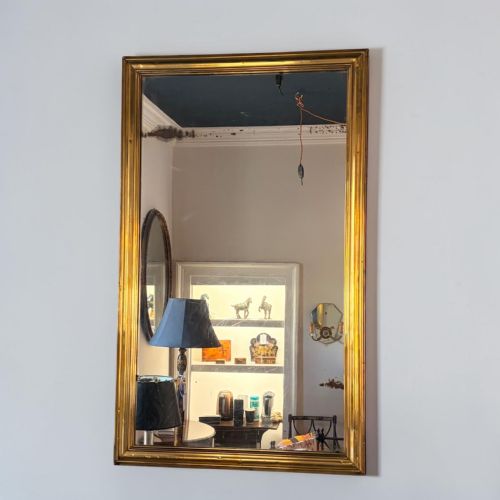
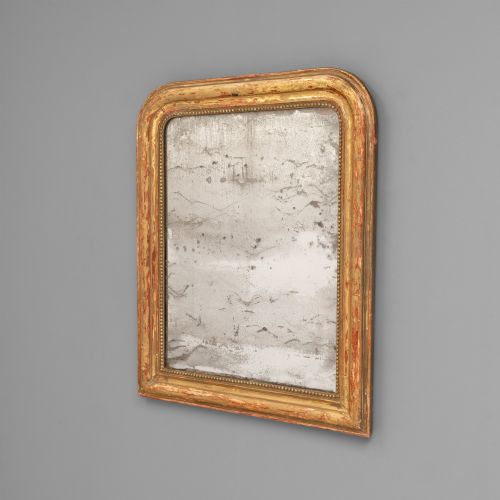
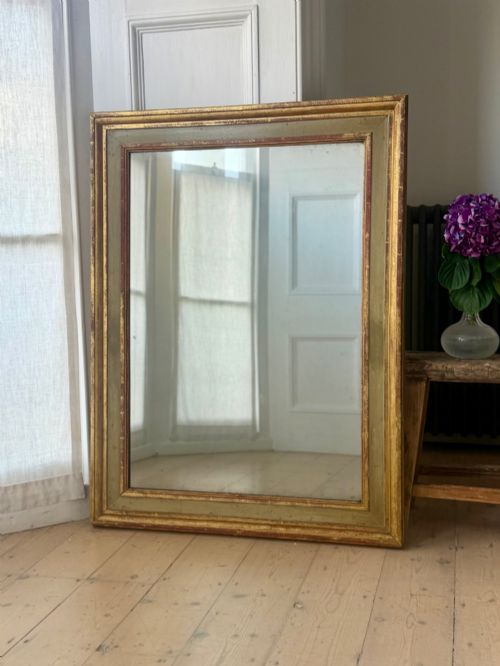
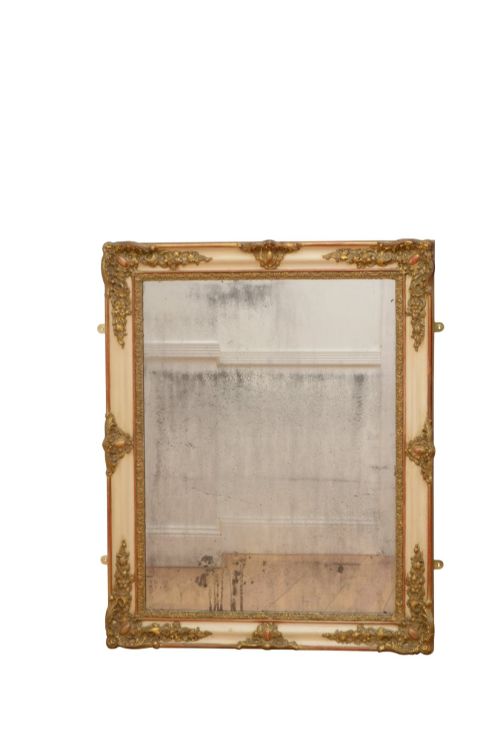
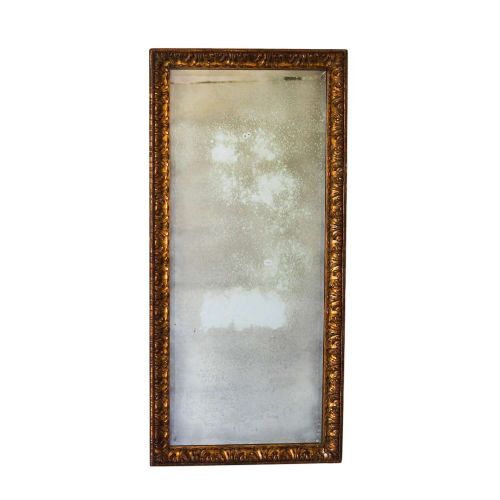
A french distressed gilt mirror spans wall mirrors, overmantel mirrors, and tall pier mirrors originating primarily from the eighteenth and nineteenth centuries. The majority of pieces encountered on this page belong to the nineteenth century, including Louis Philippe and Rococo Revival styles.
Makers shaped these plates for grand salons, chateaux, and intimate dressing rooms alike. Forms range from simple arched top frames and cushion mirrors to elaborate trumeau panels meant to sit above fireplaces.
The aesthetic balances architectural presence with the warm, worn charm of aged surfaces. Buyers seek these objects for their ability to anchor a room while reflecting natural light through patinated glass.
Materials and Construction
Carved wood frames form the structural foundation, layered with gesso to build up intricate scrollwork, beadings, and floral motifs. Artisans then applied gold leaf, silver leaf, or paint over the gesso base.
Glass plates were traditionally silvered using mercury, which oxidises over time to create characteristic dark spots known as foxing. Frames frequently exhibit deliberate or age-induced wear where the underlying paint and red bole beneath the gilding show through.
Some mirrors carry centuries of whispered secrets trapped behind foxed glass and flaking gold leaf.
Evaluating Quality
Quality rests in the crispness of the hand-carved wood beneath the gesso and the depth of the original gilding layers. Superior pieces retain their original glass plates and backboards, showing authentic patination rather than modern chemical distressing.
Proportion and structural integrity distinguish finer examples, where frames remain rigid and mitred joints stay tight despite decades of environmental shifts. The fineness of the gesso reliefwork and the quality of the mercury reflection further separate standard utilitarian mirrors from exceptional decorative works.
The French Distressed Gilt Mirror Glossary
- Gesso
- A mixture of binder and chalk used to coat wooden frames before gilding. This plaster-like substance allowed carvers to achieve sharp, detailed relief ornamentation.
- Mercury glass
- A type of double-walled blown glass silvered with a mercury amalgam poured between the layers. It creates a cloudy, reflective depth unique to older mirrors.
- Foxing
- Age-related oxidation spots within the mirror plate that appear as dark or speckled patches. Many collectors prize this natural degradation for its soft, historic appearance.
- Trumeau
- A decorative wall panel incorporating a painting or mirror, designed to fit the space between windows or above a mantelpiece. These architectural elements often feature ornate carved wood frames.
- Louis Philippe
- A mid-nineteenth-century French style characterised by understated elegance, simple curved upper corners, and restrained ornamentation. It provides a softer alternative to earlier Rococo extravagance.
French Distressed Gilt Mirror: Frequently Asked Questions
How do I clean an antique mirror?
Dust the frame gently with a dry, soft brush to protect fragile gesso and gold leaf. Avoid commercial chemical sprays which can seep behind the plate and damage historic silvering.
Use a lightly dampened cloth for the glass itself, taking care not to let moisture touch the edges where the original backing is vulnerable. Gentle maintenance preserves the delicate balance between clarity and age.
What is mercury glass?
Mercury glass refers to historic mirror plates produced by pouring a silvering mixture between double-walled blown glass. Despite the name, most nineteenth-century examples used silver and bismuth amalgams rather than pure mercury.
Over decades, air penetration causes the reflective layer to oxidise and spot. This chemical breakdown creates the desirable foxed appearance found on period pieces.
Where should I hang an overmantel mirror?
An overmantel mirror sits naturally above a fireplace mantel, anchored securely to the wall studs to support its substantial weight. The generous proportions reflect light across the room and create an illusion of greater ceiling height.
Ensure the hanging wire or brackets match the heavy wooden and gesso construction of nineteenth-century frames. Positioning it opposite a window maximises the distribution of natural daylight.
How do I identify a Louis Philippe mirror?
Louis Philippe mirrors feature a distinctive arched top with gentle, rounded upper corners rather than sharp right angles. The frames are typically less ornate than earlier Rococo styles, relying on subtle beadings or simple moulded profiles.
Originating from the mid-nineteenth century, these pieces combine sturdy construction with a restrained elegance that suits both traditional and modern interiors.