






French Display Bust
These French display bust pieces bring shop floors and salons into domestic rooms, offering sculptural form alongside period charm.
French Display Bust
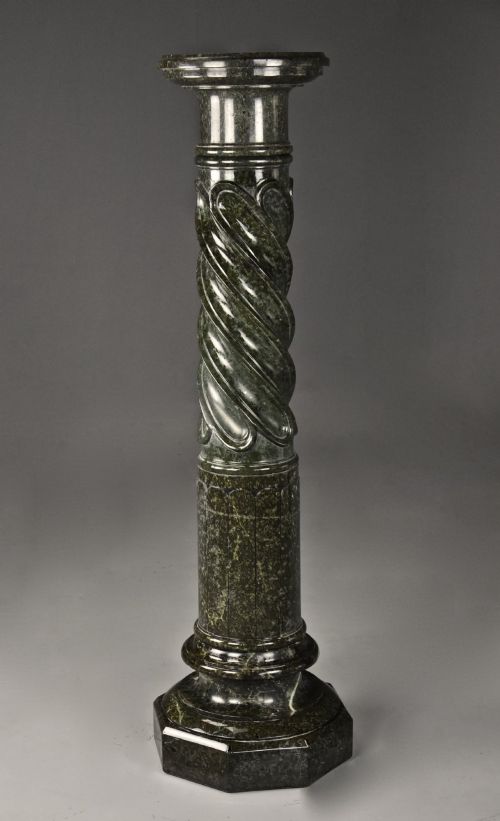
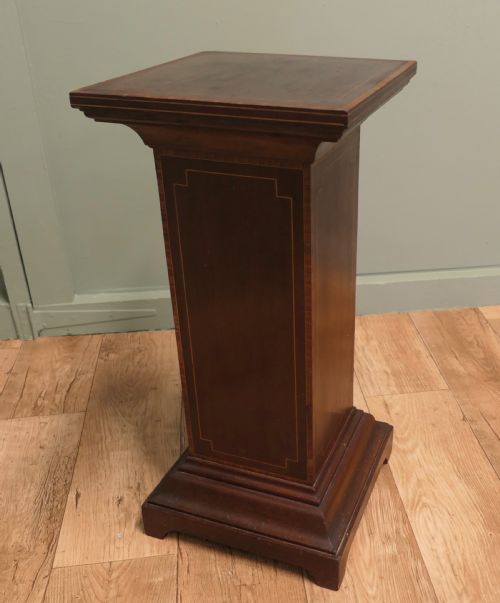
When you search for french display bust examples, you encounter items designed originally for commercial shop windows or interior presentation. The listings here divide mainly into advertising mannequins from the early twentieth century and stone or wood display columns from the nineteenth century.
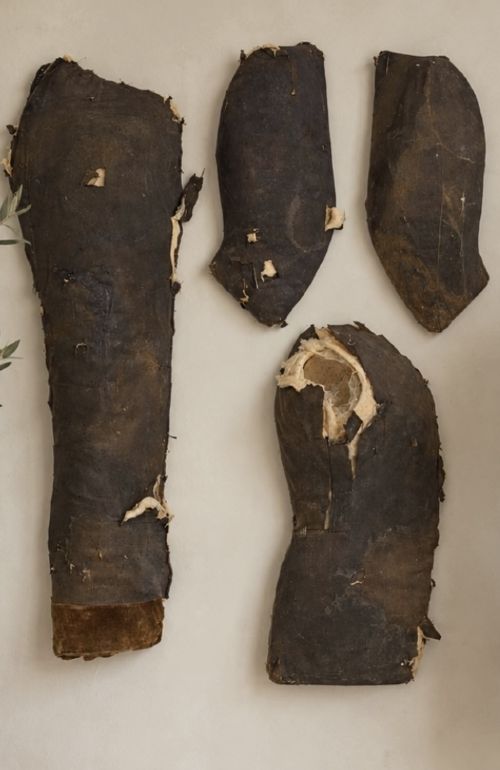
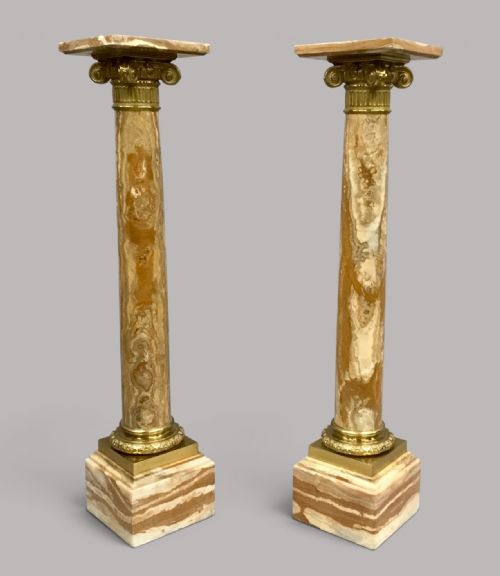
The mannequin forms include plaster, paint, and fabric elements originating in Paris workshops during the nineteen-twenties and nineteen-thirties. Alongside these stand architectural pedestals in marble, onyx, and mahogany that serve to elevate smaller objects within a room.
Victorian and Edwardian iterations show heavy influence from neoclassical and rococo styles, utilising gilt bronze and ormolu mounts. Buyers frequently meet pieces bearing specific maker signatures, such as Charmereine, marking them out as authentic retail survivors.
How they were made
Construction relies on durable materials suited to retail display, pairing carved hardwoods like mahogany and walnut with cast metals. Gilt bronze and ormolu mounts provide decorative accents to structural supports.
Stone columns utilise natural blocks of marble and onyx, frequently turned on lathes and fitted with metal collars. Plaster and paint form the primary body of the mannequin busts, shaped to display period millinery and lingerie.
French Display Bust Retail Price Guide 2026
Typical asking prices for french display bust among the pieces listed under this phrase on Sellingantiques today, from the lower quarter to the upper quarter. They describe what is for sale here now, not the wider market.
Some nineteenth-century columns incorporate rotating tops, originally designed so merchants could display their wares without moving the base.
What varies in quality
Quality rests upon the integrity of the original materials and the sophistication of the casting or carving. Finer columns employ rich varieties of onyx and marble paired with heavy, finely chased ormolu rather than simple gilt finishes.
Charmereine
The French Display Bust Glossary
- Ormolu
- Gilded bronze applied to furniture and decorative objects. This technique involves mercury amalgamation, creating a durable golden surface.
- Pedestal
- An upright support or base for a statue, vase, or column. These items elevate objects for optimal viewing.
- Rococo
- An ornate style characterised by asymmetric curves and scrollwork. It developed in France during the eighteenth century and influenced later nineteenth-century revival pieces.
French Display Bust: Frequently Asked Questions
What is a french display bust?
A french display bust is an antique mannequin or sculptural support originating from France, utilised historically in shop windows.
Today, collectors use these items as decorative focal points in domestic interiors to exhibit hats, jewellery, or textiles.
How do I date a marble column?
Dating relies on examining the geological variety of the stone, the style of any metal collars, and construction marks.
Nineteenth-century examples often display neoclassical proportions, whilst later pieces shift towards simpler geometric profiles.
Where were advertising mannequins made?
Many surviving advertising mannequins originated in Paris workshops during the early decades of the twentieth century.
These pieces served Parisian department stores and boutiques to showcase contemporary fashion, such as lingerie and millinery.
How do I clean gilt bronze mounts?
Cleaning requires a soft brush to remove dust from the intricate recesses of the cast metal without disturbing the surface.
Harsh chemical polishes should be avoided entirely to preserve the original gilding applied by nineteenth-century artisans.