
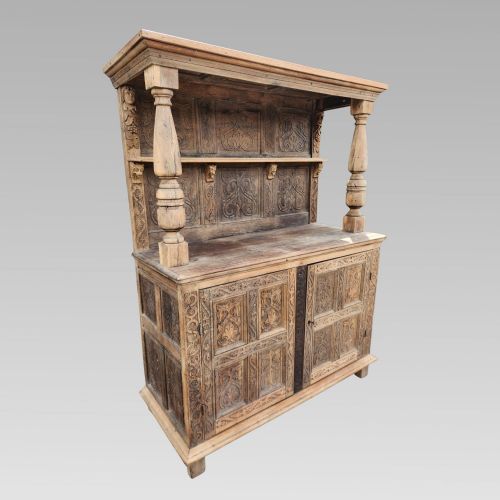


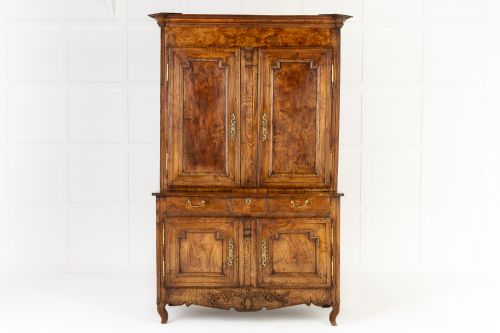


French Deux Corps Cabinet
A french deux corps cabinet is a commanding two-part storage piece that anchors a room with substantial presence and practical scale.
French Deux Corps Cabinet
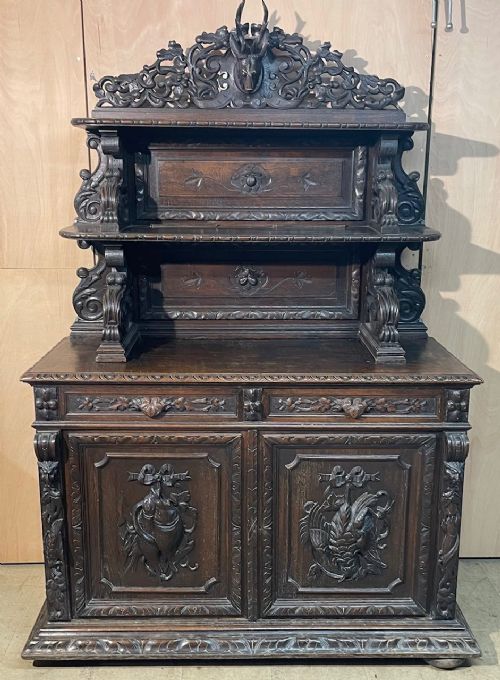
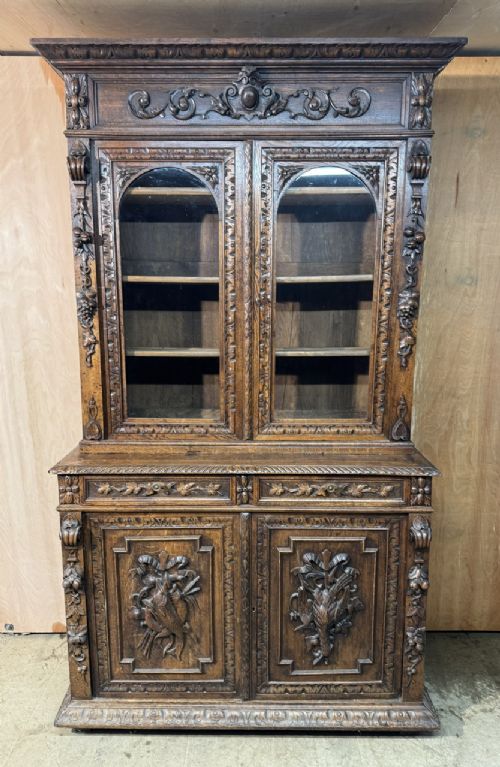
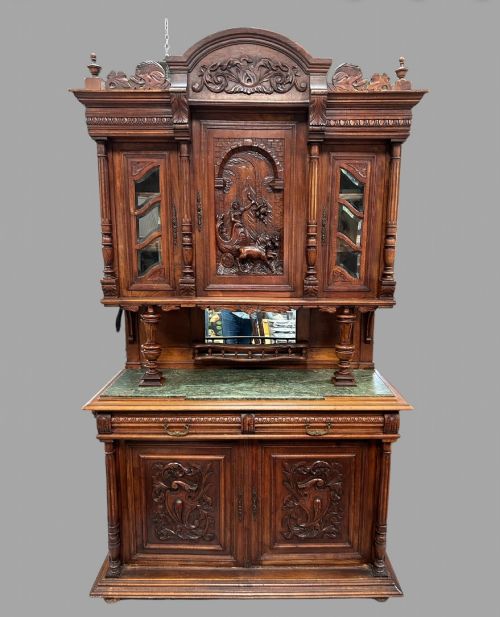
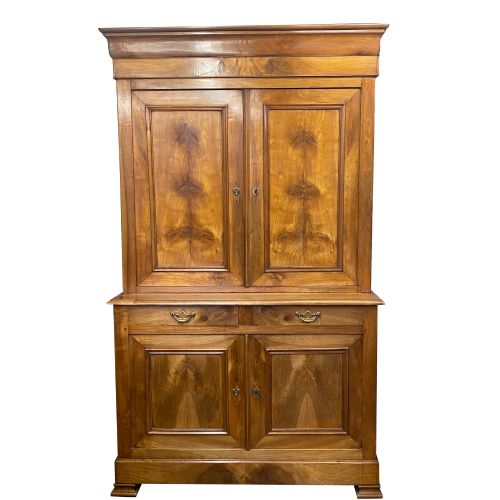
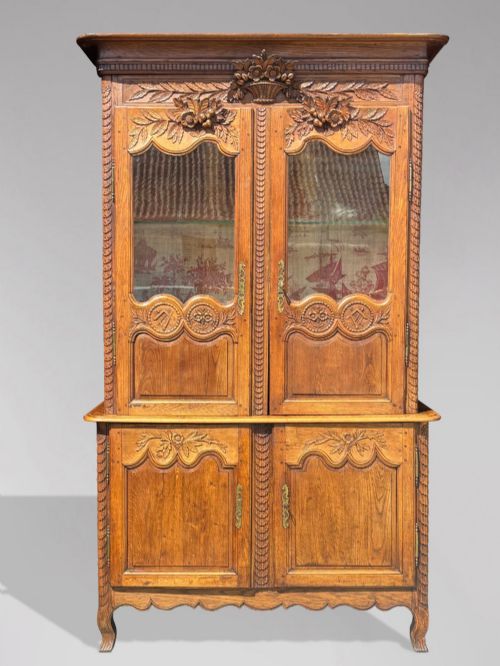
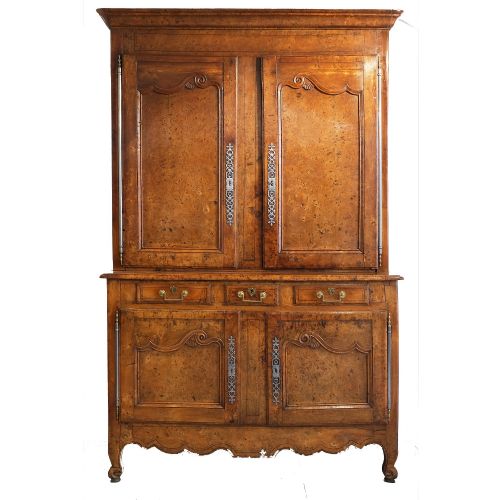
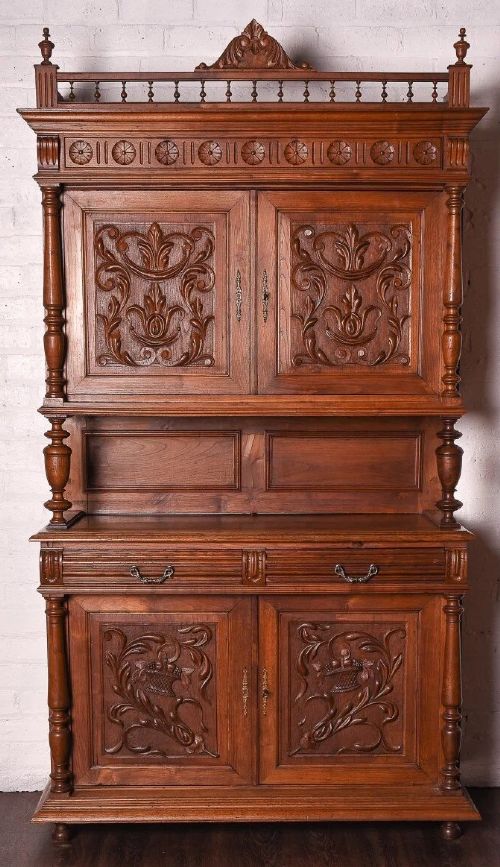
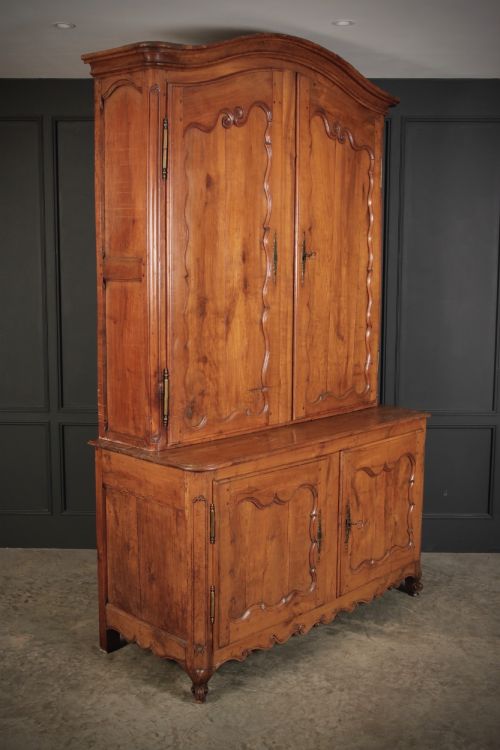
When you search for a french deux corps cabinet, you encounter imposing two-tier storage pieces designed with a distinct upper and lower section. These grand items serve as prominent storage and display units, historically utilised in kitchens, dining spaces, and formal rooms for provisions and tableware.
The selections span significant periods, appearing most frequently in robust 18th Century and 19th Century iterations. Stylistic variations include French Provincial, Louis XV, French Renaissance Revival, and Breton, reflecting distinct regional tastes across France.
Materials and Construction
Traditional construction relies heavily on native timbers, with oak, walnut, cherry, ash, and elm appearing frequently across the inventory. Carpenters utilised solid hardwoods for durability, frequently employing panelled construction to accommodate the natural movement of large wooden sections over time.
Surface detailing involves hand carving, panel moulding, and occasional painted finishes, while structural hardware incorporates brass and iron hinges, locks, and handles. Glazed doors feature in upper display sections, housing glass panels alongside timber framing.
Game cabinets in the selection bring a touch of the forest indoors, historically built to store the day's hunt before supper.
Assessing Quality and Character
Quality reveals itself in the choice of timber and the depth of hand carving across the facade. Pieces fashioned from solid cherry, walnut, or dense oak display superior grain patination and structural longevity compared to simpler iterations.
Proportion and architectural harmony define the finer examples, where the transition between the upper and lower sections appears seamless. Integrated hardware, original glass, and well-executed joinery distinguish pieces of higher craftsmanship.
The French Deux Corps Cabinet Glossary
- Deux Corps
- A two-part cabinet featuring a distinct upper section stacked upon a larger lower base. This traditional French architectural form maximises vertical storage space.
- Buffet
- A foundational sideboard or low cupboard used for serving and storing dining provisions. In these pieces, it forms the substantial lower section.
- Vitrine
- A glass-fronted display cabinet designed to showcase porcelain, glassware, or prized objects. It frequently constitutes the upper tier of a two-part cupboard.
- Provincial
- Denoting regional furniture made outside Paris, characterised by sturdy native timbers and charming local interpretations of high-style ornament.
- Breton
- Pertaining to the distinctive furniture style of Brittany, often featuring rich oak, figural carvings, and maritime or traditional motifs.
French Deux Corps Cabinet: Frequently Asked Questions
What is a deux corps cabinet?
A deux corps cabinet is a traditional French storage furniture piece built in two separate sections, stacked one upon the other. The lower half typically provides deep cupboard space, while the upper half offers additional shelving or display areas.
Historically, these grand pieces served as central storage units in large French homes, holding household provisions, linens, and fine tableware.
How are the two sections joined?
The upper cabinet rests securely upon the lower base, often held in place by its own substantial weight and interlocking wooden mouldings. Because they were constructed as two separate modules, they were easier to transport and manoeuvre into tall rooms.
When positioning the piece, the top section simply slots onto the flat surface of the bottom buffet.
Where should I place one?
These imposing cupboards require generous wall space and high ceilings due to their substantial height and depth. They suit dining rooms, large kitchens, or hallways where they function as statement storage pieces.
Ensure the floor is level and sturdy enough to support the considerable weight of solid hardwood construction.
How do I care for the wood?
Maintain the timber by keeping the cabinet away from direct heat sources, strong sunlight, and sudden humidity changes. Regular dusting with a soft, dry cloth preserves the natural grain and historic patination without stripping the surface.
Occasional application of suitable wax helps nourish older hardwoods like oak and walnut.