




French Decorative Toleware
French decorative toleware brings painted metal charm into a room, offering functional trays, chandeliers and urns shaped from sheet iron.
French Decorative Toleware
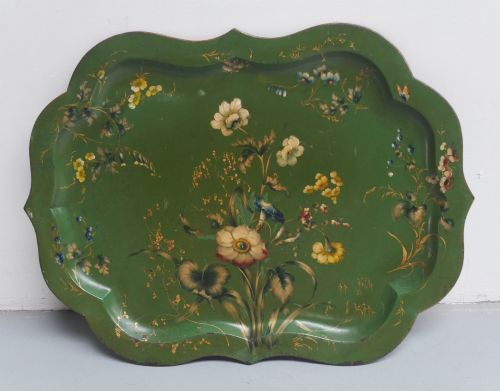
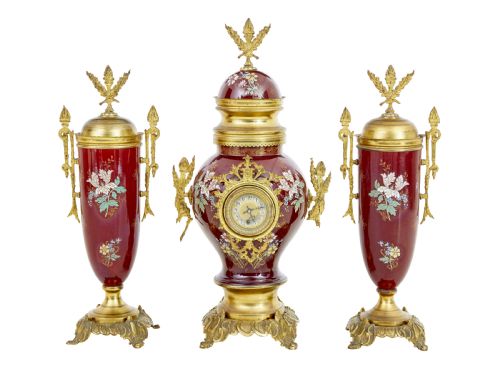
When you search for french decorative toleware, you enter a field of painted and gilded metal objects spanning the nineteenth and twentieth centuries. These pieces encompass serving trays, chandeliers, decorative urns, wine holders, and small side tables.
The most frequent examples on this page date from the nineteenth century, including Napoleon III and Empire period items. You will also find twentieth-century fixtures such as chandeliers and small wine tables from the nineteen-thirties and forties.
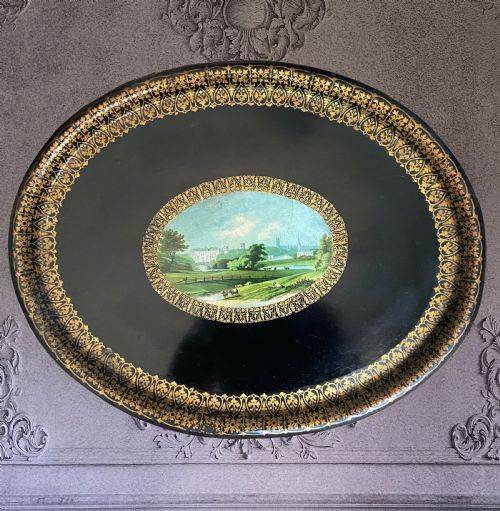
Forms range from large oval serving trays and wall lights to carved urns holding metal flowers and grocery hoppers fitted with brass rims. Each item demonstrates how utilitarian sheet iron was transformed into domestic ornamentation.
Materials and construction
Maker's workshops built these objects primarily from sheet iron, shaping the metal into trays, urns, and lamp bodies. Brass rims and glass components frequently complement the iron structures, particularly on wine holders and small tables.
Decoration relied heavily on paint and gilding, creating polychrome surfaces and gilded highlights. Artisans applied floral motifs and rich pigments directly onto the prepared metal bases.
French Decorative Toleware Retail Price Guide 2026
Typical asking prices for french decorative toleware among the pieces listed under this phrase on Sellingantiques today, from the lower quarter to the upper quarter. They describe what is for sale here now, not the wider market.
Current listings span the nineteenth and twentieth centuries, incorporating materials such as sheet iron, brass, paint, and gilt metal.
Assessing quality in toleware
Quality rests in the execution of the hand-painted details and the preservation of the original polychrome or gilded surfaces. Crisp brushwork and well-maintained paint set superior items apart from simpler utilitarian pieces.
Construction details also dictate standard, such as the neatness of brass rimming on grocery hoppers or the structural integrity of carved elements paired with metal flowers.
The French Decorative Toleware Glossary
- Toleware
- Painted or enamelled metalware, typically manufactured from sheet iron during the eighteenth and nineteenth centuries. The term derives from the French phrase for painted sheet metal.
- Garniture set
- A matched group of ornamental objects designed to be displayed together on a mantelpiece or sideboard. These often comprise urns or vases in matching materials.
- Empire
- A neoclassical design style spanning the early nineteenth century, characterised by formal symmetry and classical motifs. Pieces from this period display disciplined proportions.
- Napoleon III
- A nineteenth-century French revival style incorporating opulent decoration and eclectic influences. Items from this era often feature rich gilding and polychrome painting.
French Decorative Toleware: Frequently Asked Questions
What is french decorative toleware?
French decorative toleware encompasses painted and gilded sheet iron objects made for domestic use and display. The category includes serving trays, chandeliers, wall lights, and decorative urns.
These items combine utility with ornamental painting, reflecting the interior styles of nineteenth-century France and later decorative periods.
How do I date toleware pieces?
Dating relies on stylistic clues, construction methods, and the specific characteristics of the painted decoration. Nineteenth-century examples often display Empire or Napoleon III design traits.
Twentieth-century pieces tend to show simpler lines or different paint formulations typical of nineteen-thirties and forties production.
Where were these items used?
Owners placed these painted metal objects throughout the home for both practical tasks and visual effect. Trays served dining functions, while urns and garniture sets adorned reception rooms.
Chandeliers and wall lights provided illumination in salons and hallways, integrating metalcraft into daily interiors.
How should I clean toleware?
Maintenance requires gentle dusting with a soft, dry cloth to protect the painted and gilded surfaces. Avoid abrasive cleaners or excess moisture that could damage the historic finish.
Careful handling preserves the original pigments and metal integrity over time.