





French Decorative Plates
When buying French decorative plates, you acquire hand-painted porcelain, tin-glazed earthenware and opalescent glass that span three centuries of design.
French Decorative Plates
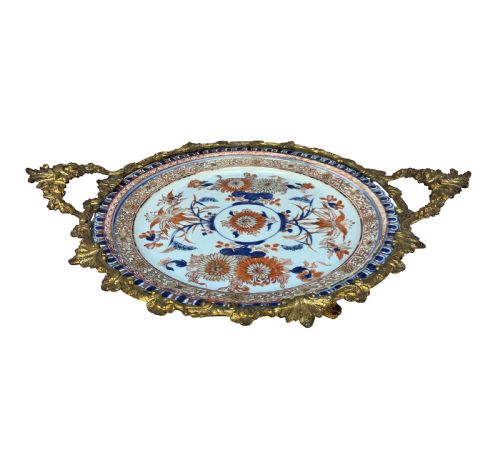
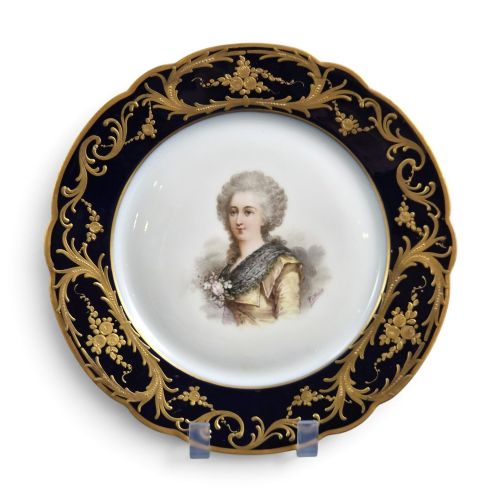
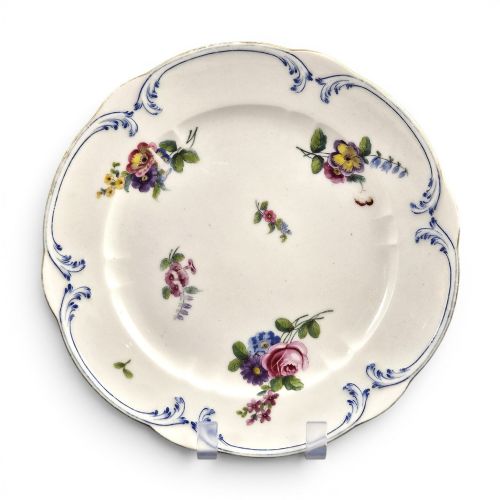
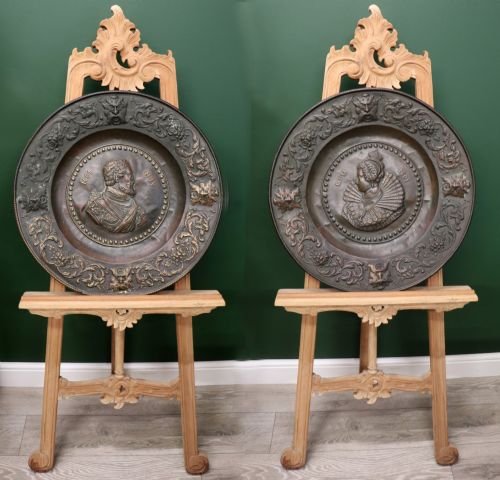
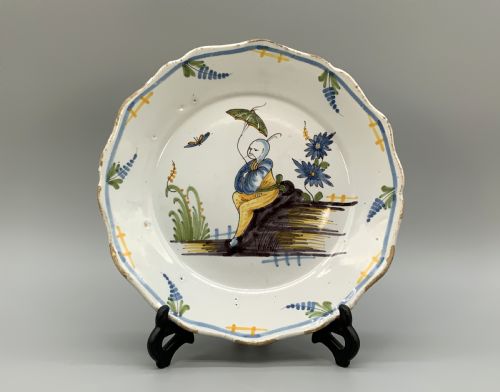
French decorative plates encompass hard-paste and soft-paste porcelain chargers, tin-glazed faience earthenware, and moulded glass salvers. You encounter eighteenth-century pieces alongside nineteenth-century examples in the Sèvres manner and twentieth-century Art Deco designs.
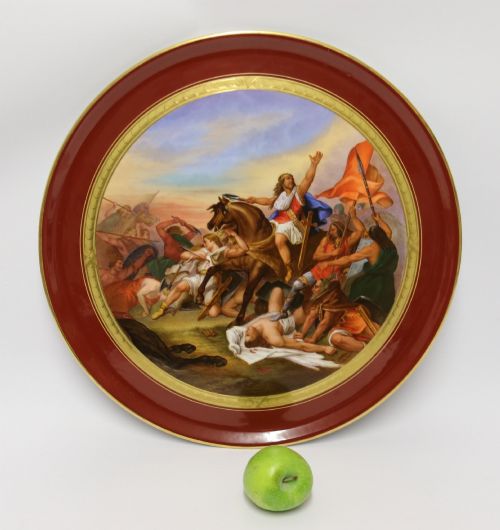
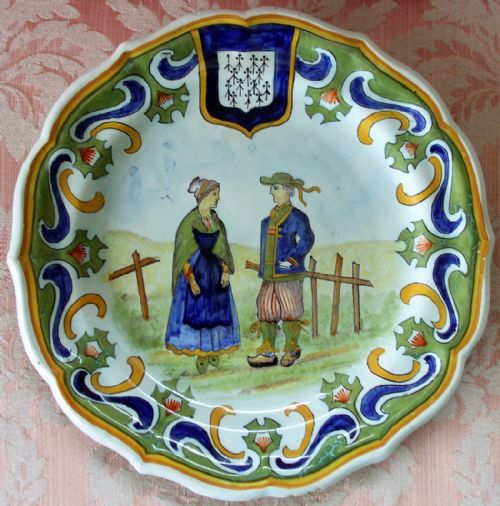
The form stretches from cabinet plates and pictorial wall dishes to smaller trinket dishes and serving plates. Examples range from hand-painted historical scenes on porcelain to sepia-stained and opalescent glass plates.
Most items you find originate from French factories and studios, reflecting periods including Louis XVI Revival, Rococo, Art Nouveau, and Mid-Century Modern.
How they were made
Potters and artisans shaped these pieces from soft-paste and hard-paste porcelain, tin-glazed earthenware, and lead or opalescent glass. Decoration relied on hand-painted enamel colours, metallic oxides for manganese and yellow hues, and sepia staining.
Glass plates utilised press-moulding techniques to achieve raised motifs, whilst metal elements incorporated silver plating, gold leaf, and ormolu mounts to edge or support the ceramic and glass bodies.
French Decorative Plates Retail Price Guide 2026
Typical asking prices for french decorative plates among the pieces listed under this phrase on Sellingantiques today, from the lower quarter to the upper quarter. They describe what is for sale here now, not the wider market.
Listings feature French decorative plates from the eighteenth century through to the mid-twentieth century, spanning porcelain, faience, and opalescent glass.
What varies in quality
Quality rests upon the precision of the hand-painting, the clarity of the porcelain paste, and the crispness of the moulded details in glass and metal. Master painters achieved finer brushwork and more complex polychrome or camaieu scenes than jobbing decorators.
The depth of opalescence in glass and the weight of the silver plating or bronze mounts distinguish workshop standards. Faience varies according to the purity of the tin glaze and the control of the kiln temperature during firing.
Hermes Paris·Christofle·Rene Lalique·Darte Brothers·Veuve Perrin·Maria Pergay·Ambroise Michel
The French Decorative Plates Glossary
- Faience
- Tin-glazed earthenware produced in France, often featuring hand-painted designs in manganese, yellow, or blue. These pieces display an opaque white glaze applied over a porous clay body.
- Soft-Paste Porcelain
- An artificial porcelain composition fired at lower temperatures than hard-paste porcelain. It appeared in eighteenth-century French factories and yielded a distinctive warm glaze texture.
- Opalescent Glass
- Glass containing agents that cause it to scatter light, producing a milky or bluish glow. René Lalique utilised this effect extensively for twentieth-century decorative plates.
- Camaieu
- A monochrome style of painting using various shades of a single colour, such as puce or blue. It creates tonal depth without multi-coloured pigments.
- Chinoiserie
- European decorative art influenced by Chinese artistic traditions. Plates featuring this style display imaginary Asian landscapes and figures interpreted by French makers.
French Decorative Plates: Frequently Asked Questions
How do I identify eighteenth-century faience?
Eighteenth-century faience exhibits tin glazes with hand-painted manganese or polychrome pigments, showing minor surface imperfections from early kiln firings.
Examine the footrims and underside for glaze pooling and the characteristic weight of soft earthenware bodies.
What is the difference between porcelain and earthenware plates?
Porcelain uses dense, vitrified clay fired at high temperatures to achieve a hard, non-porous white body that rings when struck. Earthenware employs softer clay covered in an opaque tin glaze.
Porcelain allowed for finer hand-painted portraits and gilding, whilst earthenware suited rustic or boldly coloured pictorial scenes.
How should I display wall chargers?
Wall chargers and cabinet plates require secure, padded spring hangers that distribute weight evenly across the rim without scratching the glaze. Ensure wall fixings anchor directly into solid masonry or wall studs.
Position plates away from direct sunlight to protect enamel colours and gilt highlights from fading over time.
Are Art Deco glass plates fragile?
Art Deco glass plates, including moulded opalescent pieces, utilise thicker glass than domestic tableware but remain vulnerable to sharp impacts and thermal shock. Handle them with clean hands to prevent skin oils from etching historic glass surfaces.
Wash them gently in warm water without harsh abrasives and dry them immediately with a soft cloth.