




French Cutting Table
These French cutting table finds are decorative metal and crystal objects spanning the nineteenth and early twentieth centuries, prized for adding refined illumination and display to a room.
French Cutting Table
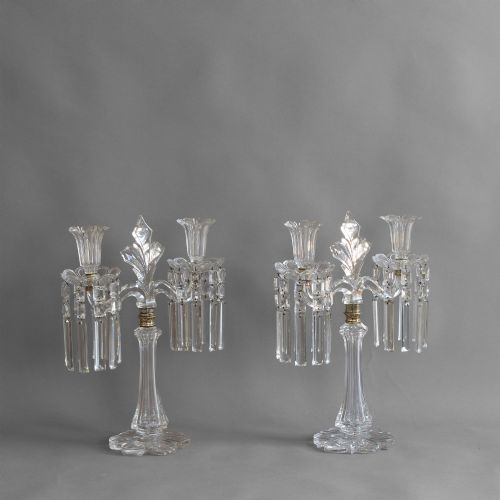
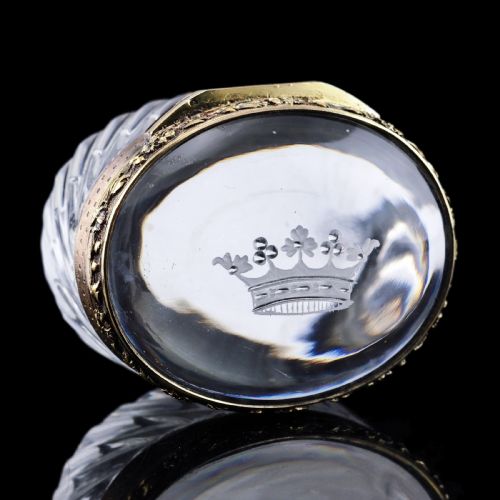
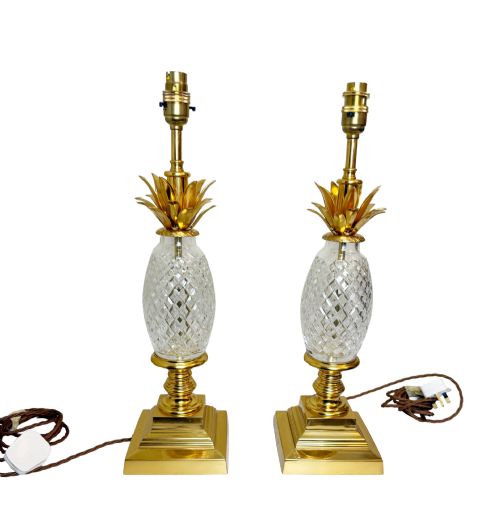
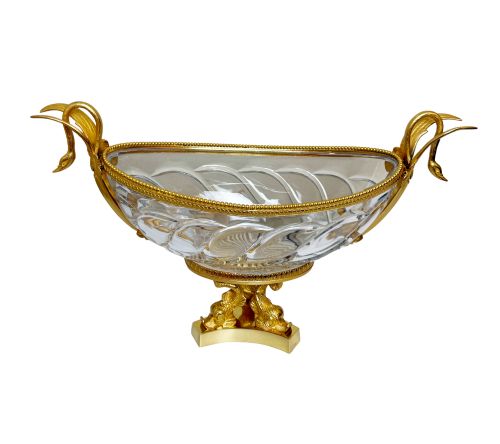
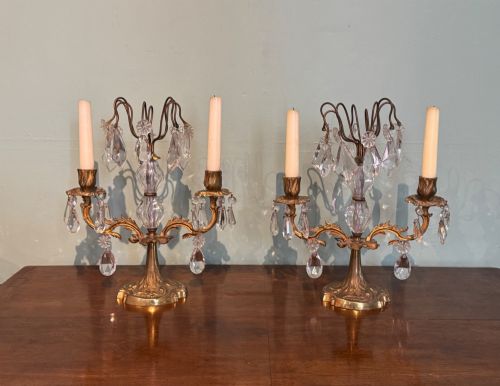
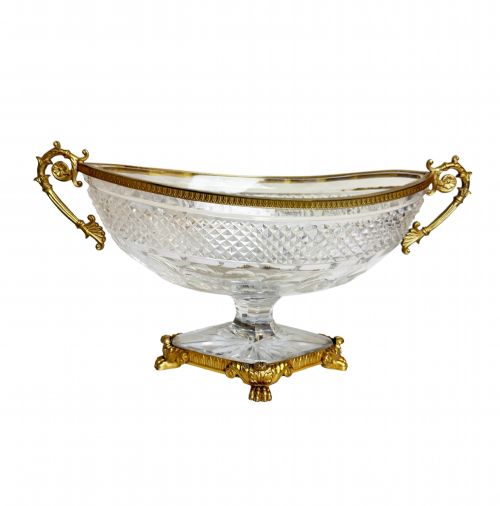
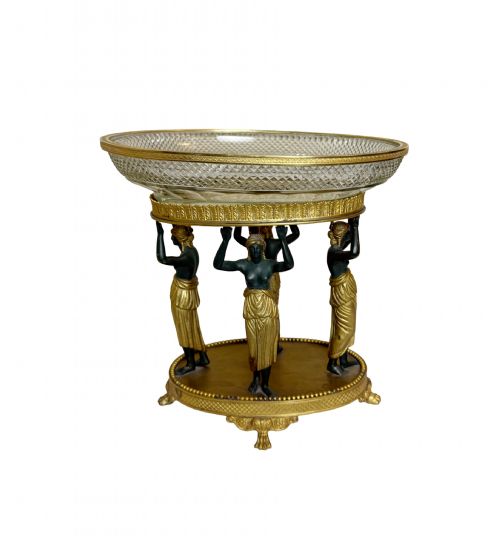
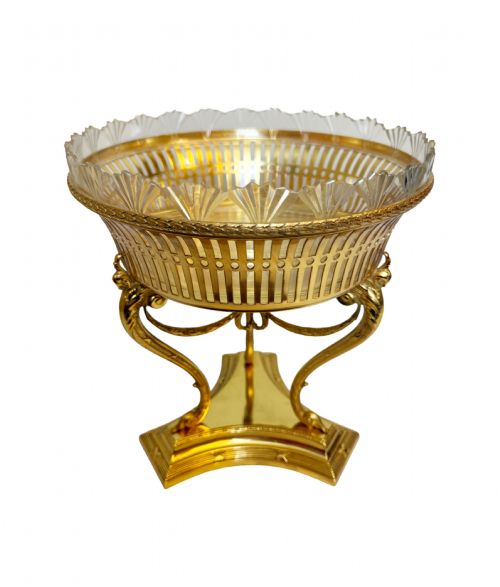
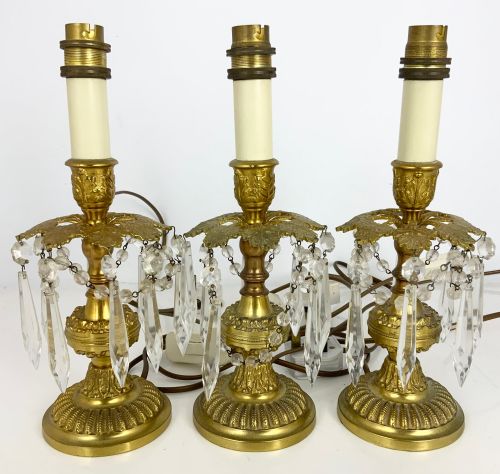
When searching for a french cutting table, buyers encounter a diverse selection of decorative items rather than workbenches, including centrepieces, table lamps, candelabras, mantel clocks and trinket boxes. These pieces predominantly date from the nineteenth century through to the Edwardian era and the nineteen-twenties.
The objects frequently display French design influences such as Empire, Charles X, Louis XVI style, and French Rococo Revival. Centrepieces and table lamps mounted with cut glass drops represent the most common forms met within these listings.
Materials span from glass and cut crystal to brass, gilt bronze, ormolu, and gilt brass, often combined within a single piece. Pieces range from monumental table lamps to smaller scent bottle caskets and portico clocks.
Materials and construction methods
Metal components utilise casting and gilding techniques to produce gilt bronze, ormolu, and gilt brass mountings. These metal frames support and house glass elements.
Glass and crystal portions involve heavy cutting and moulding to create detailed drops, lustres, inserts, and bodies. Many items combine these cut crystal elements with bronze detailing and cast metal stands.
French Cutting Table Retail Price Guide 2026
Typical asking prices for french cutting table among the pieces listed under this phrase on Sellingantiques today, from the lower quarter to the upper quarter. They describe what is for sale here now, not the wider market.
Materials appearing across the items include cut crystal, tortoiseshell, embossed leather, and gilt brass.
Evaluating quality and execution
Quality rests in the precision of the metal chasing and the depth of the gilt finish on bronze and ormolu mounts. Finer examples display crisp casting details and substantial weight in their metal and crystal components.
The clarity and hand-cut facets of the crystal drops, inserts, and bodies dictate the upper tier of execution. Better pieces maintain integrity between the glass components and their metal mounts without loose fittings.
The French Cutting Table Glossary
- Ormolu
- A gilded bronze technique used extensively in French decorative arts. It provides a rich golden surface finish to cast metal mounts.
- Centrepiece
- A large decorative table object intended as a focal point. These often take the form of epergnes or crystal bowls on stands.
- Table Lustre
- A candlestick or candelabra hung with cut glass drops. These drops reflect and amplify candlelight or electric illumination.
- Portico Clock
- A clock built within an architectural frame of columns and lintels. They frequently incorporate crystal and ormolu decoration in nineteenth-century designs.
- Boulle
- A method of marquetry using brass and tortoiseshell inlaid into furniture and clocks. It creates a contrasting metallic and dark patterned surface.
French Cutting Table: Frequently Asked Questions
How do I identify Charles X pieces?
Charles X items date from the early nineteenth century and typically combine polished or gilt bronze with cut crystal elements. They often feature architectural or classical motifs.
Look for refined metalwork and distinct period proportions on items like portico clocks and decorative caskets.
What are table lustres used for?
Table lustres function as decorative lighting fixtures hung with cut glass drops designed to refract light. They were placed on tables and mantelpieces to enhance interior brightness.
Many examples from the Edwardian period and early twentieth century now operate as electrified lamps while retaining their original crystal drops.
How should I care for gilt bronze?
Gilt bronze and ormolu require gentle dusting with a soft, dry cloth to protect the delicate surface finish. Avoid harsh chemical cleaners or abrasive materials that can strip the gilding.
Keeping the pieces away from direct moisture helps preserve the integrity of both the metal mounts and the fitted crystal.