
French Cut Glass Light
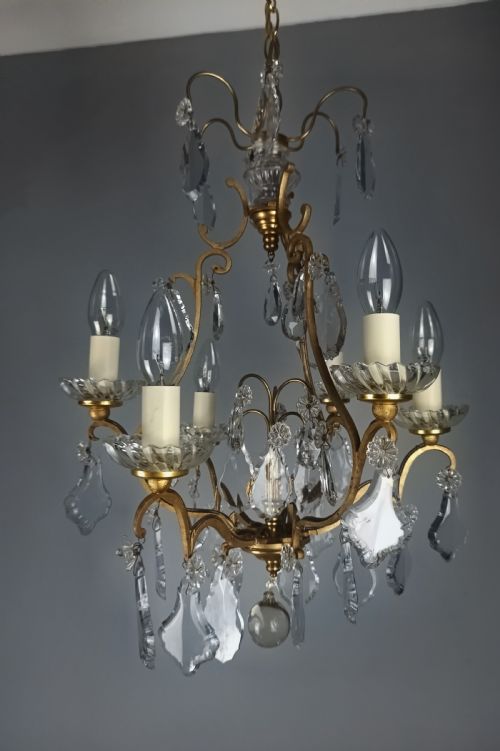
When you want a french cut glass light, you are choosing brass, bronze, and faceted crystal fixtures that bring period illumination to a room.
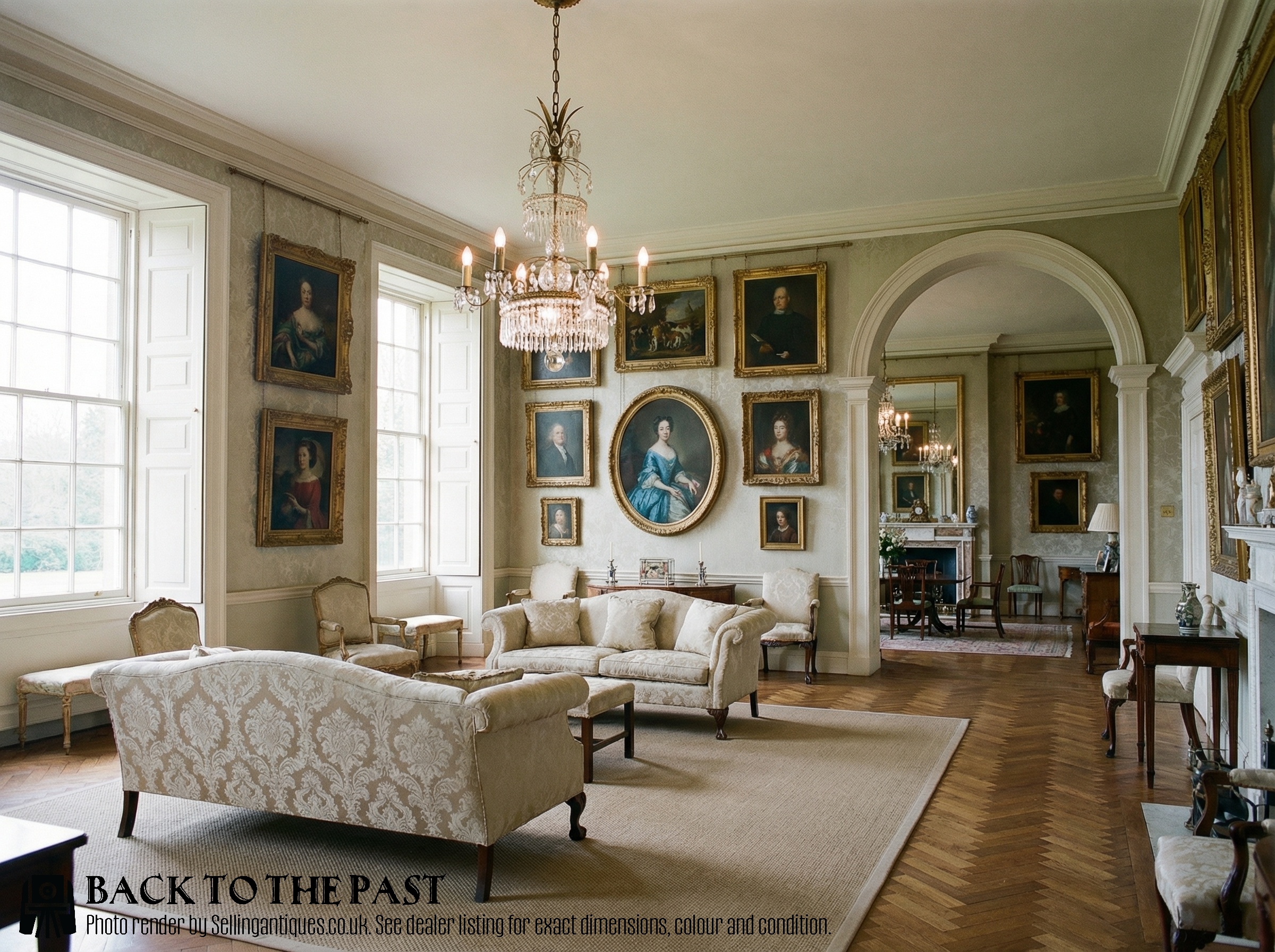
French Cut Glass Light
A french cut glass light encompasses fixtures designed to illuminate interiors through suspended or wall-mounted glass and metal work. These pieces emerge from periods spanning the late nineteenth century through the early decades of the twentieth century, including Edwardian, 1900, 1910, 1920, and 1930 eras.
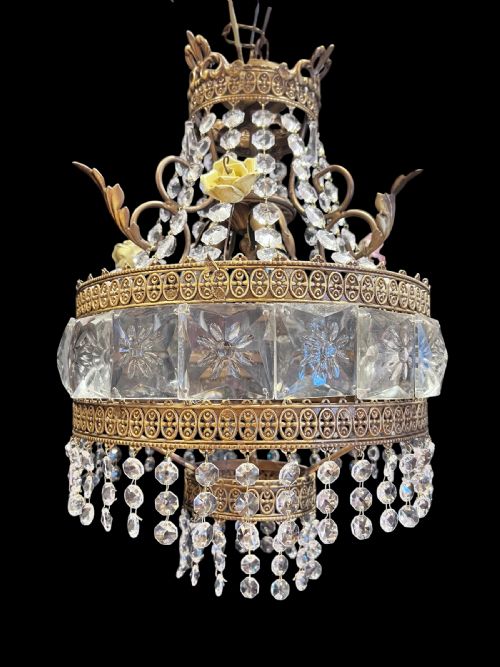
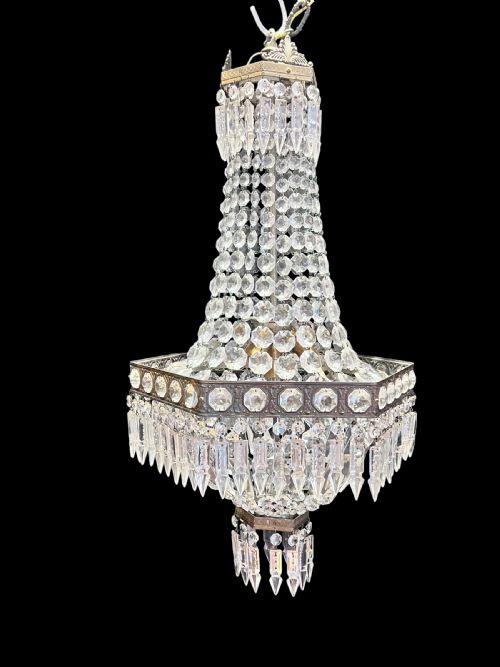
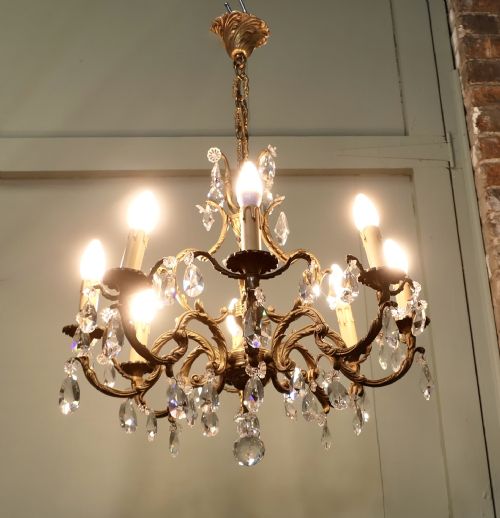
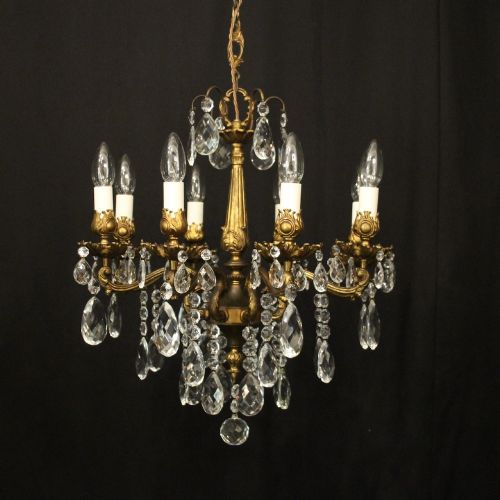
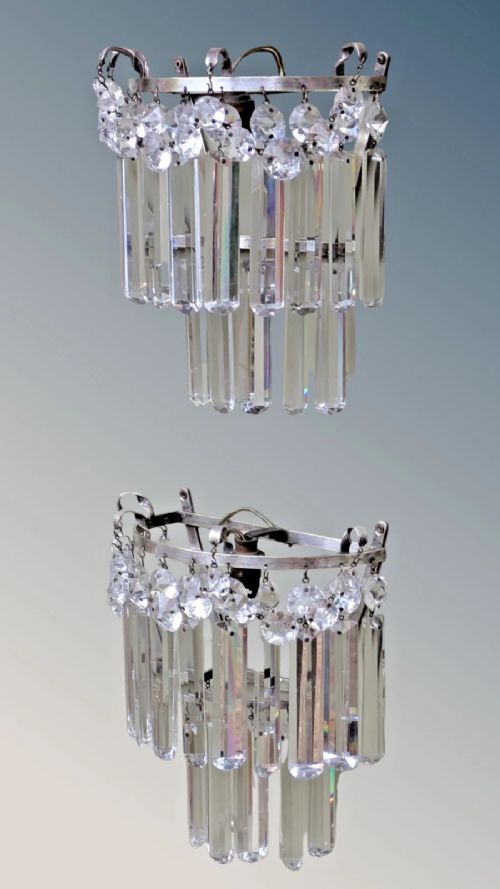
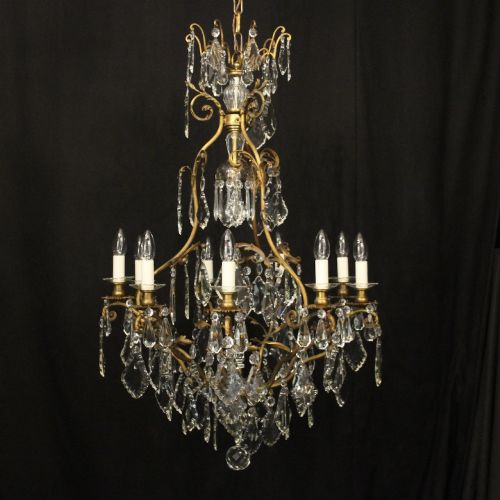
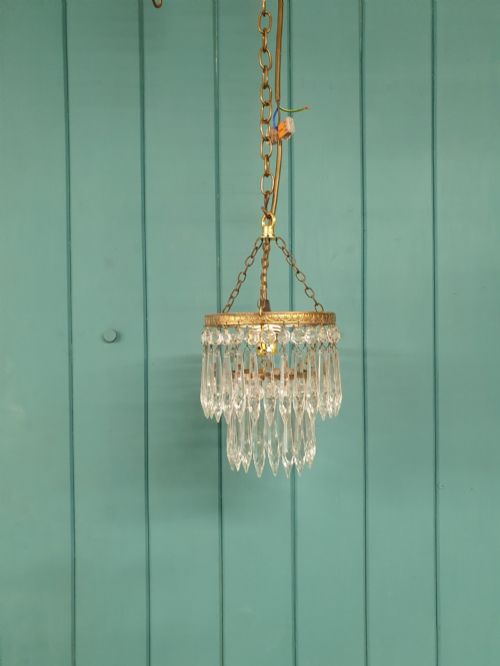
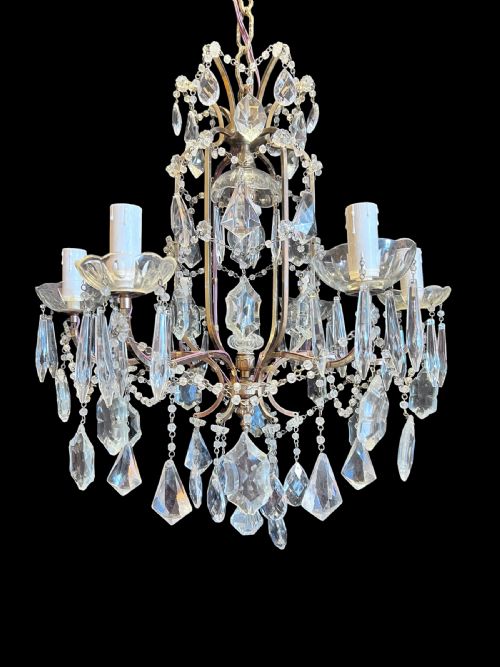
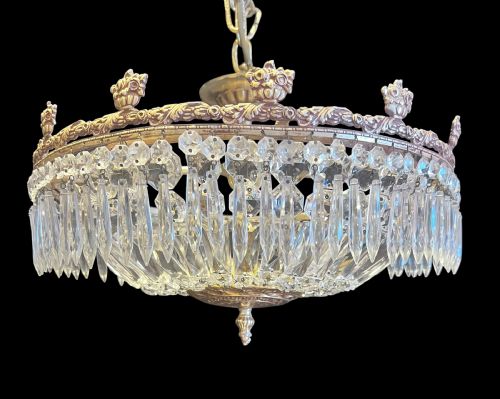
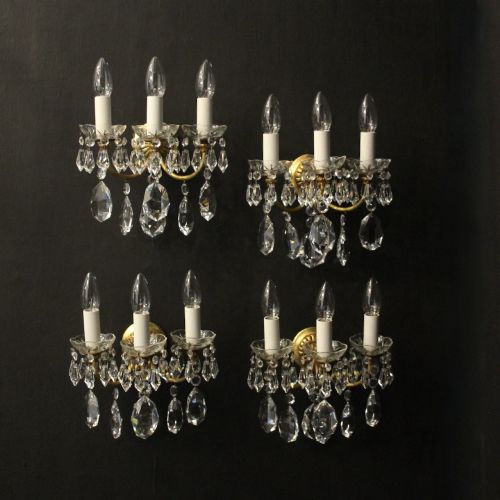
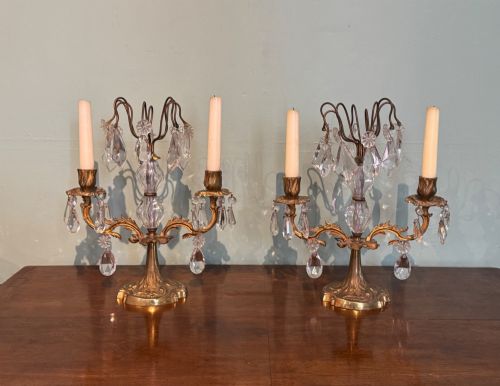
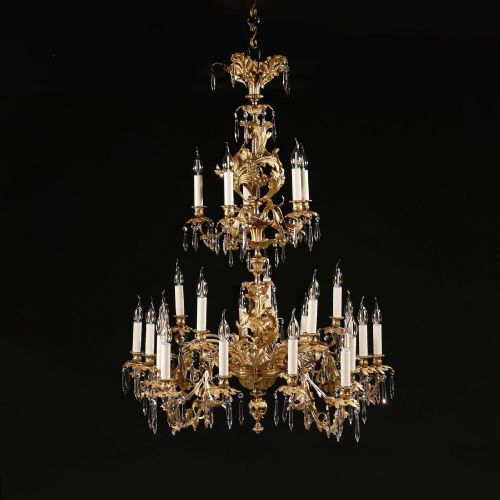
The inventory on this page consists primarily of chandeliers, ceiling lights, wall lights, lanterns, and table lamps. Common configurations include tent and bag chandeliers, birdcage frames, plafonniers, and matched pairs of wall sconces.
Stylistic influences draw heavily from French Empire, Louis Revival, Rococo, and Neo-Classical traditions. These designs integrate metal armatures with reflective glass elements to distribute light across a space.
Materials and Construction
Makers constructed the structural frames of these fixtures using brass, gilt bronze, or gilt metal, often pairing them with cast brass mounts and decorative brass details. Metal components provide the rigid skeleton required to support heavy glass drops and crystal arrays.
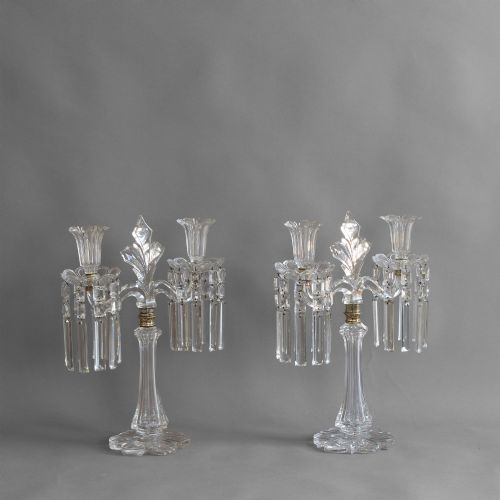
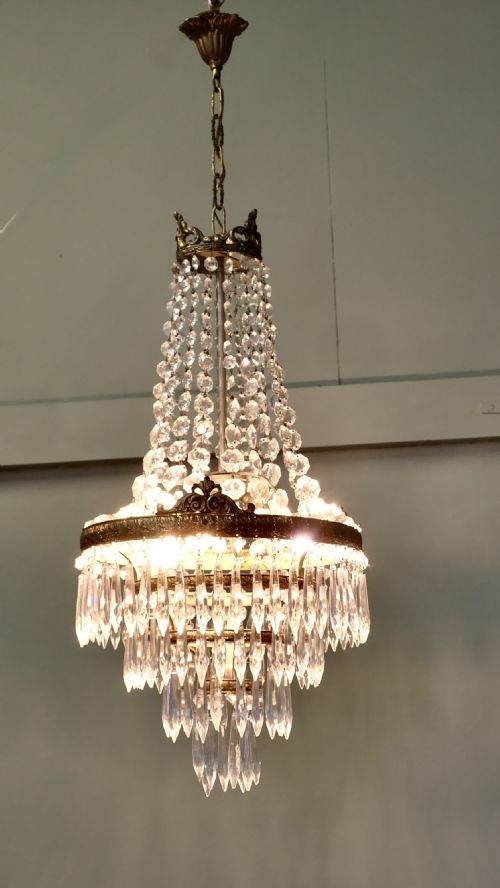
The optical effects rely on cut glass and cut crystal, shaped into prisms, beads, spikes, lustres, and moulded glass shades. These glass components are assembled onto the metal frames using wire pin connections to create cascading tent and bag profiles.
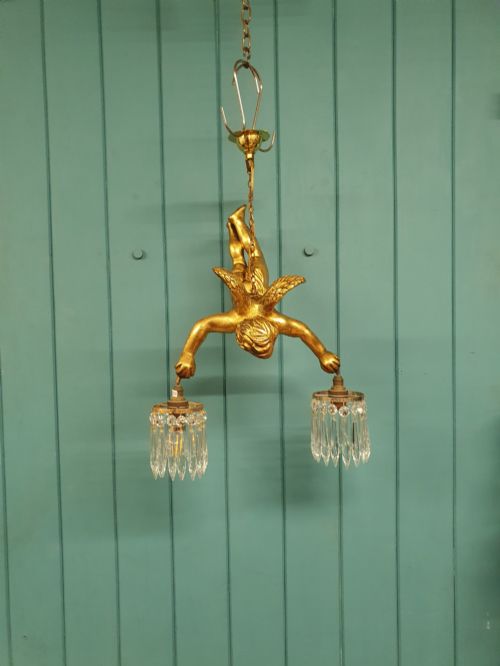
Flying cherubs and lion masks occasionally peer out from the brass mounts, guarding the crystal streams above.
Quality Variations
The grade of a fixture is determined by the depth and crispness of the glass faceting, which dictates how sharply the material refracts light. Superior examples employ heavy cut crystal with precise bevels rather than simple moulded glass.
Casting detail on the metal mounts distinguishes finer pieces, where chased brass, gilt bronze, or ormolu display sharp relief and defined ornamentation. Heavier armatures and robust internal wiring frameworks also indicate higher manufacturing standards.
The French Cut Glass Light Glossary
- Chandelier
- A branched ornamental light fixture suspended from the ceiling. These hold multiple bulbs or candles across arms arranged in tiers.
- Lustre
- A cut glass pendant or drop hung from a light fixture to reflect illumination. Lustres amplify the sparkle of the surrounding bulbs.
- Plafonnier
- A ceiling light fixture mounted flush or close to the ceiling surface. This form directs light downward into the room.
- Ormolu
- Gilt bronze ornamentation applied to furniture and lighting fixtures. The technique involves applying a gold amalgam to a bronze base.
- Tent and bag chandelier
- A lighting design featuring an upper canopy shaped like a tent above a gathered bag of crystal beads. This configuration creates a dense cascade of faceted glass.
French Cut Glass Light: Frequently Asked Questions
What styles fit these lights?
These fixtures suit period interiors as well as contemporary spaces seeking a decorative contrast. Empire, Louis Revival, and Neo-Classical designs complement traditional cornicing and high ceilings.
Smaller basket lights, wall sconces, and plafonniers integrate easily into hallways and bedrooms. The mix of brass and glass works alongside both neutral palettes and rich colour schemes.
How do I clean cut glass?
Maintenance involves wiping individual glass drops with a mild solution of warm water and a gentle cleaning agent. Keeping the fixture in place while cleaning prevents damage to the delicate wire fixings.
Regular dusting with a soft cloth prevents grime buildup on the facets. Avoid harsh chemical sprays that might dull the surface of the glass or damage the gilt finish on the brass.
How do I date a fixture?
Dating relies on examining the metal composition, casting style, and electrical or candle components. Edwardian and 1920s pieces often feature specific brass stampings and characteristic bag or tent glass arrangements.
Stylistic markers such as lion masks or griffin wall mounts point to specific revival periods around 1900. Comparing the wiring remnants and construction techniques against known period examples helps narrow the timeline.