
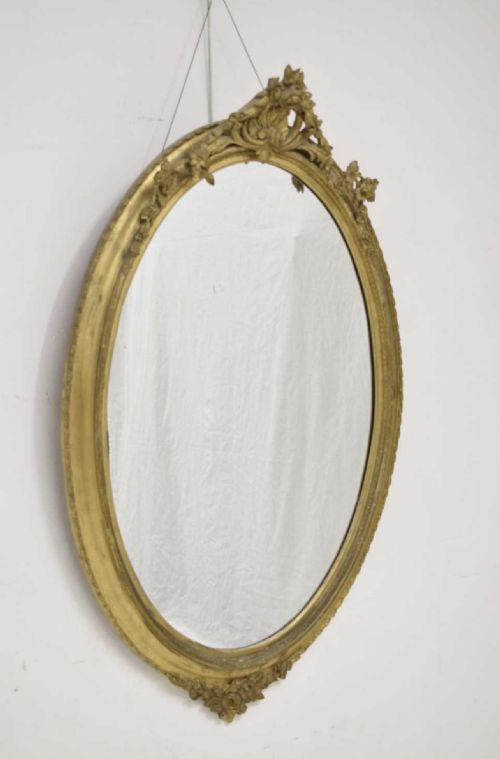
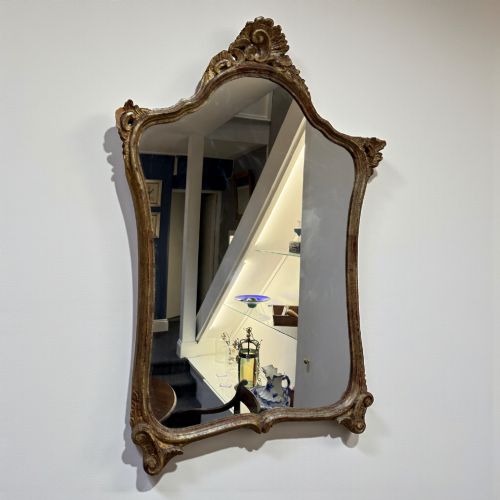
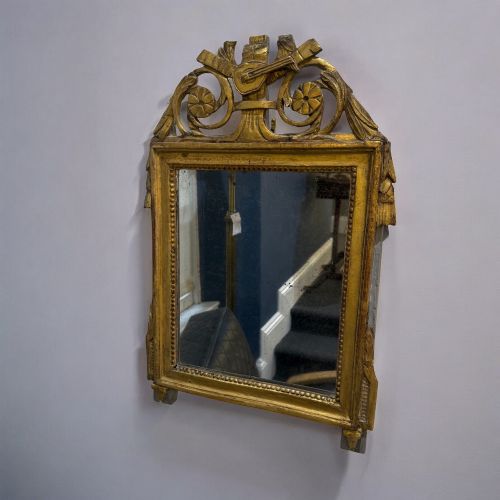
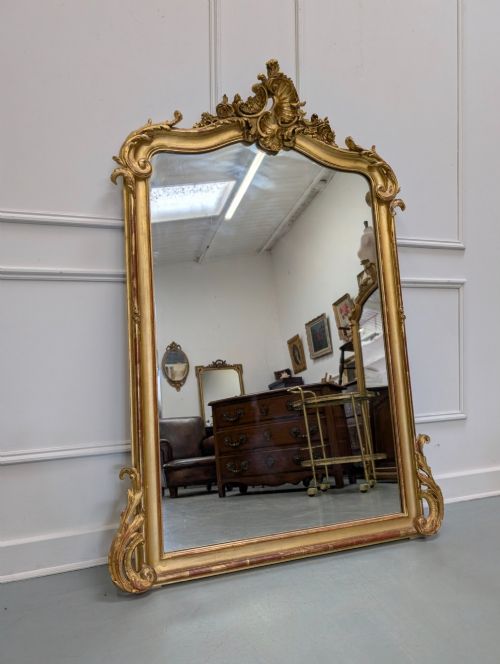
French Crested Mirror
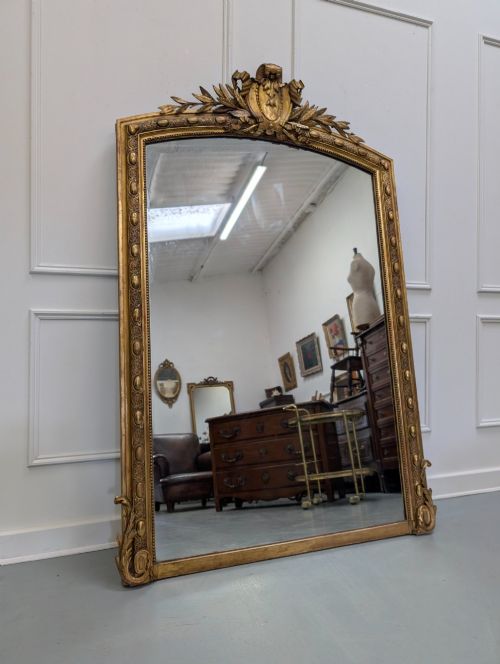
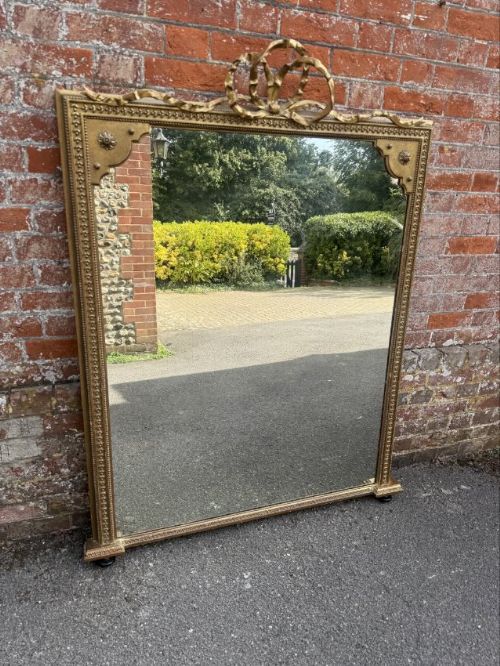
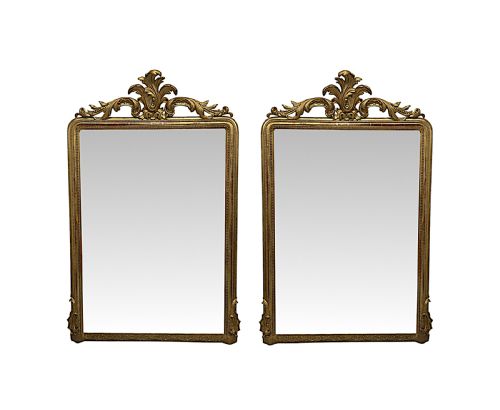
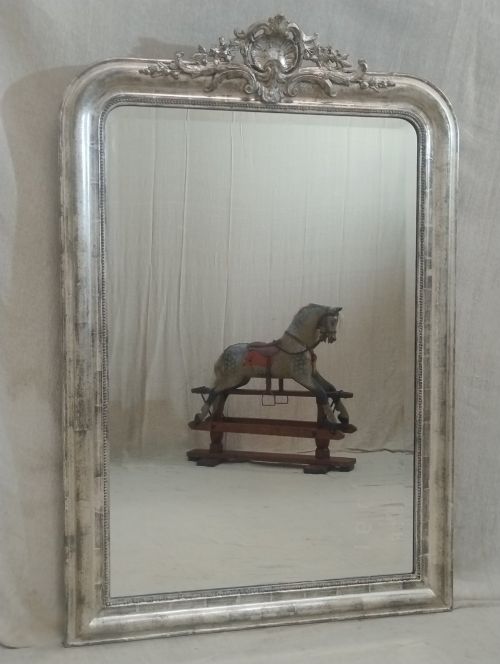
A French crested mirror brings dramatic proportion and ornate upper carving to a room, drawing the eye upwards with scrolls, ribbons, or floral motifs.
French Crested Mirror
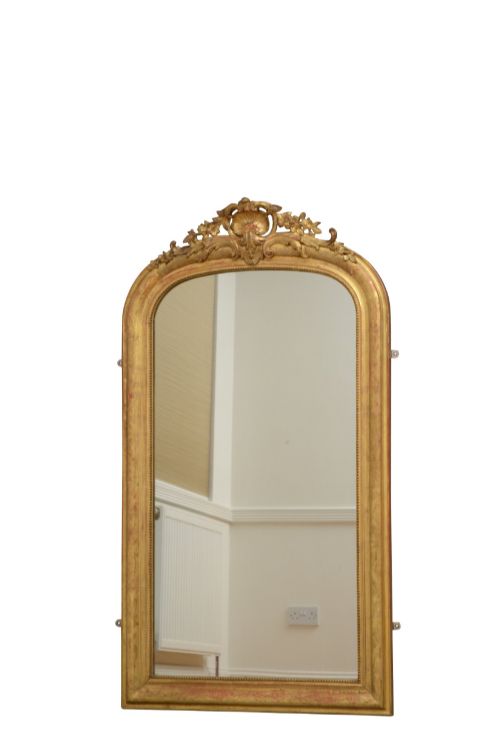
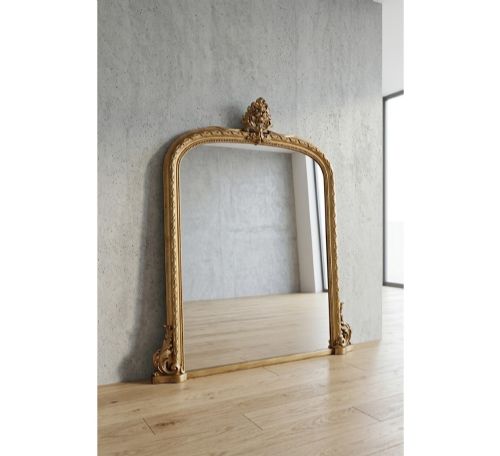
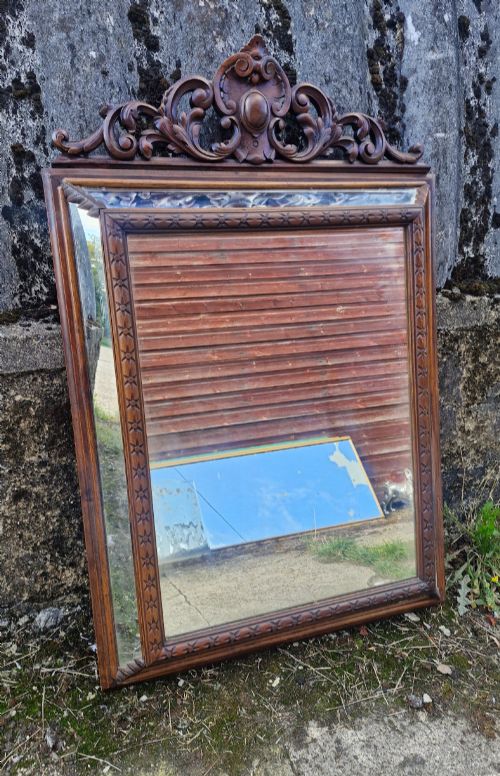
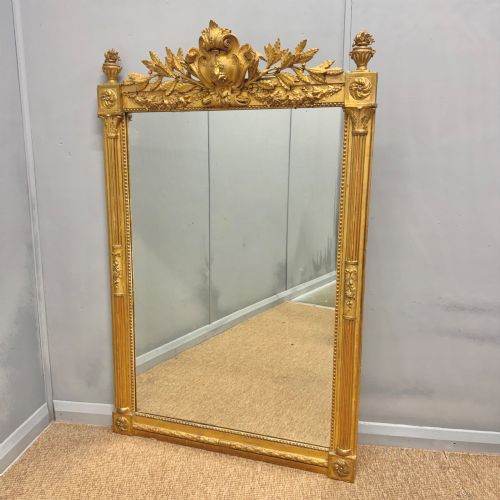
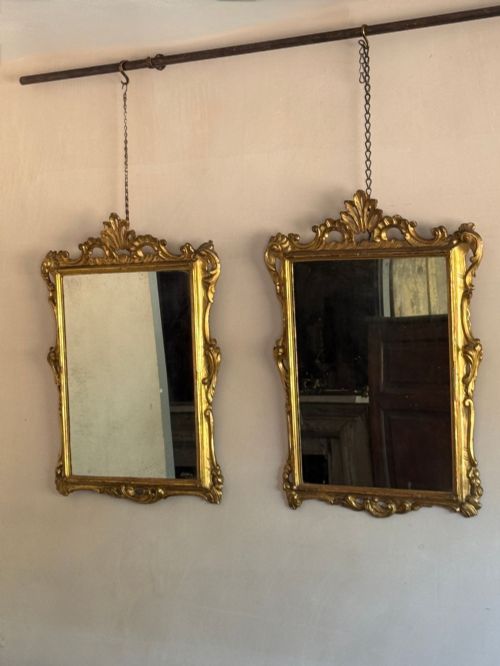
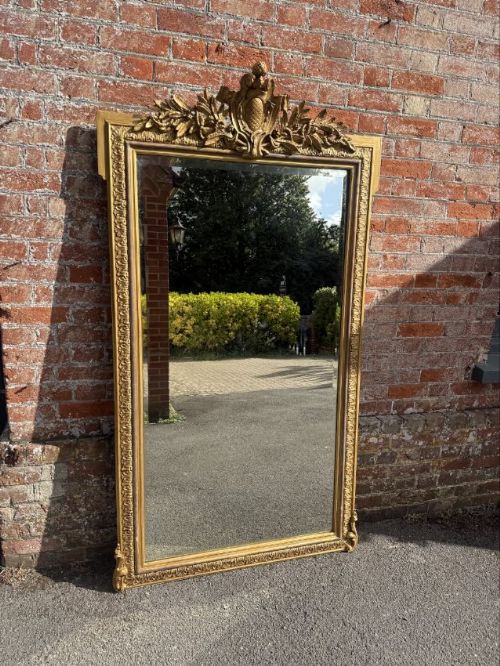
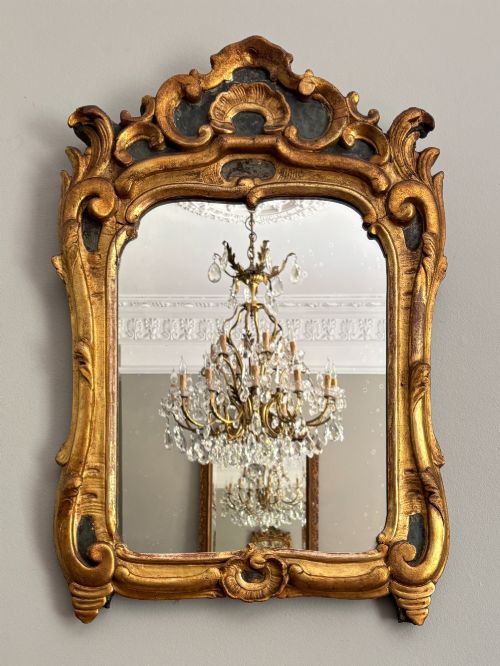
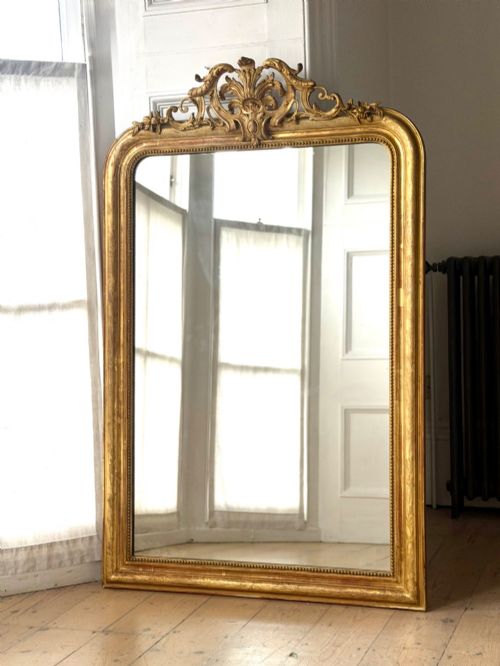
A French crested mirror typically manifests as a grand wall or overmantel glass piece produced across the eighteenth and nineteenth centuries, taking inspiration from Louis XV, Louis XVI, and Napoleon III aesthetic movements. These pieces range from tall pier glasses designed to stand between windows to wide mantel mirrors intended to sit above a fireplace. The most frequently encountered examples on this page date from the nineteenth century, exhibiting substantial carved wooden frames with prominent decorative crests.
The format encompasses various regional and stylistic expressions, including ornate giltwood frames, painted surfaces, and bleached oak structures. Overmantel and wall-mounted variants dominate the selection, often featuring shaped arches or trapezoidal geometries that reflect period interior design tastes. Buyers searching this phrase look for pieces that combine functional reflectivity with sculptural architectural presence.
Materials and construction methods
Makers constructed the foundational frames primarily from carved wood, frequently applying layers of gesso to build up intricate relief ornaments before gilding with gold leaf or silver-gilt. This combination allowed artisans to carve delicate floral ribbons, crests, and scrolls that held their crisp edges beneath metallic finishes. Some examples utilise painted wood or ebonised surfaces with parcel-gilt highlights rather than full gold leaf coverage.
Glass production during these periods resulted in mercury plates or early bevelled sheets that display characteristic foxing and depth. Frames frequently incorporate structural joinery suited to heavy wall hanging or leaning, supported by the resilience of dense timbers like oak or pine beneath the decorative gesso layers.
Some nineteenth-century makers hid secret nesting compartments behind the crests, presumably for love letters rather than spare glass screws.
Distinguishing quality in period mirrors
The distinction between standard domestic mirrors and top-tier examples lies in the depth and hand-carved precision of the wooden crest. Superior pieces display deeply undercut foliage, crisply modelled figures or urns, and harmonious proportions where the frame complements the glass rather than overpowering it. The application of gold leaf and the integrity of the underlying gesso work also signal the maker's investment of time and skill.
The preservation of original components, such as early mercury glass plates or backboards, significantly elevates a piece. Quality manifests in how cleanly the mitred joints have settled over the decades and whether the decorative crest remains structurally integrated with the main frame without clumsy repairs.
The French Crested Mirror Glossary
- Gesso
- A plaster-like mixture applied to wooden frames to create a smooth surface for carving or gilding. It allows artisans to achieve sharp, intricate relief details.
- Giltwood
- Timber that has been coated with gold leaf or metallic powder. It provides the characteristic luminous finish seen on nineteenth-century decorative frames.
- Pier glass
- A tall, narrow mirror designed to hang on the wall space between two windows. These pieces often matched the height of surrounding architectural joinery.
- Mercury glass
- A type of silvered glass produced by pouring a mercury amalgam behind the plate. It creates a cloudy, atmospheric reflection unique to older mirrors.
- Overmantel mirror
- A wide glass piece constructed specifically to sit on the mantelpiece above a fireplace. They frequently span the width of the hearth and anchor the room's decorative scheme.
French Crested Mirror: Frequently Asked Questions
How do I hang a heavy crested mirror safely?
Heavy frames require professional wall fixings distributed across multiple secure points, ideally anchored directly into wall studs or masonry. Using a French cleat system helps distribute the substantial weight evenly along the top of the frame.
Because nineteenth-century pieces combining wood, gesso, and glass are exceptionally heavy, standard picture wire is entirely unsuitable. Consulting a professional art installer ensures the structural integrity of both the wall and the antique frame remains protected.
What does foxed glass mean?
Foxed glass refers to the natural ageing process where the silvering behind the glass deteriorates, creating dark spots, speckling, or mottled patches. This oxidation develops over many decades due to exposure to atmospheric moisture.
Many collectors prize foxed glass because it authenticates the age of the piece and imparts a soft, non-uniform reflection. It distinguishes genuine period mirrors from modern reproductions that use flawless contemporary glass.
Where should I place an overmantel mirror?
An overmantel mirror traditionally sits directly above the mantelpiece, anchored securely to the wall to reflect light and fill the vertical space. This placement draws the eye upward and balances the horizontal mass of the fireplace surround.
Beyond the fireplace, these wide formats work effectively above low sideboards or console tables in principal reception rooms. The key is ensuring the scale of the mirror matches the furniture piece stationed directly beneath it.