


French Country Tea Table
These french country tea table pieces bring rustic charm and practical surface space to a room.
French Country Tea Table
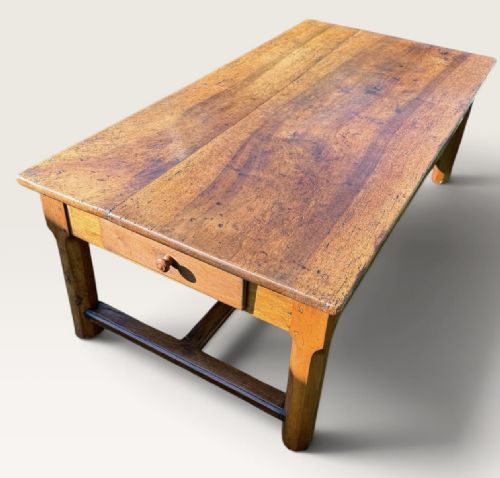
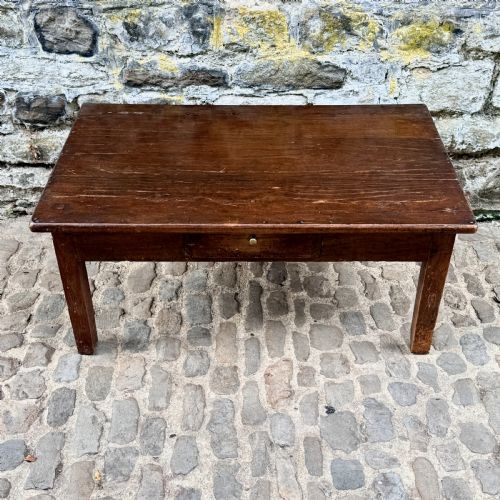
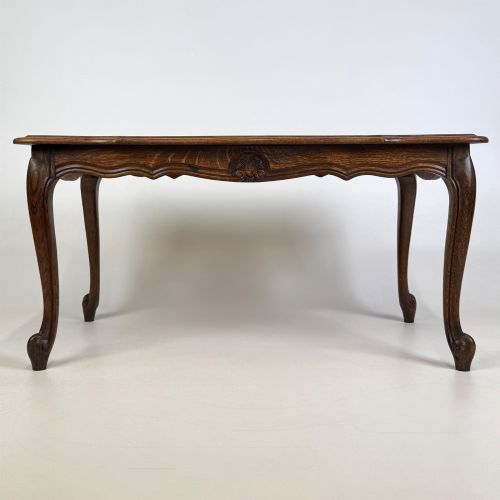
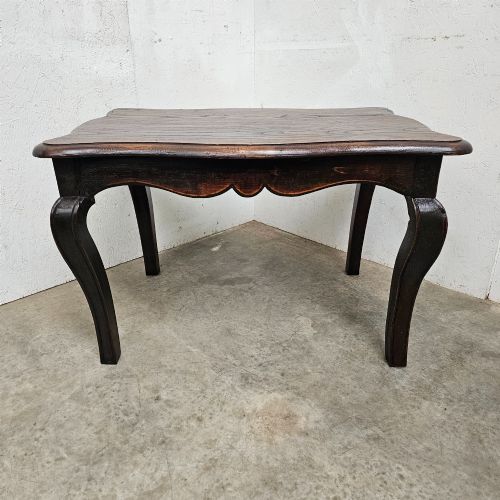
A french country tea table brings together low proportions and sturdy provincial construction designed for everyday use. You will most frequently encounter nineteenth century examples in oak, walnut, or fruitwood.
Makers shaped these utilitarian forms as coffee tables, low tables, and centre tables with distinct regional character. The aesthetic draws on rustic farmhouse and French provincial traditions spanning the eighteenth to the twentieth centuries.
How they were made
Carpenters utilised solid timber such as oak, chestnut, and cherrywood to construct these tables for long-term domestic service. Simple joinery and turned legs provided stability without unnecessary ornamentation.
Surfaces frequently show the natural grain of fruitwood or walnut, while some pieces feature painted timber finishes. Selected examples incorporate functional additions like drawers or drop leaves.
Listings feature oak, walnut, chestnut, and various fruitwoods across coffee tables, centre tables, and side tables.
What varies in quality
The distinction between standard provincial pieces and finer examples rests on timber selection and proportion. Dense hardwoods like walnut and well-figured cherrywood elevate the finish beyond basic utility.
Subtle details such as turned legs and maker stamps indicate careful regional workmanship. Better examples balance robust construction with refined proportions suited to contemporary domestic settings.
The French Country Tea Table Glossary
- Turned legs
- Legs shaped on a lathe to create symmetrical decorative profiles. This technique appears frequently on nineteenth century provincial tables.
- Drop leaf
- A hinged flap on the side of a table that folds down to save space. It allows the surface area to expand when needed.
- Fruitwood
- Timber derived from fruit-bearing trees such as cherry or apple. It was commonly utilised in regional furniture for its warm tone and fine grain.
- Provincial
- Describing furniture made in the regions rather than the capital. These pieces reflect local materials and practical traditions rather than court fashions.
French Country Tea Table: Frequently Asked Questions
What periods do these tables cover?
The available pieces span from the eighteenth century through the Edwardian era and into the early twentieth century.
Nineteenth century examples appear most frequently, encompassing various regional styles from French provincial to rustic farmhouse.
How were these low tables used?
These low surfaces served practical functions in rural homes, holding household items, food, or drink.
Today they function effectively as coffee tables or centre tables in living spaces, offering surface area combined with historical character.
Which timbers are most common?
Oak and walnut dominate the selection, providing durable construction and rich natural grain patterns.
Chestnut, fruitwood, and cherrywood also appear regularly, alongside occasional painted timber finishes.
What defines the rustic style?
Rustic design prioritizes sturdy construction and honest materials over elaborate decoration.
Simple lines and visible wood grain emphasise the practical origins of provincial furniture.