
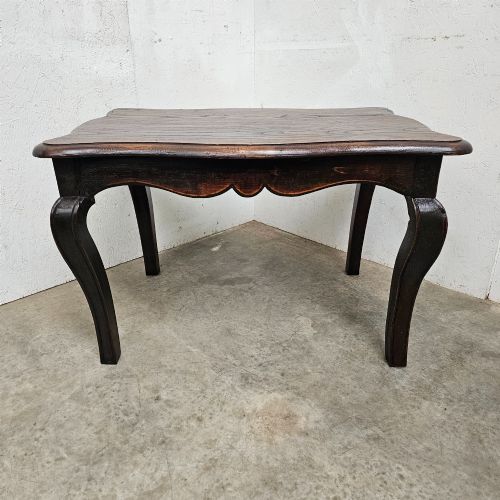


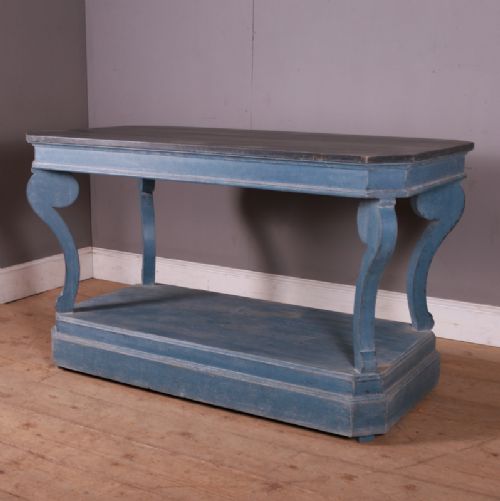


Provincial Wood Centre Table
A provincial wood centre table brings rustic warmth and regional charm to a room, offering sturdy utility and enduring French country character.
Provincial Wood Centre Table
When searching for a provincial wood centre table, a buyer encounters practical furnishings originating from regional workshops rather than metropolitan centres. These tables span several centuries, including pieces from the eighteenth and nineteenth centuries, reflecting domestic life in European countryside homes.
The selections available here frequently take the form of coffee tables, low tables, and occasional tables adapted from older designs. French provincial examples dominate, alongside rustic farmhouse and Spanish provincial interpretations.
Makers utilised local timbers rather than exotic imports, resulting in robust forms suited to daily use. Surfaces range from scrubbed timber to painted finishes and inset marble tops.
How they were made
Craftsmen built these tables using regional timber stocks such as chestnut, fruitwood, cherrywood, oak, elm, and walnut. Boards were joined using traditional carpentry methods appropriate for everyday rural furniture.
Surface treatments vary widely across the evidence, incorporating natural wood grains left plain, bleached oak, and applied paint. Some surfaces feature parquet patterns or support heavy marble slabs.
Materials recorded across the site include marble, fruitwood, chestnut, oak, and painted timber.
What varies in quality
Quality rests in the selection of regional timber and the integrity of the original construction. Tables retaining their early surface patination or authentic painted finishes command greater interest than those stripped down indiscriminately.
Proportion and the handling of structural details distinguish ordinary utility tables from finer regional expressions. Well-balanced turnings, dovetailed drawers, and harmonious scale elevate certain pieces above standard domestic work.
The Provincial Wood Centre Table Glossary
- Provincial
- Describing furniture made in regional areas outside the capital, typically reflecting local materials and practical traditions rather than court fashions.
- Fruitwood
- A generic term for timbers gathered from fruit-bearing trees such as cherry, pear, or apple, prized for a warm tone and fine grain.
- Parquetry
- A geometric mosaic of wood pieces used for decorative surfaces on tabletops, creating pattern through contrasting grain directions.
- Gueridon
- A small round table on a central pillar or multiple legs, often featuring a marble top or decorative painted finish.
- Bleached oak
- Oak timber treated to lighten its natural colour, producing a pale, scrubbed appearance popular in nineteenth-century interpretations.
Provincial Wood Centre Table: Frequently Asked Questions
How do I use a provincial table in my living room?
These tables anchor a seating arrangement while providing a sturdy surface for daily items. Their understated timber tones complement both rustic and contemporary interiors.
Purchasing a lower coffee table version offers a relaxed proportion suitable for modern seating heights.
How do I tell an 18th century table from a 19th century one?
Dating relies on examining construction marks, timber wear, and assembly methods characteristic of specific periods. Eighteenth-century examples often display simpler hand-planed surfaces and older joinery.
Nineteenth-century pieces frequently embrace revival styles or incorporate alternative finishes like painted wood or inset marble.
Are these tables suitable for everyday use?
Regional tables were originally built for practical domestic tasks, making them naturally durable. Solid hardwood construction ensures they withstand regular daily contact.
Proper care involves maintaining the wood finish with suitable wax or gentle cleaning rather than harsh chemical treatments.