
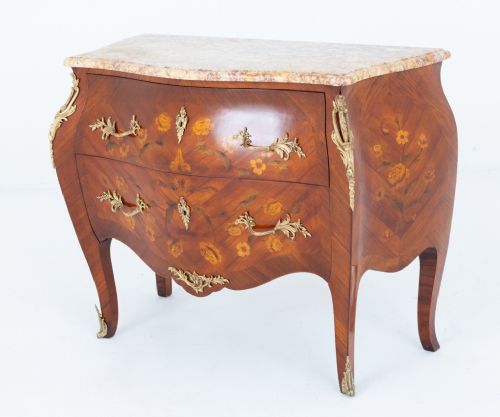


French Country Dresser Top
These pieces known as a french country dresser top bring rustic utility and carved elegance to any kitchen or dining space.
French Country Dresser Top
A french country dresser top brings together practical storage and regional style through centuries of tradition. Buyers looking for this search phrase frequently find themselves examining various iterations of storage furniture spanning the eighteenth and nineteenth centuries.
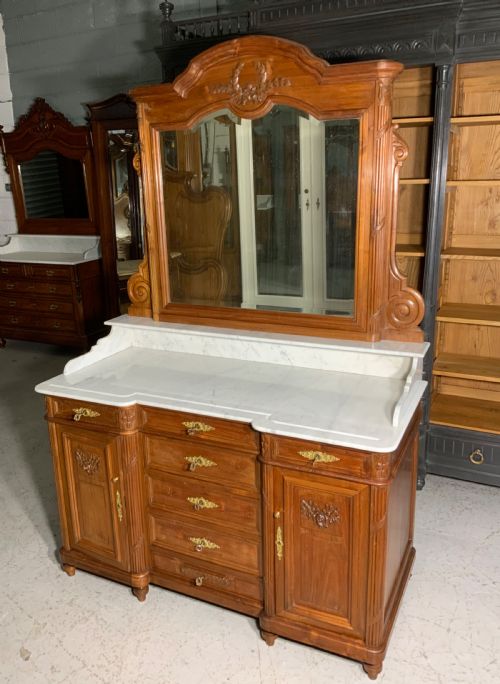
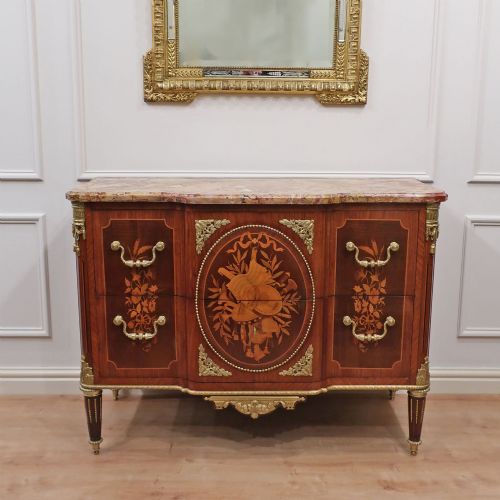
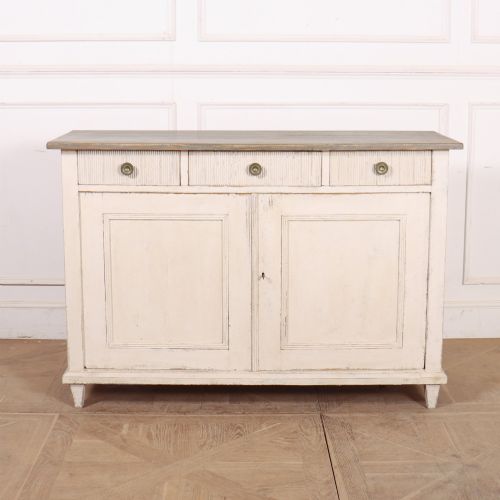
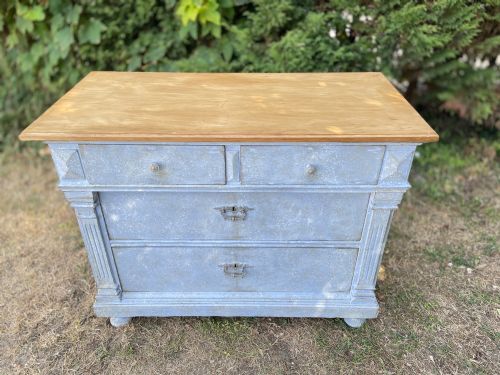
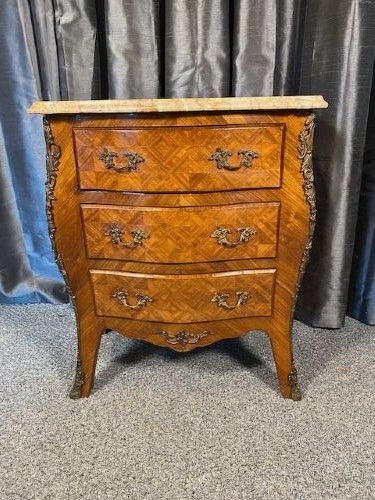
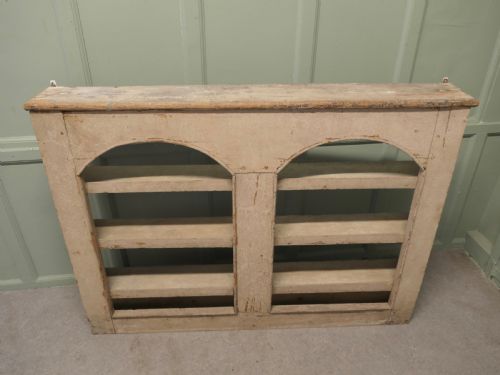
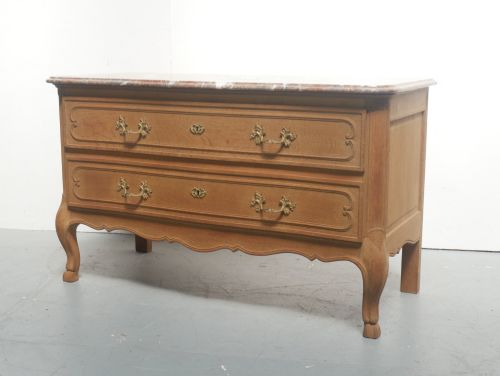
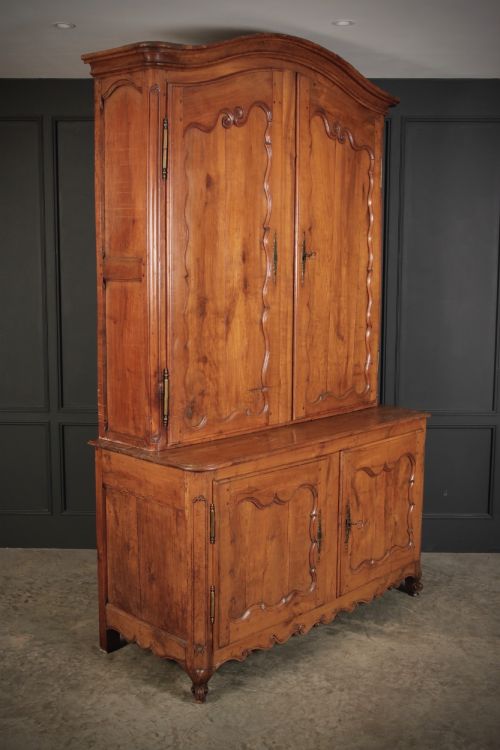
The inventory on this page ranges from pine shelved alcove cupboards and cherry wood cupboards to walnut and mahogany commodes fitted with marble. Pieces often display regional characteristics typical of French Provincial, Louis XV, and Gustavian aesthetics.
How they were made
Joiners constructed these items using robust timbers such as oak, walnut, cherry, pine, and mahogany, often pairing wooden carcases with stone surfaces. Craftspeople employed traditional joinery methods suited to the specific wood grain and weight of each individual timber.
Selected examples incorporate decorative elements including brass handles, ormolu mounts, and intricate marquetry or diamond-point patterns. Surfaces are finished to highlight the natural grain or painted in neutral tones depending on the period and regional workshop.
The listings span from the eighteenth century through to the early twentieth century, featuring materials such as marble, brass, walnut, oak, and pine.
What varies in quality
The standard of carving and the crispness of detail differentiate more accomplished pieces from simpler utilitarian items. Finer examples display balanced proportions, precise marquetry inlay, and harmonious integration of secondary materials like marble and ormolu.
The choice of primary timber and the integrity of the original construction significantly influence the overall character of the piece. Superior items retain their original fittings and surface patination accumulated over generations of use.
The French Country Dresser Top Glossary
- Commode
- A low chest of drawers or sideboard, frequently fitted with a marble top in French examples. These pieces often feature serpentine fronts and decorative veneer work.
- Ormolu
- Gilded bronze mounts applied to furniture for decorative effect. This technique was widely utilised during revival periods to enhance visual appeal.
- Marquetry
- Inlaid wood designs forming decorative patterns on the surface of furniture. Craftsmen used various contrasting timbers to create detailed pictorial or geometric motifs.
- Serpentine
- A curved furniture front characterised by a convex centre flanked by concave ends. This contour adds movement and visual interest to chests of drawers and commodes.
- Gustavian
- A Swedish aesthetic heavily influenced by French neoclassical design featuring pale painted finishes. These pieces typically display restrained carving and lighter proportions.
French Country Dresser Top: Frequently Asked Questions
What is a french country dresser top?
These items encompass upper shelving units or standalone cupboards designed for storage and display within domestic interiors.
They derive from regional French traditions and frequently feature open shelves or enclosed cupboards suited for kitchen or dining room use.
How do I identify the period?
Examining the construction methods, timber choices, and decorative motifs helps determine the age of a piece.
Eighteenth-century examples often utilise solid cherry or walnut with hand-cut joinery, whereas nineteenth-century pieces may incorporate mahogany, pine, or applied ormolu mounts.
Are marble tops original?
Many commodes and sideboards from the nineteenth and early twentieth centuries were specifically manufactured to receive stone surfaces.
Marble tops provide a durable and heat-resistant workspace that was practical for domestic duties in French households.
How do I clean wooden surfaces?
Regular dusting with a soft, dry cloth helps maintain the polished appearance of antique wood without causing damage.
Avoiding harsh chemical cleaners ensures the preservation of the original patination and protective wax finishes built up over time.
Where were these pieces used?
Furniture of this type served primarily functional roles in provincial kitchens, dining rooms, and hallways.
They provided essential storage for tableware, linens, and provisions while contributing to the decorative scheme of the room.