



French Cocktail Cabinet
A french cocktail cabinet is a sophisticated piece for entertaining, offering hidden storage for glassware and bottles with undeniable vintage style.
French Cocktail Cabinet
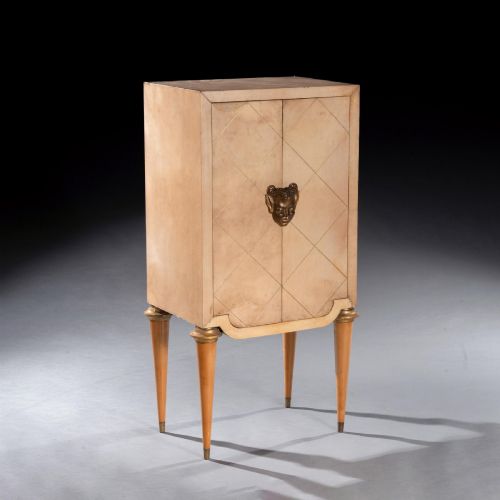
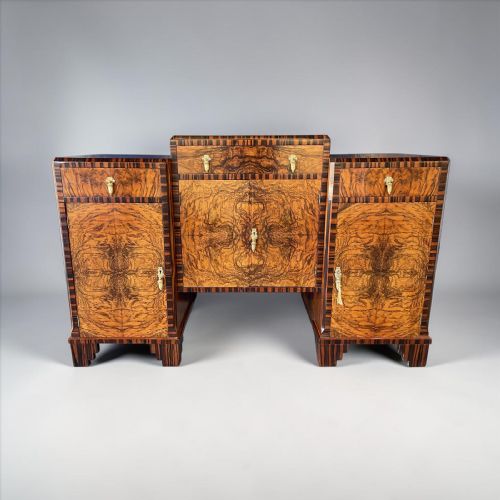
A French cocktail cabinet is a specialised drinks storage unit, often encountered in striking Art Deco designs from the 1930s or earlier revival styles. These pieces combine functional shelving and mirrored interiors with decorative exteriors suited for hosting.
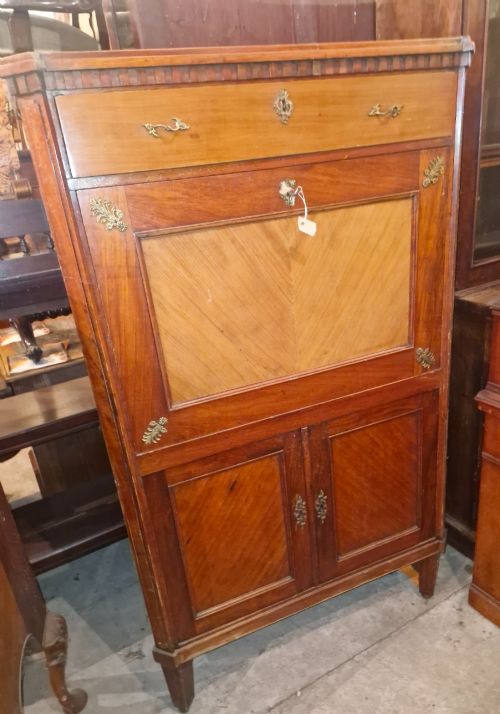
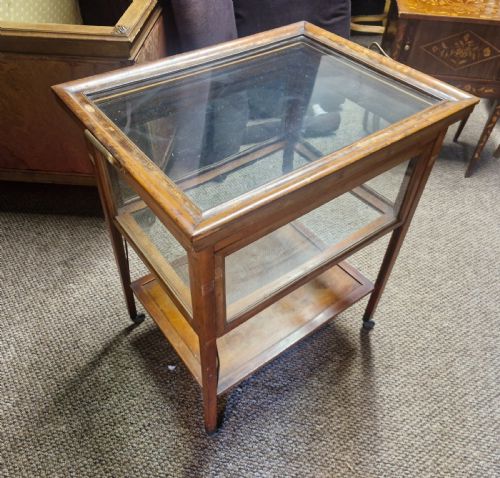
The pieces on this page span several decades from the early to mid-twentieth century, including Edwardian and 1940s examples. Forms range from dedicated drinks cabinets and side cabinets to bar carts and tea trolleys.
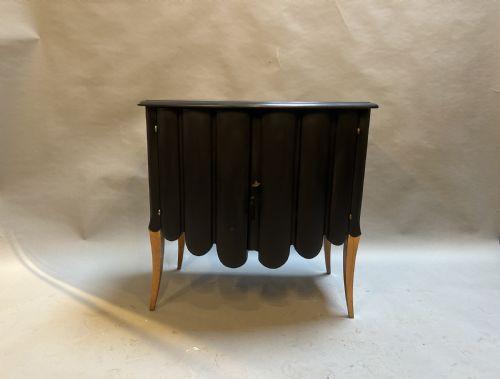
Makers and designers of the period utilised distinctive silhouettes, such as serpentine fronts or bamboo structures on cast-iron legs. Buyers will find both grand statement furniture and more compact sideboards designed for serving.
How they were made
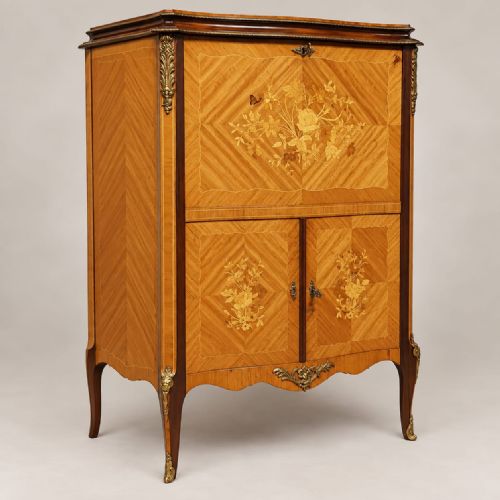
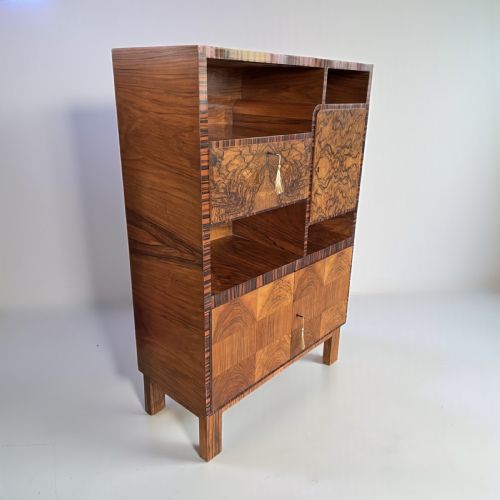
Cabinetmakers relied on quality timbers like walnut, mahogany, burr walnut, and kingwood, often enhanced by intricate marquetry inlay or parchment finishes. Structural stability was paired with decorative veneers to create rich surface patterns.
Metal and glass played a crucial role in the construction of these cabinets, incorporating brass and ormolu mounts alongside mirrored glass interiors. Cast-iron legs also appeared on specific industrial-influenced pieces from the 1930s.
French Cocktail Cabinet Retail Price Guide 2026
Typical asking prices for french cocktail cabinet among the pieces listed under this phrase on Sellingantiques today, from the lower quarter to the upper quarter. They describe what is for sale here now, not the wider market.
Listings feature woods such as walnut, mahogany, and burr walnut, alongside decorative brass, ormolu, and glass elements.
What varies in quality
The standard of a cabinet is determined by the selection of timbers and the precision of veneer work, such as burr walnut or marquetry. Superior examples display seamless inlay and thoughtful grain matching across the entire surface.
Interior fittings and secondary materials dictate the grade of execution, distinguishing standard storage from bespoke items with integrated mirrors and specialised brass hardware. The integration of distinct styles, from Louis XVI revival to French Art Deco, reflects the ambition of the maker.
Maurice Jallot
The French Cocktail Cabinet Glossary
- Art Deco
- A design style prevalent in the 1920s and 1930s characterised by sleek geometric shapes and stylised motifs. It defined much of the modern furniture production of the interwar period.
- Marquetry
- The art of applying pieces of veneer to a structure to form decorative patterns and pictures. Skilled cabinetmakers utilised contrasting woods to achieve pictorial depth.
- Ormolu
- Gilded bronze mounts applied to furniture for decorative effect. This technique was frequently utilised in revival styles referencing earlier French royal aesthetics.
- Serpentine front
- A cabinet front featuring a curved profile that swells outward in the centre and recesses at the sides. This shape demands high technical skill from the woodworker.
French Cocktail Cabinet: Frequently Asked Questions
What is a french cocktail cabinet?
A french cocktail cabinet is a specialised storage furniture piece designed for holding bottles, glassware, and mixing equipment. These units date primarily from the early to mid-twentieth century and often feature drop-down flaps or mirrored interior compartments.
They emerged to serve the popularity of home entertaining and modern cocktail culture during the interwar decades. Many examples showcase period aesthetics ranging from classical revival styles to bold modernist designs.
How were they used historically?
These cabinets functioned as domestic cocktail bars where hosts prepared and served drinks to guests in a living or dining room. The internal shelving and mirrored surfaces were arranged specifically to display glassware and bottles.
Associated trolley and cart variants allowed hosts to transport tea, cake, or drinks easily between rooms. The drop-down surfaces provided a convenient temporary counter for pouring beverages.
How do I style one in a modern home?
A cabinet serves as a focal point in a dining room, living area, or hallway, functioning both as a decorative statement and practical storage. You can stock the interior with vintage glassware and modern barware to highlight its original purpose.
Consider placing the piece against a plain wall to let the wood grains, such as walnut or mahogany, stand out. Pairing it with complementary lighting enhances the reflective qualities of internal mirrors and brass hardware.