
French Classical Light Fixture
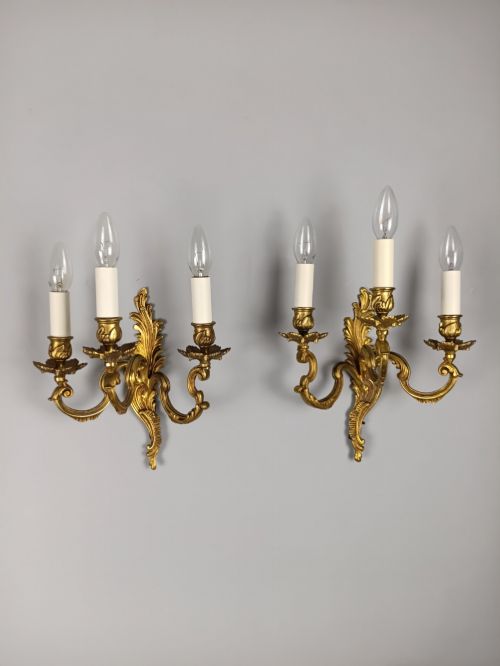
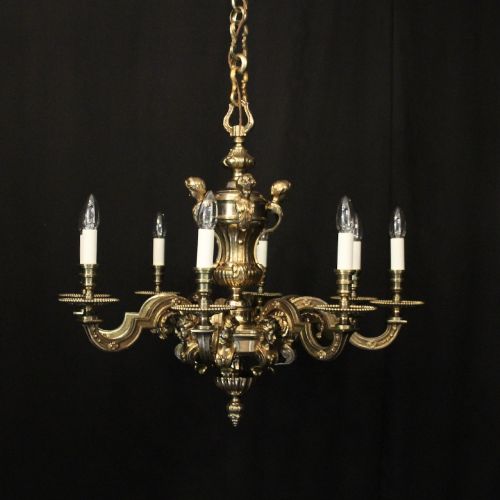
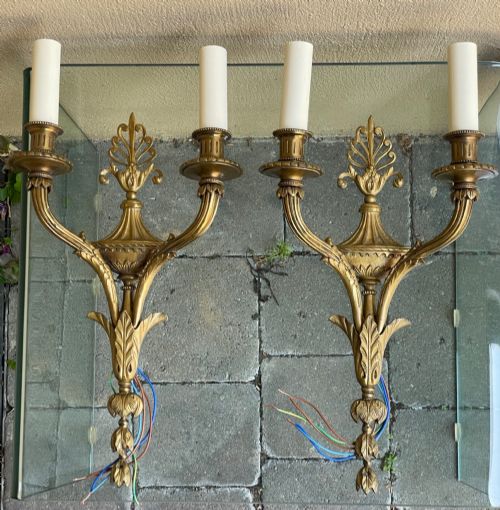
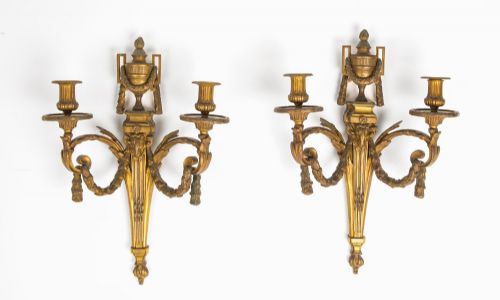
A French classical light fixture brings monumental proportion and intricate metalwork into a room, spanning grand multi-tiered chandeliers to intimate wall sconces.
French Classical Light Fixture
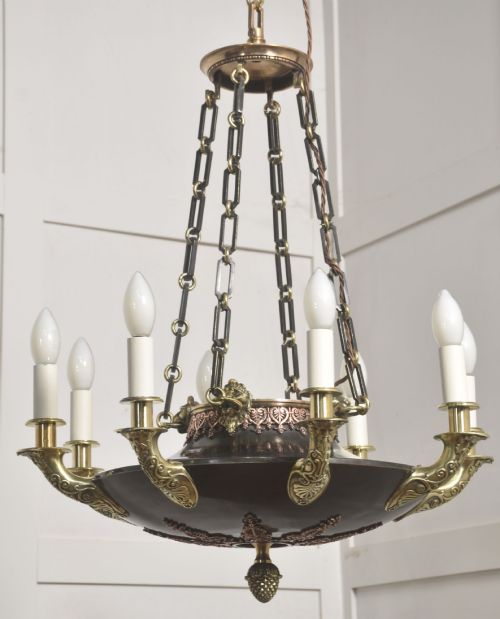
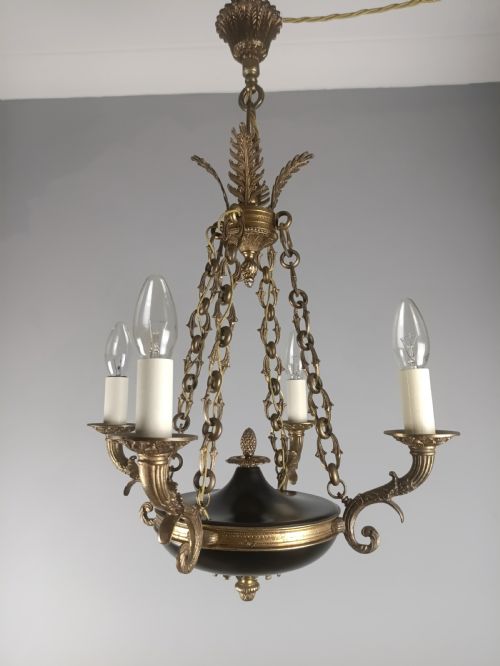
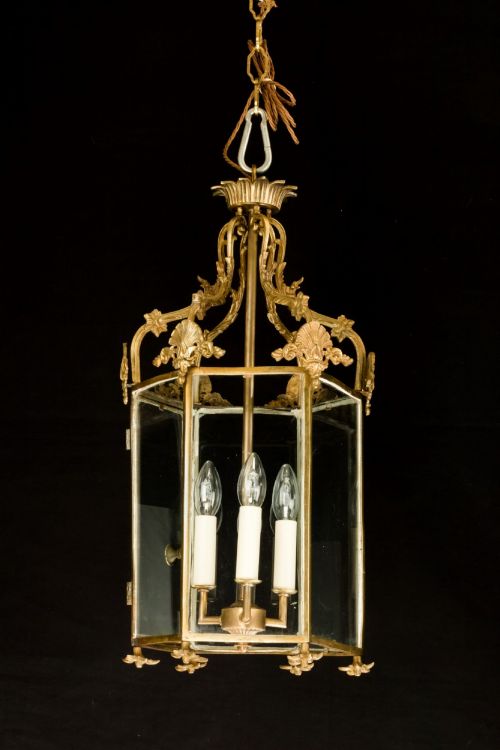
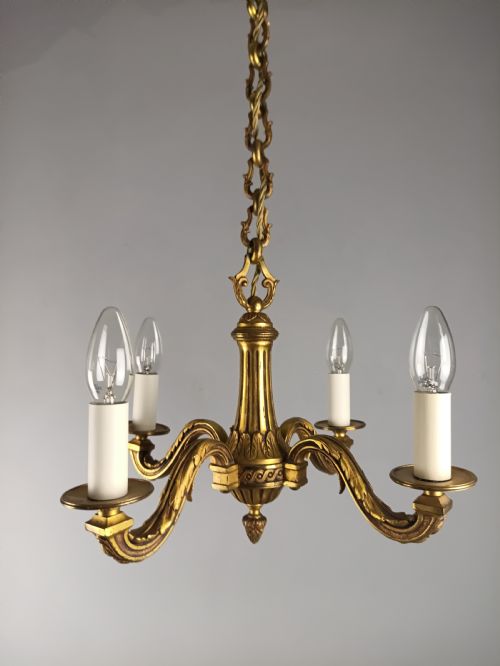
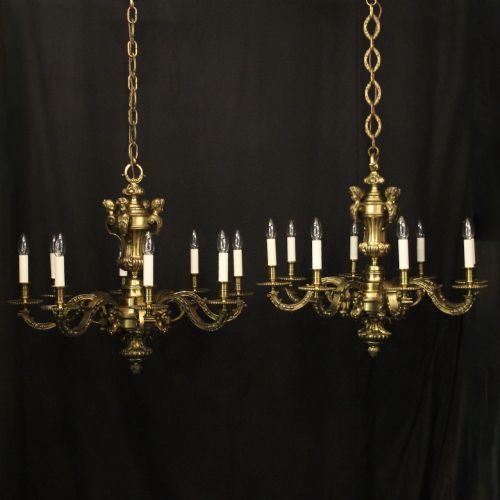
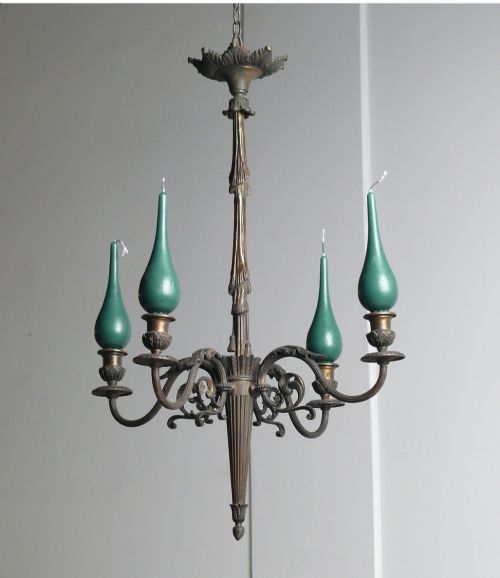
A french classical light fixture encompasses multi-armed chandeliers, hall lanterns, and wall lights created across the nineteenth and early twentieth centuries. These pieces draw heavily on historical design vocabularies like Empire, Rococo, and Neoclassical styles.
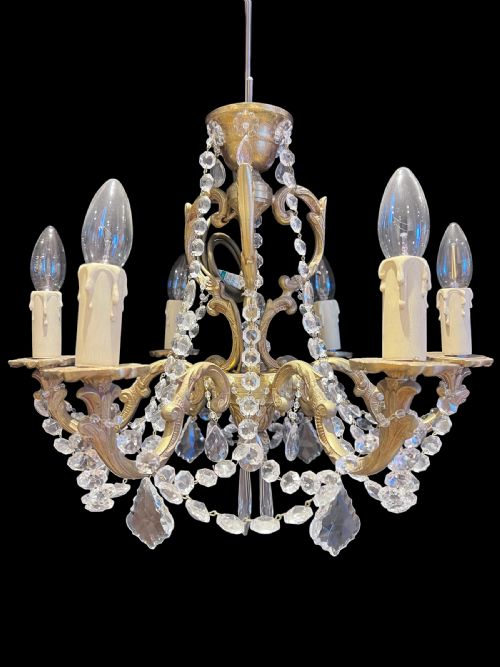
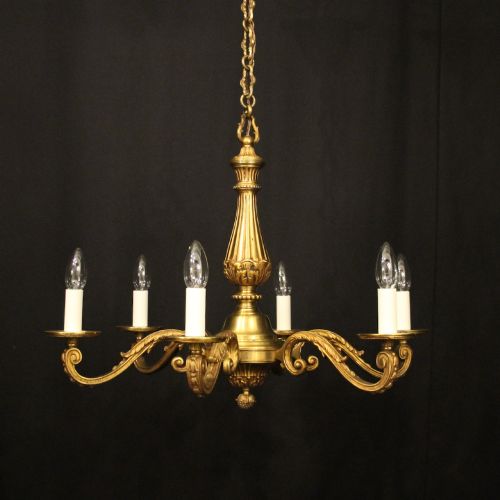
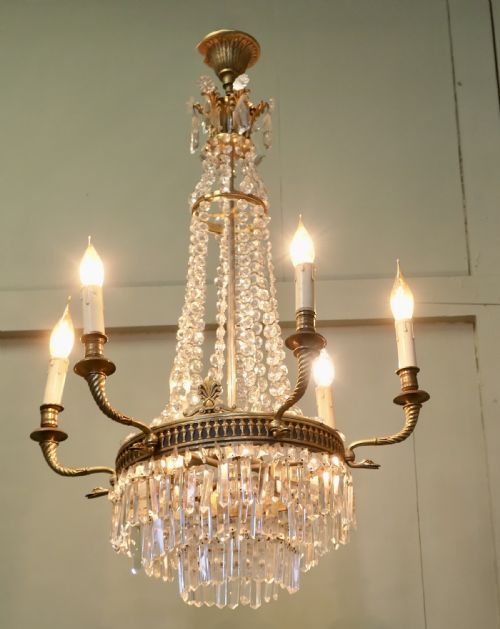
The version most commonly encountered on this page is the gilt bronze or brass chandelier holding between four and ten lights, frequently accented with crystal drops or tent-and-waterfall configurations.
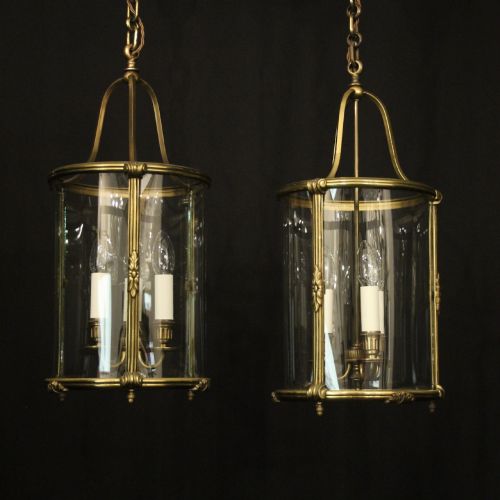
Makers and designers from the period also produced figural lamps and torchères incorporating bronze sculptures, alongside convex glass lanterns suited to entrance halls.
Materials and construction methods
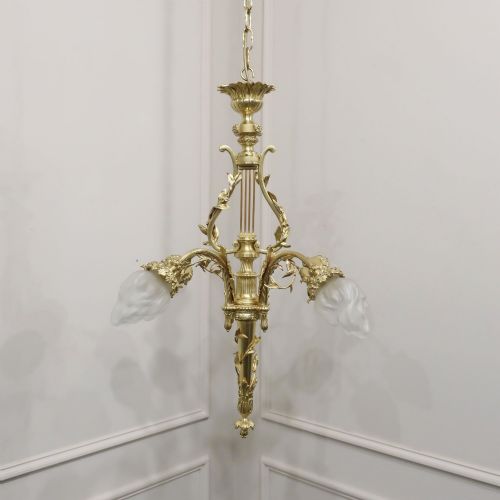
Foundries utilised cast bronze, brass, and copper, applying mercury gilding or ormolu finishes to achieve a rich metallic lustre that endures over time.
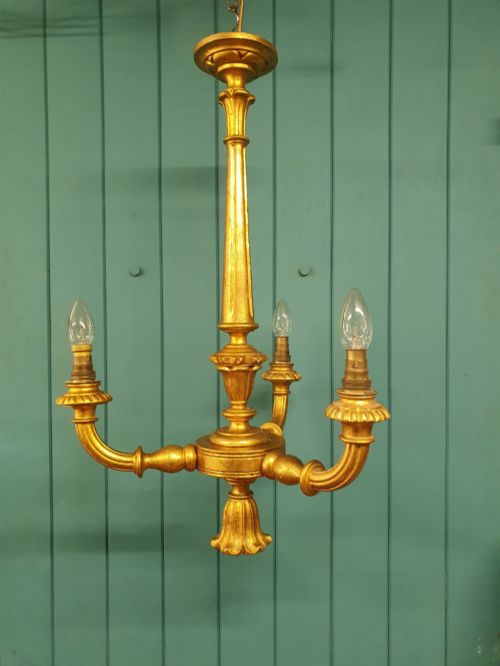
Structural elements incorporated hand-cut crystal drops, glass beads, and carved giltwood components assembled securely around central metal frames.
Listings feature pieces spanning the nineteenth century through the 1930s, constructed predominantly in brass, gilt bronze, and glass.
Distinctions in manufacture and design
The refinement of the casting separates standard production from exceptional work, particularly where chased details on bronze mounts and ram's head masks display crisp definition.
Integration of high-grade cut glass or crystal elements and the weight of the primary metal frame dictate the structural integrity and visual depth of the fixture.
Jean-Jules Cambos·Henri Honore Ple·François-Christophe-Armand Toussaint
The French Classical Light Fixture Glossary
- Ormolu
- A method of applying finely ground high-carat gold to a bronze object using a mercury amalgam. This technique produces a durable, warm golden finish characteristic of French luxury items.
- Gilt Bronze
- Bronze metal that has been coated with a thin layer of gold or gold leaf. It offers a bright metallic sheen without requiring solid gold construction.
- Tent and Waterfall
- A specific chandelier silhouette where strings of beads form an upper tent shape above a tiered cascade of crystal drops. This arrangement maximises light refraction.
- Spelter
- An alloy primarily composed of zinc, utilised as a less expensive alternative to bronze for cast figures and lamp bases. It takes patination well to simulate heavier metals.
- Chased
- Metalwork finished by hand using small punches and hammers to sharpen surface details and add texture after casting.
French Classical Light Fixture: Frequently Asked Questions
Can these fixtures take modern LED bulbs?
Most antique fixtures accept standard screw or bayonet base bulbs once checked by a qualified electrician. Modern low-heat LED alternatives help protect delicate crystal and historic metal finishes.
Ensure the wattage matches the safe operating limits of the original wiring.
How do I determine the period of a fixture?
Examine the casting quality, fastening methods, and stylistic motifs such as Empire laurel wreaths or Rococo scrolls. Hallmarks, signatures, or patination patterns often point toward specific decades.
Cross-referencing construction techniques with known design movements helps narrow down the manufacturing era.
Are wall lights installed differently than chandeliers?
Wall lights require secure mounting brackets fixed directly to wall studs or masonry to support their weight. They connect to standard wall junction boxes rather than ceiling suspension points.
Professional installation is recommended due to the heavy brass and bronze components.