
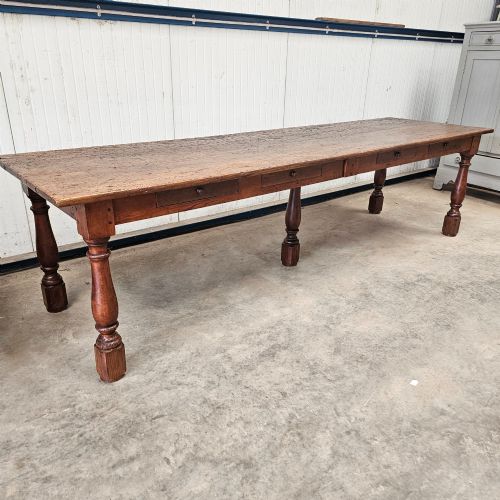


French Chestnut Table
A french chestnut table brings honest timber and regional utility into a room, offering a sturdy surface shaped by centuries of daily use.
French Chestnut Table
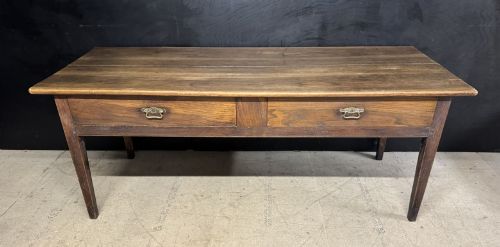
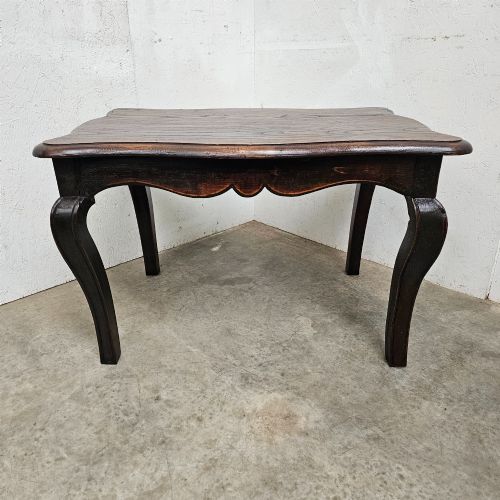
When you search for a french chestnut table, you encounter solid timber furniture rooted in rural European domestic life. These pieces serve primarily as dining tables, coffee tables, console tables, and side tables, with dining formats appearing most frequently on this page.
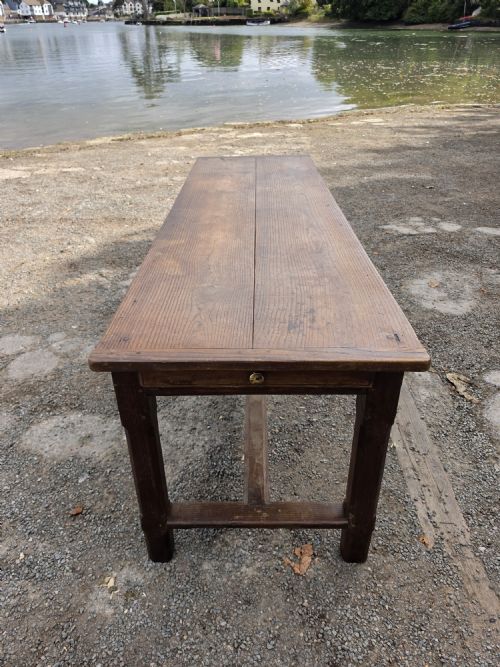
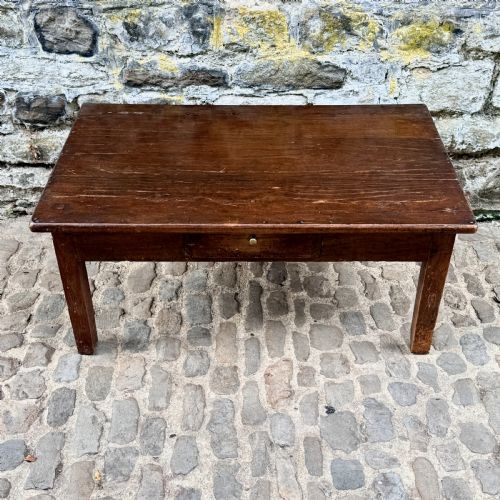
The material origins span the seventeenth, eighteenth, and nineteenth centuries, alongside specific styles such as rustic farmhouse, French provincial, Gothic, and Basque regional. Buyers often find twin plank configurations, long dining surfaces reaching up to three metres, and smaller low or prep tables.
Beyond standard dining surfaces, the category extends to specialised forms like wine tasting tables and prep consoles with drawers. Each piece demonstrates the heavy utilitarian purpose demanded by provincial households and vigneron cellars.
How a french chestnut table was made
Construction relies heavily on chestnut wood, frequently combined with secondary timbers like oak and pine for structural support and internal framing. Iron hardware and brass details appear as functional hinges, handles, and stamps on the timber.
Carpenters utilised thick twin planks for table tops, joining them to robust underframes capable of supporting heavy domestic labour. Drawers integrated into larger formats demonstrate traditional joinery methods suited to provincial workshops.
One decorative chestnut low table carries a mysterious stamped 'BL' mark, whispering of an anonymous provincial maker who wanted posterity to wonder.
What varies in quality
Quality rests upon the integrity of the timber and the honesty of the construction, distinguishing standard utility pieces from exceptional regional examples. Grain depth, the absence of excessive structural timber replacement, and the preservation of original patination dictate the standing of a piece.
The presence of period joinery marks, such as hand-cut dovetails on drawers and authentic regional proportions like Basque extensions, separates ordinary provincial furniture from superior surviving examples.
The French Chestnut Table Glossary
- Chestnut
- A durable hardwood native to European forests, prized for its resistance to decay and rich grain patterns. It was extensively used in regional furniture making due to its availability and strength.
- Twin Plank
- A table top constructed from two wide boards joined lengthwise. This method allowed makers to utilise mature trees before the advent of industrial wide plank milling.
- Vigneron Vendange
- A term relating to vineyard workers and the grape harvest, describing low functional tables utilised during wine production. These pieces often feature specific regional proportions designed for cellars.
- Basque Regional
- A distinct stylistic tradition from the borderlands between France and Spain, noted for sturdy extending dining tables and robust framing. This style prioritises heavy structural timbers and functional longevity.
French Chestnut Table: Frequently Asked Questions
How do I clean a chestnut table?
Maintain the surface by wiping it gently with a dry or barely damp cloth to remove dust without stripping the natural oils.
Avoid chemical polishes and harsh detergents, as older timber finishes respond best to mild soap or specialised beeswax treatments.
Can these tables be used daily?
These pieces were originally constructed for heavy daily tasks in provincial kitchens and farmhouses, making them inherently robust.
Using coasters and placemats helps protect the aged timber and historic patination from modern heat and moisture marks.
What is twin plank construction?
Twin plank construction uses two wide boards joined down the centre to form the main surface of the table top.
This technique was standard before wide industrial sawmills became common, allowing makers to span substantial widths using mature regional trees.