






French Cherry Kitchen Table
A french cherry kitchen table brings warmth to a room through honeyed fruitwood and honest vernacular lines built for daily family life.
French Cherry Kitchen Table
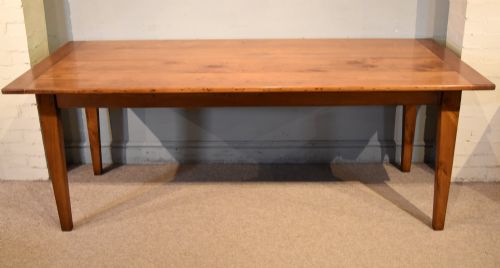
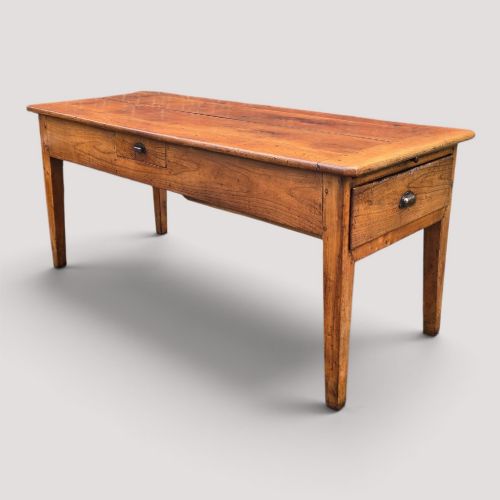
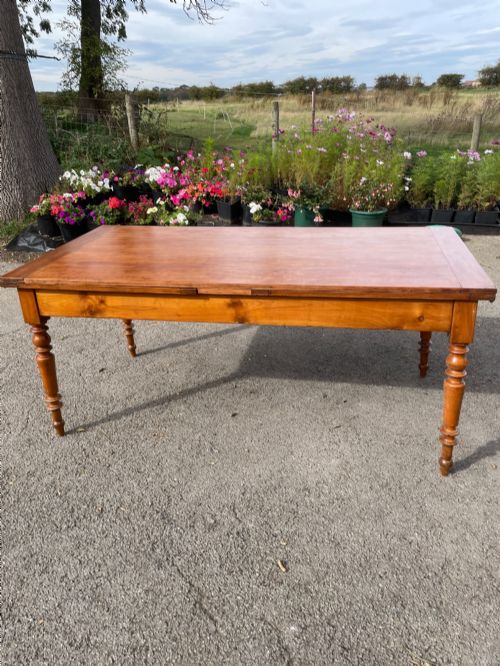
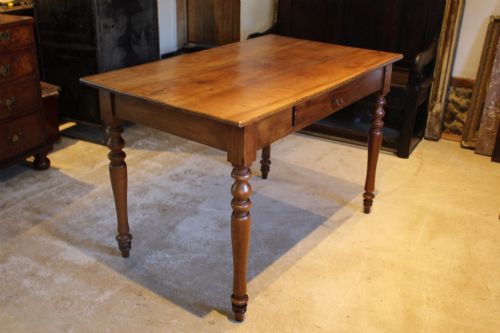
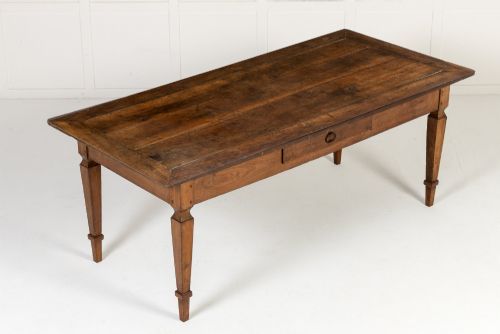
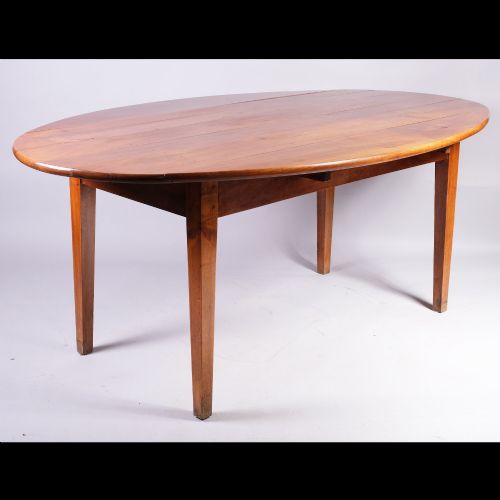
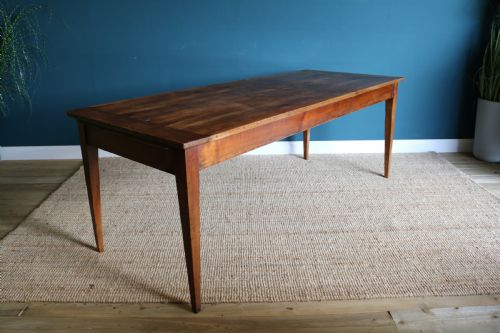
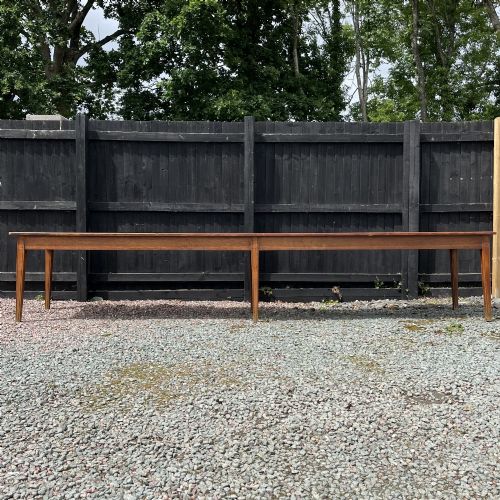
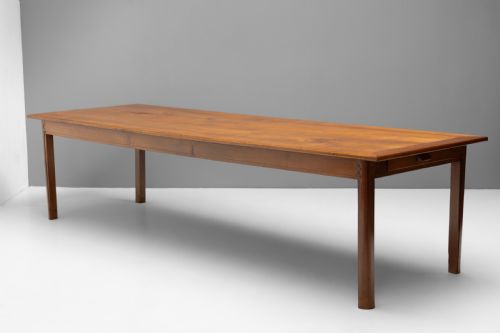
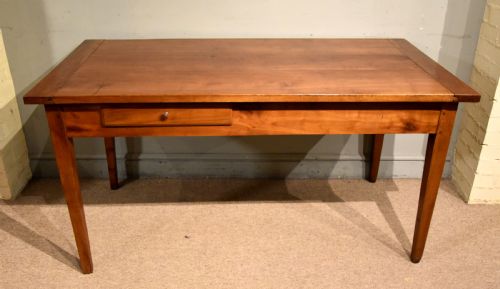
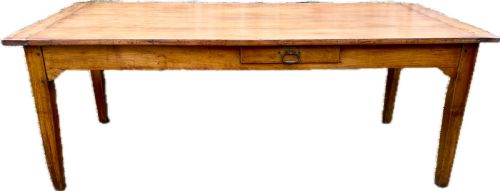
When searching for a french cherry kitchen table, buyers encounter sturdy vernacular pieces designed for hard work in provincial homes. These tables span the eighteenth and nineteenth centuries, including the Edwardian era, reflecting regional French country traditions. Forms range from long refectory formats to extendable dining tables fitted with clever sliding bread boards and drawers.
The version most commonly met on this page is the farmhouse or refectory table constructed entirely from cherrywood or fruitwood. Such examples often feature generous timber planks and simple rectangular frames suited for gathering. Regional variations also introduce cabriole legs and specific local details like those from Bresse.
How they were made
Makers utilised solid cherry wood, fruitwood, and occasional pine for secondary framing, selecting timber for density and grain character. Planks were joined edge to edge to form broad table tops that could withstand heavy daily preparation and dining use.
Traditional joinery secured the heavy wooden tops to sturdy aprons and legs, sometimes incorporating functional elements such as metal or brass hardware on drawers and double draw leaves. Surfaces were finished by hand, allowing the natural warmth of the cherry timber to emerge through decades of use.
French Cherry Kitchen Table Retail Price Guide 2026
Typical asking prices for french cherry kitchen table among the pieces listed under this phrase on Sellingantiques today, from the lower quarter to the upper quarter. They describe what is for sale here now, not the wider market.
Several tables include hidden sliding bread boards designed for slicing baguettes long before modern kitchen counters existed.
What varies in quality
The primary distinction in quality lies in the selection and maturity of the timber itself, along with the crispness of the original carpentry. Tables fashioned from thick, well-figured cherry planks display a richer depth of colour and greater structural integrity than simpler utility pieces.
Proportion and regional detailing further separate standard examples from finer country house or manor house commissions. Well-integrated mechanics on extending leaves or fitted drawers demonstrate a higher grade of provincial craftsmanship.
The French Cherry Kitchen Table Glossary
- Bread board
- A pull-out slide traditionally used for slicing bread or expanding the surface area of a table. These boards slide beneath the main top when not in use.
- Refectory table
- A long, narrow dining table originally built for communal dining halls. Provincial versions adapted this format for everyday farmhouse kitchens.
- Fruitwood
- A collective term for timber harvested from fruit-bearing trees such as cherry, pear, or apple. It develops a warm patina and rich tonal variation over time.
- Cabriole leg
- A furniture leg that curves outward and then tapers inward, inspired by the shape of an animal's leg. This style appears on certain regional French tables.
- Draw leaf table
- A table equipped with concealed leaves stored beneath the main top that pull out to extend the surface length. This mechanism allows quick adaptation for larger gatherings.
French Cherry Kitchen Table: Frequently Asked Questions
How do I date a cherry kitchen table?
Dating relies on observing construction methods, joinery types, and the wear patterns visible across the timber top and legs. Eighteenth-century examples often display hand-sawn boards and pegged joints.
Nineteenth-century versions frequently incorporate mechanical extensions like draw leaves or brass hardware. Comparing the specific shade of the faded cherry finish to documented periods helps narrow the timeframe further.
Were these tables used only for cooking?
These tables served as the central hub for all domestic tasks, including food preparation, daily dining, and family gatherings. Large farmhouse formats accommodated kneading dough and preserving harvests.
Utility drawers held everyday kitchen implements and linens close at hand. Their robust construction ensured they could withstand continuous heavy use.
How do I care for a cherry wood surface?
Maintenance involves regular dusting with a dry cloth and avoiding excessive moisture or direct heat sources that can dry out the fruitwood. Applying traditional beeswax helps nourish the grain and preserve the historic patina.
Using placemats and coasters protects the antique timber from liquid rings and deep scratches. Gentle care maintains the natural lustre acquired over generations.
What is the difference between fruitwood and cherry?
Cherry is a specific botanical timber known for its smooth grain and reddish-brown tone that deepens with age and light exposure. Fruitwood serves as a broader category encompassing cherry alongside other orchard timbers like pear or apple.
Both materials share similar density and warmth, making them traditional choices for regional French country furniture.