

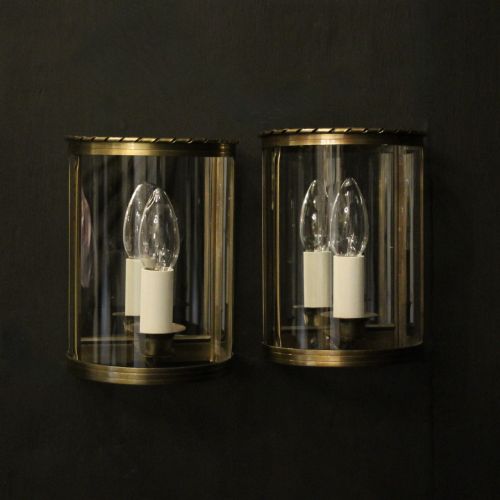
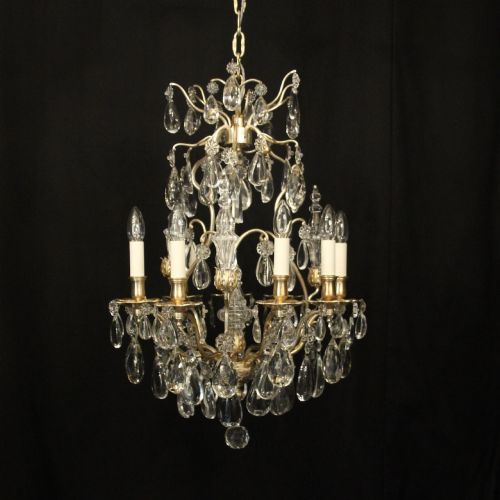
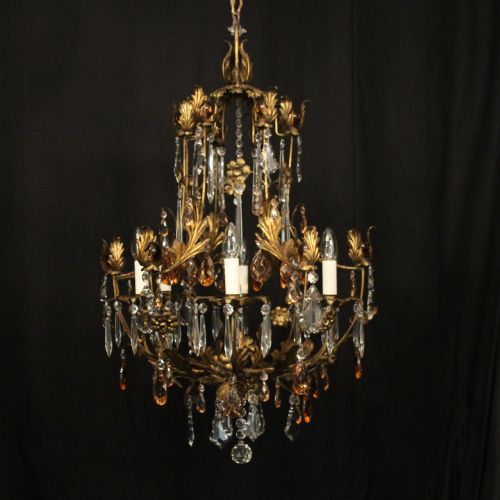
French Chateau Light Fixture
These french chateau light fixtures bring grand illumination and historic character to a room, spanning chandeliers, wall lights and hall lanterns.
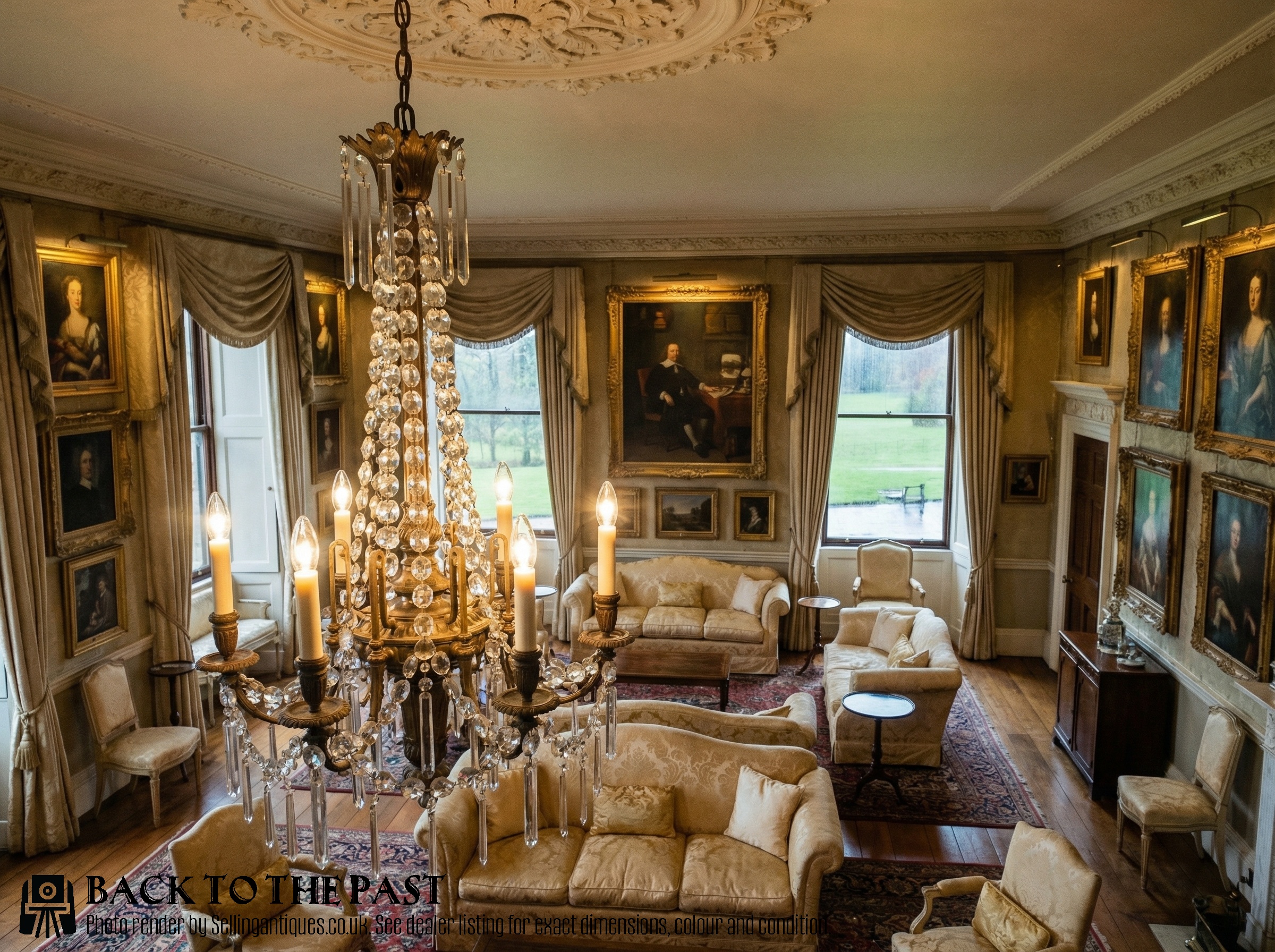
French Chateau Light Fixture
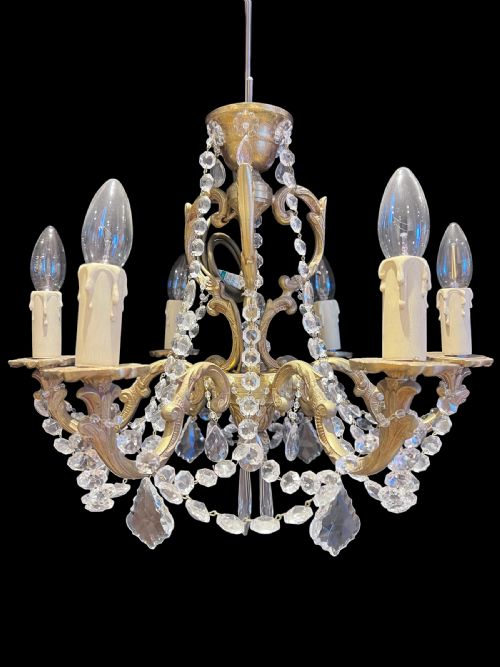
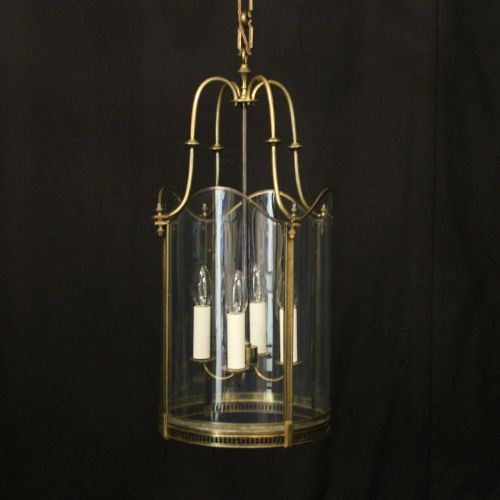
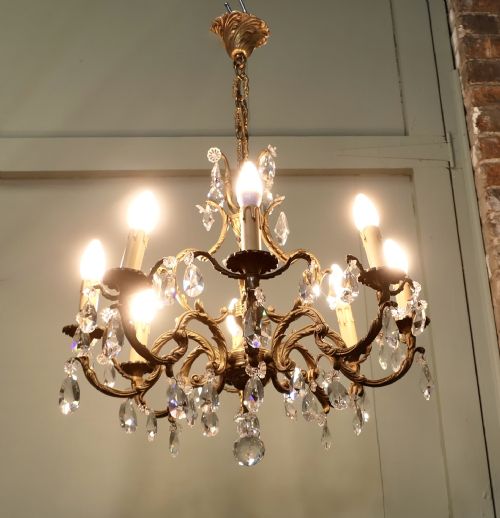
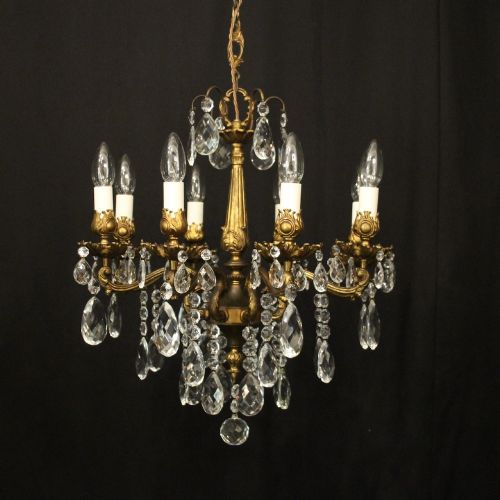
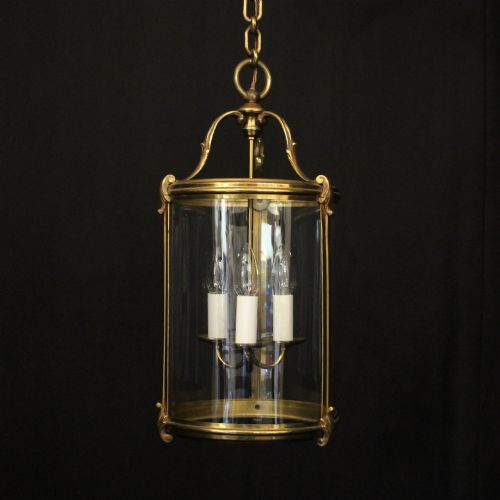
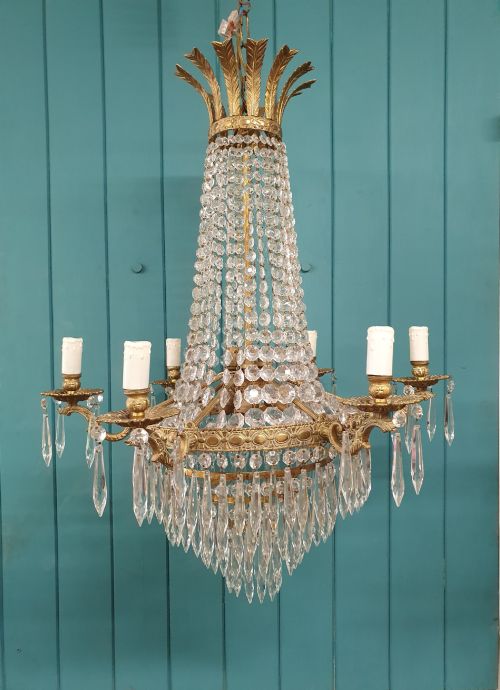
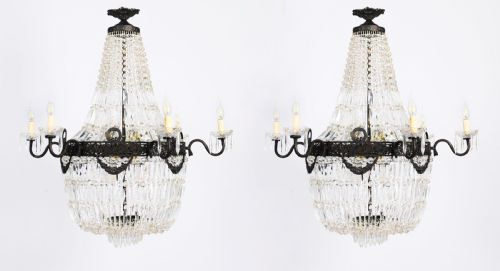
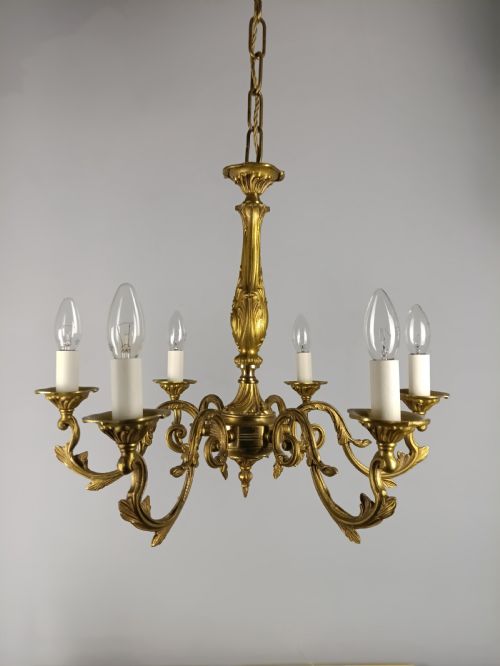
A french chateau light fixture delivers overhead illumination or wall mounting, taking the form of multi-arm chandeliers, convex hall lanterns, and ornate wall sconces. Buyers seeking this aesthetic will most frequently encounter brass, bronze, and gilt-finished pieces dating from the late nineteenth century through the interwar decades.
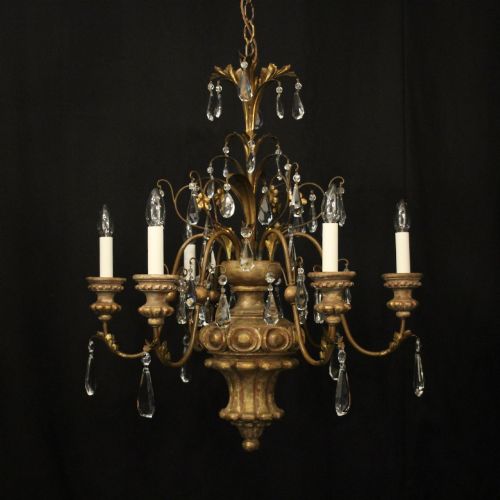
The selection here encompasses specific regional designs, moving from French styles like Louis XV Rococo and Neoclassical to Italian Florentine variants. Forms range from compact three-light pendants up to fourteen-light ballroom fixtures hung with cut crystal.
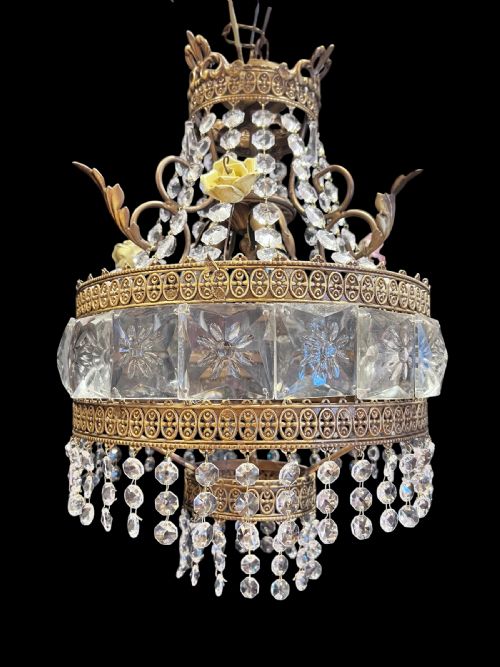
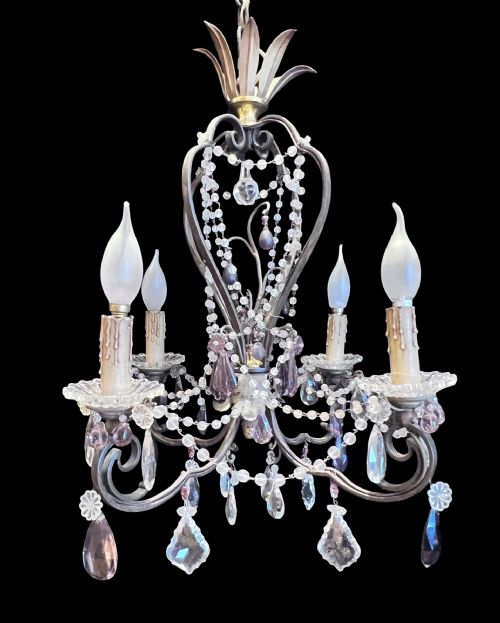
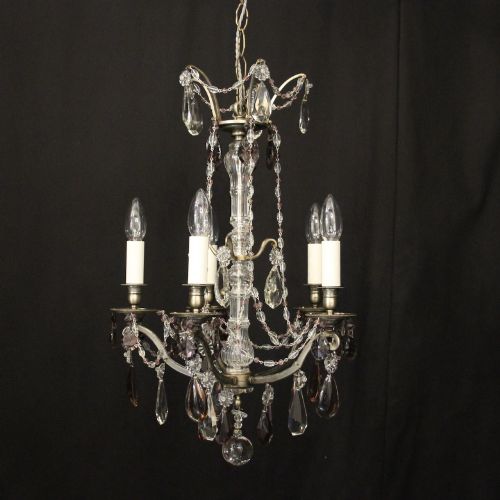
These items originate predominantly from the early twentieth century, specifically around the 1920s and 1930s, alongside examples stretching back into the 19th century. Their structures vary from simple metal frames to elaborate constructions featuring porcelain flowers, polychrome toleware, and coloured crystals.

Materials and construction methods
Metalworking forms the structural core of these pieces, utilising cast brass, bronze, and gilt or silvered metals to shape arms, frames, and wall plates. Gilded bronze and brass surfaces often receive hand-applied gold leaf or metallic finishes to achieve a rich decorative sheen.
Glass and crystal elements are integrated extensively, ranging from cut crystal lustres and tent arrangements to amethyst and turquoise coloured glass drops. Toleware components, painted metal, and ceramic floral accents introduce painted colour and organic texture to specific regional designs.
French Chateau Light Fixture Retail Price Guide 2026
Typical asking prices for french chateau light fixture among the pieces listed under this phrase on Sellingantiques today, from the lower quarter to the upper quarter. They describe what is for sale here now, not the wider market.
Listings feature items spanning the 19th Century, 1890, 1900, 1920, and 1930 periods.
Distinguishing quality across the range
Quality reveals itself in the intricacy of the metal casting and the depth of the gilding, where finely chased bronze and substantial brass frames outclass lighter stamped metal components. The integration of hand-painted polychrome toleware and delicate ceramic details also marks out superior examples.
The richness and completeness of the crystal dressing dictate visual presence, with heavy cut crystal lustres and complex tent configurations reflecting light more effectively than simpler glass drops.
The French Chateau Light Fixture Glossary
- Chandelier
- A branched ornamental light fixture suspended from the ceiling designed to hold multiple candles or bulbs. They form the centrepiece of grand reception rooms.
- Toleware
- Enamelled and painted sheet metal objects popular in decorative lighting and home accessories. This technique allows for colourful floral and polychrome surface decoration.
- Lustre
- A cut glass or crystal pendant hung from a light fixture to refract light. They catch and scatter illumination across the walls and ceiling.
- Sconce
- A wall-mounted light fixture secured directly to vertical surfaces. Pairs of these often flank mirrors or architectural fireplaces in formal interiors.
- Gilt bronze
- Metalwork coated in a thin layer of gold or gold-coloured alloy, frequently termedormolu. This finish provides a warm, enduring metallic lustre to decorative mounts.
French Chateau Light Fixture: Frequently Asked Questions
How do I hang a heavy chandelier safely?
Suspension requires fixing directly into ceiling joists or using a reinforced metal bracket capable of supporting the combined weight of the bronze, brass, and crystal components.
Professional installation is essential for older wiring and heavy fixtures to ensure the structural ceiling anchor bears the load securely.
What rooms suit a french chateau light fixture?
These fixtures suit high-ceilinged drawing rooms, grand dining spaces, and generous hallways where multi-arm chandeliers and convex lanterns can dominate the vertical space.
Smaller three or five-light variants work effectively in bedrooms or studies to introduce historic focal points without overwhelming compact proportions.
How do I date these lighting fixtures?
Dating relies on examining the casting techniques, the style of the metalwork, and the wiring or socket components alongside stylistic markers from periods like Louis Revival or Rococo.
Earlier nineteenth-century examples often display heavier cast bronze construction and hand-cut glass, whereas 1920s and 1930s pieces frequently incorporate standardised electrical fittings.