
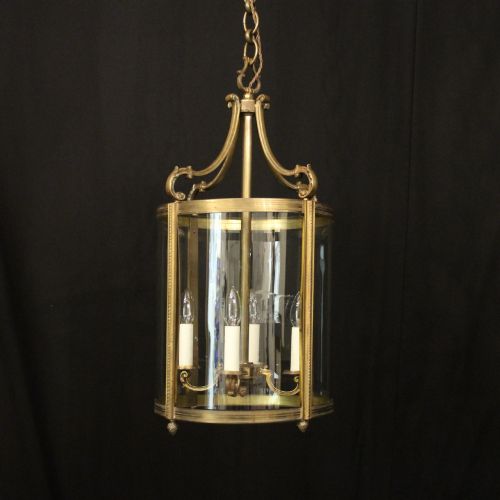
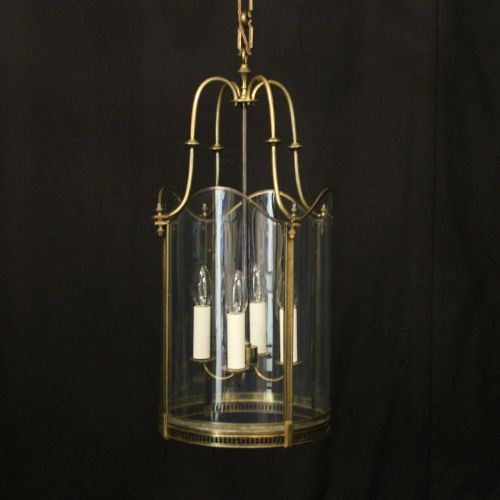
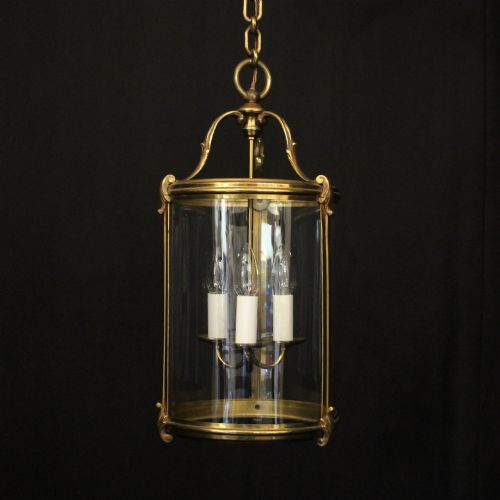
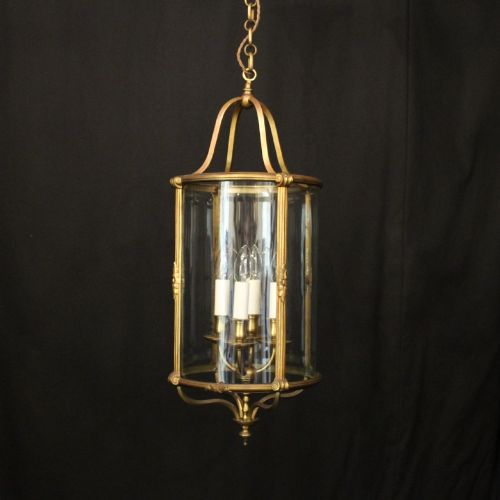
French Ceiling Lantern
A french ceiling lantern brings immediate architectural weight and warmth to a hallway, drawing the eye upward with polished metal and glass.
French Ceiling Lantern
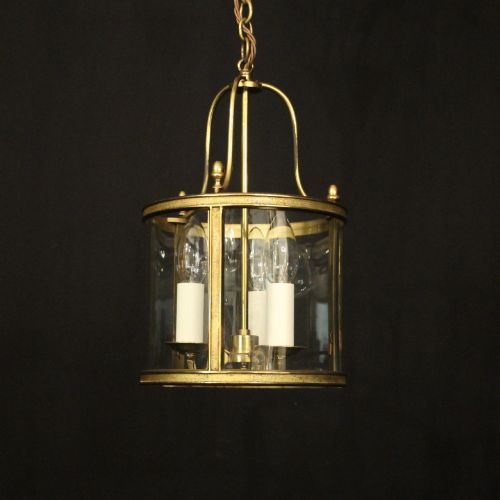
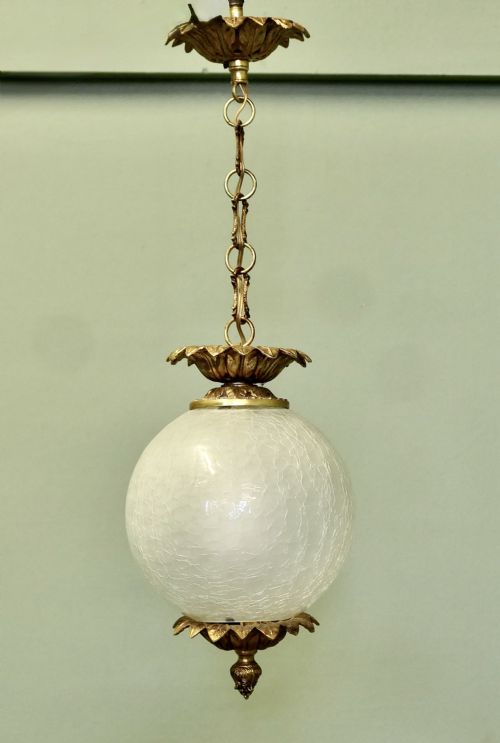
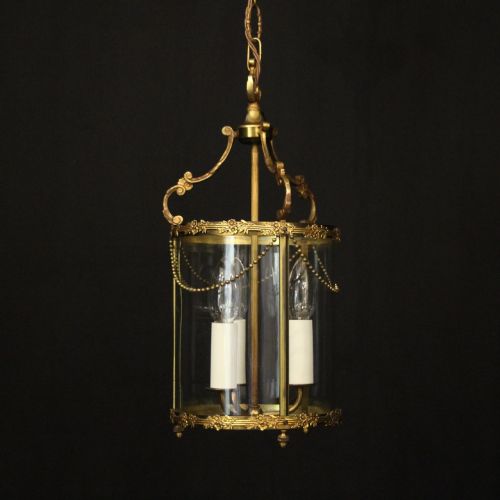
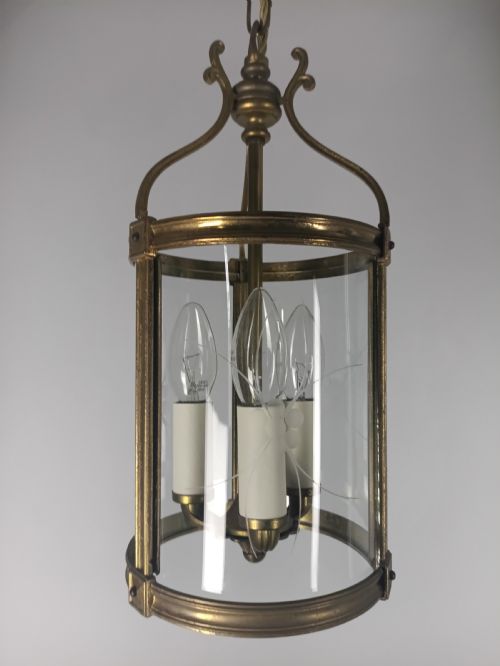
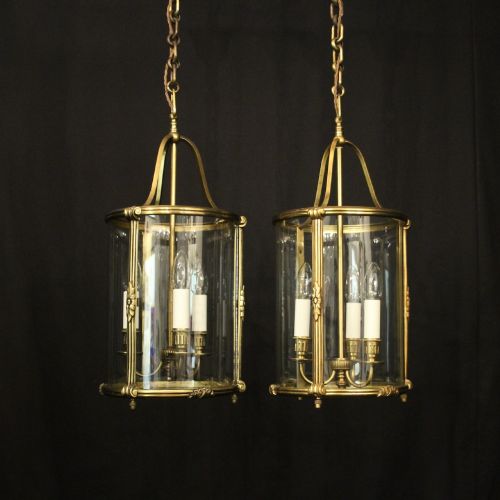
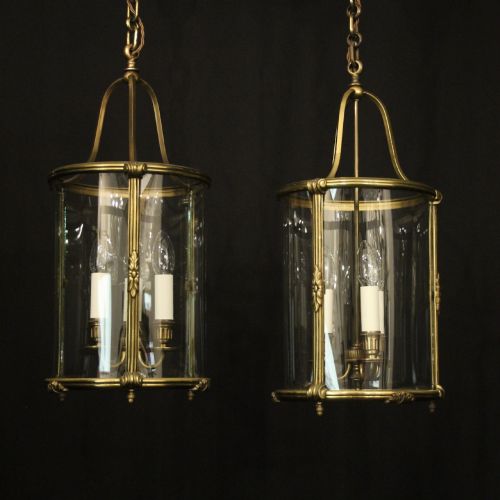
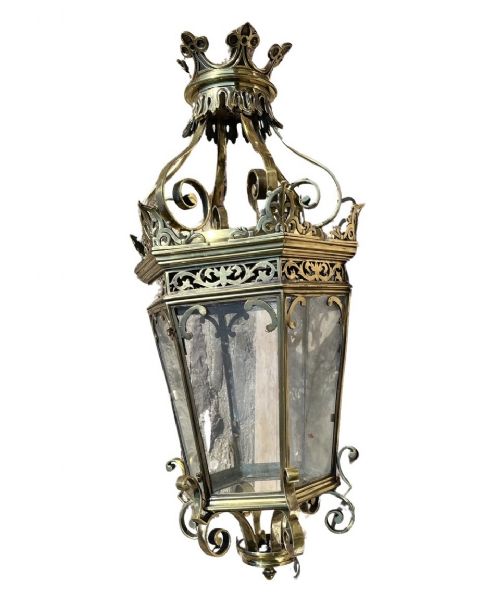
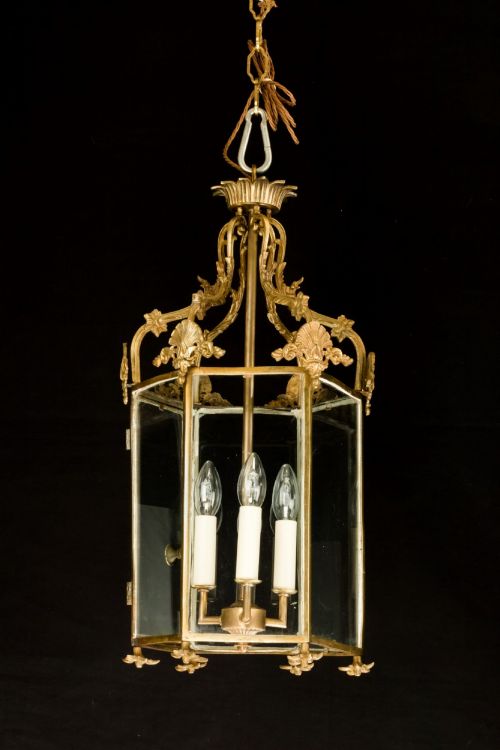
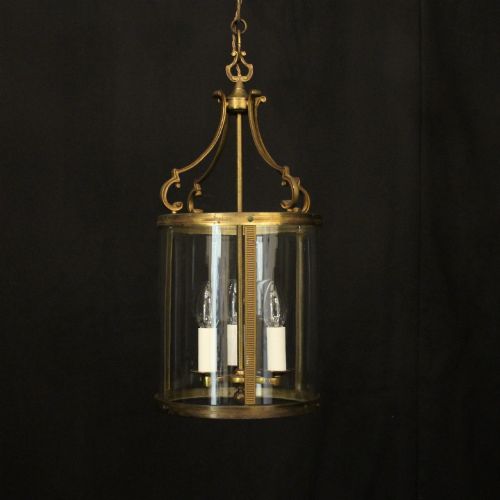
A french ceiling lantern suspenders from a chain or mounts directly to provide overhead illumination in entrance halls, landings, and principal rooms. Buyers seeking this fixture encounter diverse forms including hall lanterns, pendant lights, and multi-light chandeliers.
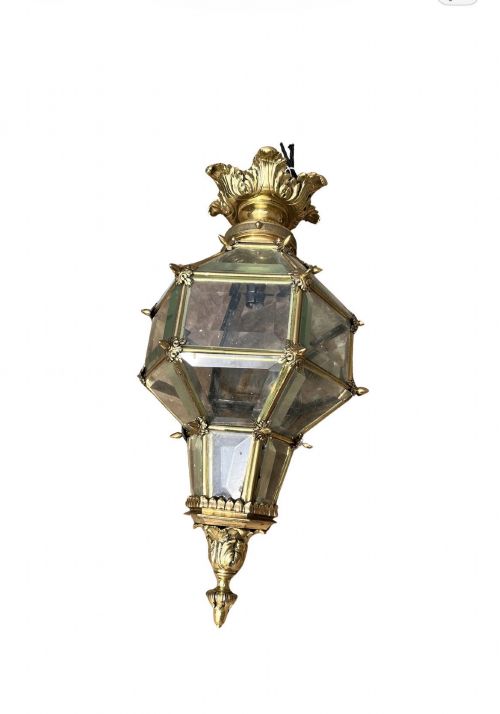
The selection ranges from simple single-bulb brass frames to elaborate multi-light fixtures bearing convex glass panels. Pieces spanning the nineteenth and early twentieth centuries dominate, bringing distinct regional styles into domestic interiors.
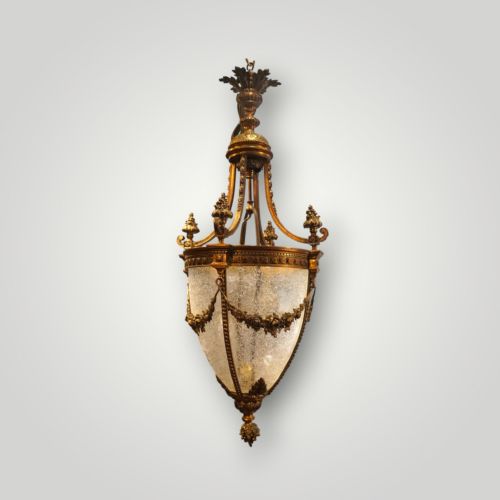
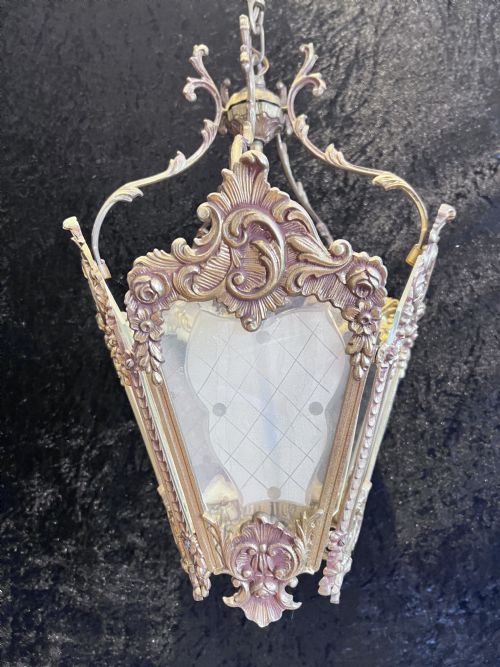
Makers drew upon classical design vocabularies, producing works styled after French chateaus, Louis XVI, and neoclassical motifs. These pieces serve both a functional lighting purpose and act as decorative centerpieces within a room.
Materials and construction
Foundries cast frames primarily in bronze, brass, and gilt or silvered bronze, shaping the metal into ornate scrollwork and structural cages. Artisans then soldered or bolted these metal components together to support the weight of the hanging assembly.
Glaziers fitted flat, bevelled, or convex glass panes into the metal frames, occasionally incorporating etched designs or cut glass elements. Wiring and electrical components were frequently added or updated later to accommodate modern bulbs while preserving the original metalwork.
Materials across these listings include brass, bronze, gilt bronze, steel, and glass.
Distinctions in craftsmanship
The weight and depth of the metal casting separate standard production from superior examples, with heavily gilded bronze displaying sharper relief in decorative mounts. Heavier gauge brass and solid bronze maintain structural integrity better over decades of hanging.
Glass selection significantly influences the character of the piece, particularly where convex or bevelled panes catch and refract light cleanly. Superior fixtures retain matching original glazing panels and finely fitted doors that operate smoothly on their hinges.
The French Ceiling Lantern Glossary
- Convex glass
- Curved glass panels that bulge outward from the lantern frame, designed to soften and diffuse the light emitted inside.
- Gilt bronze
- Bronze metal treated with a thin layer of gold or gold-coloured alloy, also known as ormolu, providing a durable and luminous finish.
- Hall lantern
- An elongated hanging light fixture traditionally utilised in narrow entrance corridors and stairwells to maximise overhead illumination.
- Louis XVI style
- A neoclassical design movement characterised by straight lines, symmetry, classical urns, and restrained floral ornamentation.
- Bevelled glass
- Glass panes featuring angled edges ground down to create a decorative framing effect that catches light.
French Ceiling Lantern: Frequently Asked Questions
Where should I hang a french ceiling lantern?
These lanterns suit entrance halls, stairwells, and high-ceilinged reception rooms where suspended lighting commands attention. Their vertical drop provides strong downward illumination for transitional spaces.
Ensure adequate ceiling height so the fixture hangs clear of head height while remaining a proportional focal point in the room.
How do I date a brass lantern?
Examine the construction methods, screw types, and casting quality of the metal frame to establish the era of manufacture. Nineteenth-century examples often feature heavier bronze or brass components and hand-finished details.
Twentieth-century iterations may incorporate standardised fittings and different patination techniques on the gilt surfaces.
Can these lanterns be rewired safely?
Most antique fixtures accept modern electrical wiring through their central channels without altering the visible exterior structure. Professional electricians can thread modern cable through the original brass or bronze tubes.
Retaining the original candle sleeves or drip pans maintains the authentic appearance while accommodating standard modern lamp holders.
What is the difference between brass and gilt bronze?
Brass is an alloy of copper and zinc, offering a bright golden hue that darkens naturally with age and polishing. Gilt bronze consists of a bronze core treated with gold leaf or a gold wash to impart a rich, enduring metallic sheen.
Gilt bronze generally indicates a more costly original commission and maintains its bright decorative appearance over long periods.