




French Carved Wall Clock
A french carved wall clock brings warmth and architectural presence to a room, combining precise horology with expressive woodwork.
French Carved Wall Clock
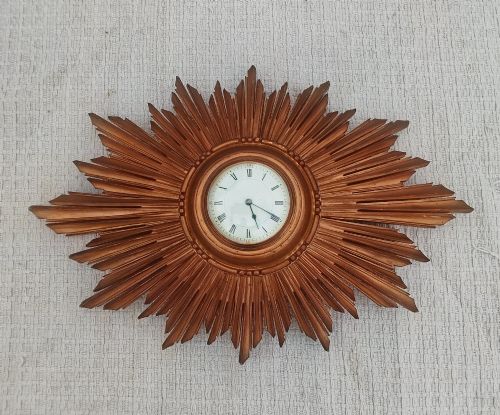
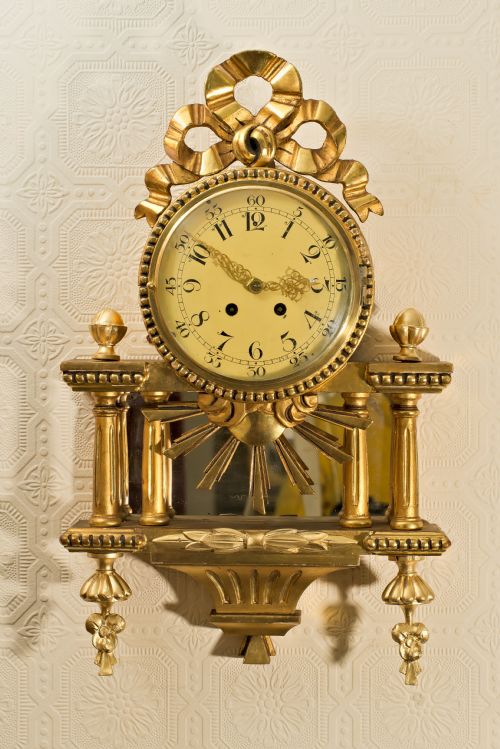
When you search for a french carved wall clock, you encounter timepieces spanning several centuries, ranging from eighteenth-century George III and French Baroque Revival examples to mid-twentieth-century designs. The pieces listed on this page encompass various forms such as cartel clocks, star burst and sunburst designs, and regional wall clocks.
The selection includes specimens from the nineteenth century alongside pieces dated to 1860, 1890, 1900, 1920, 1940, and 1950. Stylistic influences vary widely, incorporating Art Deco, Georgian, French Neo-Classical, Gustavian Neoclassical, French Napoleon III, French Country, and French Chateau aesthetics.
Origin details in the evidence extend beyond France to include Venetian Italian interest, English makers, and specific locations such as the Château de Vitrey-sur-Mance. Most items present robust wooden construction, often enhanced with striking metallic dials, glass bezels, and giltwood finishes.
Materials and construction
Makers utilised rich timbers including oak and walnut, alongside general wood mediums, to build the foundational bodies of these timepieces. Hand-carving techniques defined the decorative surfaces, producing intricate relief work and architectural motifs.
French Carved Wall Clock Retail Price Guide 2026
Typical asking prices for french carved wall clock among the pieces listed under this phrase on Sellingantiques today, from the lower quarter to the upper quarter. They describe what is for sale here now, not the wider market.
Listings feature periods from the eighteenth century through to 1950, utilising oak, walnut, giltwood, brass, and enamel.
Assessing craftsmanship and execution
The distinction between standard and exceptional pieces rests in the depth and crispness of the hand-carved details. Superior examples exhibit fluid, confident lines in the wood or giltwood, where ornament integrates seamlessly with the overall structure.
The sophistication of the movement and the integration of signed dials or automation elevate a piece's standing. Finer specimens display harmonious proportions between the carved housing and the dial, utilising quality materials like enamel and brass with precision.
WETTERSTRANDS·Perivale of England·WILLIAM WEBSTER
The French Carved Wall Clock Glossary
- Cartel clock
- A wall clock housed in an ornate frame, usually made of giltwood or metal, designed to be mounted directly onto a wall.
- Giltwood
- Wood that has been treated with a thin layer of gold leaf or gilt, frequently utilised on decorative frames and sunburst clocks.
- Enamel
- A glassy substance fused to metal dials, providing a smooth, durable, and legible surface for the clock numbers and hands.
- Automation
- Mechanical animation incorporated into a clock face or movement, introducing motion alongside timekeeping.
French Carved Wall Clock: Frequently Asked Questions
What rooms suit a giltwood sunburst clock?
Sunburst and star burst configurations work exceptionally well as focal points in living rooms, hallways, or dining spaces. Their dynamic, radiating design contrasts effectively against plain painted walls or traditional paneling.
Placing the clock at eye level allows the carved wooden details and gilded surfaces to catch natural light throughout the day. They bridge traditional and mid-century interiors with equal ease.
How do I identify an eighteenth-century cartel clock?
Eighteenth-century cartel clocks typically display restrained yet sophisticated hand-carved wood and giltwood framing characteristic of the Georgian and period aesthetics. Examining the construction methods on the reverse often reveals period-specific joinery and materials.
Signatures on the dial or movement, such as those by period makers, also help establish the age. The patination on the giltwood and metal components provides further clues to its historical origin.
Do these antique wall clocks require special care?
Keeping the clock away from direct sunlight and dramatic temperature fluctuations protects the wood, giltwood, and enamel dial from damage. Regular dusting with a soft, dry cloth preserves the carved surfaces without introducing moisture.
Mechanical movements benefit from periodic servicing by a professional horologist to ensure accurate timekeeping. Handling the pendulum and winding components with care prevents undue wear on the antique mechanisms.