

French Carved Occasional Table
These pieces, known as a french carved occasional table, are versatile small tables designed for mobility and display across residential interiors.
French Carved Occasional Table
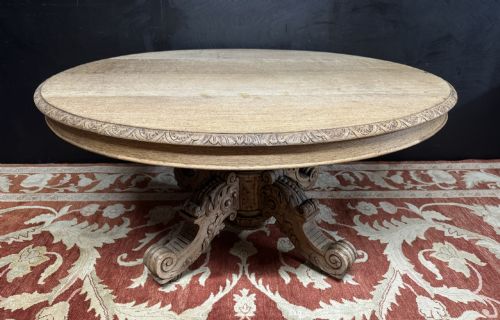
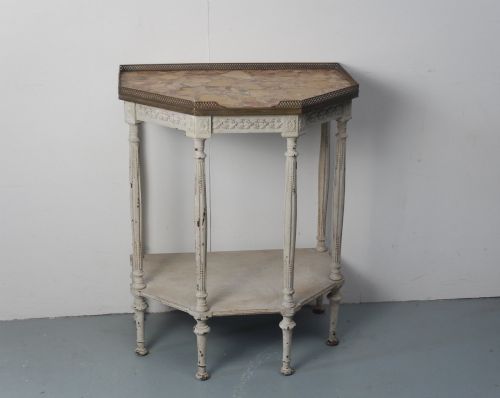
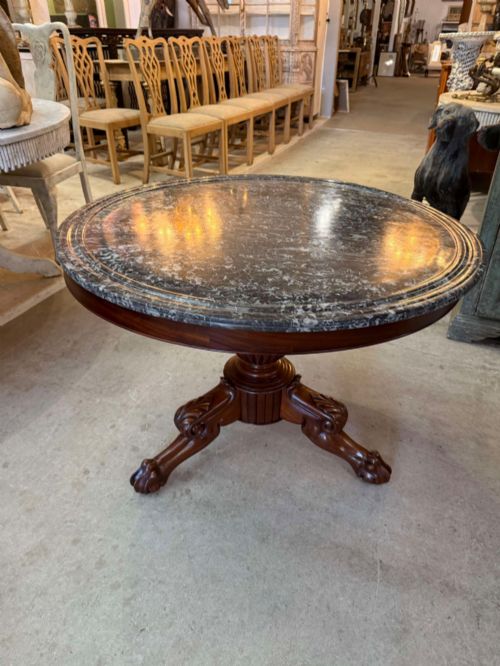
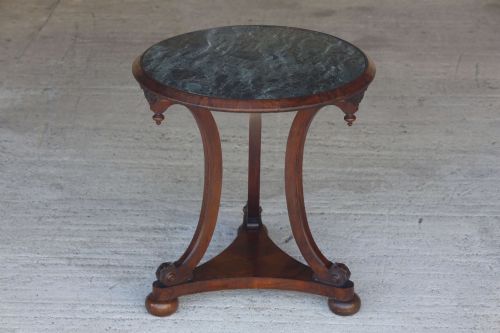
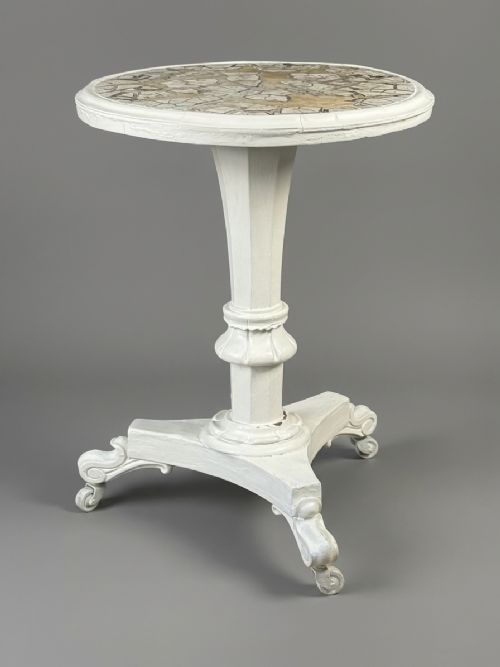
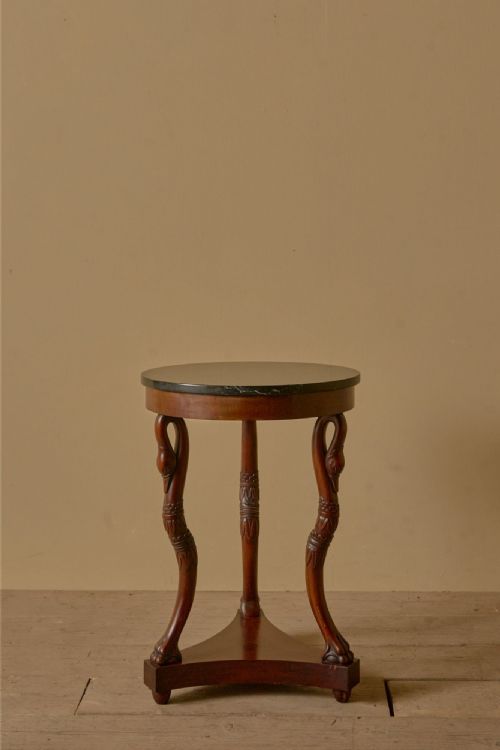
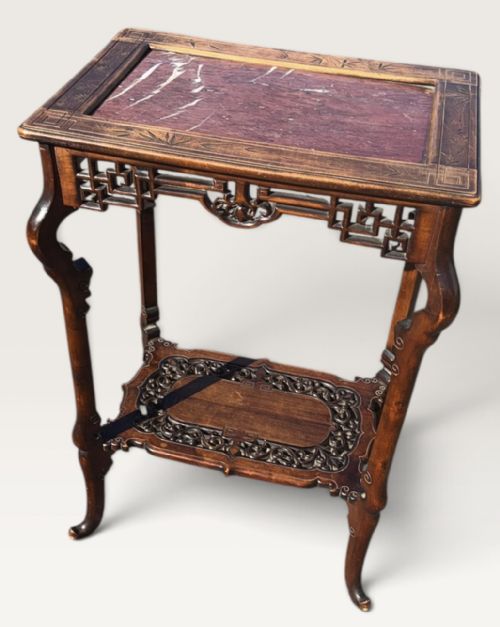
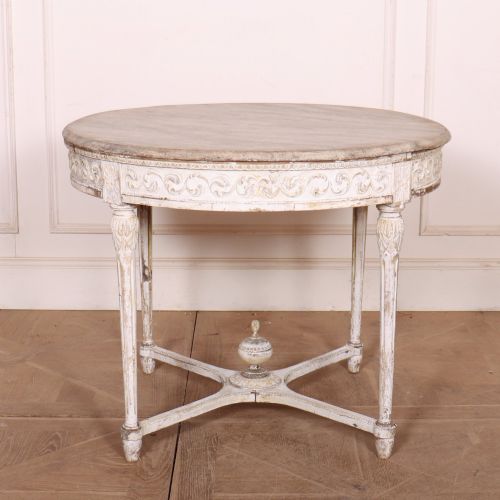
A french carved occasional table encompasses compact furniture forms such as side tables, gueridons, coffee tables, and centre tables originating from various historic periods. The selection on this page frequently includes nineteenth century examples alongside pieces from the eighteenth and twentieth centuries.
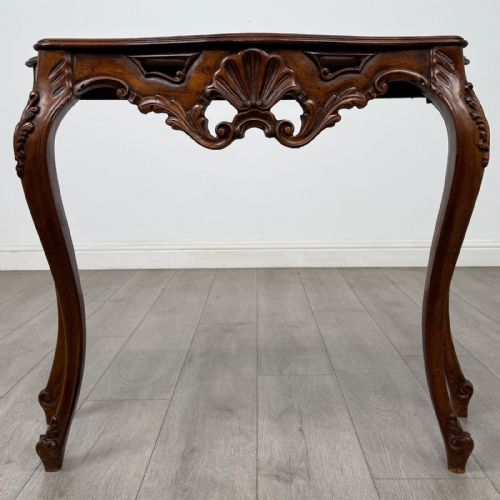
Makers and workshops produced these designs in styles ranging from French Provincial and French Chateau to Louis XV Revival, Louis XVI Style, and French Neoclassical. Buyers will encounter occasional tables supported by cabriole legs, turned legs, or tripod bases.
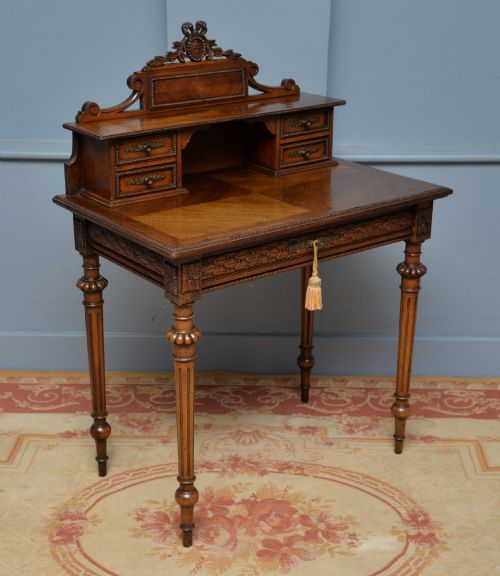
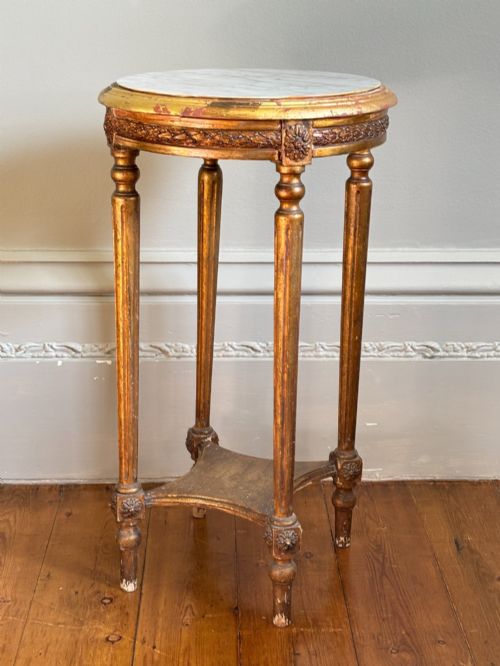
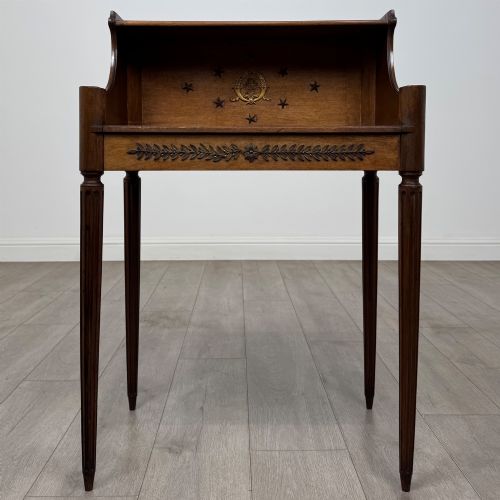
Common regional interpretations and secondary forms include oak low tables, walnut side tables with drawers, marble-topped gueridons, and giltwood display pieces. These items served functional roles in reception rooms and parlours for holding lamps, books, or decorative objects.
How They Were Made
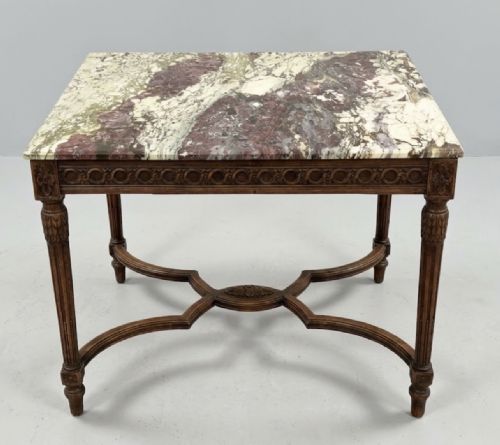
Cabinetmakers utilised hardwoods such as mahogany, walnut, oak, satinwood, and rosewood, often pairing timber frames with inset marble tops in grey, green, or white veined varieties. Giltwood and painted wood finishes appear alongside applied gilt bronze mounts and brass details.
Carpentry techniques involved traditional joinery, lathe turning for barley twist and spindle legs, and hand-carving applied to rails, aprons, and cabriole legs. Marquetry and burr wood veneers added surface decoration to tabletops and friezes.
French Carved Occasional Table Retail Price Guide 2026
Typical asking prices for french carved occasional table among the pieces listed under this phrase on Sellingantiques today, from the lower quarter to the upper quarter. They describe what is for sale here now, not the wider market.
Some nineteenth-century tables hide clever folding mechanisms and compartments designed specifically for nineteenth-century card games.
What Varies in Quality
The refinement of the hand-carving distinguishes standard production from exceptional examples, with crisp floral and scrolling motifs marking superior execution. The choice of primary timber, such as figured burr wood or dense walnut, dictates the visual depth of the piece.
Integration of materials influences the overall standard, notably the thickness, polish, and original association of inset marble tops. Gilt bronze mounts and fire-gilded details show varying levels of chased crispness and metalwork precision.
Gabriel Viardot·Gillows
The French Carved Occasional Table Glossary
- Gueridon
- A small French round table, typically supported by a central column or tripod base, frequently fitted with a marble top.
- Cabriole leg
- A furniture leg that curves outward at the knee and tapers inward at the ankle, mimicking animal limbs in classical styles.
- Ormolu
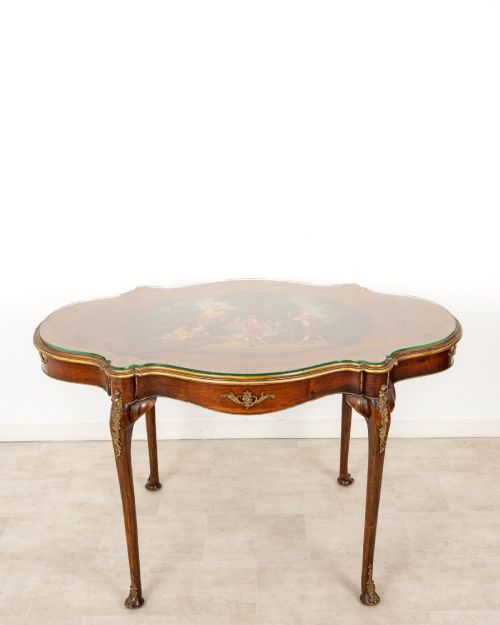
- Gilt bronze mounts applied to furniture woodwork, cast and finished to provide metallic decorative highlights.
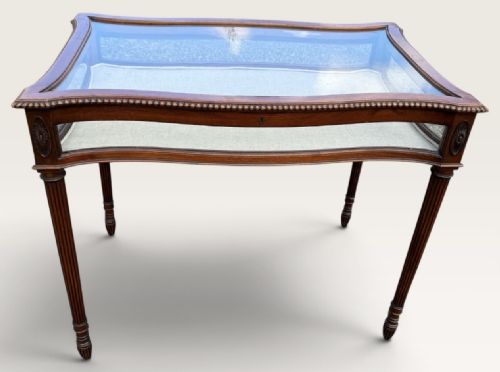
- Bijouterie table
- A glass-topped display table designed specifically for showcasing small collections of valuable items or curiosities.
- Vernis Martin
- A type of simulated Japanese lacquer developed in France, utilised on decorative furniture surfaces for polished colour.
French Carved Occasional Table: Frequently Asked Questions
What is a French gueridon table?
A gueridon is a circular occasional table originating in France during the seventeenth century. These tables usually feature a single central pillar or tripod support.
Over subsequent centuries, makers adapted the form with marble tops and carved wooden frames for use in salons and drawing rooms.
How were occasional tables used historically?
These movable pieces served flexible functions in period homes, holding small lamps, books, or writing materials. They were easily repositioned near seating areas as needed.
Larger versions also functioned as games tables or centre tables for displaying decorative objects.
Are marble tops original to these tables?
Many nineteenth-century occasional tables and gueridons were manufactured specifically to house inset marble slabs. These stone tops provided a durable, cool surface for daily use.
Inspection of the rebate beneath the tabletop reveals how the marble rests within the wooden frame.
How do I distinguish Louis XV and Louis XVI styles?
Louis XV furniture relies heavily on asymmetrical curves, serpentine lines, and fluid cabriole legs. Decoration often includes naturalistic floral carvings.
Louis XVI design shifts toward neoclassical symmetry, straight tapered legs, and geometric motifs inspired by classical antiquity.