

French Carved Mahogany Table
A french carved mahogany table brings warmth and rich grain to a room, offering practical surface space rooted in nineteenth-century design.
French Carved Mahogany Table
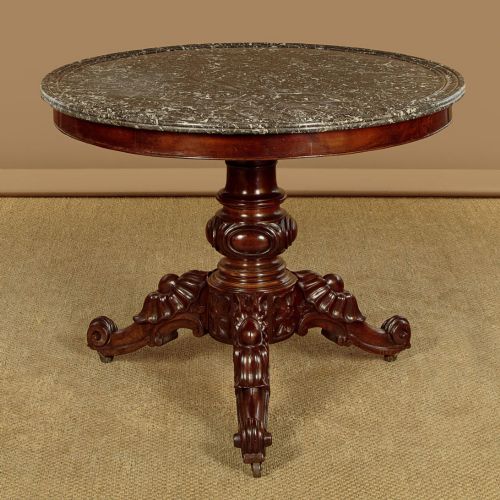
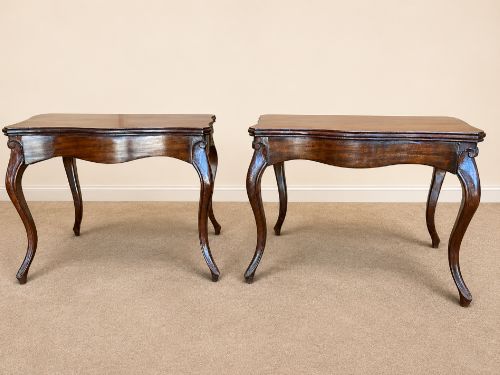
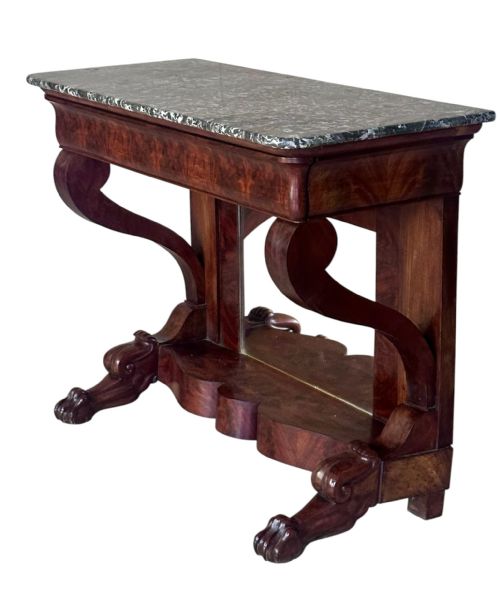
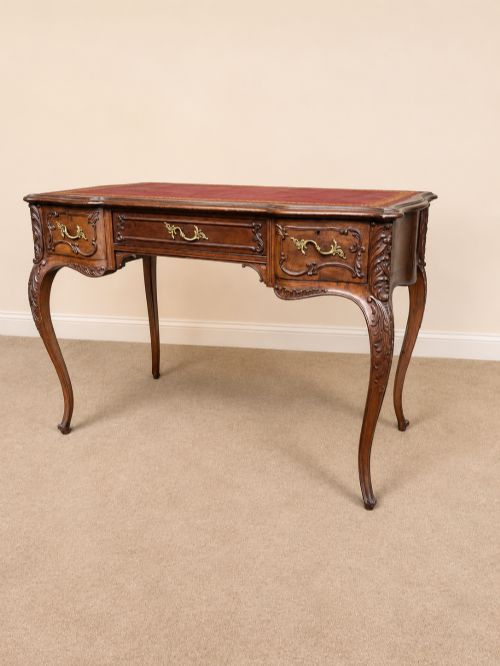
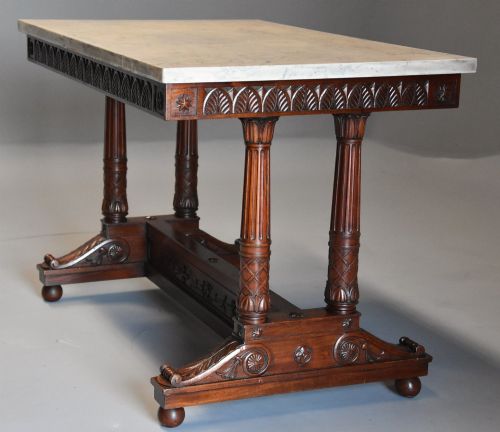
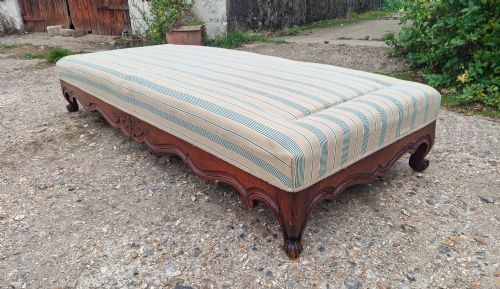
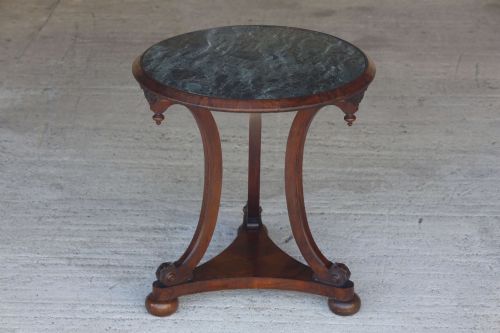
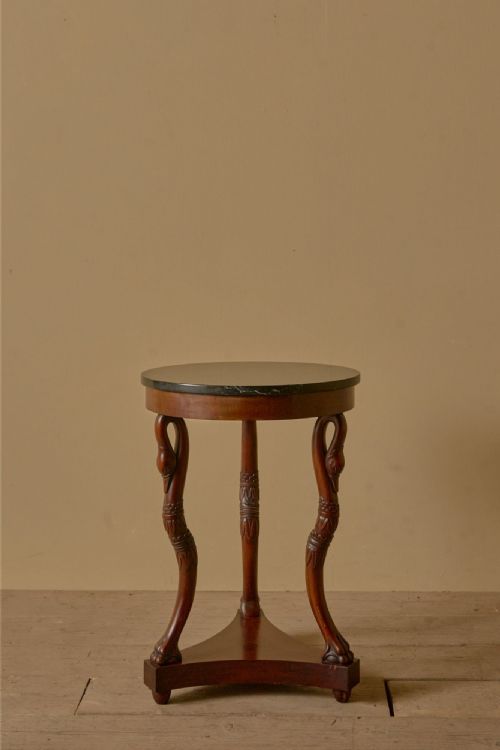
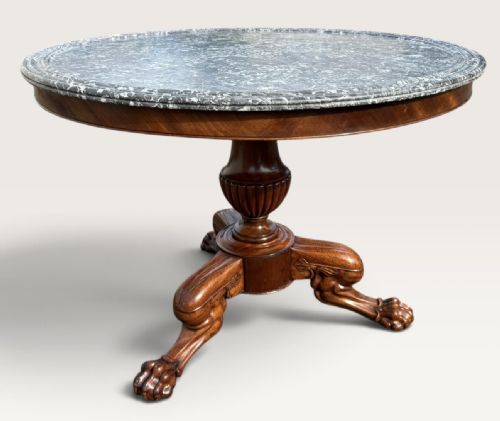
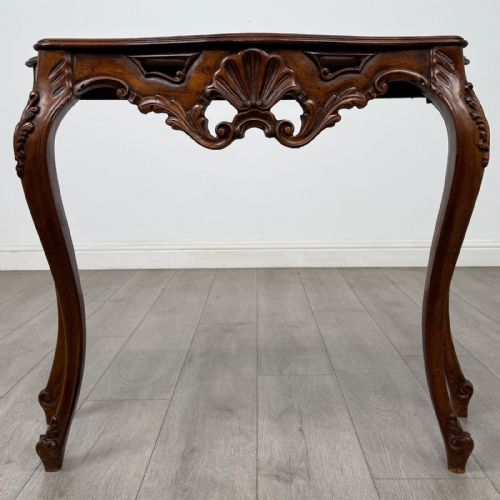
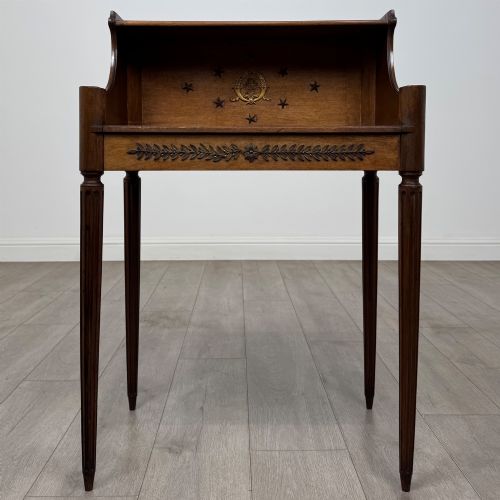
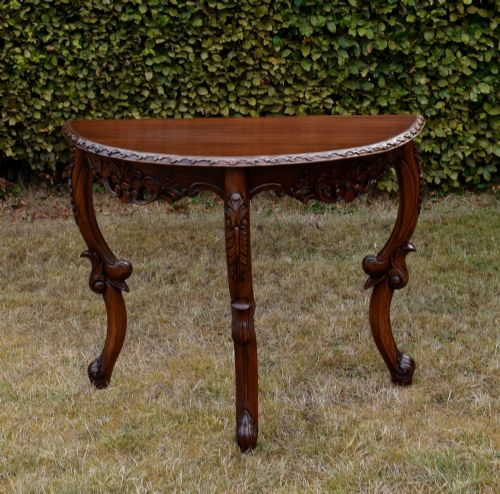
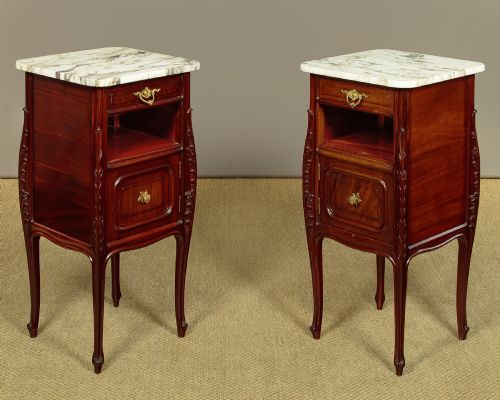
A french carved mahogany table encompasses a diverse selection of nineteenth-century and early twentieth-century forms designed for formal rooms and intimate spaces alike. Buyers searching this phrase most frequently encounter round gueridon centre tables, alongside rectangular console tables, writing desks, and bedside cabinets.
The material origins span the 1800s through the Edwardian era, incorporating regional stylistic revivals such as French Empire, Louis Philippe, and Rococo Revival. These tables served varied domestic functions, functioning variously as display surfaces for decorative objects, central pedestals in grand halls, or private writing desks.
Distinctions in quality and execution
Quality reveals itself in the crispness of the hand carving and the selection of the mahogany veneer, where superior examples exhibit symmetrical flame patterns and deep, warm patination. The integration of auxiliary materials, such as heavy veined marble tops and finely cast brass mounts, distinguishes standard production from exceptional pieces.
Structural integrity and the retention of original hardware, including brass galleries and fitted drawer components, dictate the standing of a table. Maker stamps and attribution to notable workshops provide further evidence of superior craftsmanship and original design intent.
French Carved Mahogany Table Retail Price Guide 2026
Typical asking prices for french carved mahogany table among the pieces listed under this phrase on Sellingantiques today, from the lower quarter to the upper quarter. They describe what is for sale here now, not the wider market.
Some nineteenth-century tables served secrets with hidden drawers beneath marble tops.
Jacob·Jean-Joseph Chapuis·Walker and Hall
The French Carved Mahogany Table Glossary
- Gueridon
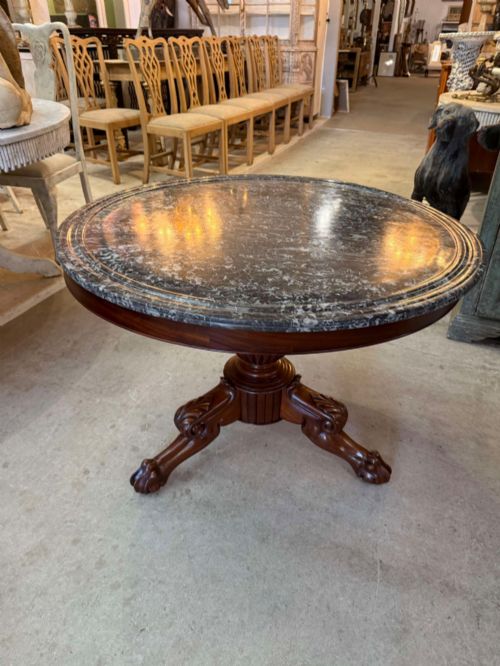
- A small circular table on a central pillar, frequently topped with marble and supported by a tripod base. These tables originated in France and became centrepieces for nineteenth-century salons.
- Ormolu
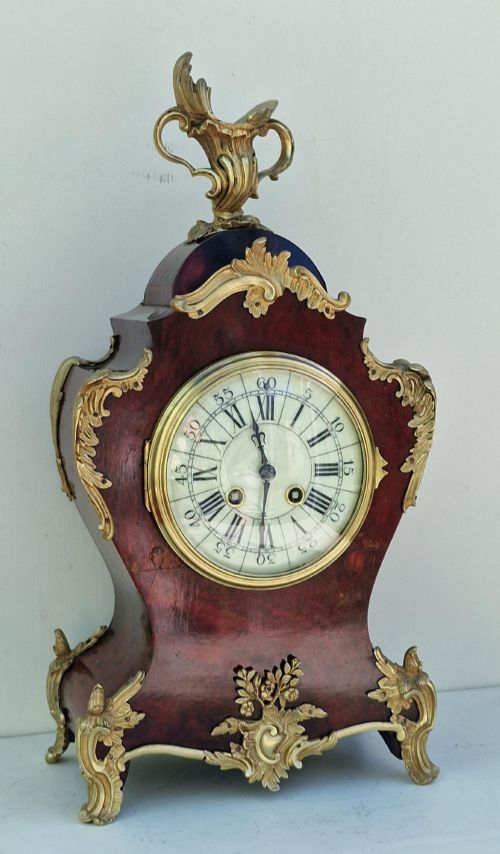
- Gilt bronze ornamentation applied to furniture mounts and clock cases. This technique involves amalgamating gold onto a bronze base to produce a rich metallic lustre.
- Console table
- A table designed to stand against a wall, often secured with brackets. Many examples feature shaped marble tops and elaborate carved mahogany frames.
- Flame mahogany
- A decorative veneer cut from wood where the branch meets the main trunk. This produces a distinctive flickering flame pattern highly prized in antique cabinetmaking.
- Brass gallery
- A small pierced metal railing fitted around the perimeter of a tabletop. It prevents items from sliding off and adds a refined decorative accent.
French Carved Mahogany Table: Frequently Asked Questions
How do I identify a gueridon table?
A gueridon is a circular table supported by a single central pillar and a sturdy base, often featuring an inset marble top and delicate carving. They were designed to sit in the middle of a room rather than against a wall.
These tables date primarily from the nineteenth century and reflect French stylistic periods like the Empire and Louis Philippe eras. Their compact footprint makes them versatile display surfaces for modern interiors.
What is a marble top table used for?
Marble top tables provided a durable, heat-resistant surface for serving drinks or displaying heavy ornamental objects in nineteenth-century drawing rooms and boudoirs. The stone insert also added considerable weight to centre tables, helping them stand steadily.
In contemporary homes, these tables function effectively as lamp tables or occasional surfaces. The cool stone contrasts naturally with the warm tones of polished mahogany.
How should I care for a mahogany table?
Mahogany requires minimal maintenance, benefiting from occasional dusting with a soft, dry cloth to preserve its natural patination. Direct sunlight and sudden changes in room temperature should be avoided to prevent the timber from drying out.
Wax polishing can be applied sparingly to nourish the wood and maintain its subtle sheen. Care should be taken with marble inserts by wiping up liquid spills promptly to protect the stone.
Are bedside cabinets rare?
Mahogany bedside cabinets from the Victorian and Edwardian periods appear regularly as pairs or single units. They were constructed to match larger bedroom suites and often incorporate small cupboards and drawers.
Their practical dimensions allow them to function easily alongside contemporary bed frames. The combination of carved mahogany and occasional marble tops makes them robust and enduring pieces of furniture.